
If you’re looking for an affordable way to extend the life of your roof without paying for a full replacement, I believe Henry elastomeric roof coating is worth considering.
After spending time researching, applying, and monitoring its performance, I found that it offers solid protection against harsh weather, UV rays, and moisture.
If you own a flat or low-slope roof and want to improve energy efficiency while reducing maintenance costs, this coating deserves a place on your shortlist.
My Personal Experience With Henry Elastomeric Roof Coating
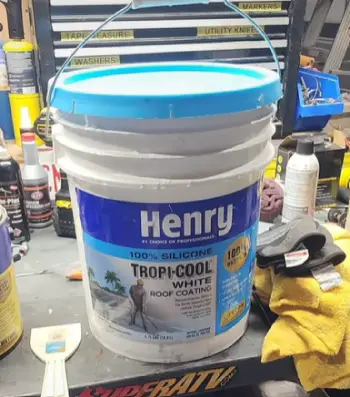
When I first started searching for a roof coating, I wanted something that could protect my aging roof without forcing me into an expensive reroofing project.
My roof wasn’t leaking badly, but it showed clear signs of wear. The surface had faded, there were minor cracks around the seams, and I noticed that the roof became extremely hot during sunny afternoons.
After comparing several products, I decided to try Henry elastomeric roof coating.
The first thing I noticed was how thick the coating felt. It wasn’t watery or difficult to spread. Using a roller, I managed to cover the roof steadily without constantly worrying about uneven coverage.
The product leveled itself nicely, making the finished surface look much cleaner than I expected.
Drying time depended on the weather. Since I applied it during a warm, dry period, the coating cured without any issues. Once everything had dried, the roof had a bright white finish that immediately made it look newer.
Over the following weeks, I noticed something I hadn’t expected. My attic stayed noticeably cooler during the afternoon. That doesn’t mean the coating magically transformed my home’s insulation, but it definitely reflected more sunlight than the old roof surface ever did.
Rainstorms also gave me confidence. Water no longer pooled around tiny surface imperfections the way it had before, and the roof looked much better after each storm.
The coating remained flexible instead of becoming brittle, which gave me confidence that it could expand and contract with seasonal temperature changes.
Of course, no coating is perfect. Proper preparation took almost as much time as the application itself. Cleaning the roof thoroughly and repairing damaged sections required patience.
I also realized that rushing the application would have resulted in poor adhesion. Taking my time ultimately paid off because the finished result looked professional.
Overall, my experience has been positive. I don’t see Henry elastomeric roof coating as a miracle product that fixes every roofing problem, but I do think it’s one of the better maintenance investments you can make before serious roof damage develops.
Pros Of Henry Elastomeric Roof Coating
- Excellent UV Protection
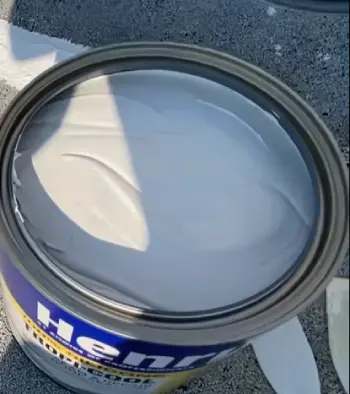
One of the biggest advantages I noticed is how effectively the coating reflects sunlight.
Constant UV exposure slowly damages roofing materials, causing them to dry out, fade, and weaken over time.
After applying Henry, my roof stayed noticeably cooler throughout the day.
That reduction in surface temperature can slow down roof aging while also helping your home remain more comfortable.
If you live in an area with intense sunshine, this reflective coating can become one of your roof’s strongest defenses.
- Flexible Enough for Seasonal Changes
Roofs never stay perfectly still. Heat causes expansion, while cooler temperatures create contraction. Inferior coatings often crack under this movement.
Henry’s elastomeric formula remains flexible after curing, allowing it to move naturally with the roof instead of separating from the surface.
This flexibility gives me confidence that the coating won’t immediately fail after experiencing seasonal weather changes.
- Helps Extend Roof Life
Replacing a roof can cost thousands of dollars. That’s why preventive maintenance matters.
I see Henry coating as a way to slow down roof deterioration rather than waiting until expensive structural repairs become necessary.
By protecting the existing roofing material from sunlight, rain, and normal weather exposure, it helps maximize the service life of the roof beneath it.
- Creates a Seamless Protective Layer
Unlike traditional repair patches, the coating forms one continuous membrane across the roof.
That seamless finish reduces vulnerable joints where water often finds a path inside.
Even around repaired areas, the coating blended everything together into one protective surface.
- Easy Application for DIY Projects
One reason many homeowners choose Henry is that professional equipment usually isn’t necessary.
If you’re comfortable working safely on a roof, you can apply it using common painting tools like rollers and brushes.
I appreciated that I didn’t need specialized machinery or advanced roofing skills to achieve a respectable finish.
- Improves Roof Appearance
Older roofs often look faded and uneven.
After the coating cured, my roof appeared much cleaner and brighter. Although appearance wasn’t my primary concern, it certainly improved my home’s overall look.
The fresh white finish also makes future inspections easier because dirt, standing water, and damage become more visible.
- Water Resistance
Rain is one of the biggest enemies of aging roofs.
Once fully cured, Henry coating forms a protective barrier that helps prevent water penetration through minor surface imperfections.
While it isn’t intended to repair major leaks or structural failures, it does provide valuable protection against everyday weather exposure.
- Good Coverage
I found the coverage to be consistent throughout the project.
The thicker consistency helped prevent excessive dripping while allowing the coating to build a protective layer over the roofing material.
Following the recommended application rate produced a durable finish without wasting excessive product.
- Suitable for Multiple Roofing Materials
One feature I liked was its versatility.
Depending on the specific Henry product you purchase, it can be applied to several compatible roofing surfaces including metal roofs, modified bitumen, concrete, and previously coated roofs.
That flexibility makes it appealing whether you’re maintaining a residential garage, workshop, RV structure, or commercial building.
- Cost-Effective Preventive Maintenance
Instead of waiting until your roof requires a complete replacement, investing in a quality coating allows you to address wear before it becomes severe.
Although buying enough coating for a large roof isn’t inexpensive, it’s still significantly more affordable than replacing an entire roofing system.
For homeowners trying to maximize long-term value, that makes Henry an attractive investment.
Cons Of Henry Elastomeric Roof Coating
- Surface Preparation Takes Time
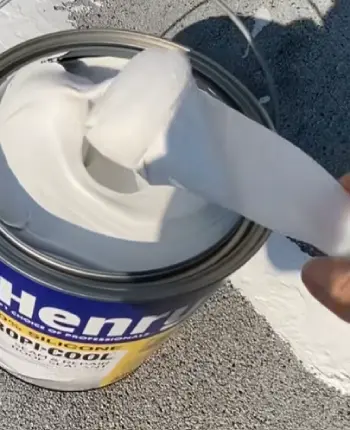
One thing I quickly realized is that the success of this coating depends heavily on preparation. I couldn’t simply open the bucket and start rolling it onto the roof.
Every loose particle, patch of dirt, grease stain, and old peeling coating had to be removed first.
I spent several hours sweeping, washing, and allowing the roof to dry completely before application. Although this extra effort paid off, it definitely added to the overall project time.
If you skip preparation, the coating may not bond properly, reducing its lifespan.
- Not a Solution for Major Roof Damage
Henry elastomeric roof coating protects an existing roof, but it doesn’t replace damaged roofing materials.
If your roof has rotten decking, severe leaks, broken flashing, or structural issues, those problems must be repaired before applying any coating.
Expecting the coating to solve serious roofing failures will only lead to disappointment.
I viewed it as preventive maintenance rather than a substitute for professional roof repair.
- Weather Conditions Matter
Application timing is more important than many people realize.
Rain shortly after application can interfere with curing, while extremely cold temperatures can prevent proper adhesion. Even excessive humidity may slow the drying process.
I had to monitor the weather forecast carefully before beginning the project. Waiting for several dry days delayed my schedule, but it ensured the coating cured correctly.
- Multiple Coats Increase Project Time
For maximum durability, most roofing projects benefit from applying more than one coat.
That means waiting for the first layer to dry before applying the second. Depending on the weather, this can stretch the project across multiple days.
Although the extra coat creates a stronger protective membrane, homeowners looking for a quick weekend project should plan accordingly.
- Periodic Recoating Is Necessary
Like any protective roof coating, Henry isn’t permanent.
Continuous exposure to sunlight, rain, wind, snow, and temperature changes slowly wears down the protective surface. To maintain performance, you’ll eventually need another maintenance coat.
I don’t consider this a major drawback because nearly every roof coating requires future maintenance, but it’s something buyers should understand before purchasing.
- Limited Effectiveness on Poorly Draining Roofs
If your roof constantly holds standing water for extended periods, elastomeric coatings may not perform as well over time.
While Henry offers good moisture resistance, correcting drainage issues should always come first. Improving the roof’s slope or repairing drainage systems will help the coating perform much better.
- Bright White Finish Shows Dirt
The reflective white color is excellent for reducing heat absorption, but it also makes accumulated dirt more noticeable.
Leaves, dust, pollen, bird droppings, and environmental debris become easier to see compared to darker roofing materials.
Fortunately, this is mostly a cosmetic issue, and routine cleaning keeps the roof looking fresh.
Maintenance Tips For Henry Elastomeric Roof Coating
- Inspect the Roof Every Season
One of the best habits I’ve developed is inspecting my roof several times each year.
Instead of waiting for leaks to appear, I look for small changes before they become expensive problems.
After winter, I check for cracks that may have formed during freezing temperatures.
Following heavy summer storms, I inspect the coating for impact damage caused by falling branches or wind-blown debris.
These quick inspections usually take less than an hour but provide peace of mind throughout the year.
Regular inspections also help me notice areas where the coating may be wearing thin. Catching those spots early allows for simple touch-ups instead of major repairs later.
- Keep the Roof Clean
Even though Henry coating is designed to handle outdoor exposure, allowing dirt and debris to accumulate isn’t a good idea.
I regularly remove leaves, twigs, and accumulated dust because they trap moisture against the roof surface. Standing organic material can encourage mold, algae, or mildew growth in damp climates.
Cleaning doesn’t require harsh chemicals. A soft broom, low-pressure rinse, and mild cleaning solution usually remove most dirt without damaging the coating.
Keeping the roof clean also helps preserve its reflective properties. The cleaner the white surface remains, the more sunlight it reflects.
- Repair Small Damage Immediately
No roof remains perfect forever.
Occasionally, I notice small scratches or tiny cracks caused by weather or accidental foot traffic. Rather than ignoring them, I repair them promptly.
Small repairs are inexpensive and quick. Waiting several months could allow water to penetrate beneath the coating, creating larger problems that require much more work.
Addressing minor damage early has helped my roof remain in excellent condition.
- Avoid Unnecessary Foot Traffic
Even durable roof coatings benefit from limited foot traffic.
Whenever possible, I avoid walking across the coated surface unless maintenance is necessary. Shoes can carry gravel or sharp debris that may scratch the protective membrane.
If I need to inspect equipment on the roof, I move carefully and distribute my weight evenly.
Reducing unnecessary traffic helps preserve the coating’s thickness and overall durability.
- Check Roof Penetrations Frequently
Areas around vents, skylights, HVAC units, plumbing stacks, and flashing deserve extra attention.
These locations naturally experience more movement than open roof sections.
During every inspection, I carefully examine these penetrations for signs of separation or cracking. If I notice any developing gaps, I seal them before moisture can enter.
This simple routine has prevented several potential leaks.
Comparison Of Henry Elastomeric Roof Coating With Other Brands
- Henry vs. APOC Elastomeric Roof Coating
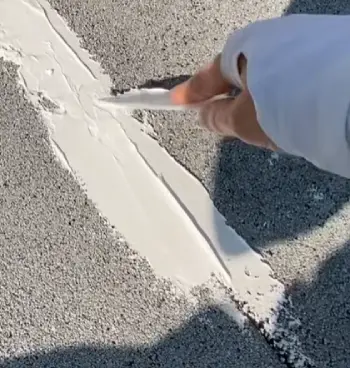
When I compared Henry and APOC, I found that both brands offer dependable roof coatings designed to protect aging roofing systems from moisture and UV damage.
However, my overall experience leaned slightly toward Henry because of its smooth application and consistent finish.
Henry tends to spread evenly, making it easier for homeowners who are handling the project themselves.
The coating levels well and creates a uniform protective layer with minimal effort. I also noticed that its reflective white finish maintained its appearance well after exposure to rain and sunlight.
APOC is also a reputable choice and performs well in challenging weather. Some of its premium coatings are formulated for commercial-grade performance, making them appealing for larger roofing projects.
However, depending on the specific product, I found that application sometimes required a little more attention to achieve an even finish.
If your priority is an easy-to-use coating for residential maintenance, I would lean toward Henry. If you’re managing a demanding commercial roof, APOC also deserves consideration.
- Henry vs. Kool Seal Roof Coating
Kool Seal has built a strong reputation for reflective roof coatings, particularly for homeowners looking to reduce roof temperatures during hot summers.
After comparing both brands, I felt Henry offered a thicker consistency that inspired confidence during application. It covered surface imperfections well and produced a durable-looking membrane once cured.
Kool Seal remains an excellent option for reflective performance, but Henry impressed me with its balance between flexibility, weather resistance, and ease of maintenance.
If I were coating another residential roof, I’d feel comfortable choosing Henry again because it provides a dependable combination of protection and user-friendly application.
- Henry vs. Gaco Roof Coating
Gaco is widely recognized for high-performance silicone roof coatings. Silicone naturally performs exceptionally well where roofs experience frequent standing water.
Henry’s acrylic elastomeric coating shines in different situations. It reflects sunlight effectively, remains flexible, and generally costs less than many premium silicone alternatives.
If your roof has proper drainage and you mainly want UV protection, weather resistance, and longer roof life, Henry offers excellent value.
If your roof frequently experiences ponding water that remains for extended periods, Gaco’s silicone products may have an advantage. Still, for many residential roofs with adequate drainage, I believe Henry delivers outstanding overall performance without the higher investment.
- Henry vs. Gardner Roof Coating
Gardner manufactures several roof coatings that compete directly with Henry across residential and commercial applications.
When comparing the two, I found Henry’s application process slightly more forgiving. It rolled smoothly across the roof and maintained consistent coverage even over repaired sections.
Gardner products certainly provide reliable protection, but Henry stood out to me because of its balance between durability, flexibility, and reflective performance.
For homeowners who may be applying roof coating for the first time, Henry feels approachable while still delivering professional-looking results.
Which Brand Would I Choose?
After considering performance, ease of application, weather protection, flexibility, and long-term maintenance, Henry remains my preferred choice for most residential roofing projects.
That doesn’t mean competing brands are poor products. APOC, Kool Seal, Gaco, and Gardner all produce quality roof coatings that excel in certain situations.
For me, Henry offers one of the best combinations of value, dependable protection, user-friendly application, and long-term performance. If I needed to coat another compatible roof tomorrow, I wouldn’t hesitate to purchase Henry again.
Also Read: Is Rust-Oleum Epoxyshield Worth It?
Frequently Asked Questions (FAQ)
With proper application and regular maintenance, Henry’s roof coating can last around 10 years or longer, depending on weather conditions and roof exposure.
The best elastomeric roof coating depends on your roof type and climate, but Henry is widely considered one of the top choices for residential roofs.
Henry 887 Tropi-Cool and Henry 587 Dura-Brite are among the most popular options, with the right choice depending on your roofing material and local weather.
Both are quality brands, but I prefer Henry for its ease of application, consistent coverage, and excellent value for most residential roofing projects.
Final Verdict
After using and evaluating Henry elastomeric roof coating, I believe it’s a smart investment for homeowners who want to protect their roofs without paying for a full replacement.
It applies smoothly, reflects heat effectively, and helps shield roofing materials from everyday weather. While preparation and routine maintenance are essential, the long-term benefits outweigh the effort.
If your roof is structurally sound and simply needs renewed protection, Henry is a dependable coating that offers lasting value and solid overall performance.
Recent Posts
I spent months comparing budget options against established names after my last set of tires wore out sooner than expected.My goal here is to share what I learned from putting Dextero and...
AquaTru Carafe Vs. Classic: Which Is Actually Fits Your Kitchen?
I decided to write this comparison after months of testing both the AquaTru Carafe and the Classic in my own kitchen. Tracking covered daily use.Taste stayed consistent. Refill frequency...