
I spent years bouncing between a classic Crock-Pot and an Instant Pot, testing everything from weekday chili to weekend pot roast, trying to figure out which one actually earns its spot on the counter.
My goal here is straightforward: to walk you through the real differences, strengths, and trade-offs so you can decide which appliance fits your cooking style, schedule, and priorities without the usual marketing haze.
| Aspect | Crock-Pot (Slow Cooker) | Instant Pot (Multi-Cooker) |
| Primary Cooking Method | Low-and-slow moist heat | High-pressure steam + multiple modes |
| Typical Cook Time | 4–10 hours | 10–60 minutes under pressure |
| Best For | Hands-off all-day meals, tough cuts of meat | Fast dinners, beans, rice, one-pot versatility |
| Heat Source | Electric heating element under ceramic pot | Electric base with sealed pressure vessel |
| Temperature Range | Low, High, Warm (roughly 170–280°F) | Pressure (up to ~240°F), Slow Cook, Sauté, etc. |
| Capacity Options | 2–8 quarts common | 3–8 quarts common |
| Learning Curve | Very low | Moderate (pressure safety, timing) |
| Energy Use | Low, long duration | Higher short bursts, overall often less total energy |
| Cleanup | Ceramic insert, easy | Stainless pot + sealing ring, more parts |
| Price Range (typical) | $20–$80 | $60–$150+ |
Key Differences Between The Crockpot And Instant Pot
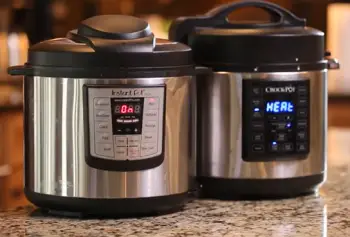
- Cooking speed and method: A Crock-Pot uses gentle steady heat over many hours to break down tough meat and build flavor slowly.
The Instant Pot traps steam under pressure so food cooks at a higher temperature and finishes in a much shorter time.
- Versatility of functions: Most Crock-Pots focus almost entirely on slow cooking with simple heat settings.
Instant Pots switch between pressure cooking, slow cooking, sautéing, steaming, and other modes in one machine.
- Texture and flavor development: Long slow cooking creates deep rounded flavors as ingredients meld over time.
Pressure cooking keeps food moist and tender quickly yet sometimes produces a slightly different steam-cooked taste.
- Hands-on time versus set-and-forget: You can load a Crock-Pot in the morning and leave it alone until dinner.
An Instant Pot needs more attention at the start but frees you much sooner once cooking begins.
- Safety and monitoring style: Slow cookers run at lower temperatures and feel very forgiving if you step away.
Instant Pots use sealed pressure systems with safety locks that work well once you understand the lid and release methods.
Key Features Of The Crock-Pot
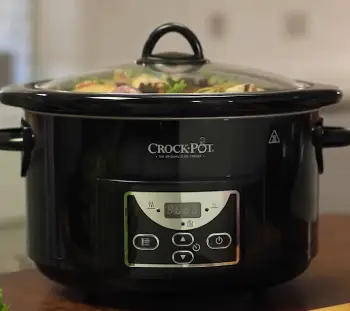
- Ceramic or stoneware insert that holds steady heat: The thick insert spreads warmth evenly and keeps temperature stable even during small power fluctuations.
It often doubles as a serving dish right at the table.
- Simple control dial or digital timer: Basic models give you Low, High, and Warm settings that are easy to understand.
Newer versions add timers so the pot switches to Warm on its own after the set time.
- Generous capacity options for family meals: Larger oval shapes hold whole chickens or big cuts of meat without crowding.
This helps everything cook more evenly from edge to center.
- Minimal moving parts: Fewer components mean less that can break or get lost over years of use.
The lid sits loosely and allows gentle evaporation that naturally thickens sauces.
- Quiet continuous operation: The appliance runs with almost no noise beyond a soft hum.
This makes it pleasant in open kitchens or homes where quiet matters.
Pros Of The Crock-Pot
- True set-it-and-forget-it convenience for busy days: Ingredients go in before work and a complete meal waits when you return. This reliability helps on days when schedules stay unpredictable.
- Excellent for tough inexpensive cuts of meat: Chuck roast and pork shoulder turn fork-tender after long hours on Low. The gentle heat breaks down connective tissue without drying the meat.
- Lower upfront cost and simpler maintenance: Basic models cost less and need almost no replacement parts. Cleaning usually means washing only the ceramic insert and lid.
- Flavor development that feels traditional: Spices and aromatics blend slowly into rich comforting tastes. Sauces thicken on their own through gentle evaporation over the full cooking time.
- Forgiving for beginners: Food rarely suffers dramatically if dinner runs late. The Warm setting holds everything safely for hours without much risk of overcooking.
Cons Of The Crock-Pot
- Long cooking times limit last-minute flexibility: Forgetting to start the pot in the morning often means changing the entire dinner plan. Spontaneous weeknight meals become harder to manage.
- Limited ability to brown or sauté: Most models cannot sear meat or cook onions inside the same pot. Extra pans are needed if you want the deeper flavor that browning provides.
- Potential for mushy vegetables: Delicate produce can soften too much after many hours in moist heat. Careful timing of when to add vegetables helps avoid this issue.
- Less precise temperature control on older models: Simple dials offer only broad settings and heat can vary between different units. Some cooks prefer tighter control than these models allow.
- Counter or storage space for a single-purpose tool: The appliance takes up room even if you use it only a few times each month. That footprint feels larger when kitchen space stays limited.
Key Features Of The Instant Pot
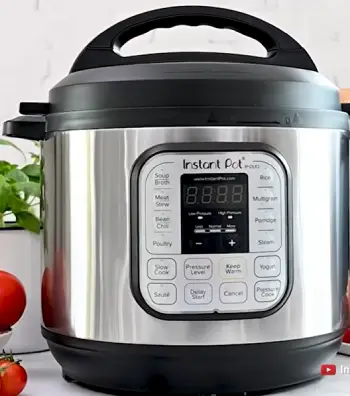
- Multi-function digital interface: One unit handles pressure cooking, slow cooking, rice, yogurt, sauté, and keep-warm settings.
Higher models add extra options like sous-vide or air-fry lids.
- Stainless-steel inner pot with measurement markings: The pot heats quickly for browning and cleans up easily in the dishwasher.
Clear markings help you add the right amount of liquid for safe pressure cooking.
- Sealing ring and pressure-release systems: The silicone ring creates the tight seal needed to build pressure.
You can choose natural release or quick release depending on the food and desired texture.
- Delayed start and automatic keep-warm: Ingredients can sit ready and start cooking later in the day.
After the cycle ends the keep-warm function holds food at a safe temperature without extra work.
- Safety interlocks and sensors: The lid must lock fully before pressure rises and sensors watch temperature throughout.
These features make the process reliable once the basic steps become familiar.
Pros Of The Instant Pot
- Dramatic reduction in cooking time: Dried beans and tough meats finish in a fraction of the usual hours. Weeknight dinners become realistic even after a long workday.
- One-pot versatility that replaces multiple gadgets: Sautéing, pressure cooking, and keeping warm all happen in the same vessel. Yogurt, rice, and soups need no extra equipment.
- Energy efficiency for many meals: Short intense cycles often use less total power than an all-day slow cook. The kitchen stays cooler during warmer months as a result.
- Consistent results once you learn the patterns: Timing for common foods becomes predictable after a few tries. The sealed pot also holds moisture and many nutrients effectively.
- Ability to cook from frozen: Meat or vegetables straight from the freezer work in many recipes. This removes the need to remember thawing ahead of time.
Cons Of The Instant Pot
- Steeper learning curve and occasional intimidating moments: Understanding pressure release and minimum liquid takes practice. Early attempts can lead to undercooked food or surprising bursts of steam.
- More components to clean and maintain: The sealing ring picks up odors and needs periodic replacement. The lid contains extra parts compared with a simple slow-cooker lid.
- Flavor profile that can differ from traditional slow cooking: Some dishes taste good yet miss the deep long-simmered character of an all-day pot. Using the sauté function and adjusting spices helps close that gap.
- Noise and attention during pressure release: Quick release creates a loud rush of steam that needs watching. Natural release stays quieter but adds waiting time after the cook cycle.
- Higher initial investment for full-featured models: Basic units stay reasonable yet models with the most functions cost more than a standard slow cooker. Replacement parts add to long-term expense.
How The Two Perform Across Common Kitchen Tasks?
When I prepare a pot roast the Crock-Pot creates a classic result with rich gravy that forms slowly over hours.
The Instant Pot version reaches tenderness much faster and still tastes satisfying though I sometimes add a quick broil for extra color.
Weeknight chili favors the Instant Pot because it reaches the table in under an hour. The Crock-Pot version started in the morning develops thicker texture and deeper spice notes by evening.
Beans and grains show a clear contrast. Dried chickpeas become creamy in the Instant Pot without overnight soaking.
The same beans need far more time and careful liquid checks in a Crock-Pot. Rice and oatmeal run almost on autopilot with the Instant Pot programs while a slow cooker requires closer watching to prevent mushiness.
Soups and stews work well in both. I reach for the Instant Pot when time is short and the Crock-Pot when I want the house filled with aroma all afternoon.
Yogurt and certain desserts lean toward the Instant Pot thanks to its steady temperature control and sealed environment.
Practical Considerations Beyond The Food
Energy use often favors the Instant Pot for shorter meals and the Crock-Pot for true all-day cooking. Summer months make the Instant Pot more appealing because it avoids heating the kitchen for hours. Winter days make the gentle background warmth of a Crock-Pot feel welcome.
Storage space matters in smaller kitchens. A multi-cooker that stands in for a slow cooker, rice cooker, and yogurt maker justifies its size more easily.
If those other tools already exist a basic Crock-Pot becomes the lighter addition.
Cleanup stays simpler with the Crock-Pot ceramic insert. The Instant Pot stainless pot is durable and dishwasher safe yet the sealing ring and valve need regular care.
I keep separate rings for savory and sweet cooking to limit odor transfer.
Long-term cost includes occasional parts. Crock-Pots rarely need more than a new lid. Instant Pots may require a fresh sealing ring or inner pot after heavy use.
Both appliances have lasted well in my kitchen with basic care.
Matching The Appliance To Real Life
Predictable long days make the Crock-Pot a strong match because dinner waits ready when you walk in.
Unpredictable schedules or late decisions about dinner favor the Instant Pot and its speed. Many homes eventually keep both appliances.
The slow cooker handles weekends and big batches while the multi-cooker covers weeknights and special tasks.
People who cook beans, grains, and tougher cuts often reach for the Instant Pot more frequently.
Those who want traditional pot-roast texture and minimal active time tend to prefer the Crock-Pot. Neither option wins in every situation. Each solves a different set of everyday cooking problems.
Also Read: Comparison Of Zojirushi Micom And Neuro Fuzzy
Frequently Asked Questions (FAQ)
It pressure-cooks food in a fraction of the time, sautés directly in the pot, makes yogurt with precise temperature control, and often includes dedicated programs for rice and other grains.
It has a steeper learning curve, more parts to clean, occasional noise during pressure release, and a flavor profile that can differ from long slow-cooked dishes.
Both preserve nutrients well when used properly. Pressure cooking often retains more water-soluble vitamins because of shorter cook times and less liquid loss; slow cooking can enhance mineral availability in some foods through longer breakdown.
It can slow-cook, but many users find the results slightly different from a dedicated ceramic slow cooker. For pure set-and-forget all-day cooking, a traditional Crock-Pot still holds an edge in simplicity and texture for certain recipes.
Final Thoughts
After years of using both I no longer treat the choice as either-or. The Crock-Pot still delivers the comforting low-effort meals I want on busy weekdays when I can start early.
The Instant Pot handles the nights when time is short and I still want something better than takeout.
You will get the most value by matching the tool to the kind of cooking you actually do most often.
Test a few of your favorite recipes in each style if you can, notice which process feels more natural, and let that guide the decision.
Whichever you choose both can turn simple ingredients into satisfying meals once you understand their rhythms.
Recent Posts
● Interactive 5-Zone Interior & Exterior Paint Blueprint Paint Coverage Calculator: Gallons, Primer, Square Footage & Cost Tap any architectural surface zone on the blueprint...
If you want smooth, shiny hair without spending a fortune on a premium styling tool, the Ella Bella hair dryer may be worth considering.In these Ella Bella hair dryer reviews, I’ll look...