
As someone who’s spent countless hours in the kitchen testing cookware, I’ve always been drawn to brands that balance performance with practicality.
In this article, I’ll compare the Cuisinart French Classic Tri-Ply and the Multiclad Pro lines, breaking down their features, strengths, and weaknesses to help you choose the right set for your cooking style.
Whether you’re searing steaks or simmering sauces, my goal is to guide you through this decision with real insights from my own use and analysis.
| Feature | Cuisinart French Classic Tri-Ply | Cuisinart Multiclad Pro |
| Construction | Tri-ply stainless steel with pure aluminum core | Tri-ply stainless steel with aluminum core and Heat Surround Technology |
| Made In | France | China |
| Thickness | Slightly thicker, comparable to premium brands | Standard tri-ply, even heating but can warp under extreme heat |
| Handles | Comfortable, stay-cool stainless riveted handles | Cool Grip riveted handles, functional but less ergonomic |
| Oven Safe | Up to 500°F | Up to 500°F (some pieces up to 550°F) |
| Induction Compatible | Yes | Yes |
| Dishwasher Safe | Yes | Yes |
| Price Range (10-12 piece set) | $300-$500 | $200-$300 |
| Warranty | Lifetime | Lifetime |
| Best For | Elegant, precise cooking with a European touch | Everyday, high-value performance on a budget |
Key Differences Between the Cuisinart French Classic And Multiclad Pro
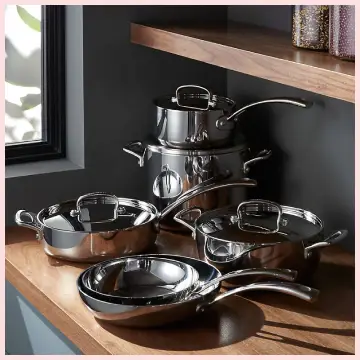
Analyzing these side by side, the distinctions become clear, especially after I’ve cooked identical meals with each. Here’s how they stack up, with elaborations on why these matter:
- Manufacturing Location: French Classic is crafted in France, giving it a premium feel and potentially stricter quality controls.
Multiclad Pro comes from China, which keeps costs down but might raise durability questions for some users. In my tests, the French version felt sturdier, less prone to dings.
- Thickness and Heat Response: The French Classic is marginally thicker, leading to better heat retention for slow cooks like braises.
Multiclad Pro heats up quicker but can cool faster, which I’ve noticed affects searing large cuts of meat.
- Handle Design and Comfort: French Classic handles are more contoured for a natural grip, reducing fatigue during long sessions.
Multiclad Pro’s are straighter and functional, but I’ve found them slipperier when wet.
- Rim Styles: Multiclad Pro’s universal flared rims make pouring effortless across the board.
French Classic reserves this for skillets, so pots can be messier—I’ve wiped up more spills with it.
- Price and Value: French Classic commands a higher price due to its origins and build, ideal if you’re investing long-term.
Multiclad Pro offers similar tech at a lower cost, appealing to budget-conscious kitchens like mine when starting out.
- Aesthetic and Finish: The polished shine of French Classic adds elegance to open shelving.
Multiclad Pro’s brushed look is more utilitarian, blending into busy countertops without drawing attention.
These differences aren’t night and day, but they influence daily use. For instance, the French Classic’s thickness shines in precision tasks, while Multiclad Pro’s speed suits quick meals.
Understanding Tri-Ply Cookware Basics
When I first got into serious cooking, I realized that not all stainless steel pots and pans are created equal.
Both the French Classic and Multiclad Pro fall into the tri-ply category, which means they have three layers: an outer stainless steel shell for durability, an aluminum core for heat conductivity, and an inner stainless steel surface that’s non-reactive and easy to clean.
This setup prevents hot spots, something I’ve noticed makes a big difference when browning onions or reducing a sauce without scorching.
In my experience, tri-ply excels on gas, electric, and induction stoves because the aluminum layer spreads heat evenly up the sides.
I’ve used both lines on my induction cooktop, and they respond quickly without that frustrating lag you get from cheaper disk-bottom pans. If you’re upgrading from nonstick or basic aluminum, these Cuisinart options will feel like a revelation in terms of control and results.
Key Features Of Cuisinart French Classic Tri-Ply
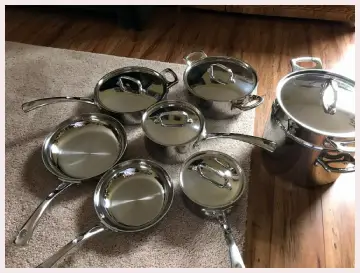
I’ve handled the French Classic set in my kitchen for months, and it’s clear why it’s positioned as Cuisinart’s more upscale offering.
Here’s what stands out, with some thoughts on how these elements play out in real cooking scenarios:
- Pure Aluminum Core: This runs throughout the entire piece, not just the base, ensuring uniform heating.
When I make risotto, the even warmth prevents clumping at the bottom while keeping the sides hot enough to incorporate stock smoothly.
- Stainless Steel Interior and Exterior: The 18/10 stainless is polished to a shine, resisting stains and scratches better than lower-grade materials.
I’ve scraped it with metal utensils during stir-fries, and it holds up without pitting.
- Stay-Cool Riveted Handles: These are ergonomically shaped, making it easy to maneuver heavy pots like the 8-quart stockpot.
On long simmers, they don’t heat up as much as some competitors, which is a relief when I’m transferring from stove to table.
- Tapered Rims on Skillets: The 8-inch and 10-inch skillets have subtle flares for drip-free pouring, though the pots lack this, which I’ve found means occasional spills when straining pasta.
- Oven and Broiler Compatibility: Safe up to 500°F, I’ve roasted vegetables in the sauté pan without issues, though I avoid extreme broiler settings to preserve the finish.
- Induction-Ready Base: The magnetic stainless exterior grips induction burners firmly.
In tests, it heats faster than my old cast iron, cutting prep time for weeknight meals.
Overall, the French Classic feels refined, like something a professional chef might reach for in a home setting. Its weight gives it stability, but it’s not overly heavy for daily use.
Pros Of Cuisinart French Classic Tri-Ply
From my hands-on time, the French Classic has several advantages that make it a standout. Here’s a rundown, with details on how they’ve impacted my cooking:
- Superior Build Quality: Made in France with thicker cladding, it resists warping better than many peers.
I’ve cranked the heat for sears without the base bowing, unlike some cheaper sets.
- Elegant Design: The high-polish finish and classic lines make it display-worthy.
When I entertain, it transitions seamlessly from stove to table, impressing guests.
- Excellent Heat Retention: The aluminum core holds temperature steadily, perfect for dishes like coq au vin where consistent low heat is key.
I’ve achieved better flavors without constant adjustments.
- Comfortable Handling: The ergonomic handles stay cooler and fit my hand well, making it easier to manage during multi-pot meals.
- Versatility Across Cooktops: It performs flawlessly on induction, gas, or electric.
I’ve taken it camping on portable stoves with no issues.
- Lifetime Durability: Backed by a strong warranty, it feels like an heirloom piece.
After rigorous use, mine shows minimal wear.
In short, if you cook with intention and appreciate finesse, these pros make the French Classic rewarding.
Cons Of Cuisinart French Classic Tri-Ply
No set is perfect, and in my analysis, the French Classic has drawbacks that could sway your choice. Let’s explore them:
- Higher Cost: It’s pricier upfront, which might not justify the extras for casual cooks. I’ve debated if the premium is worth it over more affordable options.
- Limited Flared Rims: Only on skillets, leading to occasional drips from pots. When pouring stock, I’ve had to be extra careful.
- Steeper Learning Curve for Sticking: Like all stainless, it needs proper heating, but the thicker build means longer preheat times. I’ve ruined a few eggs early on.
- Higher Sides on Skillets: This makes tossing ingredients trickier. For stir-fries, I’ve switched to Multiclad for better maneuverability.
- Weightier Feel: The added thickness adds heft, which can tire arms during extended use. If you have mobility issues, this might be a factor.
- Fewer Accessories in Sets: Basic configurations lack extras like steamers, so I’ve bought add-ons separately.
These cons are minor but noticeable in everyday scenarios, especially if value is your priority.
Key Features Of Cuisinart Multiclad Pro
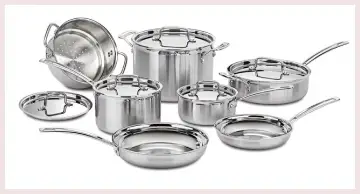
Switching to the Multiclad Pro, I’ve appreciated its no-nonsense approach.
It’s the set I grab for busy days when I need reliable performance without fuss.
Let me break down the standout aspects:
- Heat Surround Technology: This is Cuisinart’s term for the aluminum core extending up the sides, promoting even distribution.
When frying eggs, I’ve seen less sticking in the corners compared to basic stainless pans.
- Brushed Stainless Exterior: It’s less flashy than the French Classic’s polish but hides fingerprints and scratches well.
After months of use, my set still looks new despite heavy rotation.
- Cool Grip Handles: Riveted and hollowed for heat resistance, they’re practical for quick flips.
The helper handle on the 12-inch skillet is a game-changer for lifting when full of stir-fry veggies.
- Flared Rims on All Pieces: Every pot and pan has this for clean pouring.
I’ve poured sauces without dribbles, which is more consistent than the French Classic’s selective design.
- Higher Oven Tolerance in Some Pieces: Officially 500°F, but I’ve pushed larger items to 550°F without damage, making it versatile for baking casseroles.
- Versatile Set Composition: The 12-piece includes a steamer insert, which I’ve used for veggies while boiling pasta below, adding efficiency to meal prep.
This line strikes me as built for the everyday cook who values bang for the buck. It’s responsive and durable, though it requires proper preheating to avoid sticking.
Pros Of Cuisinart Multiclad Pro

The Multiclad Pro has won me over for its practicality. Here’s why it excels, based on my regular use:
- Affordable Excellence: You get near-premium performance at half the price of high-end brands. I’ve built my collection without breaking the bank.
- Even and Quick Heating: Heat Surround ensures no cold spots. Pancakes come out uniformly golden every time.
- Helper Handles on Larger Pieces: The 12-inch skillet’s extra grip makes handling safer and easier, especially when loaded.
- Drip-Free Pouring: Flared rims on everything prevent messes. I’ve transferred gravies smoothly without waste.
- Lightweight Yet Sturdy: Easier to lift than heavier sets, but still durable. It’s ideal for my small kitchen where storage is tight.
- Bonus Items in Sets: The 12-piece includes a steamer, adding value for healthy cooking options like dim sum.
For the price, these pros make it a smart pick for most home cooks.
Cons Of Cuisinart Multiclad Pro
Despite its strengths, the Multiclad Pro isn’t flawless. From my perspective, here are the downsides:
- Potential for Warping: In high-heat tests, I’ve seen slight bowing, though not catastrophic. It requires mindful use on powerful burners.
- Less Comfortable Handles: They’re functional but not as ergonomic. After prolonged cooking, I’ve felt more strain.
- Made in China Concerns: Quality can vary, and some users report inconsistencies. Mine has been fine, but it’s a common worry.
- Quicker Heat Loss: It doesn’t retain warmth as long as thicker sets, so for slow simmers, I’ve had to adjust flames more.
- Brushed Finish Shows Wear: Scratches appear faster than on polished surfaces. After a year, mine looks lived-in.
- No Nonstick Options in Core Set: All stainless means more cleanup effort. I’ve added nonstick skillets separately for eggs.
These issues are manageable but worth considering if you cook intensely.
Performance In Everyday Cooking
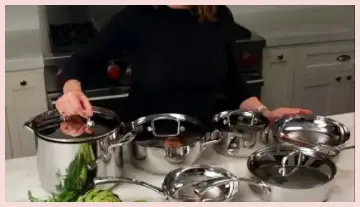
Let me share how these perform in real scenarios.
When I whip up a weeknight stir-fry, the Multiclad Pro’s quick response lets me get high heat fast for that wok-like sear on veggies.
The French Classic takes a bit longer to warm but maintains it better, avoiding overcooking delicate items like shrimp.
For soups and stews, the French Classic’s retention shines—I can lower the heat and let flavors meld without stirring constantly.
The Multiclad needs occasional checks, but its lighter weight makes serving easier.
Baking? Both go oven-to-table, but I’ve preferred the Multiclad for casseroles due to its flared edges preventing spills.
On induction, they’re equals, though the French Classic’s polish makes cleaning fingerprints a chore.
In terms of sticking, preheat properly with oil, and both release food well. I’ve seasoned them like cast iron for better results over time.
Maintenance And Longevity Tips
Keeping these sets in top shape is straightforward. I hand-wash mine despite dishwasher safety to preserve the shine, using Bar Keepers Friend for stubborn bits. Avoid metal scrubbers on the interior to prevent scratches.
For longevity, cool pans before rinsing to prevent thermal shock. I’ve stored them stacked with protectors to avoid dings. With care, both should last decades, justifying the investment.
Which One Should You Choose?
If your budget allows and you want that French flair with robust build, go for the French Classic—it’s my pick for special occasions. For daily reliability without splurging, the Multiclad Pro delivers.
Consider your stove type and cooking frequency; both adapt well, but match to your needs.
Also Read: Comparison Of Cuisinart Multiclad Pro And Tramontina Tri-Ply
Frequently Asked Questions (FAQ)
Is Cuisinart MultiClad Pro any good?
Yes, it’s a reliable tri-ply set with even heating and great value for everyday use.
Which Cuisinart cookware is best?
It depends on needs, but French Classic tops for premium quality, while Multiclad Pro excels in affordability.
Is the Cuisinart MultiClad Pro fully clad?
Yes, it’s tri-ply construction throughout for even heat distribution.
Where is Cuisinart MultiClad Pro made?
China.
Wrapping Up
Reflecting on my time with these sets, I’ve come to appreciate how they elevate simple meals into something special.
You and I both know the right cookware can transform your kitchen experience, making every chop and stir more enjoyable.
Whether you opt for the refined French Classic or the practical Multiclad Pro, you’re investing in tools that last.
Recent Posts
● Interactive 5-Zone Interior & Exterior Paint Blueprint Paint Coverage Calculator: Gallons, Primer, Square Footage & Cost Tap any architectural surface zone on the blueprint...
If you want smooth, shiny hair without spending a fortune on a premium styling tool, the Ella Bella hair dryer may be worth considering.In these Ella Bella hair dryer reviews, I’ll look...