
After spending time comparing cookware materials, cooking performance, and everyday convenience, I can see why Curtis Stone cookware attracts so many home cooks.
I like it most for its approachable design, nonstick cooking surface, and broad range of pots and pans.
If you want cookware that makes routine meals easier without immediately moving into premium-priced territory, I think Curtis Stone cookware is worth considering.
You should buy it if convenient cooking, easy cleanup, and versatile pieces matter more to you than professional-grade durability.
My First Experience With Curtis Stone Cookware
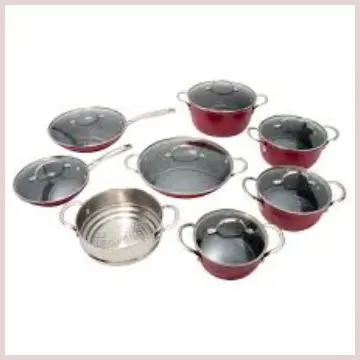
My first impression of Curtis Stone cookware was that it was designed with everyday cooking in mind rather than trying to look overly complicated.
When I use cookware regularly, I want the pan to feel comfortable in my hand, heat reasonably evenly, and release food without requiring excessive oil. Those are the areas where this cookware can be appealing.
The nonstick surface is probably the feature I notice first. When I cook eggs, pancakes, vegetables, fish, or other foods that can cling to a traditional pan, a good nonstick surface makes a noticeable difference.
I can use less oil, move food around more easily, and spend less time scraping the cooking surface afterward.
I also appreciate having different sizes and shapes available. A smaller skillet works well for breakfast or a quick lunch, while a larger frying pan is more practical when I am cooking for several people.
Saucepans and stockpots can handle soups, sauces, pasta, and other meals without forcing me to use one pan for everything.
Heat management is another important factor. I find that cookware needs to respond predictably when I increase or decrease the burner.
Curtis Stone cookware can perform well for ordinary stovetop cooking, although I would not treat it like heavy commercial cookware. For everyday meals, the performance is generally more important to me than having an extremely thick, heavy pan.
The biggest difference comes down to how I use it. If I cook gently, avoid overheating an empty pan, and use appropriate utensils, I can get much more satisfaction from nonstick cookware.
If I treat it roughly, use metal utensils, or regularly expose it to extreme temperatures, I should not expect the coating to remain perfect forever.
That is why my experience is positive overall but realistic. I see Curtis Stone cookware as practical kitchen equipment rather than something I would purchase expecting it to last indefinitely under harsh conditions.
Pros Of Curtis Stone Cookware
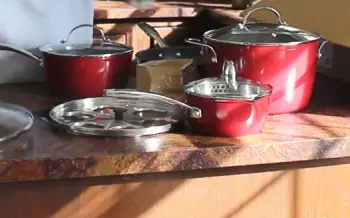
- Effective Nonstick Cooking
The nonstick surface is the biggest reason I would consider Curtis Stone cookware. When it is new and properly cared for, food can release easily.
I particularly appreciate this when cooking delicate foods. Eggs are an obvious example. Fish fillets, pancakes, grilled cheese, and certain vegetables can also benefit from a slick cooking surface.
For you, this means less oil may be necessary. It also means cleanup can be considerably easier than with an uncoated pan.
- Convenient Everyday Performance
I do not need every pan in my kitchen to behave like professional restaurant equipment. Most of my meals are simple: eggs, chicken, vegetables, pasta, rice, sauces, and quick stir-fries.
Curtis Stone cookware fits that kind of routine reasonably well.
The cookware is designed around practical household cooking, so I can see it working especially well for people who want convenience without making their kitchen overly complicated.
- Easy Food Release
Food release matters more than many people realize.
A pan can technically cook food well and still be annoying if half of dinner remains stuck to the bottom. With a functioning nonstick coating, I can flip and remove food more easily.
That is particularly useful when cooking foods that are fragile or prone to breaking apart.
- Easier Cleanup
This is one of my favorite benefits.
After preparing a meal, I would rather spend five minutes cleaning the kitchen than stand over a sink scrubbing burnt residue. Nonstick cookware can reduce that workload substantially.
Usually, warm water, mild dish soap, and a soft sponge are enough for normal cleanup.
- Broad Selection
Curtis Stone cookware is available in multiple formats, which makes it easier to choose pieces according to your cooking habits.
If you mostly make breakfast, a skillet may be enough. If you cook family meals, a larger sauté pan or stockpot may make more sense.
This flexibility is helpful because you do not necessarily have to buy a huge collection.
- Comfortable for Routine Cooking
I prefer cookware that does not feel unnecessarily cumbersome. A pan that is excessively heavy can become tiring when I am moving it around the stove or transferring food.
Curtis Stone pieces can provide a reasonable balance between sturdiness and everyday usability, depending on the specific model.
- Attractive Kitchen Appearance
Cookware is functional, but appearance still matters to me.
Curtis Stone cookware generally has a polished, contemporary appearance that can look good in a modern kitchen. If you leave cookware visible on a rack or open shelf, that visual appeal can be a nice bonus.
Cons Of Curtis Stone Cookware
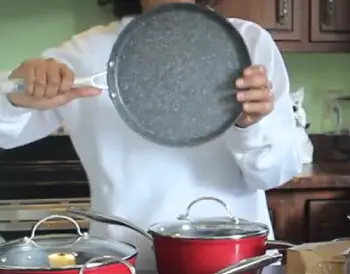
- Nonstick Coatings Require Care
The biggest weakness of any nonstick cookware is that the cooking surface requires proper treatment.
You cannot realistically expect a coated pan to tolerate years of metal utensils, aggressive scrubbing, overheating, and careless storage without showing wear.
I would therefore treat the surface gently from the beginning.
- Not Ideal for Extreme Heat
Nonstick cookware is generally not my first choice when I want extremely high-temperature searing.
If you are the kind of cook who regularly gets a pan screaming hot before searing steaks, you may prefer a suitable stainless-steel, cast-iron, or carbon-steel option for those jobs.
Curtis Stone cookware makes more sense for controlled everyday cooking.
- Durability Depends on Usage
The lifespan of cookware depends heavily on how you use it.
Two people can purchase the same pan and get completely different results. One may carefully use wooden or silicone utensils and gentle cleaning methods, while another may use high heat and abrasive tools every day.
I would not judge durability without considering those habits.
- Some Sets May Include Pieces You Rarely Use
Cookware sets can look attractive because you receive several pieces at once. But I always recommend thinking about your actual cooking habits before buying an entire set.
If you only regularly use two skillets and one saucepan, a large set may leave several pieces sitting unused.
Maintenance For Curtis Stone Cookware
- Keep the Heat Moderate
One of the simplest ways I can protect nonstick cookware is by avoiding unnecessary high heat.
I usually start with a moderate setting and increase it only when needed. An empty pan sitting over a powerful burner can heat very quickly, so I avoid leaving it unattended.
Moderate heat is often enough for eggs, vegetables, pancakes, chicken, and many other everyday foods.
- Use Silicone, Nylon, or Wooden Utensils
Utensils make a huge difference.
I prefer silicone, nylon, or wooden tools when cooking with nonstick cookware. They are much less likely to damage the cooking surface than sharp metal utensils.
You should also avoid cutting food directly inside the pan with a knife.
A small scratch may seem insignificant at first, but repeated damage can gradually compromise the surface.
- Wash Gently
I do not treat the pan like a cast-iron skillet that needs aggressive scrubbing.
After cooking, I allow the cookware to cool appropriately and then wash it with warm water, mild dish soap, and a soft sponge.
If food is stuck, I would rather soak the pan and loosen the residue than attack it with an abrasive pad.
- Avoid Sudden Temperature Changes
Thermal shock can be hard on cookware.
I avoid taking an extremely hot pan and immediately exposing it to very cold water. Allowing cookware to cool more naturally is a simple habit that can help preserve its condition.
- Store Carefully
Storage is often overlooked.
If I stack pans directly on top of one another, I want to make sure the cooking surfaces are protected. A soft separator or suitable protective layer can reduce unnecessary scratching.
This becomes especially important when multiple nonstick pans are stored together.
- Do Not Leave Food Sitting for Excessive Periods
I prefer cleaning cookware relatively soon after use.
Leaving acidic, salty, or greasy food sitting in cookware for long periods is not a habit I recommend. Even when the surface is designed for easy cleaning, timely maintenance keeps the cookware in better condition.
- Inspect the Surface Regularly
I think every cookware owner should occasionally check the cooking surface.
If the coating becomes heavily scratched, begins peeling, or shows significant deterioration, I would stop treating the pan as if it were new.
Cookware is a tool, and knowing when it has reached the end of its useful life is part of responsible kitchen care.
- Avoid Overheating an Empty Pan
This deserves special emphasis.
I never see much benefit in heating an empty nonstick pan aggressively. If I need the pan warm, I use a controlled temperature and begin cooking promptly.
That simple change can help reduce unnecessary stress on the cooking surface.
Curtis Stone Cookware For Different Types Of Cooks
- For Beginners
I think beginners can appreciate this type of cookware because nonstick cooking is relatively forgiving.
When you are learning how much oil to use or how quickly different foods cook, easy food release can reduce frustration.
You can focus on improving your technique instead of fighting with a sticky pan.
- For Busy Families
For a busy household, cleanup matters.
If you are preparing several meals every day, a pan that wipes clean easily can save meaningful time. The convenience becomes more valuable when cooking is part of your daily routine rather than an occasional hobby.
- For Experienced Home Cooks
Experienced cooks may appreciate Curtis Stone cookware as part of a broader kitchen setup.
I would not necessarily use nonstick cookware for every cooking technique. Instead, I would pair it with other materials.
A nonstick skillet can handle eggs and delicate foods, while stainless steel or cast iron can handle tasks requiring intense heat or aggressive browning.
- For Health-Conscious Cooks
If your goal is to reduce the amount of cooking oil you use, nonstick cookware can be helpful.
You can often cook foods with less added fat because the surface reduces sticking. However, I would still focus on proper use and cookware condition rather than assuming any nonstick pan is automatically the perfect choice for every cooking situation.
Comparison Of Curtis Stone With Other Cookware Brands
- Curtis Stone vs. Stainless-Steel Cookware
Stainless steel gives me excellent durability and is particularly useful for browning and high-temperature cooking.
Curtis Stone cookware has the advantage when I want effortless food release and quick cleanup.
If you regularly cook delicate foods, I would lean toward nonstick. If you enjoy searing, browning, and building pan sauces, stainless steel can be more versatile.
- Curtis Stone vs. Cast Iron
Cast iron has a completely different personality.
It is heavy, extremely durable, and capable of retaining substantial heat. I like it for steaks, cornbread, roasting, and dishes that benefit from strong heat retention.
Curtis Stone cookware feels much more convenient for everyday tasks.
If you do not want to lift a heavy pan or spend time maintaining seasoned cookware, a nonstick option can be more comfortable.
- Curtis Stone vs. Ceramic Nonstick
Ceramic-coated cookware can appeal to people who want a different type of nonstick surface.
Curtis Stone cookware may have an advantage for shoppers who prioritize familiar nonstick performance and a broad selection of conventional cookware designs.
The real question for you is not simply which coating sounds better. It is how you cook, how carefully you maintain the pan, and how long you expect the cooking surface to perform.
- Curtis Stone vs. Premium Cookware
Premium cookware can offer more refined construction, stronger materials, and potentially greater long-term durability.
However, higher price does not automatically mean better for every person.
If I mainly cook simple meals at home, I may not need extremely expensive cookware. Curtis Stone can make more sense when convenience and value are higher priorities than professional-level construction.
Also Read: Comparison Of Calphalon Premier And Signature
Frequently Asked Questions (FAQ)
I would avoid pans with badly damaged coatings, severe warping, or questionable construction.
There is no single best brand for everyone. The right choice depends on material, cooking style, durability, and budget.
I would check the exact cookware model and its current material and coating specifications rather than making a blanket claim about every Curtis Stone piece.
There is no universally accepted number-one cookware brand. Performance depends on the material and how you intend to use it.
Conclusion
After looking at the practical side of Curtis Stone cookware, I think it is a worthwhile choice for people who value convenient nonstick cooking, easy cleanup, and everyday versatility. I would buy it if I wanted practical cookware for regular home meals rather than heavy-duty professional equipment. You should consider Curtis Stone cookware if you are willing to care for the nonstick surface properly and use moderate heat. For convenience-focused home cooking, it offers a useful combination of performance, comfort, and value.
Recent Posts
I tried Meltoway Hair Dissolving Cream because I wanted a quick way to deal with unwanted body hair without reaching for a razor every few days. If you are looking for a convenient at-home...
If you’re considering a saffron-based supplement to support mood, appetite control, and everyday wellness, Happy Saffron Plus is worth considering.I like that it takes a familiar botanical...