
If you’re thinking about buying Diurex water pills, you’re probably dealing with uncomfortable water retention, bloating, or that heavy, sluggish feeling that just won’t go away.
I’ve been there too, and I know how tempting it is to reach for a quick fix.
While these pills are widely available and promise fast relief, my experience—and what I’ve found from others—suggests you should pause before making a purchase.
In this article, I’ll walk you through exactly what happened when I tried them, what works, what doesn’t, and whether they’re truly worth your money.
My First Experience With Diurex Water Pills

When I first bought Diurex water pills, I was honestly hopeful. I had been feeling bloated for days, and my clothes were fitting tighter than usual.
Like you, I wanted something that would work quickly without too much hassle. The packaging made bold promises about relieving water retention and helping you feel lighter fast, and I’ll admit, I bought into that.
The first time I took the pill, I didn’t notice much within the first couple of hours. But after a while, I did start making more frequent trips to the bathroom.
That’s when I realized the product was actually doing something—it was increasing urine output, which is exactly what a diuretic is supposed to do. At first, this felt like a win. I thought, “Okay, maybe this is working.”
However, things didn’t stay positive for long. Alongside the increased urination, I started to feel slightly dizzy and a bit dehydrated.
My mouth felt dry, and I had this odd sense of fatigue that wasn’t there before. I tried drinking more water to compensate, but that almost defeated the purpose of taking a water pill in the first place.
Over the next few days, I experimented with timing and dosage (within recommended limits), hoping I could find a balance.
But the results remained inconsistent. Some days, I felt a slight reduction in bloating. Other days, it felt like nothing had changed except that I was running to the bathroom more often.
What really stood out to me was that the effects didn’t feel sustainable. It wasn’t addressing the root cause of my bloating or water retention—it was just temporarily flushing out fluids.
Once I stopped taking the pills, the bloating gradually came back.
If you’re expecting a long-term solution, this might disappoint you. From my experience, it felt more like a short-term patch with noticeable downsides. And based on similar feedback from other users, my experience wasn’t unique.
What Are Diurex Water Pills And How Do They Work?
Before you decide whether to use them, it helps to understand what Diurex water pills actually do.
These are over-the-counter diuretics designed to reduce excess water in your body by increasing urine production.
The active ingredient commonly used is pamabrom, which works by helping your kidneys eliminate sodium and water.
In simple terms, they don’t burn fat or help with weight loss in the way many people assume. What they do is temporarily reduce water weight.
That means if you’re looking for a slimmer appearance for a short time, you might notice a difference. But it’s not a lasting change.
You and I both need to remember that water retention can be caused by various factors—diet, hormones, lifestyle, or even underlying health issues. A pill like this doesn’t solve those root problems. It just manages the symptom for a while.
Pros Of Diurex Water Pills
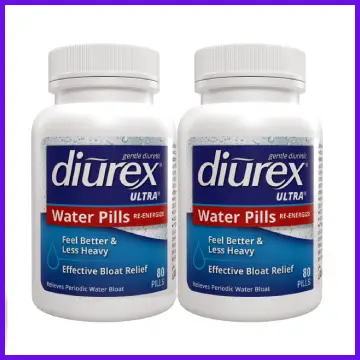
- Quick Temporary Relief From Bloating
One thing I can’t deny is that Diurex can provide fast, short-term relief.
If you’re dealing with mild bloating, you might notice a slight reduction within a few hours.
That immediate effect can feel satisfying, especially if you have an event or situation where you want to feel less puffy.
From a user perspective, this is probably the biggest advantage. You take a pill, and within the same day, you may feel lighter.
But as you’ll see, this benefit comes with trade-offs.
- Easy to Access Without Prescription
You don’t need a doctor’s prescription to buy Diurex, which makes it convenient.
You can find it in most pharmacies or online.
That accessibility is appealing when you want a quick fix and don’t want to go through a medical consultation.
For someone like me, that convenience was a big factor in trying it out. You can simply walk in, buy it, and start using it the same day.
- Simple Usage and Clear Instructions
The instructions are straightforward, and you don’t need to follow a complicated routine. You just take the recommended dose with water.
There’s no complicated preparation, no mixing, and no timing around meals that’s too strict.
This simplicity makes it beginner-friendly. If you’re new to diuretics, you won’t feel overwhelmed.
- May Help With Mild Water Retention
In cases of minor fluid retention—like premenstrual bloating or occasional puffiness—it can provide some relief. If your issue is temporary, you might find it somewhat helpful.
However, this is where you need to be realistic. It works best in very mild cases. Anything more persistent or severe likely won’t respond as well.
Cons Of Diurex Water Pills

- Effects Are Short-Lived
The biggest downside I experienced was how temporary the results were. You might feel better for a few hours or a day, but the bloating often returns once the effect wears off.
If you’re like me and hoping for a lasting solution, this can be frustrating. You end up in a cycle of taking pills just to maintain the same effect.
- Risk of Dehydration
This was one of the most noticeable issues for me. Increased urination means your body is losing fluids quickly.
If you don’t keep up with hydration, you can feel dizzy, weak, or even develop headaches.
Balancing hydration while taking a water pill is tricky. Drink too little, and you feel dehydrated. Drink too much, and you counteract the pill’s effect.
- Possible Side Effects
I personally experienced mild dizziness and fatigue, but side effects can vary. Some users report:
- Headaches
- Muscle cramps
- Increased thirst
- Nausea
These aren’t severe for everyone, but they’re common enough to be concerning.
- Doesn’t Address Root Causes
This is a major limitation. If your water retention is caused by diet, hormones, or health conditions, Diurex won’t fix that. It only masks the symptom temporarily.
From an analytical point of view, this makes it a weak long-term solution.
- Not Ideal for Regular Use
Using diuretics frequently isn’t recommended without medical guidance. Overuse can disrupt your body’s electrolyte balance, which can lead to more serious issues over time.
This alone makes me hesitant to recommend it to you as part of a routine.
Tips For Diurex Water Pills
- Stay Consistently Hydrated
Even though you’re trying to reduce water retention, you still need to drink enough fluids.
When I didn’t hydrate properly, I felt noticeably worse. Aim for steady hydration throughout the day rather than drinking large amounts at once.
- Limit Sodium Intake
High salt intake is one of the main causes of water retention. If you’re taking Diurex but still eating salty foods, you’re working against yourself.
Reducing sodium made a bigger difference for me than the pills alone.
- Avoid Daily Dependency
It’s tempting to rely on a quick fix, but try not to make it a habit. Use it occasionally if needed, not as a daily solution. Your body functions best when it maintains its natural fluid balance.
- Monitor Your Body’s Response
Pay attention to how you feel. If you notice dizziness, fatigue, or any unusual symptoms, stop using it. Your body gives signals when something isn’t right, and it’s important to listen.
- Combine With Lifestyle Adjustments
Light exercise, balanced diet, and proper sleep can naturally reduce bloating. I found that even simple changes like walking regularly and cutting processed foods had a more lasting impact than the pills.
- Consult a Healthcare Professional if Needed
If your water retention is frequent or severe, it’s better to get medical advice. There could be an underlying cause that needs proper treatment rather than a temporary fix.
Comparison Diurex Water Pills With Other Brands
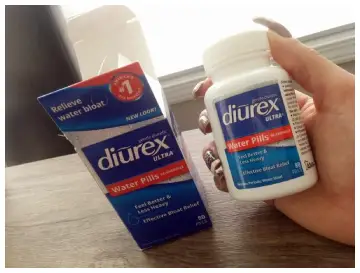
- Diurex vs Herbal Diuretic Supplements
One of the most common alternatives you’ll come across is herbal-based water pills.
These often include ingredients like dandelion, green tea, cranberry, and apple cider vinegar—many of which are actually used in Diurex’s own “drug-free” version.
From my experience, this is where things get interesting.
With Diurex (especially the standard versions), the effect feels more aggressive. It pushes your body to urinate more quickly, which can lead to that immediate “lighter” feeling.
But it also increases the chances of dehydration, fatigue, and that drained sensation I personally didn’t enjoy.
Herbal options, on the other hand, tend to work more gradually. You don’t feel that sudden flush, but you also don’t feel like your energy has been wiped out. When I tried herbal alternatives, I noticed:
- Less urgency to run to the bathroom
- Fewer side effects like dizziness
- A more balanced, subtle reduction in bloating
But here’s the trade-off—you need patience. Herbal supplements won’t give you that same-day dramatic effect. If you’re expecting instant results, you might feel disappointed.
So if you’re like me and you value comfort and sustainability over speed, herbal options feel like the safer direction. But if you’re chasing quick, visible results (even temporarily), Diurex feels more “noticeable,” though not necessarily better.
- Diurex vs Prescription Diuretics
Now this is where the comparison becomes more serious.
Prescription diuretics are typically used for medical conditions like high blood pressure, heart issues, or severe fluid retention. They are stronger, more targeted, and most importantly—monitored by a doctor.
Diurex, by contrast, is an over-the-counter option. It works by increasing urination to remove excess water from your body. But it doesn’t come with medical supervision, which is both its advantage and its biggest weakness.
Here’s what I noticed when comparing the two:
- Prescription diuretics are designed to treat underlying conditions
- Diurex only addresses surface-level symptoms like bloating
- Medical options are carefully dosed and monitored
- Diurex leaves you guessing how your body will react
From an analytical point of view, this makes Diurex feel like a temporary workaround rather than a solution. You’re essentially managing the symptom without understanding the cause.
If your water retention is frequent or severe, relying on something like Diurex instead of getting proper medical advice can actually delay real treatment. And honestly, that’s not a risk I’d suggest you take.
- Diurex vs Other OTC Water Pills
This is probably the most relevant comparison if you’re browsing online or in a pharmacy.
Many over-the-counter water pills use similar mechanisms—some rely on pamabrom (the same type of diuretic used in Diurex), while others combine caffeine or herbal blends. Some versions of Diurex even include caffeine and pain relievers to target menstrual symptoms like cramps and fatigue.
Also Read: Is Dr. Comfort Zone Cat Diffuser Worth It?
Frequently Asked Questions (FAQ)
Yes, they do work in the sense that they increase urination and help reduce water retention temporarily. However, the effect is short-lived and doesn’t solve underlying issues.
In my experience, you may start noticing effects within a few hours. The exact timing can vary depending on your body and hydration level.
Common side effects include dizziness, dehydration, headaches, fatigue, and increased thirst. Some people may also experience muscle cramps or mild nausea.
The main downsides are temporary results, risk of dehydration, and not addressing the root cause of water retention. Overuse can also disrupt your body’s natural balance.
Wrapping up
If you’re looking for a quick, short-term fix for mild bloating, you might be tempted to try Diurex water pills.
I understand the appeal—I tried them for the same reason. But based on my experience and overall analysis, I wouldn’t recommend them as a reliable solution.
The temporary relief doesn’t outweigh the downsides like dehydration, side effects, and lack of lasting results.
You’re better off focusing on sustainable habits that actually address the root cause of the problem.
Recent Posts
I tried Meltoway Hair Dissolving Cream because I wanted a quick way to deal with unwanted body hair without reaching for a razor every few days. If you are looking for a convenient at-home...
If you’re considering a saffron-based supplement to support mood, appetite control, and everyday wellness, Happy Saffron Plus is worth considering.I like that it takes a familiar botanical...