
If you’re searching for a dependable baby formula that mixes easily, supports comfortable feeding, and gives you several options to choose from, Dr. Brown’s formula is worth considering.
I like that the range is designed around different feeding needs rather than offering just one standard option.
While every baby responds differently to formula, I’d recommend giving Dr. Brown’s a closer look if you want a practical choice from a familiar baby-feeding brand.
My First Experience With Dr. Brown’s Formula

When I first looked at Dr. Brown’s formula, what caught my attention was the variety.
Instead of assuming every baby needs exactly the same thing, the brand offers different formula types intended for different feeding situations.
That matters because choosing formula can feel surprisingly complicated.
You might start by looking for something simple, then suddenly find yourself comparing ingredients, protein sources, carbohydrates, added nutrients, preparation instructions, and specialty formulas.
I wanted something that felt straightforward without sacrificing the nutritional basics a baby needs.
My experience with Dr. Brown’s formula was generally positive. I found the preparation process fairly familiar compared with other powdered formulas.
Following the mixing instructions carefully made a noticeable difference. I also appreciated how the formula fit naturally into a feeding routine rather than requiring an elaborate process.
One thing I paid attention to was how my baby handled it. Formula tolerance is highly individual. A product that works beautifully for one baby can cause gas, constipation, spit-up, or general fussiness in another.
I therefore looked at the overall feeding experience rather than expecting the formula itself to solve every problem.
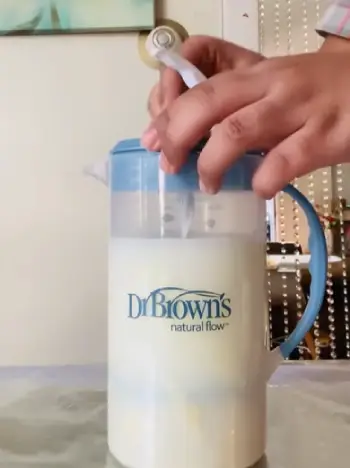
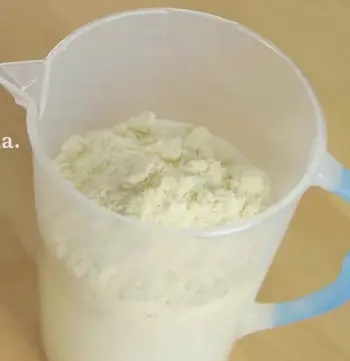
The texture and mixing experience were also important to me. Nobody wants clumps floating around in a bottle, especially when a hungry baby is waiting. When prepared correctly, I found the formula reasonably easy to incorporate into the bottle.
I also liked the flexibility of having different formulations available. If your baby has a particular feeding concern, you can discuss the appropriate type with your pediatrician instead of randomly switching between products.
That said, I wouldn’t tell every parent to buy Dr. Brown’s formula automatically. Babies have individual nutritional and digestive needs, and formula selection should take those needs into account.
My biggest takeaway is simple: Dr. Brown’s formula can be a practical option for parents who want a recognizable formula line with multiple choices, but your baby’s tolerance should ultimately guide the decision.
Pros Of Dr. Brown’s Formula
- Wide Range of Formula Options
One of the biggest advantages I noticed is the variety. Parents aren’t limited to a single formulation, which can be helpful when a baby has different feeding requirements.
I like having options because babies aren’t identical. One baby may do perfectly well with a standard formula while another may require a specialized product under professional guidance.
- Convenient Everyday Feeding
I found Dr. Brown’s formula reasonably convenient for everyday feeding. Once I had the preparation routine established, making bottles became predictable.
That predictability matters when you’re feeding a baby several times a day. I don’t want complicated preparation instructions turning every bottle into a project.
- Familiar Feeding Brand
Dr. Brown’s is already well known for baby bottles and feeding accessories. If you already use products from the brand, using its formula may feel like a natural extension of your feeding setup.
I appreciate that kind of consistency, particularly when you’re trying to keep baby-care routines organized.
- Designed Around Infant Nutritional Needs
The formula is designed as infant nutrition rather than simply a general powdered drink. That distinction is important.
I wouldn’t compare infant formula to ordinary nutritional products because babies have specific nutritional requirements. The formulation needs to provide appropriate amounts of essential nutrients for infant development.
- Easy to Incorporate Into a Routine
For me, a good formula needs to work with real life. I need to be able to prepare it during a busy morning, late at night, or while traveling without unnecessary complications.
Dr. Brown’s formula can fit into that type of routine when prepared according to the instructions.
- Different Needs Can Be Addressed
Having different formulations can be useful when a pediatrician recommends a particular type of formula.
Instead of treating all babies exactly the same, the range recognizes that feeding requirements can differ. That flexibility is a meaningful advantage.
- Practical Packaging
I also appreciate packaging that allows me to store and measure powdered formula without creating unnecessary mess. This sounds minor until you’re preparing multiple bottles every day.
The easier it is to scoop, close, store, and organize formula, the more convenient the feeding routine becomes.
- Reasonable Overall Feeding Experience
My overall impression is that Dr. Brown’s formula can provide a smooth everyday feeding experience when the selected formulation agrees with the baby.
Of course, no formula can guarantee that every baby will tolerate it perfectly. Still, I consider the combination of nutritional formulation, available options, and practical preparation to be strong points.
Cons Of Dr. Brown’s Formula
- Not Every Formula Works for Every Baby
This is probably the most important limitation. Your baby may not tolerate a particular formula even if another baby does wonderfully with it.
Signs such as persistent digestive discomfort, unusual stool changes, excessive vomiting, or other concerning symptoms deserve attention from a pediatrician.
- Choosing Between Formulas Can Be Confusing
The variety that I consider a benefit can also become a drawback.
When you see multiple formulations, it can be difficult to know which one is appropriate. I don’t recommend choosing solely because one package looks more appealing or because someone online had a good experience.
- Formula Can Be Expensive
Infant formula is a recurring expense, and costs can add up quickly. Depending on the formulation and how much your baby consumes, your monthly spending may become significant.
I always recommend considering the ongoing cost rather than looking only at the price of one container.
- Preparation Must Be Done Carefully
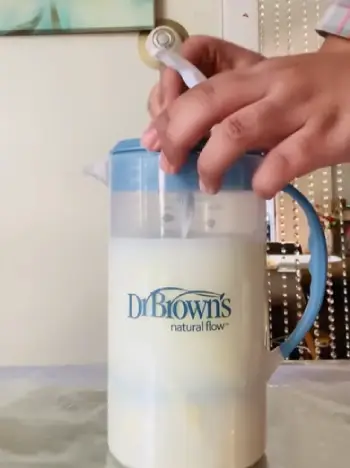
Powdered infant formula isn’t something I treat casually. Accurate measurement and safe preparation are essential.
Adding too much or too little powder can affect the concentration of the prepared feed. I therefore follow the manufacturer’s preparation directions carefully rather than estimating measurements.
- Specialty Formulas May Need Professional Guidance
If you’re considering a specialty formulation because your baby has digestive or allergy-related symptoms, I would speak with a pediatrician first.
Changing formula repeatedly without identifying the underlying issue can make it harder to determine what’s actually helping.
Maintenance Tips For Dr. Brown’s Formula
- Follow the Preparation Instructions Exactly
This is my number-one rule. I measure water and powder according to the instructions rather than using guesswork.
I also use the appropriate measuring scoop and avoid casually changing the concentration because I think a thicker or thinner bottle might be better.
- Keep Feeding Equipment Clean
Bottle hygiene is just as important as formula selection.
I wash bottles, nipples, caps, and other feeding components thoroughly and follow appropriate sterilization guidance for my baby’s age and circumstances.
A great formula can’t compensate for poor bottle hygiene.
- Store Formula Properly
I keep powdered formula in an appropriate, dry storage area and close the container securely after each use.
Moisture can affect powdered formula, so I avoid leaving the container open while preparing bottles.
- Check the Container Before Use
Before preparing a bottle, I check the packaging and formula condition. If the container appears damaged or the powder looks unusual, I don’t take chances.
For something intended for an infant, I prefer being overly cautious.
- Prepare Only What You Need
I try not to prepare excessive amounts simply to avoid waste. Formula storage and use should follow the manufacturer’s instructions carefully.
When you’re caring for a baby, it can be tempting to save everything, but food safety needs to come first.
- Watch Your Baby’s Response
I don’t judge a formula by advertisements. I watch my baby’s feeding behavior, digestion, stool patterns, comfort, and overall response.
If something seems consistently wrong, that’s a reason to speak with a pediatrician rather than continuously experimenting with formulas.
- Introduce Changes Carefully
When changing formulas, I prefer having a clear reason for doing so. If the change is recommended by a healthcare professional, I follow their guidance.
Rapidly switching between several products can make it difficult to understand which formula is actually working.
- Keep Track of Feeding Patterns
A simple feeding record can be surprisingly helpful. I can note how much my baby drinks, how frequently feeding happens, and whether digestive symptoms appear.
That information can also give a pediatrician a clearer picture if concerns develop.
Comparison Of Dr. Brown’s Formula With Other Brands
- Dr. Brown’s vs. Similac
Similac has a broad selection of infant formulas and specialized options, so it can compete strongly with Dr. Brown’s in terms of variety.
What I find interesting is that both brands offer parents multiple formulations rather than forcing every baby into one standard choice. The right option depends more on the baby’s needs than on brand loyalty.
- Dr. Brown’s vs. Enfamil
Enfamil is another major name in infant formula. It offers numerous formulations designed around different nutritional and feeding needs.
When I compare it with Dr. Brown’s, I focus on the exact formulation rather than simply asking which brand is better. Ingredient differences, preparation, cost, availability, and baby’s tolerance all matter.
- Dr. Brown’s vs. Gerber
Gerber has long been associated with infant nutrition and offers formula choices for different stages and needs.
I would compare individual products carefully because formulas within the same brand aren’t interchangeable. For me, the most important factor is whether the selected product fits my baby’s nutritional requirements and feeding response.
- Dr. Brown’s vs. Enfamil NeuroPro
When comparing specific premium-oriented formulations, I pay attention to the complete nutrient profile rather than one highlighted ingredient.
A higher-priced product isn’t automatically better for every baby. If my baby tolerates an appropriate formulation well, I wouldn’t switch simply because another package makes broader claims.
- Dr. Brown’s vs. Store-Brand Formula
Store-brand formulas can be attractive because of their lower price. They may also follow applicable nutritional and safety standards.
This is where I would compare the actual formulation, cost per prepared ounce, availability, and my baby’s response. Saving money can be valuable, but I wouldn’t make price the only deciding factor.
Is Dr. Brown’s Formula Worth Buying?
In my view, Dr. Brown’s formula is worth considering if you want a reputable baby-feeding brand with multiple formula options and a practical preparation routine.
I wouldn’t call it universally perfect because no infant formula can work identically for every baby.
What makes it appealing to me is the balance between choice, convenience, and infant-focused nutrition. If your baby tolerates the selected formulation well and the price fits your budget, there’s a good reason to keep it in your shortlist.
The smartest approach is to choose based on your baby’s needs rather than assuming the most expensive or most heavily marketed option must be best.
Also Read: Is Nutramigen Hypoallergenic Formula Worth It?
Frequently Asked Questions (FAQ)
There isn’t one universal #1 formula. Pediatricians recommend based on the baby’s individual needs.
The healthiest choice is an age-appropriate, nutritionally complete formula your baby tolerates well.
Different Kardashian family members have discussed different infant-feeding choices, so there isn’t one confirmed family-wide formula.
No formula is identical to breast milk, but some are designed to provide a nutritional profile suitable for infants.
Wrapping Up
After considering the formulation choices, everyday convenience, preparation, and potential drawbacks, I think Dr. Brown’s formula deserves consideration from parents searching for a dependable infant formula.
I especially like the range of options and practical feeding experience. If you’re ready to buy, choose the formulation that matches your baby’s age and needs, and talk with your pediatrician if you have feeding concerns.
For me, that combination of thoughtful selection and careful preparation makes Dr. Brown’s a worthwhile choice.
Recent Posts
I look at brake calipers as one of those parts where price matters, but dependable stopping performance matters more.After examining the A-Premium brake caliper as an aftermarket replacement, I...
Michelin Guardian Wiper Blades Review: Are They Worth Buying?
After testing and comparing windshield wipers, I found Michelin Guardian Wiper Blades worth considering if you want dependable everyday wiping without paying for a premium blade.The flexible...