
I spent weeks testing both the Dremel 8240 and 8250 side by side on wood, metal, plastic, and tile projects so I could settle which cordless rotary tool actually delivers for everyday work.
My goal here is simple: give you a clear, real-world comparison so you can pick the right one without second-guessing your budget or the jobs you face most often.
| Feature | Dremel 8240 | Dremel 8250 |
| Motor type | Brushed | Brushless |
| Battery | 12V 2.0 Ah | 12V 3.0 Ah |
| Speed range | 5,000–35,000 RPM | 5,000–30,000 RPM |
| Weight (with battery) | About 23.3 oz | About 20.5 oz |
| Charge time | Around 65 minutes | Around 95 minutes |
| Display / indicators | LED battery indicator | Digital display + overload warnings |
| Power under load | Solid for most tasks | Noticeably stronger torque |
| Runtime | Good for moderate sessions | Roughly double the previous top cordless |
| Price range (kit) | Lower | Higher |
| Accessory change | EZ Twist nose cap | EZ Twist nose cap |
Key Differences Between The Dremel 8240 And 8250
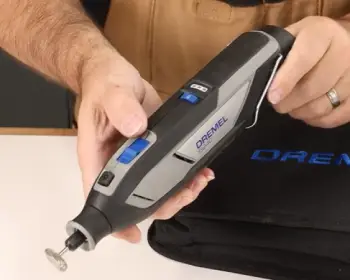
- Motor technology: The 8240 relies on a traditional brushed motor that performs reliably for lighter carving, polishing, and everyday household repairs, yet it generates more heat and shows gradual wear when pushed hard for long stretches.
The 8250 uses a brushless motor that runs cooler, wastes less energy as heat, and maintains consistent torque even when the bit is buried in dense material, which translates into smoother cuts and longer overall tool life under demanding conditions.
- Battery capacity and runtime: The 8240 comes with a 2.0 Ah pack that handles a typical evening of mixed light work without trouble, but continuous heavy cutting or sanding forces earlier battery swaps.
The 8250’s 3.0 Ah battery stretches usable time dramatically, often letting me finish an entire afternoon of metal cutting and hardwood sanding on a single charge while still leaving reserve power for final polishing passes.
- Top speed versus sustained power: The 8240 climbs to 35,000 RPM and feels lively during fine engraving or high-speed polishing of soft metals.
The 8250 caps at 30,000 RPM yet holds that speed far more steadily once load increases, so actual material removal rates on thick bolts, dense maple, or aluminum often favor the 8250 even though the maximum number on the dial is lower.
- Weight and balance: Once the battery is locked in place the 8250 sits slightly lighter and better balanced in the hand, reducing wrist fatigue during overhead or vertical work that lasts more than twenty or thirty minutes.
The 8240 remains comfortable for shorter sessions but the extra ounces become noticeable when I spend an hour detailing ceilings, cabinets, or large sculptural pieces.
- Feedback and controls: The 8240 offers a straightforward LED battery indicator that shows remaining charge at a glance.
The 8250 adds a clear digital display that reports exact speed along with red warning lights that flash when the tool approaches overload or high temperature, giving me early warning so I can ease pressure or pause before accessories overheat or the motor stalls.
- Price and kit value: The 8240 enters at a lower price point and still delivers full cordless convenience plus complete accessory compatibility, making it attractive for occasional users.
The 8250 costs more up front yet includes the larger battery and stronger motor, so the extra investment often pays back through fewer interruptions and longer service life if the tool sees regular heavy use.
Key Features Of The Dremel 8240
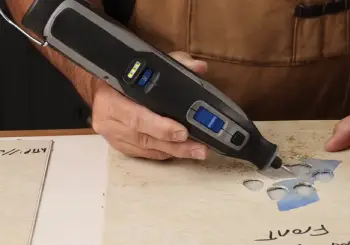
- Variable speed from 5,000 to 35,000 RPM: I can drop the speed low for controlled polishing of soft metals or climb high for clean, fast cuts in thin sheet stock and plastic, covering nearly every accessory in my collection without feeling limited by the range.
- 12V 2.0 Ah lithium-ion battery: The removable pack delivers solid runtime for weekend projects and accepts certain Bosch 12V batteries, which is a quiet advantage if that system already lives in the shop and reduces the need to buy extra dedicated packs.
- EZ Twist nose cap: Accessory changes happen in seconds without searching for a separate wrench, letting me swap cut-off wheels, sanding drums, and polishing bits mid-project while keeping momentum and focus on the work itself.
- Soft rubber grip and separate on/off switch: The textured grip stays secure even when hands are dusty or slightly oily, and the dedicated power switch allows me to set the preferred speed once and leave it alone while starting and stopping the tool as needed.
- LED battery indicator: A quick look at the light tells me remaining charge before I begin a critical cut or long sanding pass, eliminating the surprise of the tool dying halfway through a sequence.
- Full compatibility with Dremel attachments: Flex shafts, cutting guides, shaping platforms, and detail grips all mount cleanly, so any existing Dremel accessories I already own transfer straight over without adapters or compromise.
Pros Of The Dremel 8240
- Lower purchase price: The entry cost stays accessible, letting hobbyists and occasional users gain true cordless freedom without stretching the tool budget or sacrificing core performance for typical craft and light repair work.
- Higher maximum RPM: The extra top-end speed shines during fine polishing, light engraving, and any task where pure rotational velocity helps produce a smoother finish on softer materials.
- Faster charge time: Roughly sixty-five minutes returns a depleted pack to full, so a lunch break or short pause often restores enough power to finish the afternoon without needing a second battery on hand.
- Lighter on the wallet for a second battery: Spare 2.0 Ah packs cost less than the larger ones, making it practical to keep a charged backup ready for longer days without a large extra investment.
- Compatible with some Bosch batteries: Existing Bosch 12V packs can often power the tool, which reduces the total number of batteries a mixed-system shop needs to own and charge.
- Still accepts every standard Dremel attachment: No loss of versatility occurs; the same flex shafts, guides, and platforms I already own work exactly as they do on higher-end models.
Cons Of The Dremel 8240
- Brushed motor wears faster under heavy use: Extended aggressive grinding or continuous high-load cutting produces more heat and gradually reduces the motor’s punch, shortening the interval before noticeable performance drop appears.
- Shorter runtime: Continuous heavy work drains the 2.0 Ah pack sooner, forcing more frequent battery changes that interrupt workflow on larger projects.
- Less torque when the bit is buried: Dense hardwood sanding and thick metal cuts cause the speed to fall off more noticeably, requiring lighter pressure or multiple passes to achieve the same result the 8250 manages in one.
- Basic battery indicator only: Without digital speed feedback or overload warnings I must rely more on sound and feel, which increases the chance of overheating accessories during aggressive sessions.
- Slightly heavier feel during overhead work: The extra ounces become apparent after thirty or forty minutes of vertical or ceiling work, adding mild fatigue that the lighter 8250 avoids.
Key Features of the Dremel 8250
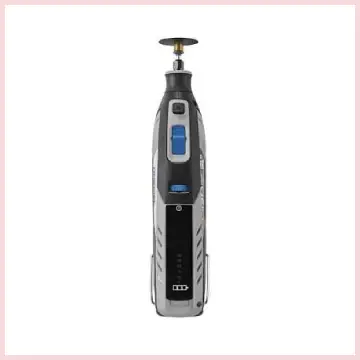
- Brushless motor: The design produces higher sustained torque and less heat, so the tool keeps spinning at the selected speed even when I lean into hard aluminum or thick hardwood, resulting in cleaner cuts and less operator fatigue over long sessions.
- 12V 3.0 Ah high-capacity battery: Runtime stretches far enough that I routinely complete multi-hour mixed projects without stopping to swap packs, and the extra capacity proves especially valuable during continuous flex-shaft carving or extended metal grinding.
- Digital display with speed readout and warning lights: Exact RPM numbers appear clearly so I can lock in repeatable settings, while the overload and temperature warnings give me time to back off pressure before bits burn or the motor protects itself by shutting down.
- Variable speed 5,000–30,000 RPM: Although the ceiling sits lower than the 8240, the motor’s ability to hold speed under load more than compensates during demanding material removal, producing faster overall progress on tough jobs.
- Soft grip and balanced design: The tool feels planted and controlled even with the larger battery attached, reducing the wrist strain that builds during prolonged detail work or overhead operations.
- EZ Twist system and full accessory compatibility: The same quick-change nose cap and broad attachment support mean I can move freely between both tools and every standard Dremel accessory without learning new techniques or buying special adapters.
Pros Of The Dremel 8250
- Brushless motor delivers consistent power: Speed stays steady even under firm pressure, producing cleaner cuts in rebar, aluminum, and dense maple while reducing the need to ease off and restart.
- Much longer runtime: One charge routinely carries me through multi-hour mixed sessions that would require two or more swaps on the 8240, keeping momentum and reducing downtime.
- Digital feedback keeps me informed: Exact speed numbers and early visual warnings about overload or heat let me protect both the tool and the accessories, extending bit life and preventing unexpected stalls.
- Lighter overall package: Better balance and lower weight reduce hand and wrist fatigue during long carving or detailing sessions, making all-day use more comfortable.
- Stronger performance on demanding materials: Metal, thick plastic, and hardwood all remove faster and with less effort, turning formerly frustrating jobs into straightforward ones.
- Longer expected motor life: Fewer wearing parts and cooler operation mean the tool should maintain its original power and reliability through years of regular shop use.
Cons Of The Dremel 8250
- Higher upfront cost: The price difference is real and can feel steep if the tool only leaves the case a few times each month for light craft work.
- Slightly lower maximum RPM: Pure high-speed polishing or delicate engraving that benefits from the absolute highest rotation sometimes favors the 8240’s extra 5,000 RPM.
- Longer charge time: Nearly ninety-five minutes for a full recharge makes a second battery more important for uninterrupted all-day sessions.
- Extra features may be overkill for light users: The digital display and extra power sit largely unused if most projects involve only occasional soft-material work or short polishing sessions.
Real-World Performance Across Common Jobs
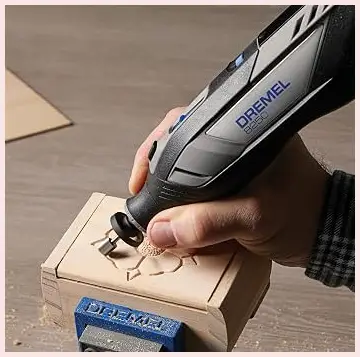
I ran both tools through identical sequences: cutting ¼-inch lag bolts, sanding maple edges, engraving soft aluminum, polishing brass, and carving basswood.
The 8250 produced cleaner, faster metal cuts and held speed better during aggressive sanding.
The 8240 matched it closely on lighter wood work and high-speed polishing and sometimes felt more lively at the extreme top end of the dial.
For mixed shop use the 8250 simply required fewer stops and less operator effort.
Battery differences appeared clearly during continuous flex-shaft carving. The 8240 delivered a solid half-hour of steady work before power tapered.
The 8250 stretched past fifty minutes with usable torque still available. Heat management also favored the 8250; after the same duration of heavy grinding the housing remained noticeably cooler.
Ergonomics matter on long days. Both grips feel secure, yet the 8250’s better balance and lower weight made extended detail sessions easier on the wrist.
The digital screen further helped by letting me lock exact speeds for consistent results across multiple identical parts.
Accessory changes felt identical thanks to the shared EZ Twist system. I moved the same cut-off wheels, sanding drums, and polishing bits between both tools without fit issues.
Attachment compatibility remains complete on both models, so existing flex shafts, guides, and platforms transfer without friction.
Who Should Choose the 8240?
If your projects stay mostly light to medium—jewelry, model making, occasional home repairs, or craft work—the 8240 offers excellent value.
The higher top speed and lower price make it an easy recommendation for hobbyists who want cordless freedom without paying for power they rarely need.
The ability to share batteries with certain Bosch tools adds quiet convenience if that platform already sits in the shop.
Who Should Choose the 8250?
Anyone who regularly cuts metal, sands dense wood, or runs the tool for long continuous sessions will notice the difference immediately.
The brushless motor, larger battery, and better feedback turn demanding jobs into less frustrating ones.
If the tool is a weekly or daily driver rather than an occasional helper, the extra cost pays for itself in time saved and fewer battery swaps.
Also Read: Is Resparked Customizer Engraving Pen Worth It?
Frequently Asked Questions (FAQ)
The 8260 is essentially the 8250 with added Bluetooth and app connectivity. The 8240 uses a brushed motor and smaller battery, while both the 8250 and 8260 share the brushless motor and larger battery.
Yes. It is currently one of the strongest cordless rotary tools Dremel offers, with excellent runtime and consistent power under load.
For lighter and moderate use it is a solid, affordable choice that still delivers real cordless convenience and full accessory compatibility.
It depends on your workload. Heavy or frequent users will prefer the 8250 or 8260. Occasional users often find the 8240 more than enough.
Final Thoughts
After living with both tools I keep reaching for the 8250 when the work gets serious. The extra runtime and torque simply make hard jobs less of a fight.
Still, the 8240 remains a smart buy if your projects stay lighter or your budget is tighter.
You now have the side-by-side details, the real differences that matter on the bench, and a clear sense of which tool matches the way you actually work.
Recent Posts
● Interactive 5-Zone Interior & Exterior Paint Blueprint Paint Coverage Calculator: Gallons, Primer, Square Footage & Cost Tap any architectural surface zone on the blueprint...
If you want smooth, shiny hair without spending a fortune on a premium styling tool, the Ella Bella hair dryer may be worth considering.In these Ella Bella hair dryer reviews, I’ll look...