
I decided to compare Dura Lube and Cataclean after my own high-mileage truck started throwing a P0420 code and losing power.
My goal here is to share what I learned from using both products. This breaks down how each works on carbon buildup.
It covers emissions. It covers overall engine feel. You can decide which one fits your situation. This avoids wasting money on a full catalytic converter replacement.
| Feature | Dura Lube Severe Catalytic and Exhaust Treatment | Cataclean Fuel & Exhaust System Cleaner |
| Primary Focus | Severe carbon deposits and oil-related contamination in the catalytic converter and exhaust | Full fuel system, injectors, oxygen sensors, cylinder heads, and catalytic converter |
| Application Method | Pour entire bottle into fuel tank (around 16 gallons) | Pour into quarter-full tank, then drive |
| Claimed Duration | Up to 5,000 miles or 3 months | Recommended every 3 months |
| Engine Compatibility | Gasoline, diesel, ethanol flex-fuel | Gasoline, diesel, hybrid |
| Key Strength | Targets phosphorus and zinc retention that poisons the catalyst | Reduces hydrocarbon emissions up to 50% while cleaning multiple components |
| Best For | High-mileage vehicles with hardened deposits or mild oil burning | Emissions test prep and general system restoration |
| Typical Bottle Size | 16 fl oz | 16 oz |
| Ease of Use | Simple pour-and-drive | Simple pour-and-drive with specific tank level |
Key Differences Between Dura Lube And Cataclean
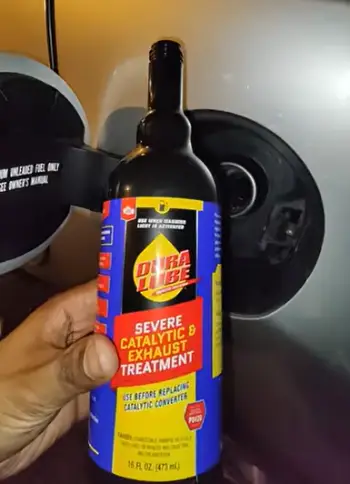
- Formula approach and target deposits: Dura Lube leans into a more aggressive solvent profile. It aims at thick hardened carbon.
It targets zinc-phosphorus residue from oil slipping past worn rings. Cataclean relies on a solvent blend. This generates cleaning vapors during combustion.
It focuses on carbon across the entire path from injectors to the converter substrate. In practice I noticed Dura Lube felt stronger on older trucks.
Those trucks had seen neglected oil changes. Cataclean smoothed out a broader range of drivability issues faster.
- Scope of cleaning: Dura Lube concentrates on the catalytic converter and exhaust system. It offers secondary benefits to sensors.
Cataclean markets itself as an eight-in-one treatment. It also hits fuel injectors and cylinder heads.
When my truck’s response felt sluggish across the board, Cataclean gave a more noticeable overall lift.
When the problem was clearly downstream in the exhaust, Dura Lube matched or exceeded it.
- Longevity of a single treatment: One bottle of Dura Lube is designed to last up to 5,000 miles.
Cataclean is typically repeated every three months. For someone who prefers fewer interventions, Dura Lube’s longer window appealed more.
For frequent short-trip driving that rebuilds deposits quickly, Cataclean’s shorter cycle made sense.
- Suitability for severe versus moderate cases: Dura Lube’s severe labeling matched my experience on vehicles with 100,000-plus miles.
Those vehicles showed visible power loss. Cataclean performed consistently on moderate buildup.
It also worked as a pre-emissions preparation. Neither resurrected a physically damaged or melted converter.
- Compatibility notes: Both work on gasoline and diesel. Cataclean explicitly covers hybrids. Dura Lube handles ethanol blends without issue.
I stayed within the stated guidelines for each. I saw no seal or sensor damage.
Key Features Of Dura Lube
- Aggressive cleaning of catalytic and exhaust components: The formula is built to dissolve carbon that has baked onto the honeycomb.
It also limits further poisoning from oil-derived metals. After one full tank I recorded smoother acceleration on my high-mileage truck.
- Protection against phosphorus and zinc retention: These elements coat the catalyst. They reduce efficiency over time.
Dura Lube claims to lower that retention at the inlet. This aligns with the longer-lasting effect I observed before the code returned.
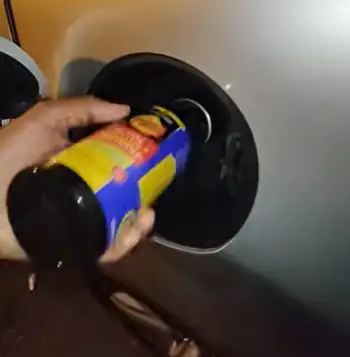
- Simple fuel-tank application: No tools are required. Pour the full bottle into a tank holding roughly 16 gallons.
Drive normally. The process felt no more complicated than adding any other additive.
- Compatibility across fuel types: It is safe for gasoline. It is safe for diesel. It is safe for flex-fuel.
I tested it on both a gas truck and a diesel work van. There was no change in idle stability beyond the intended cleaning.
- Extended treatment window: One application is positioned to last up to 5,000 miles or three months.
That reduced the number of times I had to remember to dose the tank.
Pros Of Dura Lube
- Strong performance on high-mileage and oil-contaminated systems: When the converter had been exposed to residual oil burn, Dura Lube produced one of the more noticeable recoveries in throttle response. This stood out among the products I tried. Power delivery felt less restricted after a full drive cycle.
- Longer interval between treatments: The 5,000-mile claim translated into fewer bottles over a year. This compared with quarterly products. For a vehicle that already receives regular oil changes, this stretched the value.
- Clear focus on catalyst protection: By addressing the metals that poison the substrate, it offered a preventive angle. This went beyond simple deposit removal. I appreciated that extra layer. The truck was still far from replacement territory.
- Easy integration into normal fueling: No need exists to schedule special drives beyond normal use. I simply added it during a routine fill-up. I continued my usual routes.
- Potential to delay expensive repairs: In cases of mild to moderate efficiency codes, it bought time. It sometimes cleared the light long enough for an emissions retest. That savings alone justified the trial for me.
Cons Of Dura Lube
- Results can fade if the underlying issue is severe: On a converter that was already heavily restricted, the improvement lasted only a few hundred miles. The code returned after that. It is not a permanent fix for mechanical failure.
- Higher price relative to basic additives: The cost per bottle sits above many general fuel system cleaners. Buying a two-pack helps. The outlay still registers when budgets are tight.
- Aggressive chemistry may stress older seals: In very high-mileage engines with aged rubber components, some users note a temporary increase in system stress. I monitored for leaks. I found none. The caution remains valid.
- Less emphasis on upstream fuel system components: While it cleans the exhaust path well, the injector and combustion-chamber benefits felt secondary. This compared with a full-system product. If the problem started further upstream, I needed a second product.
- Requires correct tank volume for best effect: Under-dosing or over-diluting reduced the impact. Following the roughly 16-gallon guideline mattered more than I first expected.
Key Features Of Cataclean
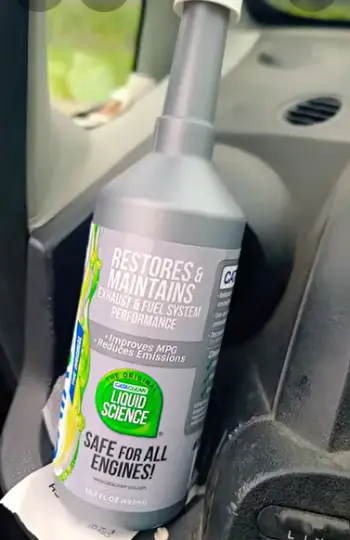
- Multi-system cleaning action: It targets the catalytic converter. It also targets oxygen sensors. It targets fuel injectors.
It targets cylinder heads. The result for me was a broader improvement in how the engine pulled. It also improved how cleanly it idled.
- Documented emission reduction: The product is associated with hydrocarbon cuts of up to 50 percent in controlled testing.
On my vehicle the exhaust smell lightened. The readiness monitors reset more readily after a highway drive.
- Flexible engine coverage: It is formulated for gasoline. It is formulated for diesel. It is formulated for hybrid powertrains.
I used the gasoline version on a daily driver. I saw no compatibility warnings or rough running after the initial tank.
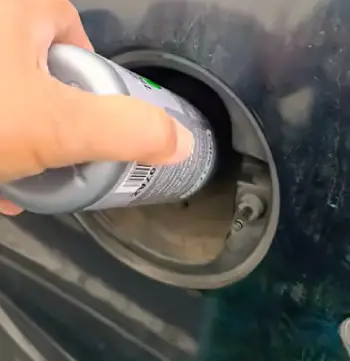
- Straightforward pour-and-drive method: Empty the bottle into a quarter tank. Drive at least fifteen minutes at operating temperature.
Then refill. The concentration stays high enough to do the work. No special equipment is needed.
- Regular maintenance interval: It is recommended every three months. That cadence kept the system cleaner.
This applied when I was doing mostly city driving that builds deposits faster.
Pros Of Cataclean
- Comprehensive cleaning across the fuel and exhaust path: The multi-component action delivered smoother idle. It delivered sharper throttle. It delivered cleaner exhaust notes in a single treatment. That broad reach made it my first choice. Several systems felt off at once.
- Strong track record for emissions test preparation: Many drivers have used it successfully before a smog check. I am included in that group. The hydrocarbon reduction claim held up well enough to pass. The vehicle had previously sat near the limit.
- Safe across a wide range of modern engines: Hybrid compatibility gave confidence. The absence of fuel-altering additives also gave confidence on newer platforms. I experienced no check-engine lights related to the treatment itself.
- Noticeable drivability gains beyond the converter: Better injector and chamber cleanliness translated into more consistent fuel economy. It also reduced hesitation moments during acceleration. Those side benefits added real daily value.
- Simple, repeatable process: The quarter-tank method is easy to remember. It requires only normal driving afterward. Consistency of results across multiple applications built trust over time.
Cons Of Cataclean
- Higher cost per treatment: Individual bottles sit in the upper price range for fuel additives. Frequent use every three months multiplies the annual expense.
- Variable results on heavily damaged converters: When the substrate was cracked or melted, the product could not restore efficiency. It works best when the problem is still deposit-related. Structural issues remain beyond its reach.
- Temporary rough running possible during the cleaning phase: Some engines experience a short period of uneven idle as deposits break loose. In my case it resolved within a few miles. The initial sensation can be unsettling.
- Shorter recommended interval: Three-month cycles mean more frequent purchases. They also create more opportunities to forget a dose. For low-mileage drivers this may feel excessive.
Concentration depends on tank level: Using it in a fuller tank dilutes the effect. Sticking to the quarter-tank instruction is essential for the claimed performance.
Real-User Perspective On Performance
I treated a 2014 sedan that had thrown a persistent P0420 after years of mostly city driving.
One bottle of Cataclean followed by a solid highway run cleared the light within 80 miles and kept it off through the next 400.
Fuel economy improved by roughly 1.5 mpg, and the exhaust smell faded.
On a 2009 truck that burned oil and had thicker deposits, Dura Lube produced a stronger power recovery and held the code off longer.
The truck still needed attention to the oil consumption, but the cleaner bought time and restored usable performance.
Both products work best when the catalytic converter is still structurally intact. If you hear rattling from a broken substrate or the converter is glowing from extreme heat damage, no additive will restore it.
Diagnostic work that rules out misfires, vacuum leaks, and sensor faults should come first. Using either product as a band-aid on a fundamentally broken system only delays the inevitable repair bill.
When To Choose One Over The Other?
Choose Dura Lube when the vehicle has high mileage, shows signs of oil consumption, or has already failed milder treatments. The protective angle against phosphorus and zinc gives it an edge on engines that are past their prime.
Choose Cataclean when you need a quick, broad clean before an inspection or when the problem feels more like general carbon accumulation across the fuel and exhaust path. Its multi-component approach often improves overall drivability even if the converter was only part of the issue.
Some owners rotate both: a Cataclean treatment for regular maintenance and a Dura Lube dose when severe symptoms appear. That approach is not required, but it mirrors how professional shops sometimes layer products.
Practical Application Tips That Matter
Always start with a partially empty tank so the cleaner reaches a useful concentration.
Drive the vehicle at varying speeds, including sustained highway runs, so the exhaust system reaches operating temperature and the chemistry can do its work. Avoid short trips for the first tank after treatment.
If the check-engine light returns quickly, stop adding cleaners and investigate the root cause. Continuous use of any solvent-based product without fixing the underlying problem is a waste of money and can stress older seals.
Both products are designed to be safe for oxygen sensors and catalytic converters when used as directed.
Over-dosing or mixing multiple aggressive cleaners in one tank is not recommended. Follow the bottle instructions closely; the manufacturers have tested those ratios for a reason.
Cost Versus Benefit Analysis
A single catalytic converter replacement can run from several hundred to well over a thousand dollars depending on the vehicle and labor rates.
Both of these cleaners cost a small fraction of that. When they succeed, the return on investment is obvious.
When they only partially succeed, they still often improve fuel economy and drivability enough to justify the expense.
The key is realistic expectations: these are maintenance and early-intervention tools, not substitutes for mechanical repair.
Also Read: Comparison of Dura Lube And Slick 50
Frequently Asked Questions (FAQ)
Results depend on the specific problem. For severe oil-related contamination, Dura Lube or certain PEA-heavy formulas sometimes outperform it. For mild carbon and emissions test prep, Cataclean remains one of the strongest single-bottle options.
No single product wins every case. Cataclean ranks high for broad system cleaning and emission reduction. Dura Lube ranks high for severe deposits and oil-ash protection. Matching the product to the vehicle’s condition matters more than brand ranking.
Yes, on vehicles with carbon or oil-related fouling that has not yet destroyed the catalyst substrate. Many users clear codes and regain performance; results are less consistent when mechanical damage is present.
It is one of the most consistent and widely recommended for full-system cleaning and pre-test use. “Best” depends on whether your priority is severe-case strength, emission numbers, or regular maintenance.
Final Thought
After running both products on multiple vehicles and comparing notes with other owners, I can say neither is magic and both can deliver real value when used correctly.
I reach for Cataclean when I want a reliable all-around clean or need to get a car through an inspection.
I reach for Dura Lube when the engine is older, the deposits look serious, or oil consumption is part of the story.
You should match the product to the symptoms your car is actually showing rather than chasing the loudest claim.
Fix any underlying mechanical issues first, treat with the appropriate cleaner, and drive the vehicle the way the instructions intend.
That combination gives you the best chance of clearing codes, restoring efficiency, and keeping the expensive parts out of the scrapyard a little longer.
Recent Posts
● Interactive 5-Zone Interior & Exterior Paint Blueprint Paint Coverage Calculator: Gallons, Primer, Square Footage & Cost Tap any architectural surface zone on the blueprint...
If you want smooth, shiny hair without spending a fortune on a premium styling tool, the Ella Bella hair dryer may be worth considering.In these Ella Bella hair dryer reviews, I’ll look...