
If you’re thinking about giving your old bathtub, sink, or ceramic tiles a fresh new appearance without paying for a complete renovation, Dwil Tub and Tile Paint is worth considering.
I decided to test it because replacing bathroom fixtures is expensive, and I wanted a budget-friendly solution that actually looked professional.
After spending time with the product, I found that it offers impressive results for the right project, although it isn’t perfect.
Here’s my complete experience and everything you should know before buying it.
My Personal Experience Using Dwil Tub And Tile Paint
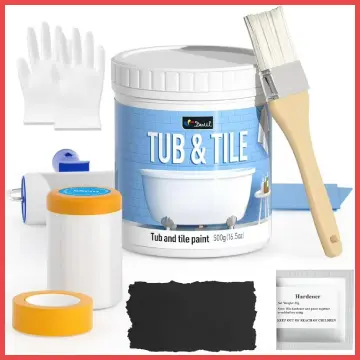
When I first came across Dwil Tub and Tile Paint, I was skeptical. Like many people, I had seen before-and-after photos online that looked almost too good to be true.
My bathtub had years of stains, faded spots, and minor scratches. Replacing it would have cost hundreds or even thousands of dollars, so repainting seemed like a practical alternative.
The first thing I noticed was the packaging. Everything felt organized, and the instructions were fairly straightforward.
Before opening the paint, I spent far more time preparing the surface than I expected. Cleaning, sanding, removing soap residue, and making sure the tub was completely dry turned out to be the most important part of the entire process.
Mixing the paint was easy, and its consistency felt smooth. During application, I used a foam roller and paid close attention to keeping each coat even.
The paint spread surprisingly well and covered discoloration much better than I anticipated.
The smell was definitely noticeable. I made sure the bathroom windows stayed open and used a fan for ventilation. While the odor wasn’t unbearable, I wouldn’t recommend using the product without proper airflow.
The first coat looked uneven in several places, which worried me. Fortunately, the second coat transformed the surface completely.
The finish became smoother, brighter, and much more uniform. By the time everything cured, my old bathtub looked dramatically newer.
What impressed me most wasn’t simply the color—it was how fresh the entire bathroom appeared. Even older wall tiles looked more modern because the bright bathtub reflected more light throughout the room.
Over the following weeks, I intentionally used the tub every day to see how well the finish held up.
Regular showers, shampoo bottles, soap, and routine cleaning didn’t immediately damage the coating. The finish stayed glossy as long as I avoided abrasive cleaners.
My biggest takeaway was simple: this product rewards patience. If you rush preparation or curing time, you’ll probably end up disappointed.
If you carefully follow every instruction, the results can look surprisingly close to a professional refinishing job at a fraction of the price.
Pros Of Dwil Tub And Tile Paint
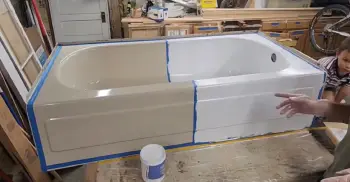
- Budget-Friendly Bathroom Upgrade
The biggest advantage I experienced was the cost savings.
Replacing a bathtub often involves demolition, plumbing adjustments, installation, disposal fees, and labor costs.
By comparison, Dwil Tub and Tile Paint allows you to dramatically improve your bathroom’s appearance for a much smaller investment.
For anyone renovating on a budget, that’s a major benefit.
- Excellent Visual Transformation
One thing that genuinely surprised me was how dramatic the improvement looked.
Years of yellowing, dullness, and minor imperfections virtually disappeared after proper application.
The glossy finish reflected light beautifully, making the bathroom appear cleaner, brighter, and newer.
- Strong Surface Coverage
The paint hides stains remarkably well.
Water marks, discoloration, faded patches, and light scratches became nearly invisible after multiple coats.
Although very deep damage remains noticeable, cosmetic flaws are significantly reduced.
- Smooth Application
Provided the surface is prepared correctly, I found the paint relatively easy to apply.
It levels nicely and doesn’t leave excessive roller texture when applied carefully.
Even someone with moderate DIY experience should be able to achieve respectable results.
- Saves Renovation Time
Replacing bathroom fixtures can take days.
Painting, although it requires curing time, is still much faster than full replacement.
You avoid demolition, plumbing complications, and expensive contractor scheduling.
- Attractive Gloss Finish
The finished coating resembles many factory finishes when viewed from normal distance.
It gives older tubs a refreshed appearance instead of looking obviously painted.
- Suitable for Multiple Bathroom Surfaces
Another advantage is versatility.
Besides bathtubs, it can also refresh sinks, ceramic tiles, shower surrounds, and other compatible bathroom fixtures, allowing the room to maintain a consistent appearance.
- Great Choice for Rental Properties
If you’re preparing a rental unit for new tenants, this product can dramatically improve visual appeal without requiring a complete bathroom renovation.
Cons Of Dwil Tub And Tile Paint
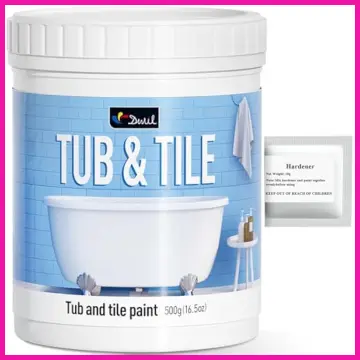
- Surface Preparation Takes Longer Than Expected
Preparation isn’t optional.
Cleaning, sanding, masking, and drying require significant effort before painting even begins.
- Strong Odor During Application
Proper ventilation is absolutely necessary because the fumes are quite noticeable while the paint cures.
- Curing Requires Patience
You can’t immediately use the bathtub.
Waiting for complete curing may feel inconvenient if it’s your only bathroom.
- Not Ideal for Major Damage
Large chips, structural cracks, or serious rust won’t magically disappear beneath the paint.
- Maintenance Is Necessary
Although durable, the finish still requires gentle care to maximize longevity.
Maintenance Tips For Dwil Tub And Tile Paint
- Clean With Gentle Products
One lesson I learned quickly is that gentle cleaning products make a huge difference.
Harsh chemical cleaners may gradually dull or weaken the coating.
Instead, I use mild bathroom cleaners together with soft cloths or non-abrasive sponges. This simple habit helps preserve the glossy appearance much longer.
- Avoid Abrasive Scrubbing
It can be tempting to scrub stubborn stains aggressively, but doing so may scratch the painted surface.
Whenever I notice soap buildup, I allow the cleaner to sit for several minutes before gently wiping it away rather than scrubbing forcefully.
- Don’t Drop Heavy Objects
Painted surfaces are tougher than many people expect, but they’re not indestructible.
Dropping shampoo bottles, metal razors, or heavy tools into the bathtub may chip the finish.
Being slightly more careful protects the coating for years.
- Allow Standing Water to Drain
Standing water isn’t ideal for any painted bathroom surface.
After showering, I try to let water drain naturally and occasionally wipe away excessive moisture. This simple habit keeps the finish looking cleaner.
- Use Bath Mats Carefully
Rubber bath mats with aggressive suction cups may eventually stress the painted finish.
If you use one, remove it regularly rather than leaving it attached continuously.
- Avoid Harsh Chemicals
Products containing bleach, strong acids, or industrial-strength cleaners shouldn’t become part of your regular cleaning routine.
Occasional use may be acceptable depending on the situation, but repeated exposure can reduce the finish’s lifespan.
- Repair Minor Damage Early
If you ever notice a small chip, addressing it quickly helps prevent further deterioration.
Small touch-ups are much easier than refinishing the entire bathtub later.
- Follow the Recommended Curing Time
This may be the most important maintenance tip of all.
Many failures happen because users begin using the bathtub too soon.
Giving the coating enough time to fully harden significantly improves durability.
- Keep Bathroom Ventilation Good
Excess humidity affects every bathroom surface.
Running an exhaust fan or opening a window after showers helps minimize moisture buildup while keeping the painted finish looking cleaner.
- Perform Routine Cleaning
Rather than waiting until heavy stains appear, I clean the bathtub regularly.
Frequent light cleaning is easier, safer, and much better for preserving the coating than occasional aggressive cleaning.
Comparison Of Dwil Tub And Tile Paint With Other Brands
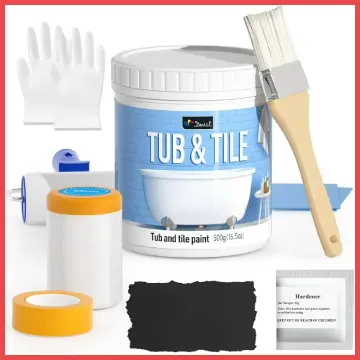
- Dwil Tub and Tile Paint vs. Rust-Oleum Tub & Tile Refinishing Kit
Rust-Oleum is one of the most recognizable names in the tub refinishing market, and it’s often the first brand people compare with Dwil.
After looking at both products, I found that Rust-Oleum has a longer reputation and is commonly chosen by homeowners who want a durable epoxy-based finish.
Dwil, on the other hand, stands out for its user-friendly application and excellent value for money.
If you’re a first-time DIYer looking for an affordable way to refresh your bathroom, I think Dwil is less intimidating while still delivering an attractive glossy finish.
Rust-Oleum may have a slight edge in long-term durability, but Dwil offers impressive results for a lower investment.
- Dwil Tub and Tile Paint vs. Homax Tough as Tile
Homax focuses on quick bathroom makeovers with products designed for easy application.
When comparing the two, I noticed that Dwil generally provides smoother coverage when the surface is properly prepared.
Homax is a solid choice for smaller refinishing projects, but I found Dwil better suited for larger bathtubs and shower surrounds because of its consistent finish and strong hiding power.
If appearance is your highest priority, Dwil has an advantage, while Homax appeals to those looking for a simple weekend project.
- Dwil Tub and Tile Paint vs. Ekopel Bathtub Refinishing Kit
Ekopel takes a different approach by using a self-leveling coating that flows across the surface rather than being rolled on like traditional paint.
This often creates an exceptionally smooth finish that closely resembles a factory coating. However, Ekopel usually costs more and requires careful mixing and application.
I think Dwil is a better option for homeowners who want a straightforward refinishing process without spending premium prices.
If you’re willing to pay extra and have experience with DIY refinishing, Ekopel may produce a more luxurious finish, but Dwil offers better overall value for most people.
- Dwil Tub and Tile Paint vs. Bathworks Refinishing Kit
Bathworks products are known for professional-looking finishes and a wide range of color choices. They are often recommended for homeowners who plan to keep their refinished bathtub for many years.
In comparison, Dwil focuses on affordability while still providing a clean, glossy appearance. I found Dwil easier to recommend for budget-conscious buyers who want to improve an older bathroom without making a major financial commitment.
Bathworks may provide additional customization, but Dwil delivers excellent results for everyday residential use.
What Is Dwil Tub And Tile Paint?
Dwil Tub and Tile Paint is a specialized refinishing coating designed for bathtubs, ceramic tiles, sinks, fiberglass, porcelain, and similar bathroom surfaces.
Instead of replacing worn fixtures, you apply this coating over properly prepared surfaces to restore their appearance.
It aims to create a durable, glossy finish while covering stains, discoloration, scratches, and years of cosmetic wear.
Rather than being ordinary wall paint, it’s formulated specifically for moisture-prone bathroom environments.
Who Should Buy Dwil Tub And Tile Paint?
I think this product works best for homeowners, landlords, apartment renovators, DIY enthusiasts, and anyone looking to improve a bathroom without spending thousands on remodeling.
If your bathtub is structurally sound but simply looks old, stained, or outdated, this paint offers excellent value.
However, if your tub has severe cracks, major rust damage, or structural issues, replacement remains the better option.
Which Brand Would I Choose?
If my goal were to achieve the absolute highest-quality finish with no concern about cost, professional refinishing would still be my first choice.
However, for a practical DIY bathroom makeover, I believe Dwil Tub and Tile Paint offers one of the best balances between price, ease of application, coverage, and final appearance.
It competes well with more established brands, making it a smart option for anyone looking to refresh worn tubs, sinks, or tiles without replacing them.
Is Dwil Tub And Tile Paint Worth Buying?
After using it myself, I’d say yes—with realistic expectations.
This product won’t magically turn severely damaged fixtures into brand-new replacements.
However, if your bathtub or tiles are simply worn, stained, faded, or outdated, Dwil provides an affordable way to dramatically improve their appearance.
Preparation and patience matter far more than painting skill. When both are done properly, the finished result can exceed expectations.
Also Read: Comparison Of Ekopel 2K And Rustoleum
Frequently Asked Questions (FAQ)
With proper preparation and maintenance, it can last for several years before needing refinishing.
The best option depends on your budget and project, but Dwil, Rust-Oleum, and Ekopel are among the popular choices.
Yes. It offers strong coverage, an attractive finish, and good value when applied correctly.
Yes. Quality tub and tile paint can refresh worn bathroom fixtures and delay expensive replacements when used properly.
Wrapping Up
After spending time with Dwil Tub and Tile Paint, I believe it’s one of the better budget-friendly options for refreshing an aging bathroom.
It isn’t a substitute for replacing severely damaged fixtures, but it can dramatically improve tubs and tiles that simply look worn.
If you’re willing to prepare the surface carefully, follow the instructions, and maintain the finish properly, you’ll likely be impressed with both the appearance and the money you save.
Recent Posts
I tried Meltoway Hair Dissolving Cream because I wanted a quick way to deal with unwanted body hair without reaching for a razor every few days. If you are looking for a convenient at-home...
If you’re considering a saffron-based supplement to support mood, appetite control, and everyday wellness, Happy Saffron Plus is worth considering.I like that it takes a familiar botanical...