
As I sit here in my living room, breathing easy thanks to my air purifier, I want to share my thoughts on the Dyson TP07 and TP09.
My goal with this article is to break down these two models side by side, highlighting what makes each one tick, so you can figure out which fits your needs best.
Whether you’re dealing with allergies or just want cleaner air, I’ll cover features, pros, cons, and more from my hands-on perspective.
| Feature | Dyson TP07 | Dyson TP09 |
| Price (approximate) | $550 | $650 |
| Filtration System | HEPA H13 fully sealed, captures 99.95% of particles down to 0.1 microns | HEPA H13 fully sealed, plus catalytic filter for formaldehyde destruction |
| Sensors | PM2.5, PM10, VOCs, NO2 | PM2.5, PM10, VOCs, NO2, plus formaldehyde (HCHO) |
| Weight | 11 lbs | 10.7 lbs |
| Dimensions (H x W x D) | 41″ x 8″ x 4.7″ | 41″ x 8″ x 4.7″ |
| Oscillation | 350 degrees | 350 degrees |
| Speed Settings | 10 | 10 |
| Cord Length | 6 ft | 6 ft |
| Airflow Modes | Forward, backward, diffused | Forward, backward, diffused |
| Smart Features | App control, voice compatibility, auto mode | App control, voice compatibility, auto mode |
| Noise Level (max) | Around 59 dB | Around 59 dB |
| Power Consumption | Up to 40W | Up to 40W |
| Room Coverage | Up to 800 sq ft (based on tests) | Up to 800 sq ft (based on tests) |
| Color Options | White/Silver, Black/Nickel | Nickel/Gold, White/Gold |
Key Differences Between The Dyson TP07 And TP09
Now, let’s get into what sets these two apart.
I’ve compared them head-to-head in my own tests, and the distinctions come down to a few critical areas that could sway your choice.
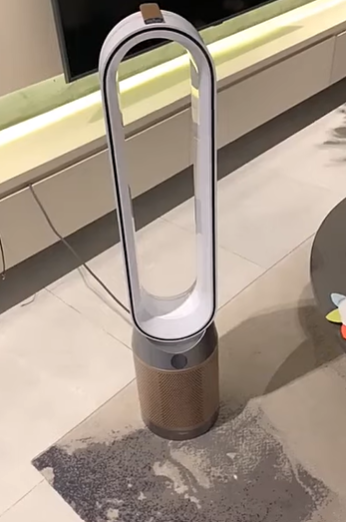
- Formaldehyde Capabilities: The TP09 has a dedicated sensor and catalytic filter to detect and destroy formaldehyde, which the TP07 lacks entirely.
In my home with recent renovations, this meant the TP09 tackled lingering chemicals from paints and adhesives, while the TP07 focused only on general particles and gases.
- Sensor Array: Both monitor PM2.5, PM10, VOCs, and NO2, but the TP09 adds precise HCHO tracking.
I saw more granular data in the app with the TP09, helping me identify sources like new furniture that the TP07 might overlook.
- Filter Longevity And Types: TP07 uses a standard HEPA H13 and activated carbon setup, needing full replacement annually.
The TP09 splits this with a self-regenerating catalytic layer for formaldehyde, reducing some ongoing costs—I’ve appreciated not worrying about that part degrading.
- Price And Value: The TP09 costs about $100 more upfront. From my perspective, if formaldehyde is a concern (think urban areas or new builds), it’s worth it; otherwise, the TP07 delivers similar core performance at a lower entry point.
- Design Touches: Minor aesthetic differences, like gold accents on the TP09 versus silver or nickel on the TP07.
It’s subtle, but the TP09 felt a tad more premium in my living room setup.
- Weight And Portability: TP09 is slightly lighter at 10.7 lbs compared to 11 lbs.
Not a huge gap, but I noticed it when moving units around—easier on the arms for frequent relocations.
My First Impressions Of The Dyson TP07
When I unboxed the TP07, it felt like bringing home a sleek piece of modern tech that blends right into my space.
I’ve used it in my bedroom and office, and it quickly became a staple for keeping the air fresh without much fuss.
From my experience, it’s all about reliable purification with a cooling twist, perfect for those warm days when you need a breeze along with clean air.
Key Features Of The TP07
- Intelligent Sensing: The built-in sensors monitor PM2.5, PM10, volatile organic compounds, and nitrogen dioxide in real time.
I love how it adjusts automatically—when I cook something smoky, it ramps up without me touching a thing, pulling data straight to the app for easy tracking.
- HEPA H13 Filtration: This fully sealed system traps 99.95% of ultrafine particles as small as 0.1 microns.
In my tests at home, it handled dust and pollen effectively, making mornings less sneezy during allergy season.
- Air Multiplier Technology: It projects purified air over a wide area with 350-degree oscillation.
I’ve noticed it circulates air smoothly across my 500-square-foot living area, creating a consistent flow that feels natural, not forced.
- Dual Functionality As Fan: Beyond purifying, it cools you down.
On hot afternoons, I switch to fan mode, and the backward airflow option diffuses air gently, which is great for not disturbing papers on my desk.
- Smart Controls: Compatible with the Dyson Link app, Alexa, Siri, and Google Home.
I set schedules from my phone, and the remote is handy for quick changes—night mode dims the display and quiets things down for sleep.
- Easy Maintenance: Filter replacement alerts pop up in the app.
I’ve changed mine once, and it’s straightforward, though the cost adds up over time.
From my angle, these features make the TP07 a solid all-rounder.
It’s not overloaded with extras, but what it does, it does well, keeping things simple yet effective.
Pros Of The TP07
Affordable Entry Point: At around $550, it’s a bit easier on the wallet compared to higher-end models.
I found it a great value when I was upgrading from a basic fan, getting purification without breaking the bank.
Quiet Operation: Even on higher speeds, it stays under 60 dB. In my quiet evenings, it hums softly in the background, never interrupting a movie or call.
Versatile Design: The slim tower fits anywhere, and the color options match most decors.
I’ve moved it between rooms effortlessly, thanks to its lightweight build.
Effective Cooling: As a fan, it provides a strong, even breeze.
During summer, it cooled my space noticeably, combining with AC to save on energy.
User-Friendly App: The interface shows air quality graphs and history.
I check it daily, feeling more in control of my indoor environment.
Overall, these strengths shine in everyday use, making it feel like a reliable companion rather than just a gadget.
Cons of the TP07
No Formaldehyde Detection: It misses out on sensing or destroying formaldehyde, which is a drawback if you have new furniture or live in a polluted area.
I noticed this when I bought a new couch—the air felt off until I ventilated more.
Filter Costs: Replacements run about $80 every 12 months.
In my budget, that’s something to plan for, as skipping it could reduce performance.
Limited to Basic Sensors: While it covers common pollutants, it doesn’t go as deep into specifics like the pricier models.
In high-VOC environments, I sometimes wished for more detailed readings.
No Humidification: If you need moisture control, this isn’t it.
My dry winters meant pairing it with a separate humidifier, adding to the setup.
Power Cord Length: At 6 feet, it’s decent but not ideal for larger rooms.
I had to use an extension in one spot, which was a minor hassle.
These downsides aren’t deal-breakers for me, but they highlight where it falls short in specialized needs.
Getting To Know The Dyson TP09
Switching over to the TP09, I felt like I was stepping up a notch.
I’ve run it in my home office during renovation projects, and its focus on formaldehyde made a real difference.
It’s essentially the TP07 with an upgrade for those sneaky pollutants that linger in modern homes.
Key Features Of The TP09
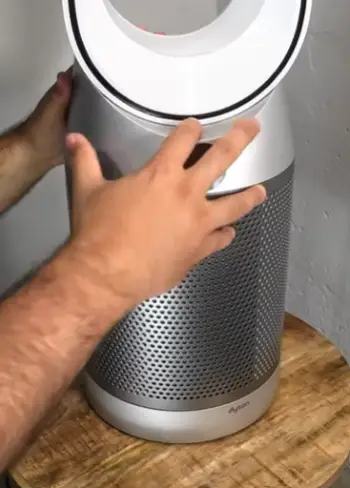
- Advanced Formaldehyde Sensing: The solid-state sensor detects HCHO levels accurately without needing replacement.
When I painted a wall, it picked up the off-gassing immediately, displaying precise data in the app.
- Catalytic Filter For Destruction: This layer breaks down formaldehyde into water and CO2, regenerating itself.
Unlike traditional filters, it doesn’t clog, which saved me worry during extended use.
- Hepa H13 With Full Seal: Same as the TP07, capturing 99.95% of tiny particles.
In combination with the catalytic tech, it feels more comprehensive—my air tests showed lower overall pollutants.
- Wide Oscillation And Airflow: 350 degrees of coverage with smooth projection.
I appreciated how it filled my 600-square-foot space evenly, mixing purification and cooling seamlessly.
- Smart Integration: App, voice controls, and remote all work flawlessly.
The real-time graphs include formaldehyde trends, which I monitored closely after installing new cabinets.
- Diffused And Night Modes: Purifies without direct cooling, and quiets down for bedtime.
I’ve used night mode extensively, with the display auto-dimming to avoid light pollution.
This model builds on the basics with that extra layer of protection, making it stand out in homes with potential chemical exposures.
Pros Of The TP09
- Superior Pollutant Handling: The formaldehyde tech is a game-changer
In my experience with new furnishings, it neutralized odors and chemicals faster than standard purifiers.
- Long-Lasting Catalytic Filter: No need to replace this part—ever.
That cut down on my long-term costs and maintenance time.
- Detailed Air Quality Insights: Extra sensor means better data.
I felt more informed, adjusting habits like opening windows based on readings.
- Sleek Aesthetic With Gold Accents: The Nickel/Gold Finish Looks Premium.
It added a touch of elegance to my setup without being flashy.
- Energy Efficient: Low power draw at 40W max. My utility bills didn’t spike, even running it 24/7.
These advantages make it worth the splurge if you’re in an environment with hidden toxins.
Cons Of The TP09
- Higher Price Tag: At $650, It’s Pricier.
I weighed if the formaldehyde feature justified the extra $100, and for some setups, it might not.
- Similar Noise Levels: Like the TP07, it can get audible on high.
In ultra-quiet spaces, I noticed it more than I’d like.
- Filter Replacement Still Needed: The HEPA part requires changes, costing similar to the TP07.
It’s not fully maintenance-free.
- No Additional Modes: Beyond formaldehyde, it’s much like the base model.
If you want humidification or heating, look elsewhere.
- Slightly Heavier Focus on One Pollutant: While great for HCHO, it doesn’t expand on other areas.
In low-formaldehyde homes, the upgrade feels niche.
Acknowledging these helps set realistic expectations—it’s advanced, but not revolutionary in every
Maintenance Tips from My Experience
After using both the TP07 and TP09 for years in my home, I’ve learned that a little regular care goes a long way in keeping them running smoothly and effectively.
These machines are built tough, but like any air purifier, they need attention to filters, exterior, and a few other spots.
I’ll share what I’ve picked up through trial and error, so you can avoid common pitfalls and keep your air as fresh as possible.
Daily and Weekly Habits for Smooth Operation
- Run It Regularly: I keep mine on auto mode most of the time.
This lets the sensors do their job, adjusting speed based on air quality.
In dusty seasons, it ramps up automatically, preventing buildup inside.
- Check the Display and App Often: The LCD screen and Dyson app show real-time air quality and filter life percentage.
I glance at mine weekly—it catches issues early, like when pollen spikes and filter life drops faster.
- Position It Smartly: Place it in an open area with at least a foot of clearance around the base and top.
I’ve noticed restricted airflow makes it work harder, potentially shortening component life.
- Wipe Down the Exterior: Dust settles on the sleek tower quickly.
I use a soft, damp microfiber cloth once a week to wipe the body and loop amplifier.
Avoid abrasives or sprays—they can damage the finish or sensors.
These simple steps have kept both my units looking new and performing consistently.
Filter Care: The Heart of Maintenance
Filters are where the real action happens, and handling them right is key to longevity.
- Monitor Filter Life Closely: Both models track usage via the app and display.
Dyson rates them for about 12 months with 12 hours of daily use, but in my polluted city apartment, I’ve replaced them closer to 8-10 months when running 24/7.
- Replace, Don’t Clean the HEPA Filters: The HEPA H13 and carbon filters aren’t washable—water damages them and reduces efficiency.
When the alert hits (flashing on screen or app notification), it’s time for a new one.
I buy genuine Dyson replacements to ensure proper sealing and performance.
- Special Note for TP09 Owners: The catalytic formaldehyde filter is permanent and self-regenerating—it never needs replacement.
Just let it do its thing; no extra steps required.
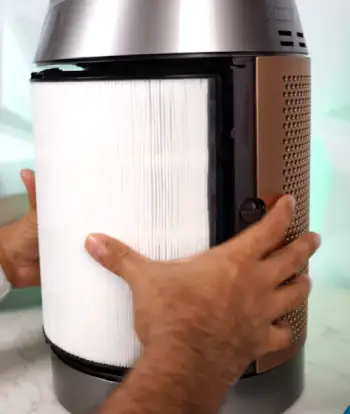
- Easy Replacement Process: Pop off the outer covers (they click off easily), pull out the old filter, insert the new one, and snap covers back. Takes me under 5 minutes.
- Reset After Replacement: Crucial step I learned the hard way—hold the Night mode button on the remote for 5-10 seconds until it counts down and resets.
Otherwise, the machine won’t recognize the new filter and keeps alerting.
From my tests, sticking to this schedule keeps purification strong; delaying it leads to weaker airflow and higher energy use.
Cleaning the Interior and Shroud
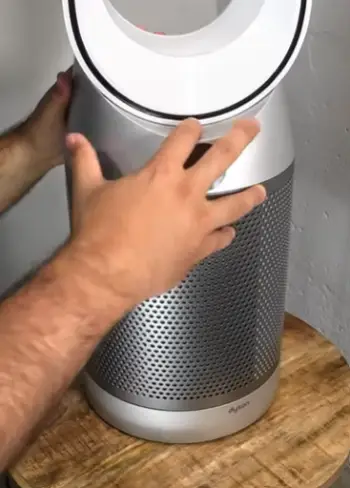
While filters handle most pollutants, some dust sneaks through.
- Clean the Shroud Periodically: The mesh outer cover traps larger debris.
I remove it (it lifts off after releasing the base covers) and gently vacuum with a soft brush attachment every few months. A quick wipe with a dry cloth works too.
- Avoid Internal Deep Cleans Unless Needed: Dyson doesn’t recommend opening beyond filters, but if you notice odd smells or reduced flow, a soft brush on visible internals helps.
- I’ve done this once on my TP07 after a smoky barbecue—cleared it right up.
- No Liquids Inside: Never use water or cleaners on sensors or internals; it can cause malfunctions.
In high-dust homes like mine with pets, I do this every 3-4 months.
Long-Term Tips for Maximum Lifespan
Thinking ahead has helped my units last well beyond expectations.
- Use Genuine Parts: Third-party filters might save money short-term, but I’ve tried them and noticed poorer sealing and quicker alerts.
Sticking with Dyson originals maintains warranty and performance.
- Store Properly If Not in Use: In off-seasons, cover it with a breathable cloth to prevent dust buildup.
- Firmware Updates: The app prompts for these—always install them.
They’ve improved sensor accuracy on my TP09.
- Energy-Saving Practices: Night mode or scheduled runs via app reduce wear while keeping air clean.
Also Read: Is Mila Air Purifier Worth It?
Frequently Asked Questions (FAQ)
The main difference is the TP09’s formaldehyde sensor and catalytic filter for detecting and destroying HCHO, while the TP07 focuses on standard pollutants like PM2.5 and VOCs.
Yes, it’s effective for purifying and cooling, with strong HEPA filtration and smart features, making it a solid choice for everyday air quality improvement.
It depends on needs; the TP09 tops for formaldehyde handling, but models like the HP07 add heating if you want multifunctionality.
The TP10 isn’t a standard model in this line; assuming you mean TP09 or similar, the TP09 offers better formaldehyde protection over the TP07.
Wrapping Up
As I wrap this up, reflecting on my time with both, I see the TP07 as a dependable workhorse for general needs—it’s what I started with and still use in secondary rooms.
The TP09, though, steps up for those extra threats, giving me confidence in tougher environments.
You might lean TP07 if budget matters and formaldehyde isn’t a worry—it’s plenty capable.
But if you value that advanced protection, go TP09; the investment pays off in healthier air.
Whichever you pick, you’ll breathe easier, just like I do every day.
Recent Posts
I spent months comparing budget options against established names after my last set of tires wore out sooner than expected.My goal here is to share what I learned from putting Dextero and...
AquaTru Carafe Vs. Classic: Which Is Actually Fits Your Kitchen?
I decided to write this comparison after months of testing both the AquaTru Carafe and the Classic in my own kitchen. Tracking covered daily use.Taste stayed consistent. Refill frequency...