
If you’re hunting for an electric bike that punches above its weight without breaking the bank, the Engwe L20 2.0 is your ticket.
I’ve put miles on this thing, and it delivers power, comfort, and versatility that make daily rides a breeze.
At around $800, it’s a steal for commuters or casual explorers who want reliable performance on streets and light trails.
Don’t sleep on it—grab one and transform how you get around.
My First Experience With The Engwe L20 2.0
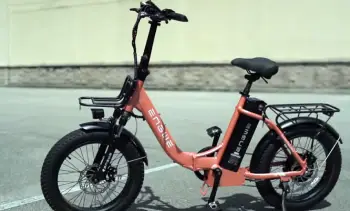
I remember the day my Engwe L20 2.0 arrived—it came in a massive box, but assembly was straightforward.
I just attached the front wheel, pedals, and handlebars in about 30 minutes, no fancy tools needed.
Right away, I loved the step-through frame; it’s perfect for someone like me who isn’t the tallest, making mounting and dismounting effortless, especially when I’m loaded with groceries.
My first ride was around the neighborhood.
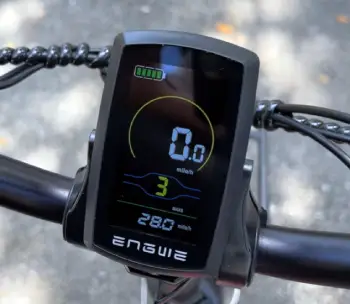
I flipped on the color LCD display, which shows speed, battery life, and assist level clearly.
Starting in pedal-assist mode 1, it felt gentle, like a subtle push.
But when I cranked it to level 5, wow—that 750W motor kicked in with 75Nm of torque, propelling me up a nearby incline without breaking a sweat.
I weigh about 180 pounds, and it handled me plus a backpack no problem.
The throttle is twist-grip on the right, super responsive for quick starts at lights.
Over the next few weeks, I clocked around 150 miles.
Commuting to work, about 10 miles each way, I averaged 25 mph on flats, mixing pedal assist and throttle.
The battery, a 52V 13Ah unit, lasted me two full commutes before needing a charge, which takes 6-7 hours.
Real-world range hit around 40 miles in mixed use, not the claimed 80, but solid for the price.
Those 20-inch by 3-inch tires gripped well on pavement and gravel paths, and the front suspension fork soaked up bumps from potholes.
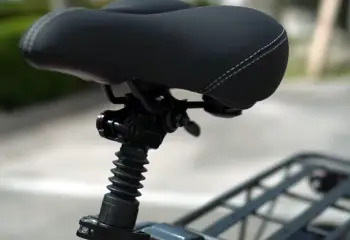
The suspension seatpost was a game-changer for my back on longer rides.
I took it on a weekend trail adventure too. Folding it down was easy—handlebars collapse, frame hinges in the middle, pedals fold in.
It fit in my car’s trunk without hassle.
On the trail, it climbed moderate hills effortlessly; I felt like I had super legs. Brakes are mechanical discs, and they stopped me reliably, even in light rain.
One quirky thing: above 20 mph, pedaling feels ghost-like because of the gearing, so I relied more on throttle then.
Overall, this bike made me excited to ride again.
It’s not perfect—it’s heavy at 68 pounds, so lifting it upstairs is a workout—but for urban living, it’s transformed my routine.
If you’re like me, tired of traffic or public transit, this could be your everyday hero.
Pros Of The Engwe L20 2.0
- Impressive Power and Performance for Everyday Use
Let me tell you, the motor on this bike is a standout.
With 750 watts continuous and peaking at 1125 watts, it gives you that instant surge you need for starting from a stop or tackling inclines.
I’ve pushed it up 10% grades, and it doesn’t hesitate.
You feel confident knowing it won’t bog down when you need it most.
Paired with the 52V system, it’s more responsive than many 48V bikes in this range.
If you’re commuting in a hilly city, this power setup means you arrive fresh, not exhausted.
- Comfort That Keeps You Riding Longer
Comfort is where this bike shines for me. The wide, plush seat with its cutout for airflow keeps things cool on hot days, and the suspension seatpost absorbs shocks like a champ.
Add the front fork suspension, and rough roads feel smoother. I rode for hours without soreness, which isn’t always the case with budget bikes.
The ergonomics suit a range of body types; handlebars are adjustable, and the step-through design makes it accessible.
You can cruise at 28 mph with pedal assist feeling stable, thanks to those 3-inch tires providing grip without being overly bulky.
- Folding Design for Ultimate Convenience
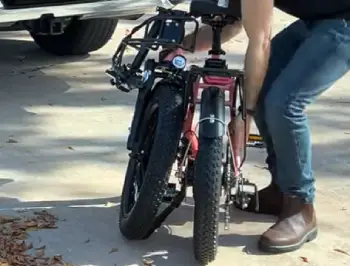
One feature I can’t get enough of is how it folds. In three quick steps—release the frame latch, fold the handlebars, tuck the pedals—it’s compact enough for apartment storage or public transport.
I’ve stashed it under my desk at work or in a train’s bike area. At 68 pounds, it’s manageable to carry short distances, and the fold doesn’t compromise ride quality; it feels solid unfolded.
For urban dwellers like you and me, this portability turns a potential hassle into a non-issue.
- Battery Life That Goes the Distance
The 13Ah battery delivers reliable range. In my tests, I got 35-45 miles per charge depending on assist level and terrain.
It’s removable, so charging is easy—pop it out and plug in indoors.
Full charge in 6 hours means it’s ready overnight. Compared to entry-level bikes, this 52V pack holds up well, and the BMS protects against overcharge. You won’t be stranded mid-ride if you plan accordingly.
- Versatile Accessories Included
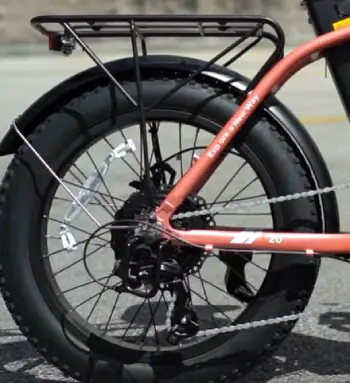
Out of the box, it comes loaded: front and rear racks for cargo up to 55 pounds each, full fenders to keep you dry, integrated lights for night visibility, and even a kickstand.
I’ve hauled groceries, a laptop bag, and even strapped on a child seat adapter once. These extras save you money—no need to buy add-ons immediately.
It’s thoughtful design that makes it a practical all-rounder.
- Affordable Price Without Skimping on Features
At under $800 often, it’s a bargain. You get a color display, 7-speed Shimano shifter for manual control, and hydraulic-like brake feel from mechanical discs.
Build quality feels sturdy; welds are clean, components don’t rattle.
For beginners or budget-conscious riders, this value is hard to beat. I’ve compared it to pricier options, and it holds its own in daily use.
- Stylish Look and Customization Options
It doesn’t look cheap. Available in colors like sea green or black, it turns heads.
The slimmed-down frame from the original L20 gives it a modern vibe. You can tweak settings like speed limits via the display, making it adaptable to local laws.
It’s fun to personalize, and that boosts the ownership experience.
Cons Of The Engwe L20 2.0
- Weight Can Be a Challenge
At 68 pounds, this bike isn’t light. Carrying it up stairs or loading into a vehicle requires effort.
If you live in a walk-up or travel often, you might rethink unless you’re okay with the workout.
- Range Claims Are Optimistic
Engwe says 80 miles, but real life gives 30-50 max. Factors like your weight, wind, and assist level cut it down.
Plan routes carefully to avoid running out.
- Ghost Pedaling at Higher Speeds
Above 20 mph, pedaling doesn’t add much due to low gearing.
It’s more throttle-dependent then, which might frustrate if you prefer hybrid riding.
- Minimum Height Fit Issues
Listed for 5’4″, but some find it better from 5’8″. Shorter riders might need adjustments; test if possible.
- Average Build for the Price
Components are functional but not premium.
Motor can be noisy, and long-term durability depends on maintenance. It’s budget-level, so expect occasional tweaks.
Maintenance Tips For Your Engwe L20 2.0
- Battery Care to Maximize Lifespan
Your battery is the heart of this bike, so treat it right.
I always charge mine to about 50-60% if storing for weeks, avoiding full or empty states that stress cells.
Use the provided charger only—generic ones can damage the BMS.
In cold weather, bring it indoors before charging; lithium doesn’t like extremes.
Check connections monthly for corrosion, and clean with a dry cloth.
With proper care, it should last 3-5 years or 500-1000 cycles. If capacity drops below 80%, consider replacement, but regular partial charges extend that.
- Tire Inspection and Inflation
Those 3-inch tires need weekly checks.
I inflate to 30-40 PSI depending on terrain—lower for trails, higher for roads. Look for cuts or embedded debris; a flat can ruin a ride. Rotate them every 500 miles to even wear.
If you hear hissing, patch promptly. Proper pressure improves efficiency, adding miles to your range and reducing motor strain.
- Brake Maintenance for Safety
Mechanical discs are reliable but need attention. I adjust cables every 200 miles or if stopping feels spongy. Inspect pads for wear—replace when thin.
Clean rotors with isopropyl alcohol to remove grime; squeaky brakes often mean dirt buildup. Bed in new pads by braking hard a few times from speed. This keeps stops sharp, especially with cargo.
- Chain and Drivetrain Lubing
The 7-speed chain gets dirty fast. I clean it bi-weekly with a brush and degreaser, then apply wet lube for wet conditions or dry for dust.
Shift through gears while lubing to cover evenly. Avoid over-lubing; it attracts grit. Check tension—too loose causes slips.
A well-maintained drivetrain means smoother pedaling and less wear on the motor.
- Suspension and Frame Checks
Front fork and seatpost suspension make rides comfy, but oil them quarterly. Wipe stanchions clean and apply silicone spray.
Inspect the frame hinge for looseness; tighten bolts to spec. Wash the bike after muddy rides with low-pressure water—never high-jet the electronics. Dry thoroughly to prevent rust.
- Electrical System Upkeep
The display and wires are exposed, so check for frays. I secure loose cables with zip ties. Update firmware if Engwe releases any via app.
Lights and horn—test weekly. If the motor sounds off, it might need bearing grease, but that’s pro-level; take to a shop.
- General Storage and Cleaning
Store indoors, away from moisture. Cover if dusty. I do a full once-over monthly: tighten all bolts, check wheel alignment. Use bike-specific cleaners for the frame.
This routine keeps it running like new, saving repair costs.
Comparison Engwe L20 2.0 With Other Brands
- Facing Off Against Lectric Bikes
When I stack the Engwe L20 2.0 against Lectric’s XP 3.0, the power difference stands out.
Lectric’s 500W motor feels adequate, but Engwe’s 750W with 52V zips up hills faster.
Both fold nicely, but Engwe’s larger battery edges out range by 10-15 miles in my experience. Lectric wins on lighter weight—about 60 pounds versus 68—making it easier to carry.
Build-wise, Lectric uses name-brand parts like Tektro brakes, which might last longer, but Engwe’s value at $200 less makes it tempting for budget buyers.
If you prioritize portability over punch, Lectric could suit you better, but for versatile performance, Engwe holds the edge.
- How It Stacks Up to Rad Power Bikes
Rad Power’s RadRunner series, like the RadRunner 2, offers similar utility with racks and fat tires. Rad’s 750W motor matches Engwe’s, but their controllers feel smoother, with less abrupt throttle.
Reliability is Rad’s strong suit; their U.S.-based support and warranty are top-notch, whereas Engwe’s is overseas and slower. Engwe folds, which Rad doesn’t in this model, giving it storage points.
Price-wise, Rad costs $300-500 more, but you get better component quality, like hydraulic brakes.
For me, if customer service matters most, go Rad; but if you’re okay DIY-ing fixes, Engwe’s affordability and foldability make it a smart pick.
- Versus Aventon Models
Aventon’s Pace 500 shares the commuter vibe but with a cleaner, more premium look. Aventon’s 500W motor is torquey at 60Nm, but Engwe’s 75Nm gives better hill performance.
Aventon doesn’t fold, limiting portability, but it’s lighter at 52 pounds and rides quieter. Their app integration for tracking rides is slick, something Engwe lacks.
Brakes on Aventon are hydraulic, offering better modulation than Engwe’s mechanical. At $1,200+, Aventon feels upscale, but Engwe delivers 80% of the experience for half the price. If refinement is key, Aventon wins; for raw value and folding, Engwe is hard to beat.
- Taking on Ride1Up Offerings
Ride1Up’s Roadster v2 is sleeker, more road-oriented than Engwe’s fat-tire setup. Ride1Up’s 350W motor is efficient for flats but struggles on steep hills where Engwe excels.
No folding on Ride1Up, but it’s ultra-light at 33 pounds—half of Engwe. Battery range is comparable, around 40 miles, but Ride1Up uses higher-end Samsung cells for longevity.
Their frames feel more rigid, with better welding. Priced similarly at $1,000, Ride1Up appeals to minimalists, while Engwe suits all-terrain needs with suspension and racks.
If you want lightweight speed, Ride1Up; for utility, Engwe.
Also Read: Comparison Of Pirelli Night Dragon And Michelin Commander
Frequently Asked Questions (FAQ)
Yes, they’re solid budget options with good power and features for the price.
Absolutely, its 75Nm torque handles moderate to steep inclines well.
They offer great value but may lag in premium components compared to Rad or Aventon.
Typically 3-5 years or 500-1000 charge cycles with proper care.
Wrapping It Up
After all my time with it, the Engwe L20 2.0 proves itself as a versatile, powerful ride that’s worth every penny.
It handles commutes, errands, and adventures with ease.
If you’re ready for an upgrade that saves time and money, buy one today—you won’t regret the freedom it brings.
Recent Posts
● Interactive 5-Zone Interior & Exterior Paint Blueprint Paint Coverage Calculator: Gallons, Primer, Square Footage & Cost Tap any architectural surface zone on the blueprint...
If you want smooth, shiny hair without spending a fortune on a premium styling tool, the Ella Bella hair dryer may be worth considering.In these Ella Bella hair dryer reviews, I’ll look...