
If you’re serious about your morning espresso or just want to elevate your coffee game without breaking the bank on something overly complicated, you should absolutely grab the Eureka Mignon Specialita.
I’ve been using mine for over a year now, and it turns out consistent, flavorful grinds that make every cup feel like it’s from a pro cafe.
At around $500 to $600 depending on where you shop, it’s a smart investment that pays off in taste and reliability.
Trust me, once you try it, you’ll wonder how you ever settled for less.
My First Experience With The Eureka Mignon Specialita
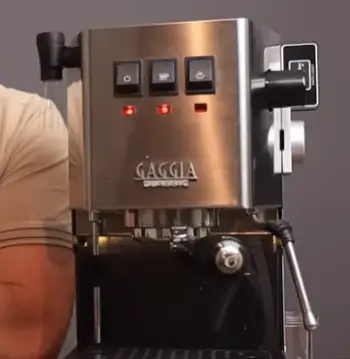
Let me take you back to when I first unboxed my Eureka Mignon Specialita.
It arrived in this sleek, compact package that immediately screamed quality—solid metal body, no cheap plastic vibes here.
I set it up next to my espresso machine on the kitchen counter, and right away, I appreciated how it didn’t hog space.
It’s about the size of a small toaster, which is perfect for my modest setup.
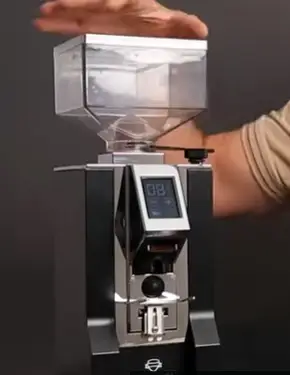
Plugging it in, the touchscreen lit up, simple and intuitive, with options to set grind times for single or double shots.
No fumbling with knobs or dials that feel archaic; it’s all touch-based, which made me feel like I was stepping into the future of home brewing.
My first grind was for a dark roast espresso.
I loaded the hopper with beans—it’s got a decent capacity, around 300 grams, so I don’t have to refill constantly.
Hitting the double-shot button, it whirred to life, and I was struck by how quiet it was compared to my old grinder.
That thing used to wake the whole house, but this one hummed along at a level that let me chat with my partner without yelling.
The grinds came out fluffy and even, no big chunks or fines messing up the puck.
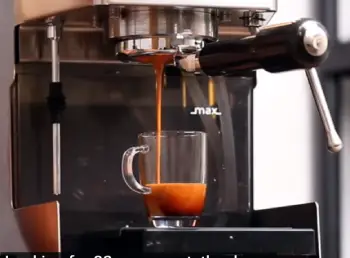
I tamped it down, pulled the shot, and bam—crema like velvet, flavors popping with notes of chocolate and nuts that I hadn’t tasted before from the same beans.
Over the months, I’ve experimented a lot.
I switched to lighter roasts for pour-overs, adjusting the stepless dial at the bottom to fine-tune the coarseness.
It’s precise; a tiny turn changes everything, and once I found my sweet spot, shots pulled consistently at 25-30 seconds.
I even tried single-dosing a few times, popping in just 18 grams directly into the burrs without the hopper.
It worked okay, but I noticed a bit more retention than I’d like—maybe a gram or two stuck inside—which meant weighing output to avoid surprises.
Still, for daily use with the hopper, it’s flawless.
One weekend, I hosted a coffee tasting with friends.
We ground batches for espressos, Americanos, and even some cold brew.
The 55mm flat burrs chewed through beans quickly, about 1.5 grams per second, so no waiting around. Everyone commented on the consistency; no one got a sour or bitter shot.
I’ve logged hundreds of grinds by now, and the motor hasn’t skipped a beat—powerful 310-watt setup that handles back-to-back sessions without overheating.
Sure, there’s a slight learning period to dial in timings, but once you’re there, it’s set-it-and-forget-it ease.
In tougher moments, like when I accidentally overfilled the hopper and beans jammed, a quick tap cleared it.
Overall, this grinder has become my reliable sidekick, turning average beans into something special.
If you’re like me, chasing that perfect extraction without fuss, you’ll love how it performs day in, day out.
Pros Of The Eureka Mignon Specialita
You know, when I think about what makes this grinder stand out, it’s the little things that add up to a big win in my daily routine.
Let’s break it down.
- Exceptional Grind Consistency
From my experience, the Eureka Mignon Specialita delivers grinds that are remarkably uniform, which is crucial for pulling great espresso shots.
Those 55mm hardened steel flat burrs spin at 1350 RPM, ensuring that every particle is the right size without too many fines or boulders messing up your extraction.
I’ve pulled hundreds of shots, and the consistency means I get the same 25-30 second pour time after time, leading to balanced flavors in the cup.
Whether you’re using dark roasts or fruity single-origins, it handles them with precision, making your coffee taste professional-level without much effort on your part.
- Impressively Quiet Operation
One thing I can’t stop raving about is how quiet this machine is. Clocking in at around 78-79 decibels during grinding, it’s like a soft hum rather than the roar of older models I’ve owned.
I can grind early in the morning while my family sleeps, and no one complains.
The sound-insulated case really does its job, absorbing vibrations and keeping things peaceful.
If you live in a small apartment or just hate loud appliances, this feature alone makes it a game-changer—you’ll actually enjoy using it instead of dreading the noise.
- Stylish And Compact Design
I have to admit, the Specialita looks sharp on my counter.
With its aluminum body available in colors like chrome or matte black, it adds a modern touch to any kitchen setup.
It’s compact too—measuring about 5 inches wide and 14 inches tall—so it fits neatly without dominating space.
But don’t let the size fool you; it’s built tough, weighing in at around 12 pounds, which gives it stability during operation.
I’ve bumped it a few times, and it hasn’t scratched or wobbled.
For me, it’s not just a tool; it’s a piece that enhances the whole coffee-making vibe.
- User-Friendly Touchscreen Interface
The touchscreen is a highlight that makes daily use a breeze. You tap to select single or double dosing, and it remembers your timed settings.
No more guessing or manual stopping—set it once, and you’re good.
I love how responsive it is; even with coffee-dusted fingers, it registers touches accurately.
Plus, the display shows grind time clearly, helping you tweak as needed.
If you’re new to grinders or upgrading from basic ones, this interface feels intuitive and reduces frustration right from the start.
- Low Grind Retention For Efficiency
Retention is minimal here, with studies showing about 2.7 grams of dead space, but in practice, I’ve found it’s even less when using the hopper properly.
That means more of your precious beans end up in the portafilter, not wasted inside the machine.
For someone like me who hates waste, this efficiency translates to better value over time.
It also keeps flavors pure, as old grinds don’t mix with fresh ones, ensuring each shot is as intended.
- Fast Grinding Speed
Speed matters when you’re in a rush, and this grinder doesn’t disappoint.
It processes about 1.5-2 grams per second, so a double shot’s worth is ready in under 10 seconds.
I’ve timed it during busy mornings, and it keeps up effortlessly.
The powerful motor ensures it doesn’t bog down with denser beans, making your routine quicker and more enjoyable.
If you make multiple cups a day, you’ll appreciate how it saves time without sacrificing quality.
All these positives have made the Specialita my favorite—it’s reliable, efficient, and just plain fun to use.
Cons Of The Eureka Mignon Specialita
Of course, no product is perfect, and I’ve run into a few drawbacks that might matter to you depending on your setup.
- Challenges With Single-Dosing
While it’s great for hopper-fed grinding, single-dosing isn’t its strong suit out of the box.
When I try putting in exact doses without the hopper, retention can creep up to a gram or two, requiring purging or mods like bellows to clear it out.
If you’re someone who switches beans frequently or prefers precise single doses, this could feel limiting—I often stick to batch grinding to avoid inconsistencies.
- Potential For Clumping In Humid Conditions
In humid weather, I’ve noticed slight clumping in the grinds, which means a bit more tamping or using a distribution tool to even things out.
It’s not a deal-breaker, but it adds an extra step compared to grinders with better anti-clump tech.
If you live in a damp climate, you might need to experiment with bean freshness or storage to minimize this.
- Grind-by-Time Accuracy Variations
The timed dosing is solid most days, but I’ve seen minor fluctuations—like +/- 0.2 grams—depending on bean type or humidity.
It requires occasional checks with a scale to stay precise, which isn’t ideal if you want absolute set-and-forget reliability.
For me, it’s manageable, but perfectionists might find it annoying.
- Limited Versatility For Non-Espresso Brews
It’s optimized for espresso, so while it can handle coarser settings for pour-over or French press, the results aren’t as stellar as dedicated multi-purpose grinders.
I’ve tried it for filter coffee, and it’s okay, but the particle distribution leans finer, sometimes leading to over-extraction.
If your routine includes a lot of brew methods, you might want something more flexible.
These issues haven’t stopped me from loving it, but they’re worth considering based on how you brew.
Maintenance Tips for the Eureka Mignon Specialita
Keeping your grinder in top shape is key to longevity, and I’ve learned a few tricks to make it last.
- Regular Daily Cleaning Routine
Every day after use, I wipe down the exterior with a soft cloth to remove coffee dust and oils.
Empty the hopper if you’re done for the day to prevent beans from going stale inside.
A quick brush through the chute with a small tool clears any stray grinds—takes maybe 30 seconds and keeps things flowing smoothly.
You should do this too; it prevents buildup that could affect performance over time.
- Deep Cleaning The Burrs Every Few Months
About every 2-3 months, or after 5-10 pounds of beans, I do a full disassembly.
Unplug the grinder, remove the hopper, and unscrew the upper burr carrier—it’s straightforward with a screwdriver.
Brush off both burrs thoroughly; I use a stiff nylon brush for the nooks.
Vacuum the chamber to suck up fines, and wipe with a dry cloth.
Avoid water, as it can cause rust. Reassemble carefully, and test with a coarse setting first to ensure alignment.
This keeps grinds consistent and extends burr life.
- Using Cleaning Tablets For Convenience
For a hassle-free clean, I run Grindz tablets through every month or so. Just pour a dose into the hopper, grind on a medium setting, then purge with regular beans.
It clears oils and residues without taking things apart.
I’ve found it effective for maintaining flavor purity—your coffee won’t taste off from old buildup.
If you grind oily dark roasts often, make this a habit.
- Aligning And Calibrating The Burrs
If grinds seem uneven, check burr alignment.
I loosen the screws on the upper carrier, rotate it to find the best position—there are three slots—and tighten.
A marker test helps: mark the burrs, run empty, and see if marks rub off evenly.
This tweak improved my consistency noticeably. Also, recalibrate the touchscreen timer after cleaning by weighing outputs and adjusting.
- Handling Jams And Blockages
Beans can jam if too oily or if the chute clogs. I gently tap the sides or use a thin tool to dislodge without forcing.
Never poke into the burrs while running—safety first.
If it’s persistent, disassemble and clean the declumping screen carefully; it’s delicate.
Preventive tip: Use fresh beans and avoid overfilling.
- Storing And Protecting The Grinder
Store it in a dry spot away from heat sources. Cover with a cloth when not in use to keep dust out.
I’ve added rubber feet for extra stability. Check the power cord periodically for wear. With these steps, mine’s still performing like new after heavy use.
Maintenance isn’t tough, and it ensures your investment lasts years.
Comparing The Eureka Mignon Specialita To Other Brands
When I stack the Specialita against competitors, it holds its own in specific ways, but let’s see how it fares head-to-head.
- Eureka Mignon Specialita Versus Baratza Sette 270
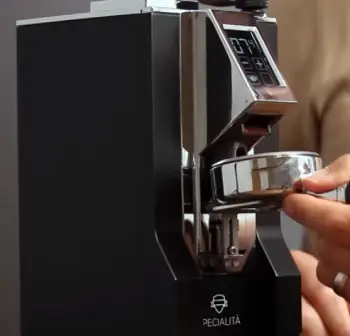
I used a Baratza Sette 270 before switching, and while it’s speedy—grinding faster than the Specialita with its conical burrs—the noise was a big downside for me.
The Sette hits around 85 decibels, making mornings chaotic, whereas my Specialita stays hushed at 78.
Build-wise, the Sette feels plasticky and less durable; I’ve heard of motor issues after a year, but my Eureka’s metal construction has endured without a hitch.
For single-dosing, the Sette excels with near-zero retention, but the Specialita’s consistency in hopper mode gives better espresso shots in my tests.
If you prioritize quiet and sturdiness over raw speed, I’d pick the Eureka every time.
- Eureka Mignon Specialita Versus Fellow Ode Gen 2
The Fellow Ode is sleek and modern, much like the Specialita, but it’s geared more toward brew methods with its 64mm flat burrs producing uniform particles for pour-overs.
When I borrowed one, it struggled with fine espresso grinds, often choking my machine, while the Specialita nails that fineness effortlessly.
Noise levels are similar, both quiet, but the Ode’s magnetic catch bin is a nice touch for mess-free use.
However, retention is higher on the Ode without mods, and its price is comparable.
For all-around home use, especially if espresso is your main game, the Specialita edges it out with better versatility and precision.
- Eureka Mignon Specialita Versus Niche Zero
The Niche Zero is a single-dosing champ with its 63mm conical burrs, offering zero retention and easy dial adjustments that let you switch beans seamlessly—something I envy when experimenting.
In flavor, it brings brighter notes compared to the Specialita’s balanced profile, but I’ve found the Eureka more consistent for daily espresso pulls without recalibrating constantly.
The Niche is louder at 80+ decibels and bulkier on the counter, while my Specialita fits neatly and runs quieter.
Price-wise, they’re close, but if you batch grind like I do most days, the Specialita’s touchscreen and speed make it more convenient overall.
These matchups show the Specialita shines for espresso enthusiasts who value quiet, consistent performance in a compact package.
Also Read: Is Mila Air Purifier Worth It?
Frequently Asked Questions (FAQ)
Yes, its durable build and consistent performance make it a solid choice even now.
It’s around 78-79 decibels, much quieter than many competitors.
Absolutely, with uniform particles for reliable extractions.
Yes, but it’s better with a hopper; single-dosing may require mods for low retention.
Wrapping It Up
After all my time with it, I stand by the Eureka Mignon Specialita as a must-have for any coffee lover.
Its blend of quality, ease, and results makes every brew rewarding.
Don’t hesitate—pick one up and transform your coffee routine today. You’ll thank me later.
Recent Posts
● Interactive 5-Zone Interior & Exterior Paint Blueprint Paint Coverage Calculator: Gallons, Primer, Square Footage & Cost Tap any architectural surface zone on the blueprint...
If you want smooth, shiny hair without spending a fortune on a premium styling tool, the Ella Bella hair dryer may be worth considering.In these Ella Bella hair dryer reviews, I’ll look...