
If you want an everyday olive oil that is easy to find, versatile in the kitchen, and reasonably priced, I think Filippo Berio Extra Virgin Olive Oil is worth considering.
I bought it because I wanted an EVOO I could use for cooking, salad dressings, dipping, and finishing without constantly worrying about wasting an expensive bottle.
My experience was generally positive, particularly for everyday meals. If you want a practical supermarket EVOO from an established olive oil brand, you can consider buying Filippo Berio Extra Virgin Olive Oil.
My Personal Experience With Filippo Berio Extra Virgin Olive Oil

I usually judge olive oil on four things first: aroma, flavor, texture, and how well it behaves in everyday cooking.
Filippo Berio Extra Virgin Olive Oil gave me a fairly balanced experience across all four.
When I first opened the bottle, the aroma was noticeably olive-like but not overwhelmingly strong.
I picked up a mild fruity character rather than an intense grassy or peppery smell.
That immediately told me this was positioned more as an everyday cooking oil than a highly expressive finishing oil.
I tasted a small amount on its own before using it with food. The flavor was relatively mild and approachable.
I noticed some fruitiness, followed by a modest bitterness and a light peppery sensation. It did not have the dramatic intensity I associate with some premium extra virgin olive oils, but I actually found that useful for regular cooking.
I used it for sautéing vegetables, roasting potatoes, preparing pasta, making salad dressing, and drizzling over bread.
Its versatility was one of the strongest parts of my experience. I could use the same bottle for several jobs without feeling that the flavor was fighting with the food.
One thing I particularly liked was its ability to disappear into a recipe when I wanted it to.
If I sautéed garlic and vegetables, the oil contributed richness without dominating the ingredients. In a simple tomato salad, however, I could still notice its fruity character.
I also paid attention to texture. It felt smooth and relatively light on the palate rather than excessively heavy.
When I mixed it into homemade vinaigrette, it blended nicely with vinegar, lemon juice, herbs, salt, and pepper.
That said, I would not describe my experience as equivalent to tasting a fresh, small-batch EVOO from a specialized producer.
If you enjoy very bold olive oils with pronounced green fruit, fresh-cut grass, strong bitterness, and a long peppery finish, Filippo Berio may feel comparatively restrained.
For me, that distinction matters. I see Filippo Berio Extra Virgin Olive Oil primarily as an accessible, multipurpose kitchen oil.
I wouldn’t necessarily choose it when I wanted to make an expensive bottle of olive oil the centerpiece of a tasting experience.
For everyday meals, though, I found it dependable and convenient. That balance between accessibility, versatility, and moderate flavor is probably the main reason someone would choose it.
Pros Of Filippo Berio Extra Virgin Olive Oil
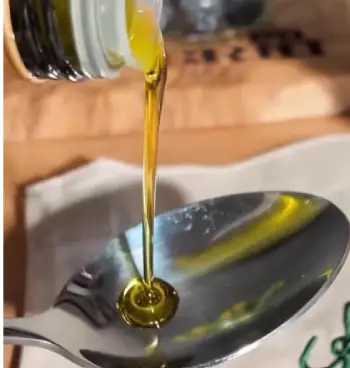
- Versatile Everyday Use
The biggest advantage I noticed is versatility.
I can use this type of EVOO for sautéing, roasting, dressings, marinades, pasta, dipping, and finishing. That makes it practical for households that don’t want multiple bottles of olive oil sitting around.
When I buy an everyday cooking oil, I want flexibility. I don’t want to open a bottle and wonder whether I’m “allowed” to use it for a particular recipe.
Filippo Berio works well as a general-purpose option.
- Familiar and Accessible Brand
Another advantage is familiarity.
Filippo Berio is widely recognized, which makes the product easier for shoppers to identify. If you’re standing in a supermarket comparing numerous olive oil bottles, a familiar brand can simplify the decision.
That doesn’t automatically prove that one bottle is superior to another, but brand familiarity can provide convenience.
- Mild, Approachable Flavor
I think the moderate flavor profile will appeal to people who don’t want extremely bitter or peppery olive oil.
If you’re introducing EVOO into your cooking, a very intense bottle can sometimes be surprising. Filippo Berio’s milder character makes it easier to incorporate into everyday dishes.
- Useful for Cooking
I particularly appreciate an olive oil that doesn’t become a special-occasion-only product.
I can use it to roast vegetables, cook aromatics, prepare sauces, or make dressings without feeling like I’m wasting a premium oil.
That practical quality matters.
- Smooth Texture
The texture felt smooth enough for everyday use. I didn’t find it unpleasantly heavy or greasy when used in reasonable amounts.
Of course, olive oil is still calorie-dense, so portion size matters if you’re monitoring total dietary intake.
- Suitable for Simple Recipes
Sometimes I don’t want a complicated ingredient.
When I’m making a basic salad or quick pasta, I want the olive oil to support the recipe rather than demand attention.
That’s where a moderately flavored EVOO can be useful.
Cons Of Filippo Berio Extra Virgin Olive Oil
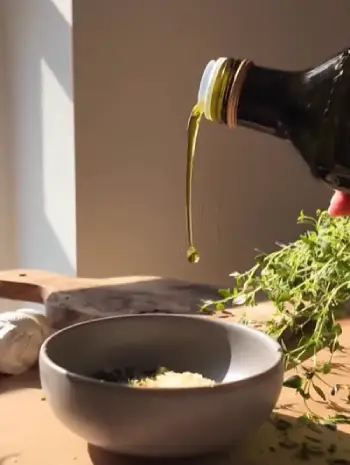
- It May Feel Too Mild for EVOO Enthusiasts
This is probably my biggest criticism.
If you regularly taste premium extra virgin olive oils, you may find Filippo Berio relatively restrained.
A high-character EVOO can offer intense green fruitiness, bitterness, pepperiness, herbal aromas, and a longer finish. Filippo Berio isn’t necessarily trying to deliver that type of sensory experience.
- Not My First Choice for Premium Finishing
When I’m making something where olive oil is the main finishing ingredient, I prefer something more expressive.
For example, if I’m serving fresh tomatoes with sea salt and want the oil to shine, I might choose a more robust EVOO.
Filippo Berio can certainly work, but I don’t think it provides the same wow factor as a carefully selected premium oil.
- Flavor Can Depend on Storage and Freshness
This isn’t unique to Filippo Berio.
Olive oil is sensitive to light, heat, oxygen, and time. Even a good oil can lose some of its desirable characteristics if it is stored poorly or kept for too long after opening.
So if your bottle tastes flat, don’t immediately assume the brand itself is responsible.
- Bottle and Storage Matter
I always pay attention to how olive oil is stored.
If the bottle sits next to a hot stove or receives direct sunlight, the oil can deteriorate faster. That’s something shoppers sometimes overlook when evaluating an olive oil.
- Different People Want Different Flavor Profiles
Another limitation is simply personal preference.
You may love bold, bitter EVOO. I may prefer something softer. Someone else may want an extremely fruity oil.
There is no single flavor profile that makes everyone happy.
Maintenance Tips for Filippo Berio Extra Virgin Olive Oil
- Keep the Bottle Away From Heat
This is the first thing I would change if someone keeps olive oil beside the stove.
It’s convenient, but repeated exposure to heat isn’t ideal.
I keep my olive oil in a cool, relatively stable environment rather than directly beside a burner or oven.
- Protect It From Light
Light is another factor I take seriously.
I avoid leaving the bottle in direct sunlight. A dark, cool cupboard is usually more sensible than a bright countertop.
If your kitchen gets strong sunlight during the day, a cupboard is an easy solution.
- Close the Cap Properly
Once I pour olive oil, I make sure the cap is securely closed.
It sounds obvious, but oxygen exposure is one of the things that can gradually affect oil quality.
I don’t leave the bottle open while cooking.
- Don’t Store It in Extreme Cold
I don’t refrigerate ordinary olive oil simply for routine storage.
Cold temperatures can cause olive oil to become cloudy or solidify. That doesn’t necessarily mean it has gone bad, but it can make the oil inconvenient to use.
A cool room-temperature cupboard is generally more practical.
- Use a Clean Pouring Surface
I try to keep the bottle opening clean.
If oil residue accumulates around the cap, wipe it away. A clean bottle is easier to handle and less likely to become sticky.
- Avoid Cross-Contamination
I never pour oil that has been mixed with food residue back into the original bottle.
For example, if I use oil in a marinade or dressing, I treat the leftover mixture separately.
Returning contaminated oil to the bottle can introduce moisture and food particles that aren’t appropriate for storage.
- Don’t Keep an Open Bottle Forever
This is one of the most important habits I recommend.
I prefer buying an amount I can realistically consume within a reasonable period after opening.
If you use EVOO every day, a larger bottle may make sense. If you use it only occasionally, a smaller bottle may be better.
- Taste It Periodically
I sometimes smell and taste my olive oil rather than blindly using it.
Fresh olive oil should have a pleasant olive-like aroma. If it starts smelling stale, waxy, rancid, or unpleasant, I don’t continue using it simply because the bottle isn’t empty.
- Clean the Storage Area
I keep the cupboard dry and reasonably clean.
Olive oil bottles naturally accumulate small amounts of residue over time, especially around the neck. Wiping the bottle occasionally keeps everything easier to handle.
- Don’t Treat the Bottle Like Decorative Kitchenware
I like having attractive ingredients visible in my kitchen, but olive oil is one product I prefer to protect rather than display.
If keeping the bottle on the counter exposes it to sunlight or heat, I’d rather put it away.
Comparison Of Filippo Berio Extra Virgin Olive Oil With Other Brands
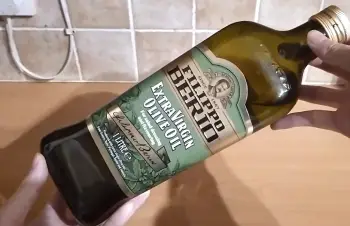
- Filippo Berio vs Bertolli
Bertolli is another mainstream olive oil name that many shoppers encounter alongside Filippo Berio.
When I compare the two categories, I see them as competing for the everyday supermarket shopper rather than someone exclusively searching for boutique EVOO.
Flavor can vary between individual products and bottles, so I wouldn’t declare one universally superior.
For me, the deciding factors would be the specific EVOO formulation, freshness, price, availability, and how I intend to use the oil.
If you’re cooking regularly and want something practical, both types of mainstream products can make sense.
- Filippo Berio vs Pompeian
Pompeian is another familiar name in the olive oil aisle.
When I compare Pompeian and Filippo Berio, I focus less on the logo and more on the exact bottle. Both brands offer multiple olive oil products, so simply comparing brand names doesn’t tell me enough.
For everyday cooking, I would consider flavor preference and price.
If you prefer a particular Pompeian product’s taste, there’s no reason to switch simply because another brand has a stronger reputation in your household.
- Filippo Berio vs California Olive Ranch
This is a more interesting comparison for me because California Olive Ranch has products positioned around a different style of olive oil experience.
When I want a more pronounced olive flavor and I’m willing to pay more for a particular bottle, I may look toward products with stronger freshness and flavor emphasis.
When I want a broadly useful supermarket oil for cooking, Filippo Berio’s accessibility becomes more appealing.
I see the choice as depending heavily on what you’re trying to accomplish in the kitchen.
- Filippo Berio vs Lucini
Lucini is another brand that can appeal to shoppers who pay more attention to olive oil flavor and product positioning.
When I use EVOO primarily as a finishing ingredient, I tend to appreciate a more distinctive sensory profile.
When I’m using several tablespoons in a large recipe, however, I may prioritize versatility and cost.
That’s where Filippo Berio can make practical sense.
- Filippo Berio vs Premium Small-Batch EVOO
This is where I notice the biggest difference.
A premium small-batch EVOO can have much more expressive aromas and flavors. Depending on the oil, I might notice fresh grass, green fruit, herbs, artichoke, tomato leaf, almond, pepper, or other characteristics.
That kind of oil can be fantastic for dipping and finishing.
But I don’t think every meal needs that level of intensity.
For everyday cooking, I often prefer something that performs consistently without making me think too hard about how much I’m using.
Is Filippo Berio Extra Virgin Olive Oil Good For Cooking?
In my experience, yes.
I think it’s particularly useful for people who want one bottle that can handle multiple kitchen tasks.
I use olive oil for sautéing, roasting, dressings, marinades, pasta, and finishing. An EVOO can be a practical everyday fat for many cooking situations.
However, I wouldn’t make broad claims that any olive oil is ideal for every cooking method. Cooking temperature, recipe requirements, smoke point, and personal preference all matter.
For ordinary home cooking, Filippo Berio Extra Virgin Olive Oil can be a convenient option.
Also Read: Is Kuri Nuka Batana Oil Worth It?
Frequently Asked Questions (FAQ)
I consider it a solid everyday EVOO with a mild, versatile flavor rather than a premium tasting oil.
It is sold as genuine extra virgin olive oil; check the specific bottle’s labeling, packaging, and seller when buying.
It depends on the specific product. Check the bottle to confirm whether it is labeled extra virgin olive oil or another olive oil category.
Some may, but Italy has many regional producers and olive oils, so it isn’t accurate to assume it is used by all Italians.
Wrapping Up
I think Filippo Berio Extra Virgin Olive Oil is worth buying if you want an accessible, versatile EVOO for everyday cooking, salads, marinades, pasta, roasting, and casual dipping.
I wouldn’t choose it primarily for a high-end olive oil tasting because its flavor is relatively approachable rather than intensely complex. If you’re a practical home cook, though, I think it earns consideration.
Buy it when the specific bottle, freshness, price, and storage conditions make sense for you, and remember that proper storage can make a noticeable difference to your overall olive oil experience.
Recent Posts
I tried Meltoway Hair Dissolving Cream because I wanted a quick way to deal with unwanted body hair without reaching for a razor every few days. If you are looking for a convenient at-home...
If you’re considering a saffron-based supplement to support mood, appetite control, and everyday wellness, Happy Saffron Plus is worth considering.I like that it takes a familiar botanical...