
I spent weeks testing both the Fissler Vitavit and Vitaquick in my own kitchen because I needed a clear answer on which one actually fits daily cooking without the usual marketing fluff.
My goal here is simple: help you decide which model matches how you cook, what you value in safety and control, and where your budget sits so you walk away confident instead of guessing.
| Feature | Fissler Vitavit | Fissler Vitaquick |
| Cooking Levels | 4 (including pressure-free steam) | 2 (high and low pressure) |
| Pressure Indicator | Traffic-light (yellow-green-red) | Simple blue/white lines |
| Cooking Surface | Novogrill textured for browning | Smooth stainless |
| Base | CookStar encapsulated | Superthermic encapsulated |
| Typical Accessories | Often includes steamer insert + tripod | Glass lid common; inserts optional |
| Ease for Beginners | Moderate learning curve | Very straightforward |
| Price Position | Higher | Generally more accessible |
| Material & Origin | 18/10 stainless, made in Germany | 18/10 stainless, made in Germany |
| Stovetop Compatibility | All including induction | All including induction |
My First Experience With Both Product
My first experience with both the Fissler Vitavit and Vitaquick happened on the same weekend.
I decided to cook identical batches of chicken stew so I could compare them side by side right away.
I started with the Vitaquick. The lid locked with a clear click and the simple blue indicator rose steadily. Pressure built without drama.
I set the high setting, lowered the heat once the marker appeared, and timed twenty-five minutes. When I released the steam the handle directed it safely away.
The stew came out tender and the pot wiped clean in under a minute. Everything felt straightforward and calm.
Next I used the Vitavit. The traffic-light indicator shifted from yellow to green as pressure settled.
I chose the medium level and watched the display stay steady. The Novogrill surface gave the chicken a light sear before I added the liquid.
After the same twenty-five minutes the meat was equally soft, yet the vegetables kept a bit more texture. Cleanup took slightly longer because of the textured floor, but the results felt more controlled.
Both pots heated evenly on my induction stove and held pressure without fuss. The Vitaquick felt easier and quicker to master on day one.
The Vitavit rewarded the extra attention with better browning and clearer feedback. By the end of that first session I already knew which features I would reach for most often.
Key Differences Between The Fissler Vitavit And Vitaquick
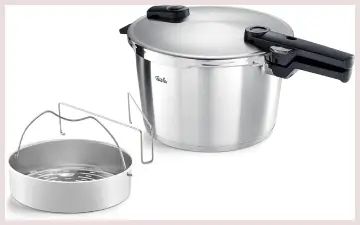
- Cooking control options: The Vitavit offers four distinct levels that let you cook gently, moderately, firmly, or steam without pressure, and this range helped me handle mixed meals in one pot.
The Vitaquick sticks to two clear pressure settings that cover most everyday needs without extra choices.
- Visual feedback system: Vitavit uses a traffic-light display that shifts from yellow while building pressure to green when timing can begin and red if the heat climbs too high.
Vitaquick relies on a simpler rising disc with one or two white lines that still give a reliable signal once you learn it.
- Surface texture and browning: The Novogrill pattern on the Vitavit creates better color on meat and keeps food from sliding around the pot.
The Vitaquick’s smooth floor cleans more quickly and works well when you brown ingredients in a separate pan first.
- Included extras and price feel: Vitavit models more often arrive with a steamer basket and tripod that expand what you can do in a single session.
Vitaquick frequently ships with a glass lid that turns the pot into regular cookware, and the overall price usually sits lower.
- Overall handling personality: The Vitavit feels like a tool built for cooks who want fine control and use the pot often.
The Vitaquick feels like a steady everyday workhorse that stays out of the way and still delivers solid results.
Key Features Of The Fissler Vitavit
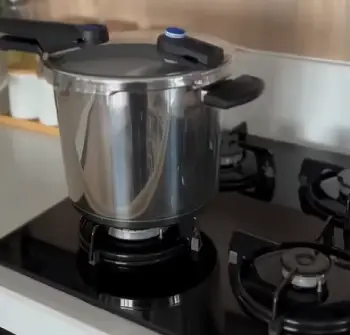
- Four cooking stages including steam: You can choose different pressure intensities or simply steam, and this flexibility allowed me to finish delicate vegetables above a braise without overcooking either part.
- Traffic-light pressure display: The color changes remove most of the guesswork because the green signal tells you when to start the timer and the red warning keeps the heat from climbing too far.
- Novogrill interior: The textured floor produces deeper browning on chicken or beef with less oil, and the pattern holds food in place while it sears.
- CookStar base and full induction readiness: Heat spreads evenly on induction or gas, and the thick base holds temperature steadily once pressure is reached so energy use stays lower on longer cooks.
- Removable handles and clear capacity marks: Handles come off for the dishwasher or tight storage, and the interior lines mark safe fill levels so you avoid overfilling foamy foods like beans.
Pros Of The Fissler Vitavit
- Greater cooking precision: The extra levels and traffic-light system let me dial in exact results for mixed dishes, and I stopped second-guessing the timing once I trusted the green signal.
- Better one-pot browning: The Novogrill surface produced deeper flavor without extra pans, and that mattered on nights when I wanted everything finished in a single vessel.
- Steamer insert often included: Layering proteins below and vegetables above became routine, and the components finished together while staying distinct.
- Premium feel and long-term support: Parts remain available and the build quality feels solid enough for years of regular use, so the German manufacturing shows in every seal and valve.
- Versatility beyond pure pressure: Pressure-free steaming opened options I did not expect from a pressure cooker, especially for fish and delicate greens.
Cons Of The Fissler Vitavit
- Higher purchase price: You pay for the extra features, and the added cost can feel unnecessary if your cooking stays simple most days.
- Slightly steeper initial learning: The traffic-light system and multiple settings take a few meals to become automatic, so beginners may prefer something simpler at first.
- Textured surface needs more care: Bits of food can lodge in the Novogrill pattern, and a soft brush solves it although the smooth Vitaquick cleans faster.
- Bulkier handle design on some models: The safety loop handle is secure yet takes more cabinet space, so storage planning matters if your kitchen is tight.
Key Features Of The Fissler Vitaquick
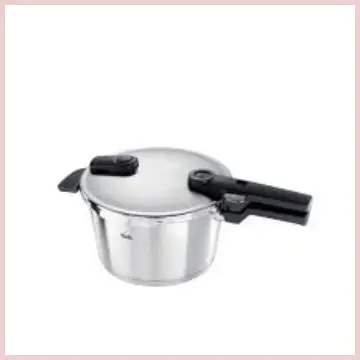
- Two straightforward pressure settings: Low pressure handles tender vegetables while high pressure works for meats and legumes, and these two options covered nearly every recipe I tested.
- Simple visual pressure indicator: The blue-and-white rising marker is easy to read from across the kitchen, and a quick glance tells you whether to lower the heat.
- Smooth stainless cooking surface: Food releases cleanly and the pot wipes out fast, so cleanup stays light even after sticky stews.
- Superthermic base and induction compatibility: Even heating matches the performance of the Vitavit on every stovetop I tried, and the pot stays stable without hot spots.
- Locking indicator and steam-release on the handle: A clear click and color change confirm the lid is sealed, and the steam vents away from your hands for safer release.
Pros Of The Fissler Vitaquick
- Easier everyday operation: Two settings and a clear indicator mean almost no learning curve, and I handed it to a friend who had never used a pressure cooker and she succeeded on the first try.
- More accessible price point: You still receive full German stainless construction and safety systems without the premium markup, and that made the decision easier when I compared both.
- Faster cleanup: The smooth floor and simple valve design rinse clean with less effort, and dishwasher-safe parts keep maintenance light.
- Reliable core performance: Pressure builds quickly, holds steadily, and releases cleanly, so results on beans, stews, and rice matched the Vitavit in speed and tenderness.
- Flexible glass lid option: Many units include a glass lid so the pot works as regular cookware when you are not under pressure, and that stretches its usefulness.
Cons Of The Fissler Vitaquick
- Fewer cooking levels: You cannot fine-tune as precisely or steam without pressure, and complex layered meals require more workarounds.
- Basic pressure feedback: The simple lines work yet give less information than the traffic-light system, so I checked the heat more often until I learned the timing.
- No textured browning surface: Searing inside the pot is less effective, and an extra skillet step becomes normal if you care about crust.
- Accessories less consistently included: Steamer baskets are often sold separately, and the base package feels complete for pressure cooking but thinner on extras.
Real Kitchen Experience With Both

I cooked the same recipes side by side for three weeks. Weeknight chicken and rice, weekend beef stew, dried beans from scratch, and steamed fish with vegetables all went into both pots.
Both reached pressure in roughly the same time on induction and held it without drama. The Vitavit’s green light made timing more confident while the Vitaquick’s simplicity made the whole process feel lighter.
Cleanup tipped toward the Vitaquick every time. Flavor and texture differences stayed small once I adjusted heat and time.
The real gap showed up in control versus convenience. When I wanted maximum precision the Vitavit felt better. When I wanted dinner on the table with minimal thought the Vitaquick won.
Safety systems on both are thorough. Multiple valves, locking indicators, and directed steam release keep the process secure.
I never felt uneasy with either once the lid clicked shut. Parts availability is solid for both lines, which matters because gaskets and valves eventually need replacement on any pressure cooker.
Who Should Choose Which Model?
If you cook several times a week, experiment with different textures, or like the idea of steaming and pressure-cooking in the same pot, the Vitavit rewards the extra investment.
The traffic-light system and four levels become second nature and the Novogrill surface adds real value for browning. If you are new to pressure cooking, cook mainly straightforward meals, or simply want high-quality German construction without extra complexity, the Vitaquick delivers everything you need at a friendlier price.
Both will cut cooking times dramatically compared with conventional pots and both will last if you treat the gasket and valves with basic care.
Maintenance And Longevity Notes
Rinse the sealing ring after each use and dry it thoroughly. Store the lid upside down or with the ring removed so it keeps its shape.
The valves on both models come apart for cleaning, and a soft brush keeps them free of residue. Avoid abrasive pads on the exterior and interior.
With that routine both cookers should serve for many years. The conical shape on some sizes allows nesting, which helps if you own more than one pot.
Frequently Asked Questions (FAQ)
Vitavit has four cooking levels including steam, a traffic-light indicator, and a textured Novogrill surface. Vitaquick has two pressure settings, a simpler indicator, and a smooth floor.
Vitavit suits cooks who want maximum control and extras. Vitaquick suits those who prefer simplicity and value. Both perform at a high level.
Fissler ranks among the top for build quality, safety systems, and consistent results. Individual needs still decide the final pick.
Yes. The German construction, reliable valves, even heating, and long parts support make both lines strong long-term choices.
Final Thoughts
I started this comparison because I was tired of vague claims and wanted a practical answer for my own kitchen.
Both the Fissler Vitavit and Vitaquick are excellent pressure cookers made to the same high standard.
The Vitavit offers more refined control and a few thoughtful extras that serious home cooks will use.
The Vitaquick keeps things simple, cleans faster, and usually costs less while still delivering the speed and safety that make pressure cooking worthwhile.
Your decision comes down to how much flexibility you want versus how much simplicity you prefer.
Once you pick the one that matches your habits, you will wonder how you cooked without it.
Recent Posts
Gator Base Vs. Brock PaverBase: Which Lightweight Panel Wins For Your Patio?
I spent months researching and testing base options for my backyard patio project after watching traditional gravel installs turn into back-breaking weekends of digging, hauling, and...
Kingsdown Vs. Stearns & Foster: Which Luxury Mattress Actually Fits Your Sleep Style?
spent weeks testing and comparing Kingsdown and Stearns & Foster mattresses because I needed a clear answer on which luxury hybrid better matches real sleep needs for support, pressure relief,...