
If you’ve ever looked down at your feet and felt embarrassed by dry, cracked heels, you already know how frustrating it can be.
I reached a point where regular lotions simply stopped working for me, especially during colder months and after long days on my feet.
That’s when I decided to try Flexitol Heel Balm. After using it consistently, I understood why so many people keep talking about it.
If you want softer heels, fewer cracks, and something that actually feels like it’s repairing your skin instead of temporarily coating it, this balm is worth considering.
My Personal Experience With Flexitol Heel Balm
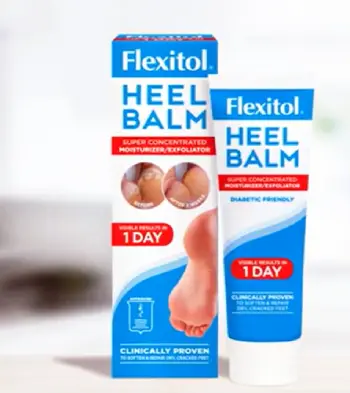
The first thing I noticed when I opened the tube was that the texture felt thicker than a normal foot cream.
It wasn’t greasy in the way petroleum-based products can be, but it definitely had a rich consistency that made it feel more treatment-focused.
I started using it twice a day—once in the morning and once before bed. My heels were in rough shape at the time.
I had visible cracks, flaky skin, and that uncomfortable rough feeling that catches on socks and bedsheets.
Walking barefoot on tile floors also felt unpleasant because the skin around my heels had become hard and sensitive at the same time.
After the first few days, I noticed the surface dryness calming down. The white, ashy appearance started fading, and my heels felt smoother when I touched them.
The deeper cracks didn’t disappear immediately, but they became less noticeable and less painful.
By the end of the second week, I could genuinely see a difference. The thickened skin around my heels looked healthier, and I no longer felt self-conscious wearing sandals.
What impressed me most was how little product I actually needed. A small amount spread surprisingly well.
I also liked that it absorbed faster than I expected. I’ve tried foot creams before that left my feet slippery for half an hour, but this one settled into the skin fairly quickly.
I could put socks on shortly after applying it without feeling uncomfortable.
What really sold me was consistency. Some products work for a few days and then seem to plateau. With Flexitol Heel Balm, the improvements kept building over time as long as I stayed consistent with application.
That said, I did notice a mild medicinal scent. It wasn’t terrible, but if you prefer heavily fragranced skincare products, this one may feel more clinical than luxurious. Personally, I cared more about results than fragrance, so it didn’t bother me much.
What Makes Flexitol Heel Balm Stand Out?
One reason this balm gets so much attention is its formula. Unlike basic moisturizers that mostly sit on top of the skin, Flexitol Heel Balm feels designed specifically for cracked heels and severely dry feet.
The inclusion of urea makes a major difference. Urea helps soften thick, rough skin while also improving moisture retention. That combination matters because cracked heels are usually caused by both dryness and hardened skin buildup.
When I compared it to ordinary body lotion, the difference was obvious. Regular lotion gave me temporary softness. Flexitol actually helped reduce the hardened layers over time.
Another thing I appreciated was the balance between hydration and practicality. Some heel treatments feel sticky or messy, which makes daily use annoying. This balm manages to feel intensive without becoming unbearable to wear.
It also worked well year-round for me. In winter, it tackled severe dryness. In summer, it helped maintain smoother heels despite wearing open footwear more often.
Who Should Use Flexitol Heel Balm?
In my opinion, this balm works best for people dealing with genuinely dry or cracked heels rather than minor dryness.
If your heels feel rough enough to snag fabric, show visible cracking, or become painful during walking, you’ll probably appreciate the stronger formula.
It’s also useful if you spend long hours standing, wear sandals frequently, or live in a dry climate. Those situations can really destroy the skin barrier around your feet.
I’d especially recommend it for people who are tired of wasting money on lightweight foot creams that barely make a difference.
However, if your feet are already soft and only need occasional hydration, you might find this product stronger than necessary.
Pros Of Flexitol Heel Balm
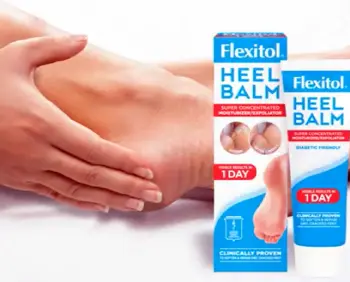
- It Delivers Visible Results
The biggest advantage is simple: it works. I noticed real improvements in texture, softness, and overall appearance within a relatively short period.
My heels didn’t just feel moisturized temporarily—they actually started looking healthier.
That visible progress made me more motivated to stick with the routine, which created even better long-term results.
- The Formula Feels Treatment-Focused
Many foot creams feel like regular body lotion packaged differently. Flexitol Heel Balm feels more serious.
The thicker consistency and active ingredients give it the feel of an actual repair product rather than a cosmetic moisturizer.
You can tell it was made specifically for cracked heels instead of being a generic cream marketed for everything.
- A Little Product Goes a Long Way
One tube lasted me longer than expected because I didn’t need huge amounts for each application. Even though the cream is thick, it spreads easily across the heel area.
That makes the price feel more reasonable because you’re not constantly repurchasing it every couple of weeks.
- It Softens Hardened Skin
One of the hardest things about treating cracked heels is dealing with thickened skin buildup. This balm helped soften those hardened areas gradually without requiring aggressive scrubbing.
That was important for me because over-exfoliating my feet usually made irritation worse.
- It Works Well Overnight
I got the best results when using it before bed with cotton socks. Overnight application gave the formula several uninterrupted hours to work, and I consistently woke up with softer heels.
If you build this into your nighttime routine, you’ll probably notice faster improvements.
- It Absorbs Better Than Expected
Despite being rich and thick, it didn’t leave my feet feeling greasy for hours. That balance matters because sticky products often discourage regular use.
I could still move around comfortably after applying it without sliding across the floor.
- Suitable for Ongoing Maintenance
Even after my heels improved, I kept using the balm several times a week for maintenance. It helped prevent the dryness from returning, especially during colder weather.
That long-term usefulness increased the value for me because it became both a treatment and a preventative product.
Cons Of Flexitol Heel Balm
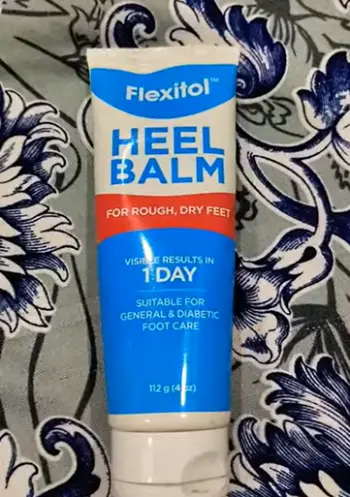
- The Texture Can Feel Heavy
One thing I noticed immediately was how thick the balm feels.
While that rich consistency helps with deeply cracked heels, it may feel too heavy if you prefer lightweight skincare products.
If you accidentally apply too much, your feet can feel sticky for a while, especially before bed.
I found that using a smaller amount solved this problem, but it still took a bit of trial and error.
- The Scent Feels More Medicinal Than Luxurious
If you enjoy heavily fragranced beauty products, Flexitol Heel Balm may disappoint you. The scent is mild, but it leans more clinical than relaxing.
Personally, I cared more about the results than the fragrance, but I can understand why some people might not love the smell.
It gives off more of a treatment vibe than a spa-like experience.
- Results Require Consistency
This isn’t one of those products you use once and magically wake up with perfect feet.
I noticed improvements within days, but the deeper cracks needed consistent application over time.
If you’re impatient or forget to apply products regularly, you may not see the full benefits. The balm works best when it becomes part of your daily routine.
- It May Not Suit Extremely Sensitive Skin
Although I personally didn’t experience irritation, some users with highly sensitive skin may notice mild stinging, especially if the cracks are severe or open.
Since the formula contains urea, it can feel slightly intense on damaged skin during the first few applications.
Testing a small amount first is probably a smart idea if your skin reacts easily.
- Slightly Pricier Than Basic Foot Creams
Compared to generic drugstore foot lotions, Flexitol Heel Balm usually costs a little more.
I think the performance justifies the price, but budget-conscious buyers may hesitate initially.
That said, because you only need a small amount each time, one tube can last longer than expected.
Tips For Flexitol Heel Balm
- Apply It Consistently
The biggest mistake people make with heel treatments is inconsistency. You can’t use a balm twice and expect dramatic changes.
I got the best results when I applied it every morning and every night during the first couple of weeks. Once my heels improved, I reduced usage slightly for maintenance.
Consistency matters more than applying huge amounts occasionally.
- Use It After Showering
Warm water softens the skin, making the balm more effective. I noticed better absorption when I applied the cream immediately after drying my feet post-shower.
Your skin is more receptive to moisture at that point, so the product can work more efficiently.
- Wear Cotton Socks Overnight
This made a major difference for me. After applying the balm before bed, I wore lightweight cotton socks to lock in moisture and prevent the cream from rubbing off onto bedding.
The overnight hydration boost noticeably accelerated my results.
- Don’t Over-Exfoliate Your Heels
When people see cracked heels, they often attack them aggressively with pumice stones or foot files. I learned that too much scrubbing can actually worsen irritation.
Instead of excessive exfoliation, I let the balm gradually soften the rough skin naturally.
- Stay Hydrated
This sounds simple, but hydration affects skin condition more than many people realize. When I increased my water intake, my skin overall—including my feet—looked healthier.
A heel balm works better when your body isn’t severely dehydrated.
- Avoid Walking Barefoot Too Often
Hard floors can worsen dryness and cracking. I noticed that my heels stayed softer when I wore supportive indoor footwear instead of constantly walking barefoot around the house.
Reducing friction helps preserve the skin barrier.
- Reapply During Harsh Weather
Winter air absolutely destroyed my heels before I started using Flexitol regularly. During colder months, I increased application frequency to keep dryness under control.
Environmental conditions matter more than people think.
Comparison Of Flexitol Heel Balm With Other Brands
- Flexitol Heel Balm vs O’Keeffe’s Healthy Feet
I’ve used both products, and they serve slightly different purposes. O’Keeffe’s Healthy Feet feels lighter and more everyday-friendly, while Flexitol feels stronger and more treatment-oriented.
When my heels were mildly dry, O’Keeffe’s worked fine. But once cracking became more severe, Flexitol produced faster and more noticeable improvements.
Flexitol also seemed better at softening thickened skin over time.
- Flexitol Heel Balm vs Gold Bond Foot Cream
Gold Bond products often feel cooling and refreshing, which can be pleasant after long days. However, I found Flexitol more effective for actual repair.
Gold Bond gave me temporary softness, while Flexitol created longer-lasting changes in texture and hydration.
If your problem is serious cracking rather than general dryness, Flexitol has the advantage.
- Flexitol Heel Balm vs Eucerin Advanced Repair
Eucerin is excellent for sensitive skin and overall body dryness, but Flexitol feels more specialized.
I liked Eucerin for maintaining healthy skin, but when my heels became rough and cracked, Flexitol worked more aggressively and efficiently.
The urea concentration in Flexitol seemed to make a visible difference.
- Flexitol Heel Balm vs Generic Drugstore Foot Creams
I’ve tried plenty of cheaper foot creams over the years, and many of them simply didn’t last long enough on the skin to make a major impact.
Generic formulas often felt watered down compared to Flexitol’s dense consistency.
While budget creams may help mild dryness, Flexitol performed better for stubborn roughness and deeper cracking.
Is Flexitol Heel Balm Worth the Price?
For me, yes.
I’ve wasted money on multiple cheaper creams that barely improved my heels, so paying slightly more for something effective actually saved me frustration in the long run.
Because the product lasts a while and requires only small amounts, I found the value reasonable.
If you’re dealing with painful cracking or persistent roughness, investing in a stronger formula can feel worthwhile very quickly.
The Best Way To Use Flexitol Heel Balm
Through trial and error, I found the ideal routine:
First, wash and dry your feet thoroughly. Then apply a moderate layer of balm to the heel area, focusing on cracked spots and rough skin.
Massage it in for about a minute to help absorption. At night, wear cotton socks afterward.
Repeat daily until your heels improve, then switch to maintenance applications several times a week.
Simple routines tend to be easier to maintain long term.
How Long Does It Take To See Results?
This depends on how damaged your heels are.
For me, the surface softness improved within a few days. The deeper cracks needed around two weeks of regular use before they noticeably improved.
Very severe dryness may require longer consistency.
The key is not expecting overnight perfection. Incremental progress builds steadily with continued use.
Would I Buy It Again?
Absolutely.
It became one of those products I keep around even when my heels are doing well because I know how quickly dryness can return.
I also appreciate how reliable it feels. Some skincare products rely heavily on marketing hype, but Flexitol Heel Balm delivered practical, visible improvements for me.
That reliability matters when you’re spending money on personal care products.
Frequently Asked Questions (FAQ)
Some people may experience mild irritation, redness, or sensitivity, especially if they have very sensitive skin or open cracks.
Yes, many podiatrists recommend it for dry and cracked heels because of its intensive moisturizing formula.
Many people consider Flexitol Heel Balm one of the best options for severe dryness and cracked heels.
Yes, it contains urea, which helps soften rough skin and improve moisture retention.
Final Thoughts
After testing countless foot creams over the years, Flexitol Heel Balm stands out as one of the few products that genuinely improved my cracked heels instead of masking the problem temporarily.
It’s rich, effective, and surprisingly practical for daily use. While the scent and thicker texture may not suit everyone, the results made those minor issues easy for me to overlook.
If your heels are dry, rough, or painfully cracked, this balm has a strong chance of becoming part of your regular routine.
Recent Posts
I tried Meltoway Hair Dissolving Cream because I wanted a quick way to deal with unwanted body hair without reaching for a razor every few days. If you are looking for a convenient at-home...
If you’re considering a saffron-based supplement to support mood, appetite control, and everyday wellness, Happy Saffron Plus is worth considering.I like that it takes a familiar botanical...