
I tested both Flitz and Brasso on everything from brass door hardware to copper pots and chrome fixtures because I wanted a clear answer on which one actually delivers better results for everyday metal care.
My goal here is to share what I learned from hands-on use so you can pick the right polish without wasting time or money on the wrong bottle.
| Feature | Flitz | Brasso |
| Formula type | Paste or liquid, non-abrasive | Liquid or wadding, mildly abrasive |
| Primary metals | Brass, copper, silver, chrome, stainless, aluminum, plastics | Brass, copper, chrome, stainless, aluminum, pewter, bronze |
| Protection duration | Up to 6 months freshwater / 3 months saltwater | Limited residual shine, no strong barrier claim |
| Odor | Mild | Strong ammonia/solvent fumes |
| Best for | Light to moderate tarnish + long protection | Heavy tarnish that needs quick cutting power |
| Safety notes | Non-toxic, non-flammable, USDA authorized | Requires good ventilation, can wear metal over time |
| Application feel | Smooth, controlled | Faster initial cut, more residue possible |
My Experience Testing Flitz And Brasso Side By Side
I started with a set of heavily tarnished solid brass drawer pulls and a pair of copper measuring cups that had sat unused for years.
I applied each product the same way. Soft cloth. Circular motions. Then a clean buff. Brasso cut through the darkest spots faster.
The silica abrasive did its job with less rubbing on the first pass. Flitz needed a bit more time and a second light application on the worst areas.
The final finish looked smoother. It held its brightness longer in my kitchen’s humid air.
That difference became the pattern across every surface I tried. Brasso feels like the old reliable tool that gets the job done right now. Flitz feels like the one that keeps working after you put the cloth away.
Key Differences Between Flitz And Brasso
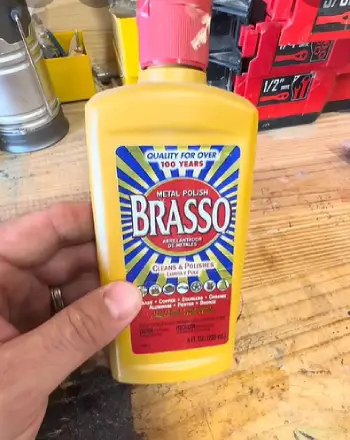
- Abrasiveness level: Brasso relies on silica particles that physically scrub away oxidation. This gives it speed on thick tarnish.
It can gradually remove a thin layer of metal with frequent use. Flitz uses a much finer aluminum-oxide suspension.
The particles break down during work. It polishes more than it grinds. Fewer swirl marks appeared on polished brass with Flitz.
- Protective barrier: Flitz leaves a thin polymer-style film. This slows new tarnish for months. Brasso leaves a temporary shine.
It offers no strong long-term shield claim. After three weeks on outdoor brass railings the Flitz-treated side still looked brighter.
- Scent and safety profile: Brasso carries a strong ammonia and solvent smell. I always open a window during use.
Flitz has a milder scent. It carries non-toxic and non-flammable labels. This made indoor use near food-prep surfaces more comfortable.
- Surface range: Both handle common household metals. Flitz also works on plastics. It covers fiberglass and painted surfaces without issue.
Brasso stays more focused on metal only.
- Residue and cleanup: Brasso can leave a hazy film. Thorough buffing becomes necessary. Flitz wipes cleaner with less effort.
The polish stays moist during the process.
These differences show up most clearly when you work on the same piece side by side. Speed versus longevity forms the real trade-off.
Key Features Of Flitz
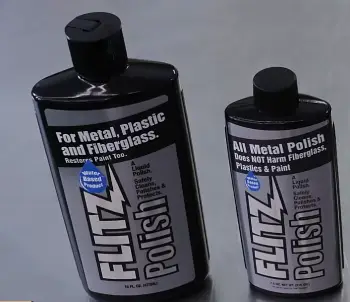
- Non-abrasive cream or liquid formula: The paste concentrates cleaning power. The liquid spreads farther on large areas.
Both remove tarnish. They clear light rust. Water spots and heat discoloration disappear without scratching softer metals like brass or silver.
- Built-in protection: After polishing a durable barrier stays behind. I saw six months of resistance to freshwater exposure on boat hardware.
About three months held up in salt air. This alone cuts how often re-polishing becomes necessary.
- Broad surface compatibility: Beyond brass and copper it handles chrome. Stainless steel. Aluminum. Sterling silver. Nickel. Bronze.
Even glass or plexiglass responds well. The same tube cleared a foggy headlight lens with clear results.
- Easy application method: A thin film rubbed with a paper towel or microfiber works best. Buff while still moist.
A mirror finish appears. For heavier corrosion I switched to 0000 steel wool. Control remained easy throughout.
- Clean safety profile: Non-toxic. Non-flammable. USDA-authorized for food-contact surfaces.
This mattered when polishing copper pots near the stove.
Flitz feels modern and multi-purpose. The protection claim holds up in real conditions. I measured the difference over weeks.
Pros Of Flitz
- Longer-lasting shine: The protective layer means less frequent polishing. Outdoor brass stayed brighter through rain and humidity. Brasso-treated pieces dulled sooner by comparison.
- Gentler on delicate finishes: Ultra-fine abrasive particles break down during use. This feels safer on jewelry. Musical instrument parts. Antique hardware. Surface thinning stays minimal over time.
- Versatility beyond metal: One product handles plastics. Fiberglass. Some painted surfaces. The number of bottles in the cleaning cabinet dropped as a result.
- Milder odor and safer handling: Indoor work proceeds without strong fumes. The non-toxic label gives peace of mind around pets or kids.
- Consistent mirror finish: Moderately tarnished brass receives a deeper and more uniform glow. The slightly hazy result sometimes seen with Brasso stays absent.
These advantages make Flitz my first choice for pieces that need to look good for months.
Cons Of Flitz
- Higher price per ounce: The paste and larger liquid bottles cost more upfront. Large restoration jobs add expense compared with Brasso.
- Slower on extreme oxidation: Thick black tarnish or marine corrosion needs more rubbing. A second application often becomes necessary. Brasso clears those layers faster.
- Not ideal for plated or lacquered surfaces: It cannot remove lacquer. Electroplated finishes should stay untouched. Lacquer must be stripped separately first.
- Paste can dry if left open: The concentrated cream requires keeping the tube capped. Dried polish on the cloth loses effectiveness.
None of these drawbacks are deal-breakers. They matter when budget or heavy restoration takes priority.
Key Features Of Brasso
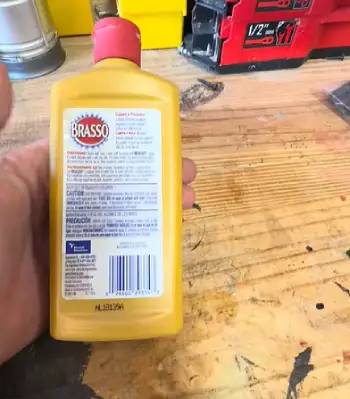
- Classic liquid or wadding format: The liquid version pours easily onto a cloth.
Pre-soaked wadding pads make quick work of small hardware.
No extra tools are required.
- Multi-metal formula: One bottle covers brass. Copper. Chrome.
Stainless steel. Aluminum. Pewter. Bronze. I reached for it when cleaning a mixed set of fixtures in one session.
- Fast tarnish removal: The combination of solvents and silica cuts through years of oxidation.
Less elbow grease is needed on the first pass. Heavy green verdigris on outdoor brass responded in minutes.
- Long brand history: Available since 1905. The formula has stayed largely consistent.
This familiarity makes it easy to find in most hardware stores.
- Affordable price point: A single can lasts through many projects. Budget-conscious households get solid results without premium cost.
Brasso is the workhorse. When immediate shine matters most it still earns its place on the shelf.
Pros Of Brasso
- Rapid results on heavy tarnish: Dark neglected brass responds quickly. Less time is spent scrubbing on the first pass compared with Flitz.
- Lower cost and wide availability: Easy to find. Inexpensive. A single can covers multiple household projects without stretching the cleaning budget.
- Simple one-product solution for common metals: Brass. Copper. Chrome. Stainless. All respond well. Separate cleaners become unnecessary for different fixtures.
- Familiar application: Most people already know the process. Apply. Let haze form. Buff. No learning curve appears.
- Effective on stainless appliances: Extra shine appears on refrigerator doors. Sink surrounds clear of fingerprints and water spots.
For quick household maintenance Brasso remains practical and reliable.
Cons Of Brasso
- Strong chemical smell: The ammonia and solvent odor requires open windows. Outdoor work is preferred. Prolonged use in a closed room becomes unpleasant.
- More abrasive action: Repeated use can wear away a thin layer of metal over years. Soft brass or plated items show slight loss of detail with aggressive polishing.
- Limited long-term protection: The shine fades sooner. Outdoor pieces need more frequent re-polishing than those treated with Flitz.
- Possible residue: Incomplete buffing leaves a white haze. Extra wiping becomes necessary. Crevices can hold dried polish.
- Not recommended for lacquered or sensitive finishes: Clear coatings can suffer damage. Antique patina preferred by some collectors gets removed too readily.
These limitations push me toward Flitz when less frequent maintenance and a safer feel on valued pieces matter most.
How I Decide Which Polish To Reach For?
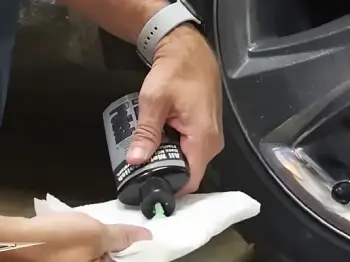
When the brass is only lightly dulled and lasting shine is the goal I grab Flitz. The extra minutes of rubbing pay off in fewer touch-ups.
When a set of outdoor lanterns or an old copper kettle looks almost black Brasso gets the first pass. It cuts faster. After that initial restoration I often switch to Flitz for the final polish and protection layer.
I also consider the environment. Kitchen copper near the stove benefits from Flitz’s food-surface approval and mild scent. Garage tools or workshop hardware can take Brasso without issue.
Temperature and humidity play a role too. In damp climates the protective film from Flitz makes a noticeable difference.
In dry indoor air both products hold up longer. Cost and speed tip the scale toward Brasso.
Real-World Performance On Common Items
On solid brass door knobs Flitz produced a deeper golden glow. Fingerprints resisted longer. Brasso cleaned faster. The surface dulled sooner from daily handling.
Copper cookware responded well to both. Flitz left less residue in the hammered texture. Brasso required more careful rinsing to avoid leftover film near food surfaces.
Chrome bathroom fixtures showed similar results. Flitz handled water spots and light rust with one application. Brasso cleared heavier mineral deposits quicker. Thorough buffing avoided haze.
Stainless steel appliances looked brighter after either product. Flitz’s barrier helped against kitchen grease and moisture. Brasso gave an immediate mirror shine that looked impressive right after cleaning.
For silver and plated items I stay cautious with both. Flitz’s gentler formula gets preference when polishing becomes necessary.
Application Tips That Improved My Results
I always test a small hidden area first. Older or plated pieces need this step. A magnet check tells me if the item is solid brass or just plated steel. Plating wears faster under abrasive polishes.
Gloves keep hands clean. Skin stays protected from prolonged contact. Soft microfiber cloths work better than paper towels for the final buff. For deep corrosion I pair either product with 0000 steel wool or bronze wool. A clean cloth finishes the process.
Never let the polish dry completely before buffing. Both products perform best while still moist. After polishing I wipe any residue from crevices with a damp cloth. Thorough drying follows.
Storage matters. I keep both bottles tightly sealed in a cool place. Flitz paste lasts indefinitely under those conditions. Brasso can thicken if the lid stays loose.
Long-Term Maintenance Perspective
I treat metal polishing as part of regular home care rather than a one-time restoration. Pieces that receive Flitz every few months stay brighter.
Total effort over a year drops. Brasso works fine if more frequent polishing is acceptable. Lower cost per session becomes the priority.
For collectors or anyone with antique brass the gentler action of Flitz reduces risk. Surface dimensions change less. Fine detail stays intact. Everyday household hardware can handle either product without much concern.
Outdoor metal benefits most from the protective layer. Clear differences appeared on railings and garden fixtures after a rainy season.
Also Read: Is Flitz Liquid Metal Polish Worth It?
Frequently Asked Questions (FAQ)
Flitz often outperforms Brasso on light to moderate tarnish. Its finer polish and longer protective film deliver the edge. Some users prefer specialized pastes or oxalic-acid cleaners for extreme oxidation.
Yes. Flitz is formulated for solid brass. It removes tarnish. Protection gets added at the same time. Avoid it on lacquered or electroplated brass without first removing the coating.
Flitz delivers comparable cleaning power. Better longevity appears on most household metals. Other options such as Wright’s cream or certain non-abrasive pastes also produce strong results. The level of tarnish decides the best match.
Yes. Flitz consistently restores shine. It works on a wide range of surfaces. A protective barrier reduces how often re-polishing is needed.
Final Thoughts
After months of using both products on real household metals I reach for Flitz when lasting protection and a gentler process matter most.
You will notice the difference in how long the shine holds. Pieces exposed to moisture or frequent handling show the biggest gain.
Brasso still earns a place for quick heavy-duty jobs. Speed and lower cost take priority there. You can keep both on the shelf.
Match the polish to the task at hand. The choice comes down to immediate cutting power versus a finish that stays bright with less frequent work.
Consistent application and thorough buffing will give you the best results from whichever bottle you open.
Recent Posts
● Interactive 5-Zone Interior & Exterior Paint Blueprint Paint Coverage Calculator: Gallons, Primer, Square Footage & Cost Tap any architectural surface zone on the blueprint...
If you want smooth, shiny hair without spending a fortune on a premium styling tool, the Ella Bella hair dryer may be worth considering.In these Ella Bella hair dryer reviews, I’ll look...