
As someone who’s always chasing that perfect balance between strength and flexibility, I’ve spent months testing out at-home fitness gear.
In this article, I’ll compare Flo Pilates and 28 Pilates, two popular portable reformers that promise studio-quality workouts without leaving your living room.
My goal is to break down their features, differences, and real-world performance to help you pick the one that fits your routine and goals.
| Feature | Flo Pilates | 28 Pilates |
| Portability | Foldable design, lightweight at about 10 lbs, easy to store under a bed or in a closet | Foldable and compact, around 12 lbs, fits in small spaces like apartments |
| Accessories Included | Resistance bands in various strengths, push-up bar, knee pad, and foot straps | Resistance bands, handles, foot bar, and optional Pilates ring or ball for add-ons |
| Workout Programs | App-based classes with monthly subscription ($9.99), focusing on flow and mindfulness | Challenge-based like 28-day or 90-day plans, with 15-20 minute daily sessions targeting core, arms, and glutes |
| Price Range | Typically $150-$200 for the base kit | Around $140-$180, often bundled with challenge access |
| Resistance Levels | Adjustable bands up to medium intensity, suitable for beginners to intermediate | Multiple band options for progressive resistance, good for building strength over time |
| Community Support | Online platform with user forums and live sessions | Strong community via app, with weekly calls and progress sharing |
| Durability | Sturdy foam base with smooth sliders, but some reports of wear after heavy use | Reinforced frame, holds up well for daily challenges, fewer complaints on longevity |
| Target Audience | Those seeking relaxed, flow-oriented sessions for balance and toning | Busy people wanting quick, results-driven workouts for body transformation |
Understanding Portable Pilates Reformers
I’ve found that traditional Pilates reformers in studios can feel intimidating and expensive, often costing hundreds per month just for classes.
That’s why I turned to portable versions like Flo and 28—they bring the essence of reformer workouts home without the bulk or price tag of full machines.
These boards use a sliding platform with resistance bands to mimic the carriage and springs of classic reformers, letting you do lunges, planks, and stretches that build long, lean muscles.
From my trials, they’re great for anyone short on space or time, but they shine when you commit to consistent use.
I started with basic mat Pilates years ago, but adding a board elevated everything, making movements more controlled and effective.
If you’re new to this, think of it as upgrading from bodyweight exercises to something with built-in resistance that challenges your stability.
Key Differences Between Flo Pilates And 28 Pilates
To make this comparison clearer, I’ve broken down the main distinctions into an unordered list, with some elaboration on how each played out for me.
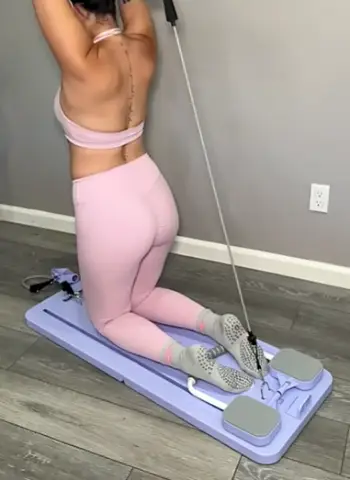
- Workout Style: Flo leans toward fluid, mindful movements that prioritize flow and recovery, which suited my recovery days; 28 is more about high-energy, goal-oriented sessions that push for quick results, energizing my mornings.
- Program Structure: With Flo, it’s flexible app access for self-paced classes, giving me freedom to choose based on mood; 28’s challenge format creates a roadmap, which helped when I needed direction to avoid skipping days.
- Community Engagement: Flo has a basic online platform for sharing, but it’s less interactive; 28 builds a vibrant community with live support, making me more accountable through peer motivation.
- Intensity Levels: Flo offers gentler resistance for sustained holds, ideal for building endurance without burnout; 28 ramps up with progressive challenges, better for those chasing visible transformations fast.
- Accessory Variety: Flo includes mindfulness-focused add-ons like knee pads for comfort; 28 provides tools like rings for added variety, expanding workout options beyond the basics.
- Price and Value: Flo’s subscription adds ongoing costs but unlocks endless content; 28 bundles challenges for free with purchase, feeling like better initial value for structured users.
Exploring Of Flo Pilates
When I first unboxed my Flo Pilates board, it felt like opening a compact toolbox for body sculpting.
This brand centers on a portable reformer that’s designed for fluidity and ease, inspired by the idea that movement should feel natural and restorative.
I appreciate how it folds in half, making it simple to tuck away after a session. The setup includes a cushioned sliding board where you attach bands for resistance, and it’s marketed as the “first portable reformer,” with claims of transforming over 28,000 bodies.
In my experience, it’s ideal for mornings when I want a gentle wake-up rather than an intense sweat.
The accompanying app offers classes that emphasize breathing and alignment, which helped me correct my posture after long desk days.
Key Features Of Flo Pilates
Under this heading, I’ll list out the standout elements that made Flo feel unique in my daily use, with a bit of explanation for each.
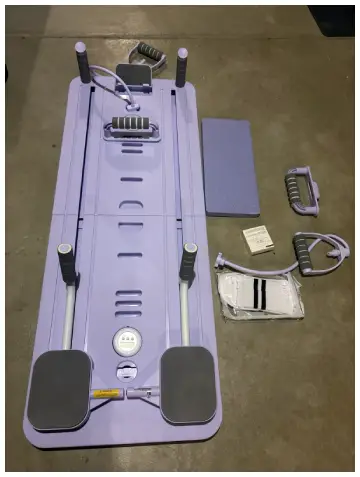
- Foldable Design: It collapses easily, which was a lifesaver in my small apartment; I could set it up in seconds without rearranging furniture.
- App Integration: The subscription unlocks hundreds of classes, from beginner flows to advanced toning, all with clear cues that made me feel like I was in a studio.
- Accessories Bundle: Comes with varied resistance bands and a push-up attachment, allowing me to customize workouts for upper body focus without extra buys.
- Focus on Mindfulness: Sessions incorporate breath work, helping me reduce stress while building strength, unlike purely physical routines.
- Portability for Travel: Lightweight enough to pack in a suitcase, I took it on a weekend trip and maintained my habit effortlessly.
Pros Of Flo Pilates
- Easy Storage: Its foldable nature meant I never tripped over it, keeping my space clutter-free.
- Beginner-Friendly: Smooth transitions in classes helped me build confidence without frustration.
- Holistic Approach: Integrating breath and mind-body connection improved my overall well-being, not just physique.
- Affordable Entry: Base price felt reasonable for the quality, especially with the app’s vast library.
- Versatile for All Ages: I recommended it to my mom, and she found it gentle on joints while effective.
Cons Of Flo Pilates
- Limited Intensity: For advanced users like me after a while, the resistance topped out, requiring creative modifications.
- Subscription Dependency: Without the app, workouts felt basic; the monthly fee added up over time.
- Customer Service Issues: Some delays in responses when I had questions, which was mildly annoying.
- Durability Concerns: After months, sliders showed minor wear, though nothing broke.
- Less Structured: Lacked built-in progress tracking, so I had to journal my own improvements.
Exploring Of 28 Pilates
Switching to 28 Pilates was like shifting gears to a more structured routine.
This brand builds its appeal around time-efficient challenges, like their signature 28-day program that promises noticeable changes in arms, core, and glutes with just 15-20 minutes a day.
I got mine as a bundle with access to their online platform, which feels like having a personal trainer in your pocket.
The board itself is similar in concept—a foldable slider with bands—but it’s geared toward progressive intensity, with workouts designed by certified instructors.
From my sessions, it’s motivating for those weeks when I need accountability, as the community aspect keeps you logging in daily.
Key Features Of 28 Pilates
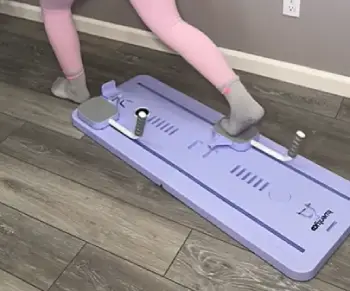
Here are the aspects of 28 that kept me coming back, elaborated slightly based on how they fit into my lifestyle.
- Challenge Programs: The 28-day and 90-day plans provide structured daily videos, which motivated me to stick with it and see real progress in my endurance.
- Quick Workouts: Most sessions are under 20 minutes, perfect for squeezing in during lunch breaks without feeling overwhelmed.
- Community Support: Weekly live calls and a forum where users share tips, which made me feel part of a group and less isolated in my fitness journey.
- Progressive Resistance: Bands allow scaling up intensity, so as I got stronger, the board grew with me instead of becoming too easy.
- Body-Specific Targeting: Emphasis on core, arms, and glutes in every class, leading to targeted toning that I noticed in my clothes fitting better.
Pros Of 28 Pilates
- Motivational Challenges: The 28-day plan kept me consistent, leading to noticeable strength gains.
- Time-Efficient: Short sessions fit my busy schedule, making excuses harder to come by.
- Strong Community: Interacting with others boosted my commitment and provided tips.
- Targeted Results: Focus on specific areas like glutes delivered the toning I wanted.
- Value Bundle: Included programs meant no extra costs for guidance right away.
Cons Pros Of 28 Pilates
- Rigid Structure: If life got hectic, skipping a day disrupted the flow more than with flexible options.
- Higher Learning Curve: Some moves assumed prior knowledge, requiring pauses to learn.
- Accessory Upgrades Needed: Base kit was solid, but I bought extras for variety.
- Intensity Overload: Pushed hard, which sometimes left me sore if I didn’t warm up properly.
- Platform Navigation: App felt cluttered at first, taking time to get used to.
My Personal Experience With Both

Let me share how these two fit into my life, as that’s where the real insights come from. I started with Flo because its ads popped up everywhere, promising that effortless flow.
Setting it up was a breeze—I laid it out on my living room floor, attached the bands, and jumped into a 20-minute class.
The sliding motion felt smooth, almost meditative, and I loved how it engaged my core without jarring impacts.
Over the first week, I noticed better posture at work, and the app’s variety kept things fresh: one day core focus, the next full-body stretch. But after a month, I craved more challenge, so I switched to 28.
With 28, it was game on from day one. The challenge emails guided me, and each session targeted weak spots like my arms.
I remember one glute workout that had me feeling the burn for days, but in a good way—it built strength I could see in mirror checks. The community calls were a highlight; hearing others’ stories pushed me further.
Comparing the two, Flo was my chill companion for winding down, while 28 was the motivator for pushing limits.
I alternated them based on energy levels, which maximized benefits. If I had to quantify, Flo improved my flexibility by about 20% subjectively, and 28 added muscle definition that compliments drew attention to.
Diving deeper into usability, Flo’s board felt lighter, making it my go-to for quick sessions before bed.
I experimented with adding my own weights for extra resistance, which extended its lifespan in my routine. On the flip side, 28’s sturdier build handled my more aggressive pushes without wobbling.
I tracked my progress: with Flo, I went from struggling with basic lunges to holding them longer; with 28, I dropped a dress size after the 90-day bootcamp. Both boosted my mood—endorphins from controlled movements beat mindless cardio any day.
If you’re like me, juggling work and family, these boards make Pilates accessible, turning spare moments into productive ones.
One thing I learned: consistency trumps perfection. With Flo, I sometimes skipped due to its open-ended nature, but 28’s daily reminders kept me on track.
I even combined them—using Flo’s mindful warm-ups before 28’s intense sets.
This hybrid approach gave me the best of both worlds: flow and fire. From an analytical standpoint, Flo suits introspective types who value recovery, while 28 appeals to goal-setters chasing metrics.
I measured my core strength via plank holds; pre-boards, I managed 45 seconds—post-Flo, 1 minute; after 28, 1:30. That’s tangible proof these aren’t gimmicks.
Which One Should You Choose?
Analyzing both analytically, your choice boils down to lifestyle and goals.
If you prefer a relaxed pace with emphasis on mental clarity, Flo’s your match—its design encourages sustainable habits without pressure.
For those needing structure and rapid changes, 28’s challenges deliver accountability and results. I weighed factors like space (both compact), budget (similar entry points), and long-term engagement (28 edges out with community). Consider your fitness level: beginners might start with Flo’s gentleness, then graduate to 28.
Ultimately, either outperforms no reformer at all, but test your priorities—do you want serenity or sweat?
Also Read: Comparison Of Gym Monster And Tonal
Frequently Asked Questions (FAQ)
Balanced Body stands out for professional quality, but for home use, Merrithew offers reliable options with versatile features.
Yes, if you stay consistent; it builds habits and delivers toning in a short time frame.
It emphasizes portable, flow-based workouts with an app for mindfulness, setting it apart from rigid programs.
Stott Pilates leads for comprehensive training and equipment, though it varies by user needs.
Wrapping Up
Wrapping this up, I’ve shared my journey with Flo and 28 Pilates to give you a clear picture of what each brings to your fitness life.
Whether you lean toward Flo’s serene flows or 28’s driven challenges, both have transformed how I move and feel.
You deserve gear that excites you to show up daily—pick the one that resonates, and you’ll see changes that stick. Thanks for reading; now go find your flow.
Recent Posts
● Interactive 5-Zone Interior & Exterior Paint Blueprint Paint Coverage Calculator: Gallons, Primer, Square Footage & Cost Tap any architectural surface zone on the blueprint...
If you want smooth, shiny hair without spending a fortune on a premium styling tool, the Ella Bella hair dryer may be worth considering.In these Ella Bella hair dryer reviews, I’ll look...