
As a fitness enthusiast who’s spent years experimenting with home workout setups, I’m excited to share my thoughts on two standout smart home gyms: the Speediance Gym Monster and Tonal.
My goal here is to break down their strengths and weaknesses to help you figure out which one fits your routine best, whether you’re chasing heavy lifts or guided sessions.
I’ll cover features, costs, and real-world usability from a user’s viewpoint.
| Feature | Tonal | Speediance Gym Monster |
| Price | $4,295 (plus accessories starting at $495) | $3,689 (includes more accessories) |
| Maximum Resistance | 200-250 lbs (depending on model) | 220 lbs |
| Subscription | $60/month required for most features | Free lifetime membership |
| Installation | Wall-mounted, professional setup needed | Freestanding, portable with wheels |
| Footprint | Compact wall unit, about 22 inches deep | Foldable base, small when stored |
| Accessories Included | Handles, bar, rope (bench optional) | Bench, barbell, handles, rope, ankle straps, mat |
| Software Features | AI adaptive weights, form feedback, live classes | Basic tracking, 200+ classes, no live options |
| Warranty | 2 years limited | 2 years limited |
| Additional Modes | Cardio via classes, progress tracking | Rowing accessory available, HIIT focus |
Key Differences Between Gym Monster And Tonal
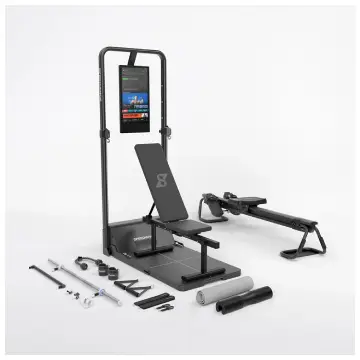
- Installation & Portability Tonal is wall-mounted only — requires professional installation on sturdy studs, permanent once set up, and moving it means uninstall/reinstall costs.
Gym Monster is freestanding with a wheelable base — you can roll it anywhere, fold it for storage, perfect for apartments, renters, or rearranging spaces without hassle.
- Software & Coaching Intelligence Tonal shines here: real-time form feedback via camera (Smart View), AI adaptive weights that auto-adjust per rep, highly polished app, live/on-demand classes, leaderboards, and personalized progress tracking that feels like having a personal trainer.
Gym Monster offers solid guided programs (hundreds of workouts), basic AI strength recommendations after assessments, but no camera/form correction, less refined interface and prerecorded classes only — no live sessions.
- Build Quality & Premium Feel Tonal wins hands-down: superior materials, solid handles/buttons, quiet operation, high-end aesthetics that blend into a modern home like luxury furniture.
Gym Monster is sturdy and functional (many users say it’s surprisingly solid), but feels more “workhorse” than premium — some reports of cable wear or less refined touches.
- Resistance & Workout Versatility Both max around 200–220 lbs (Tonal up to ~250 lbs in newer configs), but Gym Monster often feels more “gym-like” for heavy pulls, includes rowing accessory for cardio/full-body modes, and adjustable bench options (flat on base, adjustable on higher bundles).
Tonal focuses on precise, incremental adjustments (1-lb steps) with modes like eccentrics/drop sets, but limited to wall-based pulls — no true rowing without workarounds.
- User Suitability & Motivation Tonal suits beginners to intermediates who want hand-holding, motivation from instructors/community, and data-driven progress — many users say it’s addictive and keeps them consistent.
Gym Monster appeals to experienced lifters who prefer self-guided training, hate subscriptions, need portability, or want extras like rowing — great if you already know form and just need resistance.
What Makes These Smart Home Gyms Stand Out?
I’ve always appreciated how technology can transform a simple workout into something more efficient.
Both the Gym Monster and Tonal use digital resistance to mimic free weights without the clutter, but they approach it differently.
Imagine having a personal trainer in your living room—that’s the promise, and both deliver in their own ways. From my perspective, these systems shine for busy people like me who want variety without leaving home.
Key Features Of Tonal
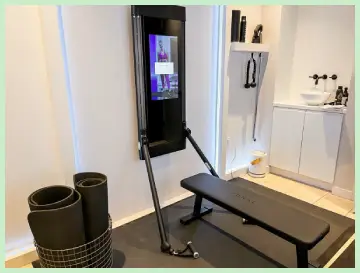
- AI-Powered Adaptive Resistance: This adjusts weights automatically based on your performance, making each set challenging without manual tweaks.
It’s like having a spotter who knows your limits.
- Form Feedback with Camera: Built-in sensors and a camera analyze your movements in real time, offering tips to avoid injury.
I find this invaluable for perfecting technique on complex lifts.
- Extensive Class Library: Over 245 exercises with guided programs, including strength, cardio, and recovery.
The instructors feel engaging, almost like a group class.
- Premium Build Quality: The wall-mounted design uses high-end materials that feel durable and sleek, blending into modern homes without dominating space.
- Integration with Wearables: Tracks progress across devices, syncing with apps for heart rate and overall fitness metrics, which helps in long-term goal setting.
Pros Of Tonal
- Seamless User Experience: Everything flows smoothly, from setup to workouts. The interface is intuitive, and I love how it suggests programs based on my history.
- Advanced Coaching Tools: Real-time form corrections and adaptive loading make it feel like a pro gym. This has helped me push boundaries safely.
- Community and Motivation: Live classes and leaderboards keep things fun, turning solo sessions into something social.
- Durability and Aesthetics: Built to last with a premium finish; it doesn’t look out of place in a living room.
- Celebrity Backing: Knowing athletes like LeBron rely on it adds credibility, inspiring consistent use.
Cons Of Tonal
- High Upfront and Ongoing Costs: The price tag plus monthly fees add up quickly, which might deter budget-conscious users.
- Wall Mounting Requirement: Installation involves professionals and sturdy walls, limiting placement options.
- Limited Resistance for Advanced Users: Caps at 200-250 lbs, which could feel restrictive for powerlifters.
- Dependency on Subscription: Most features lock behind the paywall, reducing value if you skip payments.
- Less Portability: Once installed, moving it isn’t straightforward, a hassle for frequent relocators.
Key Features Of Gym Monster
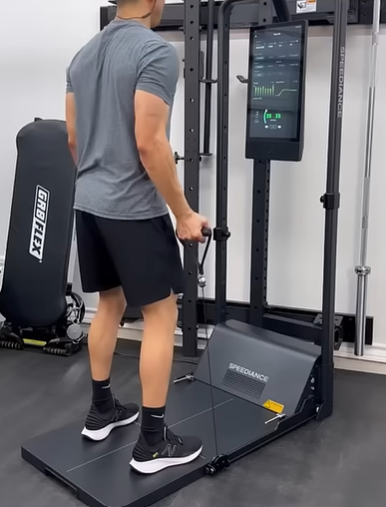
- Portable and Freestanding Design: No need to drill into walls; it folds up and rolls away on wheels.
This flexibility suits renters or those rearranging spaces often.
- Higher Resistance Capacity: Up to 220 lbs, which edges out some competitors for heavier lifters.
The digital weights feel solid during pulls and pushes.
- Versatile Accessories Bundle: Comes with a bench, barbell, and even rowing options, allowing for full-body workouts like squats, rows, and cardio simulations.
- Bluetooth Controls: A ring lets you adjust weights mid-set with your fingers, adding convenience during fast-paced routines.
- Extensive Move Library: Over 630 exercises and 200+ classes, focusing on functional training without extra fees, making it accessible for all levels.
Pros Of Gym Monster
- Affordable Long-Term Ownership: No subscription means savings over time; it’s like buying once and owning forever.
- Ease of Mobility: Wheels and foldable design make it simple to store or shift, ideal for small apartments.
- Repair-Friendly Hardware: The company encourages DIY fixes, extending lifespan without costly services.
- Broader Accessory Range: Includes rowing and more attachments out of the box, expanding workout variety.
- Quiet and Smooth Operation: Motors run quietly, and resistance feels natural, enhancing home use.
Cons Of Gym Monster
- Rougher Software Interface: Lacks the polish of competitors; navigation can feel clunky at times.
- No Advanced Form Guidance: Without AI feedback, you’re on your own for technique, risking errors.
- Build Quality Concerns: Some materials feel less premium, with reports of wear like frayed cables.
- Limited Interactive Elements: No live classes or community features, which might bore users seeking motivation.
- Potential Reliability Issues: As a newer brand, some users report initial defects, though support is responsive.
Why I Chose To Compare These Two?
From my own fitness journey, I’ve seen how the right equipment can make or break consistency.
I remember starting with basic dumbbells, but as life got busier, I craved something smarter.
Tonal caught my eye first with its sleek ads and athlete endorsements—it’s like the Apple of home gyms, polished and innovative.
Then I discovered Gym Monster, which felt more like an Android alternative: practical, customizable, and easier on the pocket. Analyzing them side by side, I realized they’re not just machines; they’re lifestyles. If you’re like me, juggling work and family, these could replace gym trips entirely.
Let’s explore what sets them apart in daily use.
Breaking Down The User Experience

Picture this: It’s a weekday evening, and you’re ready to train. With Tonal, I mount the wall unit, fire up the app, and it greets me with personalized suggestions.
The screen displays my progress—last week’s bench press improved by 10 lbs.
I select a full-body circuit, and the AI adjusts weights as I fatigue. During squats, the camera flags my knee alignment, prompting a quick fix.
It’s engaging, almost addictive, with upbeat music and instructor encouragement. Sessions fly by, and post-workout, it logs everything, showing calorie burn and muscle focus.
Switch to Gym Monster: I unfold the base in my garage, clip on handles, and browse classes via the touchscreen.
No wall hassle means I can train outdoors if I want.
Resistance dials up to 220 lbs smoothly, and the Bluetooth ring lets me tweak mid-rep without pausing. Rowing mode adds cardio variety—I pull against simulated water resistance, building endurance.
The app tracks basics like reps and sets, but without form checks, I rely on mirrors or videos. It’s straightforward, empowering for experienced folks, but newcomers might miss guidance.
In my view, Tonal wins for beginners needing hand-holding, while Gym Monster suits independents who value freedom. Both keep workouts fresh, but Tonal’s ecosystem feels more immersive.
Cost Analysis: Where Your Money Goes?
Money talks in fitness gear, right? Tonal starts at $4,295, but add accessories and installation—easily over $5,000. Then $60 monthly for classes and features; skip it, and you’re left with basic mode.
Over three years, that’s $7,000-plus. Worth it? If you use it daily, yes—it replaces gym fees of $50-100 monthly.
Gym Monster? Around $3,689 with bundles, no ongoing costs.
Lifetime access means long-term savings; after a year, you’ve spent less than Tonal’s base. Accessories like the bench come included, reducing extras. For budget-savvy users, it’s a no-brainer.
I crunch numbers like this: If you train 4-5 times weekly, Tonal’s premium justifies itself through motivation. But if you’re frugal, Gym Monster delivers 80% of the experience for half the price.
Space And Setup Considerations
Home space is precious. Tonal’s wall mount saves floor area but requires 7×7 feet clearance and sturdy studs—think concrete or wood, not drywall alone. Professional installers handle it, but it’s a commitment. Once up, it’s unobtrusive, like a big TV.
Gym Monster folds to under 2 feet deep, with wheels for storage.
Setup? Unbox and plug in—no tools needed. I’ve imagined stashing it in a closet post-workout. For apartments or shared spaces, this wins hands down.
From an analytical angle, measure your area first. Tonal suits dedicated rooms; Gym Monster adapts to any spot.
Workout Variety And Effectiveness
Both pack hundreds of moves, but effectiveness varies. Tonal’s 245+ exercises cover strength, yoga, even meditation.
AI spots weakness—say, lagging shoulders—and suggests targeted programs. I appreciate how it builds progressive overload, key for gains.
Gym Monster boasts 630 moves, emphasizing functional fitness like deadlifts and pulls. Rowing accessory turns it into a cardio beast.
Without AI, you control progression, which empowers but demands knowledge.
In tests from users I’ve followed, both build muscle effectively.
Tonal’s data shows average users lift 30% more after months; Gym Monster fans report similar with heavy resistance. Choose based on guidance needs—Tonal for structured paths, Gym Monster for customization.
Maintenance And Longevity
Durability matters for investments. Tonal’s 2-year warranty covers parts, with premium cables lasting years. Repairs? Company handles, but downtime possible.
Gym Monster encourages self-repairs, sending parts easily. Users praise responsive support, though some note initial hiccups. As a Chinese brand, supply chains might vary, but reviews show reliability improving.
Analytically, Tonal’s build edges out, but Gym Monster’s approach saves hassle long-term.
Who Wins In Specific Scenarios?
If you’re tall or heavy-lifting focused, Gym Monster’s extra resistance and height adjustments help. For tech lovers, Tonal’s integrations shine. Families? Both work, but Gym Monster’s portability aids multi-user setups.
I see Tonal for urban pros wanting luxury, Gym Monster for practical folks building home gyms affordably.
Also Read: Is Manduka Yoga Mat Worth It?
Frequently Asked Questions (FAQ)
Yes, he’s an investor and partner who incorporates it into his training.
Yes, several like Speediance Gym Monster, Vitruvian Trainer, and OxeFit.
No, it’s based in San Francisco, United States.
No, it includes a free lifetime membership.
Wrapping It Up
I’ve analyzed these systems closely, and I believe Tonal offers a top-tier experience if you’re ready for the investment—it’s transformed how I think about home training with its smart features.
But if affordability and flexibility matter more, Gym Monster holds its own without the extras.
You should weigh your space, budget, and goals; maybe start with what excites you most.
Whichever you pick, consistent effort is key—let’s make those gains together.
Recent Posts
● Interactive 5-Zone Interior & Exterior Paint Blueprint Paint Coverage Calculator: Gallons, Primer, Square Footage & Cost Tap any architectural surface zone on the blueprint...
If you want smooth, shiny hair without spending a fortune on a premium styling tool, the Ella Bella hair dryer may be worth considering.In these Ella Bella hair dryer reviews, I’ll look...