
If you’re serious about growing healthier plants without constantly second-guessing your soil, FoxFarm Ocean Forest is one of those products you should genuinely consider buying.
I’ve used it across multiple plants—flowers, herbs, even vegetables—and it consistently delivered rich growth with less effort on my end.
In this review, I’ll walk you through exactly how it performed for me, where it shines, and where it falls short so you can decide if it’s the right choice for your garden.
My Personal Experience With Foxfarm Ocean Forest
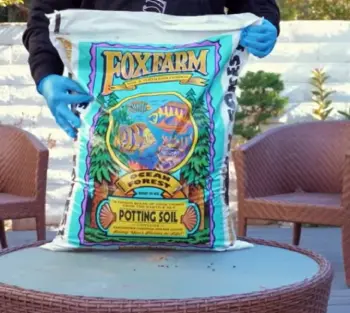
The first time I opened a bag of FoxFarm Ocean Forest, I immediately noticed the difference. The texture felt airy, rich, and alive—nothing like the compact, dusty soils I’d used before.
You know that moment when you can tell a product is premium just by touching it? That was it.
I started by repotting a few indoor plants—my snake plant, pothos, and a struggling peace lily. Within the first two weeks, I saw noticeable changes.
The peace lily, which had been drooping for months, perked up and started producing new leaves. That alone made me pay attention.
Then I used it in outdoor containers for tomatoes and peppers. This is where things got even more interesting. The plants didn’t just survive—they thrived.
Growth was faster, leaves looked deeper green, and I didn’t feel the need to fertilize as often. That saved me both time and money.
Water retention was another thing I appreciated. It held moisture well but didn’t become soggy. You know how frustrating it is when soil either dries out too quickly or stays wet for too long?
This one struck a nice balance. I watered less frequently, yet my plants never looked stressed.
There was one small hiccup though. Some bags had small pieces of bark and organic matter that made it feel a bit chunky. Personally, I didn’t mind—it actually helped with aeration—but if you prefer ultra-fine soil, you might notice it.
Over time, I realized something important: this soil does a lot of the heavy lifting for you. Instead of constantly adjusting nutrients or worrying about plant health, you can focus more on enjoying your plants.
After using it for several months, I can confidently say it changed how I approach gardening. It made things simpler, more predictable, and honestly, more enjoyable.
What Makes Foxfarm Ocean Forest Stand Out?
One thing you’ll quickly notice is how nutrient-rich this soil is right out of the bag.
It’s packed with organic materials like compost, worm castings, and fish emulsion. That means you’re not starting from scratch—you’re giving your plants a strong foundation from day one.
Another standout feature is its structure. It’s light, fluffy, and well-aerated. Roots can spread easily, which is something a lot of cheaper soils struggle with. When roots are happy, your plants show it.
I also appreciate that it’s versatile. Whether you’re growing indoors or outdoors, flowers or vegetables, it adapts well. You don’t feel limited to a specific type of plant.
Texture, Drainage, And Moisture Balance
This is where FoxFarm Ocean Forest really earns its reputation. The soil manages to retain moisture without becoming waterlogged. That balance is hard to find.
When you water your plants, it absorbs evenly and drains excess water efficiently. This reduces the risk of root rot, which is a common issue with poor-quality soils.
The added perlite and organic matter help create air pockets. That means better oxygen flow to the roots, which directly impacts plant growth.
Nutrient Profile And Feeding Needs
One of the biggest advantages is that you don’t need to fertilize immediately. The soil comes pre-loaded with nutrients, which can sustain plants for several weeks.
In my case, I didn’t add any fertilizer for the first month. The plants still grew vigorously. That’s a huge plus if you’re someone who doesn’t want to deal with constant feeding schedules.
However, after a few weeks, depending on the plant, you may need to start supplementing nutrients. Fast-growing plants like tomatoes will eventually require extra feeding.
Pros Of Foxfarm Ocean Forest Potting Soil
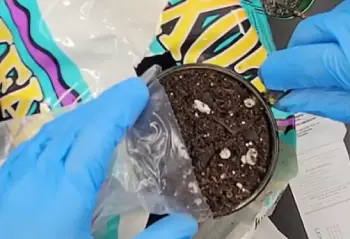
- Rich, ready-to-use nutrient profile
You’re starting with a soil that’s already packed with organic nutrients like compost, worm castings, and fish-based ingredients.
That means you don’t need to immediately worry about fertilizers.
From day one, your plants get what they need to grow strong, which makes your life easier and your results more noticeable.
- Promotes faster and healthier plant growth
In my experience, you’ll see quicker growth compared to standard potting mixes.
Leaves tend to look greener, stems grow sturdier, and overall plant health improves.
If you’ve struggled with slow-growing plants before, this soil can feel like a major upgrade.
- Excellent aeration for strong root development
The texture is light and fluffy, allowing roots to breathe and expand easily
You’re not dealing with compacted soil that suffocates roots.
This directly impacts how well your plants establish themselves after repotting.
- Balanced moisture retention and drainage
It holds enough water to keep your plants hydrated while still draining excess moisture effectively. This balance reduces the risk of both overwatering and underwatering, which is one of the most common problems in gardening. - Versatile for many types of plants
Whether you’re growing houseplants, vegetables, herbs, or flowers, this soil works across the board.
You don’t need to buy multiple soil types for different plants, which simplifies your gardening setup.
- Saves time and effort
You can use it straight out of the bag without mixing or adding amendments.
If you’re someone who doesn’t want to spend time customizing soil blends, this is a huge advantage.
- Supports organic-style gardening
Since it’s made with natural ingredients, it aligns well if you prefer a more natural approach.
You’re not relying heavily on synthetic chemicals, which many gardeners appreciate.
- Consistent and reliable performance
Once you start using it, you’ll notice that it delivers predictable results.
You don’t have to constantly question whether your soil is the issue—it usually isn’t.
- Improves overall plant resilience
Plants grown in this soil tend to handle stress better, whether it’s repotting, temperature changes, or slight watering mistakes. It gives you a bit of a safety cushion.
Cons Of Foxfarm Ocean Forest Potting Soil
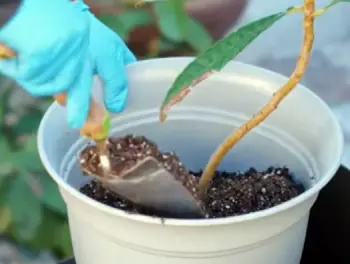
- Higher price compared to basic soils
You’ll definitely pay more for this than standard potting mixes.
If you’re working with a large number of plants or big containers, the cost can add up quickly, which might not suit every budget.
- Too nutrient-rich for seedlings
Because it’s so “strong,” young or delicate plants can sometimes struggle in it.
If you’re starting seeds, you may need to mix it with a lighter soil or use a different medium initially.
- Occasional inconsistency in texture
Some bags may contain larger chunks of bark or organic debris.
While this helps with aeration, it can feel uneven when you’re potting smaller or more delicate plants.
- Potential for fungus gnats or pests
Since it’s organic, there’s a small chance it can attract pests like fungus gnats.
This doesn’t happen every time, but you should be aware and manage watering carefully to reduce the risk.
- Nutrients don’t last forever
While it starts off rich, those nutrients typically last around 3–4 weeks. After that, you’ll need to start fertilizing, especially for fast-growing plants.
If you forget, plant growth can slow down.
- Heavier than some potting mixes
The dense organic composition makes it slightly heavier.
If you move pots around often, you might find this a bit inconvenient.
- Not ideal for all plant types without adjustment
Plants like succulents and cacti need faster-draining soil.
If you use this mix for them, you’ll have to modify it with sand or perlite to avoid excess moisture.
- Can retain moisture longer than expected
If you’re used to watering frequently, you might accidentally overwater at first.
The soil holds moisture well, so you’ll need to adjust your watering habits.
- Availability can vary in some areas
Depending on where you live, it might not always be easy to find locally, which can be inconvenient if you rely on it regularly.
Tips For Foxfarm Ocean Forest Potting Soil
- Adjust your watering habits carefully
This soil holds moisture better than many standard mixes, so you’ll need to water less often.
Instead of sticking to a fixed schedule, check the soil with your finger.
If the top inch still feels damp, wait before watering again. This small habit can prevent overwatering, which is one of the few ways you can harm plants in this soil.
- Hold off on fertilizing in the beginning
Since the soil is already rich in nutrients, adding fertilizer too soon can overwhelm your plants.
Give it at least 3 to 4 weeks before introducing any feeding. When you do start, begin with a diluted fertilizer so you don’t shock the roots.
- Loosen the soil during repotting
When transferring plants into this soil, gently loosen the root ball and avoid packing the soil too tightly.
The natural airy structure is one of its biggest strengths, and compressing it too much reduces airflow and root expansion.
- Customize for specific plant needs
While the soil is versatile, not all plants have the same requirements. If you’re growing succulents or cacti, mix in extra perlite or coarse sand to improve drainage.
For moisture-loving plants, you can use it as is. Small adjustments can make a big difference in plant health.
- Monitor moisture levels during seasonal changes
Your watering routine should change depending on the weather. In warmer months, the soil may dry faster, while in cooler months it retains moisture longer.
Pay attention to how your plants respond rather than sticking to a rigid schedule.
- Store unused soil properly
Always seal the bag tightly after use and keep it in a cool, dry place. This prevents the soil from drying out excessively or attracting pests. Proper storage helps maintain its quality for future use. - Watch out for fungus gnats
Organic soil can sometimes attract small pests like fungus gnats.
To minimize this risk, avoid overwatering and let the top layer dry slightly between watering sessions.
If needed, you can also use natural pest control methods like sticky traps.
Comparison Of Foxfarm Ocean Forest Potting Soil With Other Potting Soil Brands
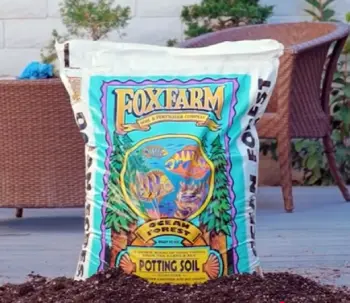
- FoxFarm Ocean Forest vs Happy Frog
When comparing Ocean Forest with Happy Frog, the difference comes down to intensity. Ocean Forest is richer and more nutrient-dense. If you want fast, vigorous growth, Ocean Forest has the edge.
Happy Frog, on the other hand, feels a bit lighter and more beginner-friendly. It’s less “hot,” meaning there’s a lower chance of overwhelming sensitive plants. If you’re growing delicate seedlings, Happy Frog might feel safer, but Ocean Forest gives stronger results for established plants.
- FoxFarm Ocean Forest vs Miracle-Gro Potting Mix
Miracle-Gro is widely available and more budget-friendly, but the experience is noticeably different. Miracle-Gro relies heavily on synthetic fertilizers, which can lead to inconsistent results over time.
Ocean Forest feels more natural and balanced. Plants seem to respond better in the long run, especially if you prefer organic gardening. The texture is also superior—less compact and more breathable.
- FoxFarm Ocean Forest vs Black Gold Potting Soil
Black Gold is often seen as a premium alternative, and it does perform well. However, I found Ocean Forest to be richer in nutrients and slightly better in moisture retention.
Black Gold offers a cleaner texture, which some gardeners prefer. But if your priority is maximum growth with minimal effort, Ocean Forest tends to deliver more noticeable results.
Who Should Buy Foxfarm Ocean Forest?
If you want a high-quality soil that simplifies plant care and delivers consistent results, this is a strong choice. It’s especially ideal for people who want healthier plants without spending hours managing soil conditions.
If you’re a beginner, it can actually make your life easier—just be mindful of watering and feeding. If you’re experienced, you’ll appreciate the quality and reliability it brings to your setup.
Also Read: Is Jonathan Green Black Beauty Ultra Grass Seed Worth It?
Frequently Asked Questions (FAQ)
Yes, it’s nutrient-rich, well-balanced, and supports strong plant growth.
Ocean Forest is richer and better for established plants, while Happy Frog is gentler for seedlings.
FoxFarm Ocean Forest is consistently rated among the top premium potting soils.
It typically provides nutrients for about 3 to 4 weeks before additional feeding is needed.
Final Thoughts
If you want a potting soil that reduces effort while improving plant health, FoxFarm Ocean Forest is absolutely worth buying.
From my experience, it delivers reliable growth, better moisture control, and a noticeable boost in plant vitality.
It’s not the cheapest option, but the results justify the price. If you care about your plants and want something that actually works, this soil is a smart investment.
Recent Posts
● Interactive 5-Zone Interior & Exterior Paint Blueprint Paint Coverage Calculator: Gallons, Primer, Square Footage & Cost Tap any architectural surface zone on the blueprint...
If you want smooth, shiny hair without spending a fortune on a premium styling tool, the Ella Bella hair dryer may be worth considering.In these Ella Bella hair dryer reviews, I’ll look...