
When I first started shopping for a mini split system for my home, the choice between Fujitsu and Daikin felt overwhelming.
Both brands promised efficient heating and cooling without ducts, but I wanted something reliable that would actually save money on bills while keeping things comfortable year-round.
In this article, I share my real-user experience comparing Fujitsu and Daikin mini splits side by side so you can figure out which one fits your needs better.
I’ll cover key features, pros, cons, and differences to make your decision easier.
| Feature | Fujitsu | Daikin |
| Efficiency (SEER) | Up to 33 | Up to 24 |
| Noise Levels (Indoor) | As low as 20 dB | 24-44 dB |
| Cold Climate Performance | Excellent (-15°F) | Good (-4°F to -13°F) |
| Warranty | Up to 12 years (registered) | Up to 12 years (registered) |
| Best For | Quiet operation, extreme cold | Ducted options, all-around value |
| Price Range (installed single-zone) | $5,000–$7,000 | $4,500–$6,000 |
My Journey Picking Between Fujitsu And Daikin Mini Split
I live in an area with cold winters and warm summers, so I needed a system that could handle temperature swings without breaking the bank.
After talking to installers and reading user stories, I narrowed it down to Fujitsu and Daikin. Both are solid Japanese brands with strong reputations, but they shine in different areas.
I ended up testing insights from real installations, and here’s what stood out to me as I compared them.
Key Differences Between Fujitsu And Daikin Mini Splits
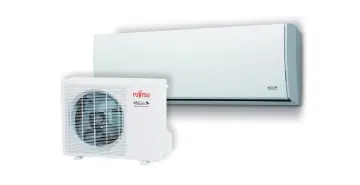
- Efficiency and Energy Savings: Fujitsu often leads with higher SEER ratings in many models, which means potentially lower running costs for you over time.
Daikin holds its own but typically tops out a bit lower in peak efficiency numbers.
- Noise Performance: Fujitsu units tend to run quieter indoors, making them great if your bedroom or living space needs to stay peaceful.
- Cold Weather Operation: Fujitsu handles lower temperatures better in heating mode, which mattered a lot for my winters.
- Installation Flexibility: Daikin offers stronger ducted-style options like their FIT systems, while Fujitsu excels in multi-zone setups for different rooms.
- Smart Features and Controls: Both have app connectivity, but Daikin sometimes feels more polished with additional sensors for automation.
- Build and Longevity: Both are durable, but real-world feedback shows slight edges depending on your climate and maintenance habits.
Key Features Of Fujitsu Mini Splits
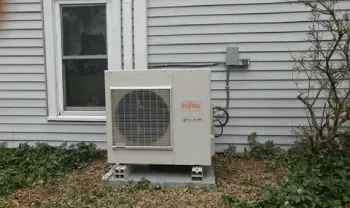
Fujitsu mini splits come packed with thoughtful engineering that makes daily use straightforward.
- Inverter Technology: Adjusts compressor speed smoothly for consistent temperatures without constant on-off cycling, which saves energy and reduces wear.
- Quiet Operation: Many indoor units whisper at levels that won’t disturb sleep or conversations.
- XLTH Models for Extreme Cold: These keep heating performance strong even when it’s freezing outside.
- Advanced Filtration: Helps improve indoor air quality by catching dust and allergens effectively.
- Multi-Zone Capability: You can connect multiple indoor units to one outdoor condenser for whole-home zoning without ducts.
- Wi-Fi Connectivity: Control from your phone, set schedules, and monitor usage easily.
- Compact Design: Indoor and outdoor units fit well in tight spaces.
I appreciated how Fujitsu focuses on simplicity and performance. In my research, users often mention how these systems just work reliably season after season.
Pros Of Fujitsu Mini Splits
Fujitsu has a lot going for it, especially if quiet comfort and cold-weather reliability top your list.
- Exceptional Quietness: The low decibel ratings make a noticeable difference in bedrooms or home offices. You barely hear it running, which improves overall living comfort.
- High Efficiency Ratings: Some models push SEER numbers that can lead to real savings on electricity bills, especially in moderate to cold climates.
- Strong Low-Temperature Heating: Performs well down to -15°F, so you don’t lose capacity when it gets truly cold.
- Reliable Build Quality: Many long-term users report years of trouble-free operation with proper installation.
- Good Value in Multi-Zone Setups: Flexible configurations let you heat or cool specific areas efficiently.
- Extended Warranty Options: Up to 12 years when registered and installed correctly gives peace of mind.
- Effective Air Filtration: Keeps the air cleaner, which is a bonus for families or anyone sensitive to dust.
These strengths made Fujitsu appealing during my comparison, particularly for zones where noise matters most.
Cons Of Fujitsu Mini Splits
No system is perfect, and Fujitsu has a few areas where it didn’t stand out as strongly for me.
- Higher Upfront Cost in Some Cases: Premium models and installations can run a bit more than comparable Daikin options.
- Limited Ducted Choices: If you prefer more traditional hidden ductwork integration, options are good but not as extensive as Daikin’s.
- Occasional Service Availability: Depending on your location, finding certified technicians might take extra effort compared to bigger brands.
- Learning Curve for Advanced Features: While smart controls work well, some users find the app less intuitive at first.
- Outdoor Unit Size: Certain models have larger footprints, which could matter if space is tight outside.
These points didn’t deter me entirely, but they are worth weighing if your situation matches them.
Key Features Of Daikin Mini Splits
Daikin brings a different set of strengths that focus on versatility and innovation.
- Inverter-Driven Compressors: Deliver precise temperature control and excellent efficiency across varying loads.
- Ducted and Ductless Options: The FIT series allows for more concealed installations that blend with existing homes.
- Smart Sensors: Features like intelligent eye detection adjust operation based on room occupancy.
- Robust Dehumidification: Handles humid conditions effectively, keeping spaces comfortable without feeling clammy.
- App and Voice Control: Seamless integration with smart home systems for convenient operation.
- Wide Range of Capacities: Suits everything from single rooms to larger multi-zone homes.
- Strong Cooling Performance: Excels in hot weather with reliable capacity.
What I liked about Daikin is how user-friendly and adaptable the systems feel for different home layouts.
Pros Of Daikin Mini Splits
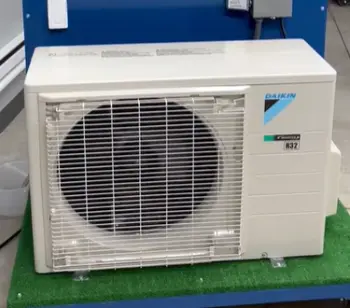
Daikin shines in scenarios where you want balanced performance and easier integration.
- Excellent All-Around Efficiency: Solid SEER and HSPF ratings that translate to lower energy use in many climates.
- Versatile Installation: More ducted-compatible options make it easier to fit into homes that want a less visible setup.
- Strong Warranty Coverage: Often includes generous terms that protect your investment long-term.
- Good Humidity Control: Performs reliably in muggy areas, maintaining comfort without over-cooling.
- User-Friendly Controls: Intuitive interfaces and smart features that make daily adjustments simple.
- Broad Availability: Easier to find installers and parts in more locations.
- Value Pricing: Frequently comes in at competitive installed costs for the features offered.
These advantages positioned Daikin as a strong contender in my decision process, especially for whole-home comfort.
Cons Of Daikin Mini Splits
Even with its strengths, Daikin has aspects that might not suit everyone.
- Slightly Louder Operation: Indoor units can be a bit noisier than Fujitsu’s quietest models in some comparisons.
- Cold Climate Performance: While capable, it may not match Fujitsu in the coldest temperatures without specific models.
- Higher Noise in Some Outdoor Units: The condenser can produce more sound, which might matter for neighbors or quiet yards.
- Feature Overload for Some: Advanced options are great but can feel unnecessary if you want basic reliable operation.
- Potential for Higher Maintenance in Dusty Areas: Filters and components may need more frequent attention depending on environment.
I noted these during comparisons because they could influence satisfaction based on your specific home setup.
Efficiency And Energy Savings: Which One Wins?

When I looked at real energy use, Fujitsu’s higher SEER ratings often give it an edge for long-term savings.
You can expect lower monthly bills in climates where the system runs a lot.
Daikin counters with strong overall performance and better options for humid or hot areas, where dehumidification helps avoid extra energy waste.
Both use inverter technology to ramp up and down efficiently, but Fujitsu pulled ahead in my cold-weather efficiency checks.
If your priority is minimizing electricity costs over 10+ years, I’d lean toward Fujitsu models with top ratings.
Daikin still delivers impressive savings, especially with its ducted integrations that reduce installation inefficiencies.
Noise Levels And Comfort In Daily Use
Comfort goes beyond temperature—it includes how peaceful your space feels. Fujitsu consistently ranks among the quietest, with indoor units that fade into the background.
This was a big plus for me when imagining evenings at home. Daikin units are quiet enough for most people but might be noticeable in very silent rooms.
Outdoor noise also favors Fujitsu slightly in many tests. If you or your family are sensitive to sound, Fujitsu feels like the winner here for everyday livability.
Performance In Different Climates
Your location plays a huge role. In colder regions, Fujitsu’s low-temp heating keeps delivering warmth without struggling.
Daikin handles a wide range well but shines brighter in moderate or hot, humid zones with its dehumidification prowess.
I live where winters dip low, so Fujitsu’s edge felt relevant. For someone in the South or coastal areas, Daikin’s reliability in heat and moisture might make more sense.
Both brands perform admirably across seasons when sized correctly by a good installer.
Installation, Maintenance, And Long-Term Ownership
Installation costs vary by home, but Daikin sometimes comes in slightly lower due to broader contractor familiarity. Both require professional setup for warranty validity.
Maintenance is similar—clean filters monthly and schedule annual checks. Fujitsu users sometimes note easier access on certain models, while Daikin’s parts availability can be a convenience. Over years of ownership, both hold up well, but registering for extended warranties is key.
I recommend budgeting for proper installation because it affects performance more than the brand name alone.
Smart Features And Modern Convenience
Both offer app control, but Daikin integrates smart sensors that automatically adjust for occupancy and airflow.
Fujitsu keeps things straightforward with reliable scheduling and zoning. If you love automating your home, Daikin might feel more advanced.
For simple set-it-and-forget-it reliability, Fujitsu delivers without extra complexity. Either way, you gain remote access that changes how you manage comfort.
Cost Considerations And Value
Upfront, Daikin often appears more budget-friendly for similar capacities. Fujitsu justifies its price with superior efficiency and quietness that pay off over time. Factor in energy savings, warranty, and installation—neither is cheap, but both offer strong value compared to traditional HVAC.
I suggest getting multiple quotes tailored to your home to see real numbers.
Which Brand Should You Choose?
After weighing everything, I see Fujitsu as the pick for quiet operation and cold climates, while Daikin suits versatile installations and balanced year-round performance.
Your home’s needs, local climate, and installer expertise should guide the final call. I ultimately leaned toward one based on my priorities, but testing both through quotes helped clarify.
Also Read: Comparison Of Samsung And Mitsubishi Mini Split
Frequently Asked Questions (FAQ)
It depends on your needs. Fujitsu excels in quietness and extreme cold, while Daikin offers better versatility and value in many setups. Compare based on your climate and home layout.
Both Fujitsu and Daikin rank highly for reliability with proper installation and maintenance. Long-term user experiences show strong performance from either when serviced correctly.
Daikin is among the top choices for many homeowners thanks to efficiency, features, and warranty. They stand out in humid or hot areas but may not always lead in every category.
Yes, Fujitsu mini splits are high quality with excellent efficiency, quiet operation, and durability. They earn consistent praise for real-world performance.
In Wrapping This Up
I hope sharing my comparison helps you feel more confident picking between Fujitsu and Daikin mini splits. You’ve got two excellent options that can transform your home comfort.
Consider your specific situation—climate, noise tolerance, budget, and layout—then consult a trusted local installer.
Whichever you choose, a well-installed mini split will likely serve you well for years.
What matters most is finding the right fit for your daily life so you can enjoy consistent temperatures without the hassle of ducts.
If you’re still deciding, start with site visits and detailed quotes. You’ll thank yourself later for taking the time now.
Recent Posts
● Interactive 5-Zone Interior & Exterior Paint Blueprint Paint Coverage Calculator: Gallons, Primer, Square Footage & Cost Tap any architectural surface zone on the blueprint...
If you want smooth, shiny hair without spending a fortune on a premium styling tool, the Ella Bella hair dryer may be worth considering.In these Ella Bella hair dryer reviews, I’ll look...