
As someone who’s spent countless hours on the bike, tracking rides and pushing limits, I wanted to share my thoughts on the Garmin Edge 1030 and its upgraded version, the 1030 Plus.
My goal here is to break down what sets them apart, helping you figure out if the extra features in the Plus are worth it for your rides.
I’ve used both extensively, and I’ll cover everything from battery life to navigation in a straightforward way.
| Feature | Garmin Edge 1030 | Garmin Edge 1030 Plus |
| Color | White | Black |
| Battery Life | Up to 20 hours | Up to 24 hours |
| Processor Speed | Standard | Significantly faster |
| Internal Storage | 16GB + microSD slot | 32GB (no microSD) |
| GPS Chipset | Standard | New Sony chipset for better accuracy |
| Weight | 123g | 124g |
| Display | 3.5-inch touchscreen, 282×470 pixels | Same, but improved responsiveness |
| Navigation Features | Advanced mapping, Trendline popularity routing | Adds ClimbPro without a route, daily workout suggestions |
| Safety Features | Incident detection available | Enhanced incident detection with better integration |
| Price (Approximate) | Lower, around $500 | Higher, around $600 |
| Other | Supports external battery pack | Same, but longer base life reduces need |
Key Differences Between The Garmin Edge 1030 And 1030 Plus
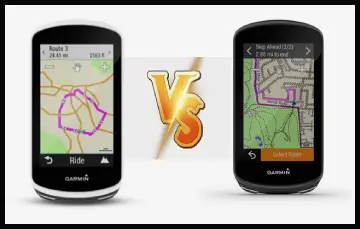
When I first switched from the original 1030 to the Plus, I noticed some changes right away that made my rides smoother.
These aren’t massive overhauls, but they add up, especially on long days in the saddle.
Let me list out the main ones and explain why they matter from my experience.
- Design and Build: The 1030 comes in a white casing, which looked sharp at first but picked up dirt easily on gravel rides.
The Plus switches to black, giving it a sleeker, more modern vibe that stays cleaner.
It’s a small thing, but as a rider who hates fussing over gear, I appreciated not having to wipe it down as often.
Both are about the same size and weight, fitting nicely on my handlebars without feeling bulky.
- Battery Performance: This was a game-changer for me. The standard 1030 lasts around 20 hours, which was fine for most outings, but I’d sometimes cut it close on epic adventures.
The Plus bumps that to 24 hours, and in real use, I’ve squeezed even more by dimming the screen.
If you’re like me and forget to charge overnight, that extra time means less worry about your device dying mid-ride.
- Processing Power: The Plus has a beefed-up processor that makes everything snappier.
Loading maps or switching screens on the 1030 could lag a bit, especially with multiple sensors connected.
On the Plus, it’s instant—great when you’re glancing down at speed during a sprint.
I found this especially useful in group rides where quick data checks keep you in the flow.
- Storage Capacity: Doubling from 16GB to 32GB might not sound exciting, but it lets me store more maps and routes without swapping cards.
The 1030 has a microSD slot, which I used occasionally, but the Plus ditches it for internal space only.
For international trips, this meant I could preload entire regions without hassle.
- GPS and Sensor Improvements: The Plus uses a newer Sony chipset, which locked onto signals faster in dense forests or urban areas where the 1030 sometimes wandered.
Accuracy improved noticeably on twisty trails, and elevation data felt more precise.
If you ride in varied terrain like I do, this reduces those frustrating “off-course” alerts.
- Software Enhancements: Garmin updated the Plus with features like daily workout suggestions based on your fitness level.
The 1030 gets most updates too, but the Plus integrates them better.
ClimbPro, for instance, shows upcoming hills even without a preloaded route—handy for spontaneous explorations.
These differences made the Plus feel like a refined version of the 1030, not a complete reinvention. If you’re upgrading, think about how often you push the limits; for casual riders, the original might suffice.
Key Features Of The Garmin Edge 1030
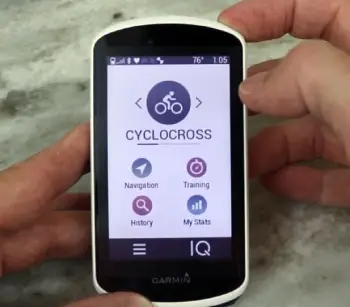
I’ve relied on the 1030 for years, and it’s packed with tools that turned my casual spins into structured training sessions.
Here’s what stands out, with a bit on how I’ve used them.
- Large Touchscreen Display: At 3.5 inches, it’s easy to read metrics like speed, heart rate, and power without squinting.
I customized data fields to show exactly what I need—cadence on top, distance below. The touchscreen works in rain, though gloves can be tricky sometimes.
- Advanced Navigation: Full-color maps with turn-by-turn directions kept me on track during century rides.
Trendline popularity routing suggests paths other cyclists love, which led me to hidden gems. I once discovered a quiet backroad loop thanks to this.
- Performance Metrics: It tracks VO2 max, recovery time, and training load. Pairing with a power meter, I analyzed efforts post-ride to tweak my intervals.
It’s motivating to see progress graphed out.
- Connectivity Options: Bluetooth and ANT+ for sensors, plus Wi-Fi for uploads.
I linked it to my phone for live tracking, so friends could follow my progress on long solos.
- Safety Tools: Incident detection alerts contacts if it senses a crash.
I tested it (safely), and it worked reliably, giving peace of mind on remote routes.
- Battery Extension: Compatible with Garmin’s external pack, doubling life to 40 hours.
Essential for multi-day tours where outlets are scarce.
The 1030 feels like a reliable companion—solid for roadies or commuters who want data without overwhelming complexity.
Pros Of The Garmin Edge 1030
After thousands of kilometers on the original 1030, here’s my honest take—strengths that still hold up and the frustrations that eventually pushed me toward an upgrade.
- Excellent value when bought on discount or second-hand; delivers premium features without the latest price tag.
- Expandable storage with a microSD slot—perfect if you preload lots of maps for travel.
- Huge 3.5-inch touchscreen is bright and glanceable, especially for older eyes or data-heavy screens.
- Rock-solid navigation with Trendline popularity routing that consistently finds quiet, scenic paths.
- Long-term software support from Garmin; it still receives important updates years later.
- Reliable incident detection and LiveTrack for safety on solo or remote rides.
Cons Of The Garmin Edge 1030
- Battery life tops out around 20 hours (sometimes less with heavy GPS/navigation), so planning is needed on ultra-long days.
- Noticeably slower processor—lag when loading maps, recalculating routes, or switching pages during busy rides.
- White casing shows dirt, scratches, and wear quickly, especially on gravel or dusty roads.
- Misses out on newer conveniences like daily workout suggestions and unprompted ClimbPro.
- Feels a bit dated next to current models, especially in responsiveness and sensor lock-on speed.
It’s a dependable workhorse that punches above its weight for budget-conscious riders who don’t need bleeding-edge speed.
Key Features Of The Garmin Edge 1030 Plus
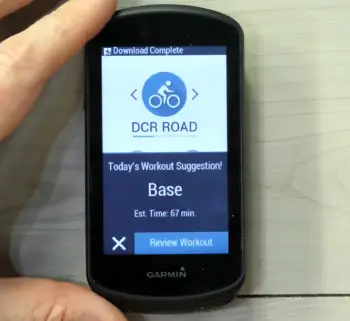
Building on the original, the Plus adds polish that elevates the experience. I’ve found these extras particularly useful in my training.
- Enhanced Battery and Efficiency: That 24-hour claim holds up, even with navigation running.
I did a 150-mile ride without recharging, something the 1030 struggled with.
- Workout Suggestions: It analyzes your history and suggests daily rides or strength sessions.
As someone who gets stuck in routines, this kept things fresh and targeted weaknesses.
- Improved ClimbPro: Shows climb details in real-time, even off-route.
On hilly terrains, it helped me pace efforts better, saving energy for the top.
- Faster Interface: The upgraded processor means no delays in recalculating routes.
Crucial when you miss a turn in unfamiliar areas.
- Better Integration with Apps: Seamless with Strava and Komoot for route syncing.
I planned adventures on my phone and they appeared instantly on the device.
- Trailforks Integration: For off-road, it includes MTB trails.
I’ve used this on gravel bikes, finding flowy singletracks I wouldn’t have otherwise.
The Plus shines for serious cyclists who crave that extra edge in performance tracking.
Pros Of The Garmin Edge 1030 Plus
The Plus became my daily driver after the switch—here’s what won me over and the small gripes that remain even in 2025.
- Solid 24-hour battery life (often stretches further in real-world mixed use), giving real peace of mind on big adventures.
- Much faster processor—snappy menus, quick route changes, and instant data refreshes keep frustration low.
- Doubled internal storage (32GB) means no need to juggle microSD cards for full-region maps.
- Improved touchscreen responsiveness makes it feel modern, even in rain or with gloves.
- Extra training tools like daily suggested workouts and route-independent ClimbPro add smart coaching without effort.
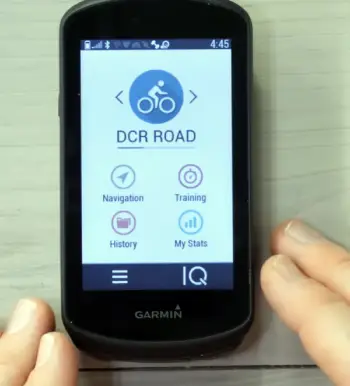
- Sleeker black design hides dirt better and still looks fresh after years of hard use.
- Better overall GPS lock and minor software polish for smoother navigation on and off-road.
Cons Of The Garmin Edge 1030 Plus
- Higher original price; the jump isn’t always justified if you ride casually or already own a 1030.
- No microSD expansion—you’re locked at 32GB (though rarely an issue for most people).
- Still stuck with micro-USB charging in an era of USB-C everywhere.
- Alphabetical (not QWERTY) keyboard remains annoying for typing addresses or searching.
- Size and weight can feel bulky on smaller bikes or for quick urban spins.
For serious cyclists, commuters who train hard, or anyone who values refinement, the Plus is the clear winner and still holds up extremely well today.
Why Choose the Garmin Edge 1030?
From my rides, the 1030 excels for those starting with high-end tech without breaking the bank.
I used it for my first Ironman training, where its mapping guided me through unfamiliar courses.
The display is bright enough for sunny days, and customization lets you prioritize data like FTP zones.
If your focus is solid basics—tracking, navigating, connecting—it’s spot on. Plus, with updates, it stays current longer than expected.
Why Opt For The Garmin Edge 1030 Plus?
The Plus is my go-to now for intense sessions. Its speed and suggestions transformed how I train; one time, it recommended a recovery ride after a hard week, preventing burnout.
For adventurers, the better GPS and ClimbPro make exploration fun. If you ride often and want refinement, it’s worth the upgrade.
I notice the difference most on group rides, where quick glances keep me engaged.
Real-World Performance: My Experiences On The Road
Let me share some stories to make this real. On a 100-mile charity ride with the 1030, battery dipped low around mile 80, forcing conservative use.
With the Plus, same route, I had juice left for photos at the end.
Navigation-wise, the 1030 rerouted fine but slowly; the Plus does it seamlessly. In rain, both held up, but the Plus’s touchscreen felt more responsive.
For metrics, analyzing power data post-ride helped me hit PRs—both do it well, but Plus loads faster.
Battery Life And Charging: Practical Tips
To maximize, dim screens and disable unused sensors.
I carry a portable charger for extras. Plus’s 24 hours means rarer stops; 1030 needs planning.
Both support external packs for ultra-endurance.
Durability And Build Quality
Both withstand drops and weather.
Plus’s black hides scratches better. I’ve crashed (mildly) with no issues.
Also Read: Comparison Of Fire Max 11 And Fire HD 10
Frequently Asked Questions (FAQ)
The 1040 offers longer battery life (up to 35 hours), multi-band GNSS for better accuracy, USB-C charging, a refined user interface, and a solar version option, while the 1030 has shorter battery and older tech.
The 1040 has superior battery multi-band GPS, USB-C, and solar charging capability, plus a smoother interface; the 1030 Plus is lighter but lacks these updates.
Yes, it includes incident detection that alerts emergency contacts via your connected phone if a crash is sensed.
The Edge 1050 stands out as the top model with its vivid touchscreen, built-in speaker, advanced metrics, and long battery, ideal for serious cyclists.
Wrapping Up
I hope this guide clears things up for you.
The original 1030 is still a fantastic, reliable choice if you want a big bright screen, proven navigation, solid metrics, and great value—especially on a budget.
It handles most rides perfectly and has aged well thanks to Garmin’s updates.
The 1030 Plus simply feels better day-to-day: faster, longer battery, snappier interface, cleaner design, more accurate GPS, and useful extras like daily workout suggestions and route-independent ClimbPro.
For frequent, longer, or more serious rides, it’s the noticeably more enjoyable option.
If money matters or you’re happy with basics → stick with (or buy) the 1030. If you want refinement, speed, and peace of mind on big days → the 1030 Plus is worth it and still excellent in 2026.
Recent Posts
● Interactive 5-Zone Interior & Exterior Paint Blueprint Paint Coverage Calculator: Gallons, Primer, Square Footage & Cost Tap any architectural surface zone on the blueprint...
If you want smooth, shiny hair without spending a fortune on a premium styling tool, the Ella Bella hair dryer may be worth considering.In these Ella Bella hair dryer reviews, I’ll look...