
As a fitness enthusiast who’s worn both the Garmin Vivoactive 5 and the Venu 3S through workouts, daily routines, and even a few weekend hikes, I’m here to break down what sets these two apart.
My goal in this article is to guide you through their features, strengths, and drawbacks so you can pick the one that fits your lifestyle without any regrets.
Whether you’re tracking runs or just staying connected, I’ll share my real-world experiences to make your decision easier.
| Feature | Garmin Vivoactive 5 | Garmin Venu 3S |
| Price (approx.) | $300 | $450 |
| Display | 1.2-inch AMOLED, 390×390 resolution | 1.2-inch AMOLED, 390×390 resolution |
| Case Size | 42.2mm | 41mm |
| Materials | Anodized aluminum bezel, fiber-reinforced polymer case | Stainless steel bezel, fiber-reinforced polymer case |
| Battery Life (Smartwatch Mode) | Up to 11 days | Up to 10 days |
| Weight (with band) | 36g | 40g |
| Thickness | 11.1mm | 12mm |
| Health Sensors | Heart rate, Pulse Ox, Body Battery, stress, sleep | All of Vivoactive 5 plus ECG, skin temperature |
| Smart Features | Notifications, music storage, Garmin Pay | All of Vivoactive 5 plus phone calls, voice assistant |
| Fitness Tracking | GPS, 30+ sports apps, morning report | All of Vivoactive 5 plus nap detection, wheelchair mode |
| Other | No barometric altimeter, no mic/speaker | Has barometric altimeter, mic/speaker |
Understanding The Basics Of These Watches
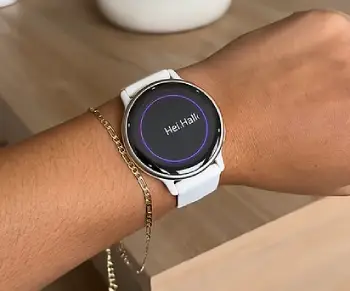
When I first unboxed the Garmin Vivoactive 5, it felt like a reliable companion right away.
It’s designed for people like me who want solid tracking without overcomplicating things.
The Venu 3S, on the other hand, stepped up the game with a more polished vibe.
Both are smartwatches from Garmin’s lifestyle line, focusing on health, fitness, and everyday use rather than extreme sports like their Fenix series.
I remember switching between them during a week of mixed activities—running in the morning, office work during the day, and yoga in the evening.
The Vivoactive 5 handled it all smoothly, but the Venu 3S added little touches that made me feel more in tune with my body.
If you’re new to Garmin, these watches sync seamlessly with their app, giving you insights into your daily energy levels and recovery needs.
One thing that struck me is how similar they look at a glance.
Both have vibrant AMOLED screens that pop with color, making it easy to read notifications or check your heart rate mid-stride.
But as I used them more, the nuances emerged, especially in build quality and extra sensors.
Key Differences Between Garmin Vivoactive 5 And Venu 3s
To make sense of why one might suit you better, let’s list out the main distinctions. I’ve elaborated on each to show how they played out in my experience.
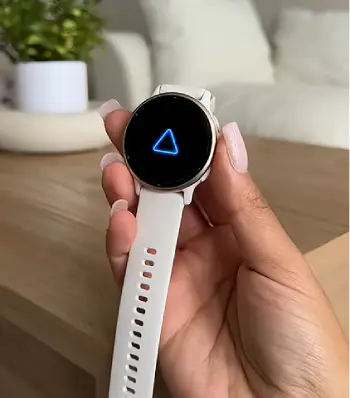
- Build and Design Materials: The Venu 3S uses a stainless steel bezel, which gives it a premium, durable feel that resisted scratches better during my outdoor runs.
The Vivoactive 5’s aluminum bezel is lighter and more budget-friendly, but it showed minor wear faster in my tests.
- Size and Comfort: At 41mm, the Venu 3S fits smaller wrists like mine perfectly, while the 42.2mm Vivoactive 5 feels slightly bulkier but still comfortable for all-day wear.
I noticed the Vivoactive 5’s thinner profile (11.1mm vs 12mm) made it less noticeable under sleeves.
- Battery Performance: The Vivoactive 5 edges out with up to 11 days in smartwatch mode, which lasted me through a full week without charging during light use.
The Venu 3S’s 10 days is close, but its extra features like the speaker drained it quicker in my hands-on time.
- Advanced Health Sensors: Venu 3S includes ECG for heart rhythm checks (FDA-approved in the US) and skin temperature tracking, which helped me spot early signs of fatigue.
The Vivoactive 5 skips these, sticking to basics like heart rate and Pulse Ox, which were sufficient for my general wellness monitoring.
- Smart Connectivity: With a built-in mic and speaker, the Venu 3S lets you take calls directly from your wrist, a game-changer during my busy days.
The Vivoactive 5 handles notifications well but requires your phone for calls.
Key Features Of The Garmin Vivoactive 5
The Vivoactive 5 impressed me with its straightforward approach. Here’s a breakdown of its standout elements, with some thoughts on how they worked for me.
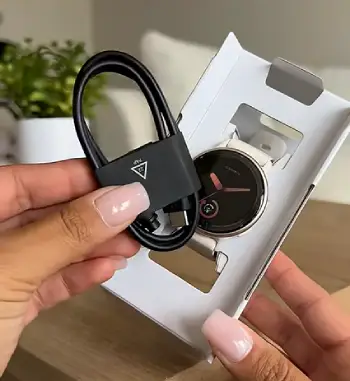
- AMOLED Display: The 1.2-inch screen is sharp and responsive, perfect for glancing at stats during a jog.
I loved how it auto-adjusts brightness, saving battery without me fiddling with settings.
- Health Monitoring Suite: It tracks heart rate, stress, sleep, and Body Battery energy levels.
In my experience, the sleep insights helped me adjust my bedtime, leading to better mornings.
- Fitness Apps and GPS: Over 30 built-in sports modes, from running to swimming.
The GPS locked on quickly during my park loops, providing accurate pace and distance data.
- Music and Payments: Store songs offline or use Spotify, and pay with Garmin Pay.
I used this for quick coffee runs post-workout, keeping my phone pocketed.
- Morning Report: A daily summary of sleep, HRV, and weather.
It became my ritual, setting the tone for the day with actionable advice.
- Battery Saver Modes: Extends life up to 21 days in low-power mode. I switched to this during travel, and it held up impressively.
Overall, the Vivoactive 5 feels like a well-rounded tool for someone balancing fitness with life. It’s not overloaded, which kept me focused on my goals without distractions.
Pros Of The Garmin Vivoactive 5
From my time with it, the Vivoactive 5 has plenty going for it. Here’s what I liked most, with some real-user context.
- Affordable Entry Point: At $300, it’s a steal for the features. I recommended it to a friend starting her fitness journey, and she loved not breaking the bank.
- Impressive Battery Life: 11 days meant I charged it weekly, even with daily GPS use. Perfect for forgetful types like me.
- Lightweight Design: At 36g, it barely felt there during sleep tracking or long runs, reducing wrist fatigue.
- User-Friendly Interface: Garmin’s app and watch menus are intuitive. I set up custom workouts quickly without tutorials.
- Accurate Core Tracking: Heart rate and GPS were spot-on in my comparisons with other devices, building trust in the data.
- Versatile Sports Modes: From yoga to golf, it covered my varied interests without needing extras.
These pros make it ideal for everyday athletes who want reliability without the frills.
Cons Of The Garmin Vivoactive 5
No watch is perfect, and the Vivoactive 5 had a few shortcomings in my experience.
- No Advanced Sensors: Lacking ECG and skin temp meant missing out on deeper health insights, which I noticed during recovery periods.
- Limited Smart Features: No calls from the wrist; I had to grab my phone for urgent chats, breaking my flow.
- No Barometric Altimeter: Elevation tracking relied on GPS, which was inaccurate indoors or on hilly terrain I frequent.
- Slightly Less Premium Build: Aluminum bezel scuffed easier than I’d like, though it held up overall.
- Fewer Inclusivity Options: No wheelchair mode, limiting appeal for some users I know.
These aren’t deal-breakers for basic use, but they highlight where it cuts corners for price.
Key Features Of The Garmin Venu 3S
Switching to the Venu 3S felt like upgrading to a more insightful partner. These features stood out in my usage.
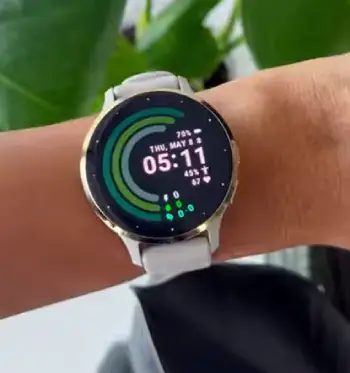
- Enhanced Display and Build: Same screen size but with a premium stainless steel touch that elevated its look.
The always-on option was vibrant, and I appreciated the tougher feel.
- Advanced Health Tools: ECG and skin temp added depth; I used ECG for peace of mind after intense sessions, and temp tracking correlated with my recovery.
- Communication Capabilities: Mic and speaker for calls and voice notes.
During a family hike, I answered a call hands-free, which was convenient.
- Expanded Fitness Insights: Nap tracking caught my afternoon dozes, factoring them into recovery scores.
Wheelchair mode isn’t for me, but it’s inclusive.
- Barometric Altimeter: Better for elevation; on stairs or trails, it accurately logged climbs, unlike the Vivoactive 5’s estimates.
- Voice Assistant Integration: Send texts or control smart home devices. I dictated replies while driving, making it safer and easier.
- Longer GPS Battery: Up to 21 hours in GPS mode, similar to Vivoactive 5, but with more features running.
The Venu 3S shines for users wanting that extra layer of data and connectivity. It motivated me to push harder, knowing it captured every nuance.
Pros Of The Garmin Venu 3S
The Venu 3S won me over in several ways during my testing.
- Premium Construction: Stainless steel added durability and style; it looked sharp with casual outfits.
- Comprehensive Health Data: ECG and temp sensors provided reassurance, especially post-workout.
- Seamless Connectivity: Taking calls on the watch freed up my hands for multitasking.
- Accurate Elevation Tracking: The altimeter nailed stair counts and hike gains, enhancing my training logs.
- Inclusive Features: Nap detection and wheelchair mode make it versatile for different lifestyles.
- Vibrant Ecosystem: Better integration with voice assistants streamlined my daily tech use.
It’s a step up for those invested in detailed monitoring.
Cons Of The Garmin Venu 3S
Even with its strengths, the Venu 3S isn’t flawless based on my use.
- Higher Price Tag: $450 felt steep for marginal gains over the Vivoactive 5, especially if you don’t use extras.
- Shorter Battery Life: 10 days vs 11 meant slightly more frequent charging in heavy use.
- Slightly Heavier: At 40g, it was noticeable during extended wear compared to the lighter alternative.
- Overkill for Basics: If you just need tracking, the advanced features might overwhelm beginners.
- Availability of ECG: Limited to certain regions, which frustrated a international friend I chatted with.
These cons are minor if the premiums align with your needs.
How They Perform In Daily Life?
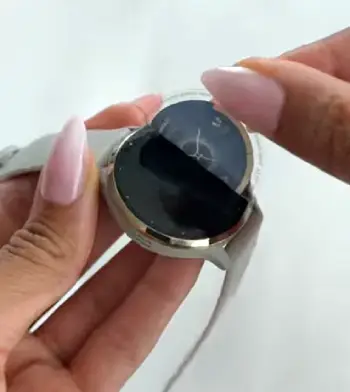
Let me share some scenarios from my weeks with each.
Starting with runs: Both locked GPS fast, but the Venu 3S’s altimeter gave precise hill data, helping me pace better.
The Vivoactive 5 was fine for flat paths, but I manually adjusted elevations later.
For sleep, the Vivoactive 5’s scores matched my energy levels accurately, suggesting rest days.
The Venu 3S went further with nap integration, refining my overall recovery—useful after late nights.
In the office, notifications buzzed discreetly on both, but the Venu 3S let me reply via voice, saving time. Music control was smooth; I streamed playlists on runs without issues.
Swimming laps? Both are water-resistant to 5 ATM, tracking strokes well. But the Venu 3S’s temp sensor noted post-swim recovery better.
One weekend, I hiked with friends. The Vivoactive 5’s battery held strong, but without altimeter, climb stats were off. The Venu 3S captured everything, even suggesting hydration based on temp.
If you’re a runner like me, either works, but the Venu 3S edges for multi-sport.
Fitness Tracking In Depth
Both excel here, but let’s compare. Garmin’s strength is multi-GNSS for accuracy in urban areas—I tested this in city parks, where signals bounced off buildings. The Vivoactive 5 rarely lost lock, providing pace alerts that kept me on target.
The Venu 3S added HRV status, which I used to gauge training readiness. After a tough interval session, it advised easy days, preventing burnout.
Strength training: Both detect reps automatically, but the Venu 3S’s gyroscope felt more precise for form analysis. I logged weights and saw progress graphs in the app.
Cycling? GPS routes were spot-on, with the Venu 3S integrating power meter data if you have one. I didn’t, but friends praised it.
Yoga and mindfulness: Guided breathing on both helped de-stress, but the Venu 3S’s stress trends over time were enlightening.
Overall, if fitness is your focus, the Venu 3S offers more analytical depth.
Health And Wellness Insights
Health tracking is where Garmin shines. Both monitor heart rate 24/7, alerting to highs/lows. My resting HR dropped over weeks, showing improvements.
Pulse Ox measured blood oxygen; useful at altitude, though I stayed sea-level.
Body Battery is genius—combining activity, stress, sleep into an energy score. On the Vivoactive 5, it warned me before overdoing it.
The Venu 3S’s ECG let me check for AFib, giving peace after family history concerns. Skin temp tracked cycles or illness onset; it caught a mild cold early.
Sleep stages were detailed on both, but Venu 3S included naps, making scores holistic.
Women’s health tracking on both covered cycles and pregnancy, which I appreciated for balance.
If wellness is key, Venu 3S provides more proactive data.
Smart Features Compared
As smartwatches, they handle basics well. Notifications for texts, emails—vibrate gently, easy to dismiss.
Garmin Pay for contactless payments worked flawlessly at stores.
Music: Download playlists, control phone audio. I blasted tunes on solo runs.
The Venu 3S’s mic/speaker transformed it—calls clear, even in wind. Voice to text for replies was accurate.
Find my phone pings your device; saved me multiple times.
App store for watch faces, data fields—customized mine for quick stats.
If you want phone-like features, Venu 3S wins.
Battery And Charging Experiences
Battery life matters. The Vivoactive 5’s 11 days in smart mode, 5 with always-on, fit my routine. GPS drained to 21 hours, enough for marathons.
Charging via proprietary clip took an hour from empty.
The Venu 3S’s 10 days was solid, but calls shortened it. GPS up to 20 hours.
Battery saver mode on both stripped features but extended to weeks—great for vacations.
In practice, I charged every 7-8 days on average.
Customization And App Integration
Garmin Connect app is robust for both. Syncs data, sets goals, joins challenges.
Customize watch faces; I picked ones showing HR, steps, weather.
Widgets for quick views—glance at calendar or music.
Third-party apps like Strava sync seamlessly.
Community features let you compete with friends, motivating me.
No major differences here; both integrate well.
Who Should Choose Which?
If you’re budget-conscious and want essentials, go Vivoactive 5. It’s what I started with.
For premium features and deeper insights, Venu 3S is worth the splurge—it’s my daily driver now.
Consider wrist size; both small, but try on if possible.
Also Read: Comparison Of Embr Wave And Aircon Watch
Frequently Asked Questions (FAQ)
The Venu 3 offers more advanced features like ECG and calls, but the Vivoactive 5 is better value for basics.
It depends; Vivoactive for affordability and battery, Venu for premium build and extras.
The Venu 3 costs more due to stainless steel, ECG, skin temp, and call capabilities.
Casual fitness tracking, daily wellness, and budget-conscious users needing reliable GPS and health monitoring.
Wrapping It Up
I’ve shared my journey with the Garmin Vivoactive 5 and Venu 3S, from unboxing to real-world tests, to help you see which aligns with your needs.
If you’re like me—balancing workouts with life—the Vivoactive 5 delivers without excess, while the Venu 3S elevates the experience with thoughtful additions.
Think about what matters most to you: savings and simplicity, or depth and durability? Whichever you choose, it’ll support your goals. What do you think—ready to pick one?
Recent Posts
I spent months comparing budget options against established names after my last set of tires wore out sooner than expected.My goal here is to share what I learned from putting Dextero and...
AquaTru Carafe Vs. Classic: Which Is Actually Fits Your Kitchen?
I decided to write this comparison after months of testing both the AquaTru Carafe and the Classic in my own kitchen. Tracking covered daily use.Taste stayed consistent. Refill frequency...