
I have spent countless hours hiking, traveling, and relying on portable water filters to keep me hydrated and safe. Choosing between the Grayl and LifeStraw often feels overwhelming because they serve entirely different purposes. In this comprehensive guide, I will compare the Grayl and LifeStraw directly. My goal is to break down their distinct features, evaluate their real-world performance, and highlight their specific pros and cons. By the end of this comparison, you will know exactly which filtration system is the absolute best fit for your next outdoor adventure or international trip.
A Brief Comparison Table
| Feature | Grayl | LifeStraw |
| Filtration Type | Purifier press system | Hollow-fiber straw |
| Contaminants Removed | Bacteria, protozoa, viruses, heavy metals | Bacteria, protozoa |
| Weight | 15.9 ounces (GeoPress) | 2.0 ounces (Personal) |
| Water Storage | Yes, up to 24 ounces | No, filters while you drink |
| Filter Lifespan | 65 gallons (350 presses) | 1,000 gallons (4,000 liters) |
| Flow Rate | 24 ounces in 8 seconds | Dependent on your suction |
| Best For | International travel, sketchy tap water | Emergency kits, lightweight hiking |
| Price Range | $90 to $100 | $15 to $25 |
My Experience With Grayl
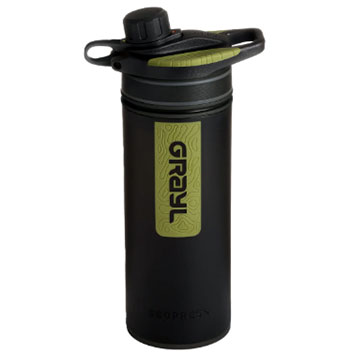
When I first unboxed the Grayl, I immediately noticed its robust, premium construction.
It absolutely feels like a serious piece of technical gear that can survive a lot of physical punishment in the wild.
I took it on a demanding three-week backpacking trip through dense humidity where I relied exclusively on natural, largely untested water sources.
The internal press mechanism felt a bit stiff during my first few attempts, but once I got the hang of utilizing my upper body weight, it quickly became second nature.
The peace of mind knowing it actively purifies dangerous viruses is truly unparalleled.
I never had to nervously boil my drinking water or wait patiently for harsh chemical tablets to finally activate.
You simply fill the outer cup, firmly press the inner cartridge down, and drink freely.
However, I definitely noticed the overall weight. It is undeniably heavy for a standard water bottle, and the twenty-four-ounce capacity is somewhat limited if you are trying to rapidly cook a large backcountry meal.
Despite these minor physical gripes, the purified water always tasted incredibly fresh and crisp, completely devoid of that murky, earthy flavor you often get from standard microfilters. It quickly became my absolute go-to hydration vessel for questionable water scenarios abroad.
Read More: My Thoughts On Ello Water Bottle
Pros Of Grayl
- Exceptional Virus And Chemical Protection: Unlike standard water filters, this robust purifier actively removes dangerous viruses, heavy metals, and harmful chemicals from your drinking water. When you travel to developing nations with questionable tap water, you can confidently hydrate without ever worrying about severe illness or long-term health impacts from heavily contaminated regional water supplies.
- Effortless Chugging For Rapid Hydration: Because the system works by manually pressing the water through the purification cartridge in advance, you can drink freely. You are completely able to chug generous amounts of clean water rapidly when you are incredibly thirsty, completely avoiding the exhausting suction process required by standard hollow-fiber straw filters.
- Functions Perfectly As A Standard Bottle: If you find yourself in an area boasting perfectly safe tap water, you can easily use this container exactly like a regular water bottle. You avoid wasting the valuable filtration cartridge lifespan, giving you a highly versatile daily hydration vessel that seamlessly transitions between wilderness expeditions and ordinary urban environments.
- Incredible Durability For Rugged Adventures: Built exceptionally well, this purifier easily withstands significant physical abuse during intense outdoor excursions. You can confidently strap it to the outside of your heavy backpack, accidentally drop it on solid rock, and expose it to extreme conditions without ever worrying about the thick outer plastic cracking or catastrophic structural failure.
- Enhances Overall Drinking Water Taste: By utilizing an advanced activated carbon layer within the filter cartridge, this device remarkably improves the actual flavor of your water. You will quickly notice that stagnant lake water or heavily chlorinated municipal tap water tastes incredibly fresh and crisp, making your necessary daily hydration significantly more pleasant and enjoyable.
- Incredibly Fast Purification Flow Rate: The innovative physical press design allows you to generate twenty-four ounces of pure drinking water in merely eight seconds. You spend significantly less time waiting around at the water source, completely enabling you to fill up quickly, stay properly hydrated, and efficiently continue forward on your demanding outdoor adventure.
- Smart Design Eliminates Cross Contamination: The thoughtfully engineered lid entirely prevents dirty water from mixing with your clean drinking reservoir. You never have to worry about accidentally ingesting dangerous pathogens while filling the outer cup, ensuring that the purified water you eventually consume remains flawlessly safe and completely untainted by the surrounding hazardous environment.
- Simple Maintenance Without Messy Backflushing: Unlike alternative squeezing filtration systems that desperately require constant mechanical backflushing to maintain adequate water flow, this device demands absolutely zero field maintenance. You simply replace the internal purification cartridge whenever the physical pressing motion finally becomes overwhelmingly difficult, saving you significant time and frustrating hassle during long backcountry trips.
Cons Of Grayl
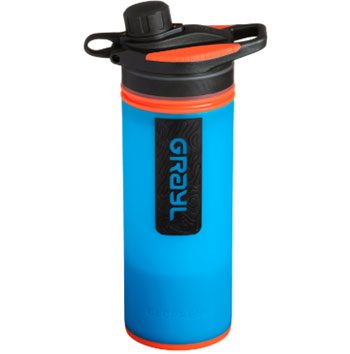
- Significant Initial Financial Investment Required: At approximately ninety dollars, this high-end purifier demands a notably large upfront payment. If you only plan to venture outdoors occasionally or stick exclusively to well-maintained local trails, you might reasonably struggle to completely justify spending such a premium amount on a specialized piece of advanced water filtration equipment.
- Ongoing Filter Cartridge Replacement Costs: The internal purification mechanism completely exhausts its useful lifespan after approximately sixty-five gallons. You must frequently purchase expensive replacement cartridges, meaning your long-term maintenance costs will steadily accumulate if you regularly rely on this specific device for your daily hydration needs during extensive backcountry hiking or long-term international travel.
- Substantial Weight Penalty For Backpackers: Weighing nearly sixteen ounces completely empty, this heavy vessel adds considerable bulk to your carefully calculated base weight. If you strictly prioritize an ultralight setup for demanding long-distance thru-hikes, you will undoubtedly find this massive purifier unnecessarily burdensome to constantly carry inside your compact pack over rough, unforgiving terrain.
- Uncomfortably Bulky Dimensions Limit Storage: The remarkably wide cylindrical shape strongly resembles a massive portable speaker rather than a standard hydration flask. You will likely struggle to easily slide this thick container into the standard side mesh pockets of your favorite hiking backpack, forcing you to awkwardly store it directly inside the main internal compartment.
- Requires Substantial Physical Pressing Effort: Forcing the internal cartridge down through the dirty water reservoir requires a noticeably large amount of consistent upper body strength. You might find the repetitive pressing motion surprisingly exhausting after a long day of strenuous hiking, especially when the aging filter begins to gradually clog and actively resist your downward pressure.
- Limited Clean Water Storage Capacity: The internal reservoir only holds exactly twenty-four ounces of purified liquid at any given time. If you desperately need to carry large quantities of safe drinking water through dry desert stretches, you must tediously press multiple individual batches and slowly transfer the precious contents into a completely separate secondary container.
- Highly Vulnerable To Freezing Temperatures: The delicate internal purification matrix can sustain permanent catastrophic damage if exposed to sub-freezing environmental conditions. You must obsessively keep the wet cartridge close to your body heat during frigid winter camping trips, because a frozen internal membrane will completely fail to safely protect you from dangerous microscopic waterborne pathogens.
- Not Ideal For High Sediment Sources: Attempting to quickly purify murky water filled with thick mud or heavy silt will rapidly destroy the cartridge. You must always pre-filter visibly dirty water through a bandana first, otherwise, you risk prematurely clogging the expensive internal mechanism and completely ruining your primary source of safe hydration in the wilderness.
My Experience With LifeStraw
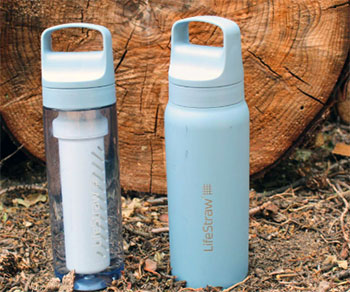
I always keep a LifeStraw deliberately tucked away inside my vehicle emergency kit, and I have confidently taken it on numerous minimalist day hikes where rigorously counting ounces truly matters.
My very first real experience actively using it was during an unexpectedly long trail run when my primary hydration bladder ran completely dry miles from my car.
I successfully located a clear, fast-moving mountain stream, uncapped the protective bottom of the straw, and drank directly from the icy water.
The immediate physical relief was genuinely fantastic. However, successfully using it definitely requires a bit of an undignified posture.
You literally have to get down on your bare hands and knees to physically suck water straight out of a shallow puddle or rocky stream.
The initial draw resistance is definitely noticeable right away; it feels somewhat similar to aggressively drinking a very thick milkshake through a standard fast-food straw.
You will actively feel your cheeks pulling inward as you suck. Despite the inherently awkward drinking mechanics, the sheer functional convenience is absolutely undeniable. It weighs practically nothing, so you never feel physically burdened carrying it around all day.
However, not being able to independently store the clean water is a massive logistical limitation for extended backcountry backpacking trips. Once you physically step away from the flowing river, you are entirely out of luck until you stumble upon the next active water source. It serves brilliantly as a lightweight emergency backup, but I quickly learned it is not the most practical primary filtration solution for multi-day wilderness expeditions.
Pros Of LifeStraw
- Extremely Lightweight And Highly Portable: Weighing a mere two ounces, this incredibly compact hollow-fiber straw practically disappears inside your heavy backpack. You can easily slip it right into your front pants pocket or wear it comfortably around your neck, making it the absolute perfect minimalist hydration tool for demanding ultralight hikers and fast-paced trail runners.
- Remarkably Affordable Initial Purchase Price: Priced comfortably under twenty dollars, this incredibly effective filtration device represents a virtually unbeatable financial value. You can easily purchase multiple units simultaneously without drastically draining your bank account, completely ensuring that every single member of your family possesses reliable access to safe drinking water during unexpected emergencies or disasters.
- Immediate Access To Clean Hydration: Because you directly suction the liquid straight through the hollow-fiber membrane, you completely avoid time-consuming setup procedures. You can simply bend down over a running stream, dip the bottom end into the current, and immediately start drinking cold water without ever waiting for gravity bags or manual pressing mechanisms.
- Exceptionally Long Lifespan Without Degradation: The robust internal filtration technology successfully cleans up to one thousand gallons of dirty water before ultimately failing. You rarely have to worry about constantly purchasing replacement parts, ensuring that this dependable little plastic tube remains highly functional throughout several consecutive years of intense outdoor adventuring and regular seasonal use.
- Perfect For Emergency Preparedness Kits: Thanks to its incredibly simplistic design and total lack of moving parts, this device serves as the ultimate survival tool. You can securely store it away in your vehicle glovebox or home emergency bug-out bag for several years, knowing it will function flawlessly whenever a catastrophic natural disaster strikes.
- Requires Absolutely No Chemical Additives: Unlike traditional iodine drops or harsh purification tablets, this physical microfilter securely traps dangerous pathogens without permanently altering the liquid. You never have to blindly swallow strange-tasting chemical solutions, ensuring your freshly gathered mountain water consistently remains completely natural, perfectly safe, and incredibly refreshing during your strenuous outdoor excursions.
- Extremely Durable And Impact Resistant: The thick external plastic housing easily withstands severe physical abuse on the rugged trail. You can accidentally drop it onto hard granite boulders or casually toss it roughly into the dark bottom of your camping gear bin without ever worrying about cracking the protective casing or damaging the internal micro-membrane.
- Requires Zero Pumping Or Complex Hoses: The remarkably straightforward operational design completely eliminates the frustrating hassle of managing tangled silicone tubes or exhausting manual hand pumps. You simply uncap the bottom, place it directly into the dubious water source, and effortlessly suck the liquid through the mouthpiece exactly as you would with any normal drinking straw.
Cons Of LifeStraw
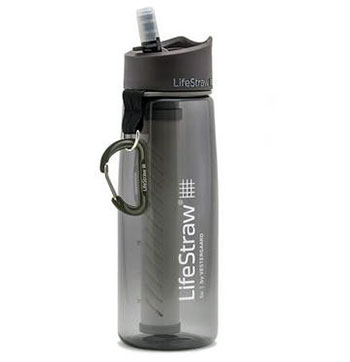
- Completely Lacks Useful Water Storage: Because this device functions strictly as a direct-suction straw, you absolutely cannot carry clean water away from the source. You are consistently forced to consume your entire hydration requirement immediately while awkwardly crouching beside the muddy riverbank, leaving you completely vulnerable during long, dry stretches between active water sources.
- Fails To Remove Dangerous Viruses: The internal hollow-fiber membrane strictly targets moderately sized bacteria and common protozoa. If you plan to travel internationally to developing regions with heavily contaminated municipal plumbing, you remain completely exposed to incredibly dangerous microscopic viral pathogens that effortlessly pass straight through this basic filter and directly into your vulnerable digestive system.
- Requires Awkward Positioning To Drink: In order to properly utilize this compact device, you must dramatically lower your face completely down to the ground. You will frequently find yourself awkwardly kneeling in wet mud or balancing precariously on slippery rocks just to comfortably reach the shallow creek water with the bottom tip of your thick straw.
- Does Not Improve Bad Tastes: Without the helpful presence of a dedicated activated carbon layer, this basic plastic tube utterly fails to eliminate harsh chemical flavors. If you attempt to safely drink stagnant swamp water or heavily chlorinated tap water, you must stubbornly endure the incredibly foul, unpleasant taste while desperately trying to stay properly hydrated.
- Demands Noticeable Physical Suction Effort: Pulling thick liquid upward through the dense internal micro-membrane demands surprisingly strong lung capacity. You will likely find the intense sucking action quite exhausting, especially when you are already breathing heavily from strenuous physical exertion or when the internal pores inevitably begin clogging with microscopic dirt and natural organic debris.
- Highly Susceptible To Permanent Freeze Damage: The tiny drops of residual moisture trapped deep inside the delicate hollow-fiber membrane will rapidly expand if frozen. You run the incredibly high risk of permanently cracking the internal structure during cold weather camping, completely destroying the device’s protective capabilities without ever showing any obvious visual signs of catastrophic failure.
- No Protection Against Heavy Metals: This simplistic filtration system completely ignores dangerous agricultural runoff and toxic industrial pollution. If you unknowingly attempt to consume water from a contaminated stream near large commercial farms or active mining operations, you will actively ingest highly toxic pesticides and dangerous heavy metals that freely bypass the basic internal microfilter.
- Inconvenient For Cooking Or Sharing: The direct-suction design makes it virtually impossible to easily dispense clean water into a boiling pot or a friend’s empty cup. You cannot efficiently prepare hot backcountry meals or generously share your safe drinking supply with exhausted hiking partners, severely limiting the device’s overall utility during cooperative group camping trips.
Also Read: My Thoughts On Santevia Water Filter
Frequently Asked Questions (FAQ)
No, the standard LifeStraw only removes bacteria and protozoa using a microfiltration membrane. It does not possess the capability to remove microscopic viruses. The Grayl utilizes an advanced electro-absorptive purifier cartridge that successfully captures and removes dangerous viruses, making it significantly safer for international travel.
You must exercise extreme caution with both devices in freezing conditions. If residual water freezes inside the hollow-fiber membrane of the LifeStraw or the purification cartridge of the Grayl, the internal structures will crack and fail permanently. You should always keep your wet filters close to your body heat during cold weather camping.
The LifeStraw possesses a significantly longer operational lifespan, effectively filtering up to one thousand gallons of dirty water before the membrane clogs. The Grayl purifier cartridge exhausts its effective lifespan after approximately sixty-five gallons, meaning you will need to purchase and install replacement cartridges much more frequently.
Conclusion: For Grayl And LifeStraw
After extensively testing both of these popular filtration tools, I can confidently say they each excel in vastly different environments. The Grayl stands out as the ultimate powerhouse purifier. If you plan to travel internationally, explore developing nations, or want absolute protection against viruses and heavy metals, you should definitely invest in the Grayl. It offers incredible peace of mind that a basic filter simply cannot match.
On the other hand, the LifeStraw remains an absolute essential piece of gear for emergency preparedness and ultralight day hiking. If you want a cheap, incredibly lightweight backup filter to stash in your glovebox or trail running vest, you absolutely cannot go wrong with it.
Your final decision ultimately depends entirely on your specific use case. I highly recommend assessing your upcoming travel plans, your acceptable weight limits, and your overall budget. Choose the Grayl for high-risk international environments where water quality is highly questionable, and pick up the LifeStraw for low-risk domestic wilderness emergencies where carrying capacity is strictly limited.
Recent Posts
● Interactive 5-Zone Interior & Exterior Paint Blueprint Paint Coverage Calculator: Gallons, Primer, Square Footage & Cost Tap any architectural surface zone on the blueprint...
If you want smooth, shiny hair without spending a fortune on a premium styling tool, the Ella Bella hair dryer may be worth considering.In these Ella Bella hair dryer reviews, I’ll look...