
As a home cook who’s always hunting for reliable pans that make meal prep less of a hassle, I’ve put both the GreenPan Swift and Valencia through their paces.
In this article, I’ll break down their differences to help you pick the right one for your kitchen setup, focusing on performance, durability, and everyday use.
| Feature | GreenPan Swift | GreenPan Valencia Pro |
| Material | Quick-heating aluminum | Hard anodized aluminum |
| Nonstick Coating | Thermolon ceramic | Diamond-infused Thermolon ceramic |
| Induction Compatible | No | Yes (Magneto base) |
| Oven Safe | Up to 425°F (lids to 425°F) | Up to 600°F (lids to 425°F) |
| Weight | Lightweight | Slightly heavier for stability |
| Price Range (for similar sets) | More affordable ($200-300) | Higher end ($300-500) |
| Best For | Quick meals on gas/electric | Versatile cooking on any stovetop |
| Durability | Good for daily use | Excellent, scratch-resistant |
| Cleanup | Dishwasher safe, wipes clean | Dishwasher safe, effortless release |
Understanding The Basics Of Greenpan Cookware
When I first got into nonstick pans, I wanted something that felt safe and performed well without the usual worries.
GreenPan stands out because their coatings avoid those questionable chemicals, letting me focus on the food. Both the Swift and Valencia use a ceramic-based nonstick that’s free from stuff like PFAS, which means I can cook with less oil and still get that smooth release.
But as I tested them side by side, it became clear they’re tailored for different routines.
I remember scrambling eggs in the Swift—it slid right out with barely any effort. The Valencia handled a sear on steak just as smoothly, but with more confidence on higher heat. If you’re like me and switch between simple breakfasts and weekend dinners, knowing these nuances helps.
Key Differences Between Greenpan Swift And Valencia
Comparing these two felt like pitting a sprinter against a marathon runner. Here’s where they diverge.
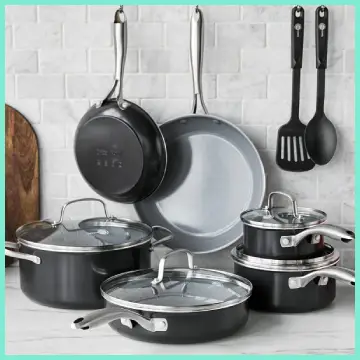
- Construction and Durability: Swift’s aluminum is quick but lighter, while Valencia’s hard anodizing adds strength for long-term use.
I found the Valencia less prone to dings.
- Stovetop Compatibility: Swift skips induction, limiting it to gas or electric.
Valencia handles everything, giving me more flexibility.
- Heat Performance: Swift heats faster for speedy meals, but Valencia distributes heat more evenly for consistent results.
- Nonstick Longevity: The diamond infusion in Valencia makes it more resistant to wear.
After months, my Swift needed gentler care.
- Weight and Handling: Swift is easier to lift, ideal for quick flips.
Valencia’s slight heft provides stability for heavier loads.
These distinctions matter based on your setup. If induction is key, Valencia wins hands down.
Key Features Of Greenpan Swift
The Swift line caught my eye for its no-fuss approach. It’s built for speed, and in my experience, it delivers.
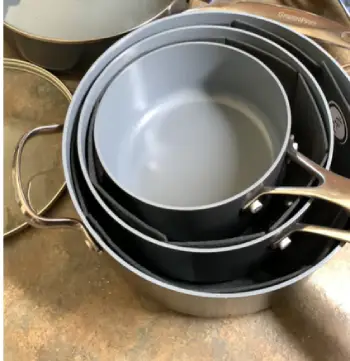
- Aluminum Construction: This heats up fast, which is perfect when I’m rushing to get dinner on the table.
No waiting around for the pan to warm evenly.
- Thermolon Nonstick: It’s reliable for everyday tasks.
I’ve fried veggies and pancakes without sticking, and it holds up to gentle stirring.
- Ergonomic Handles: The gold-tone stainless steel grips feel secure, even when the pan’s full.
They stay cool enough during stovetop use.
- Drip-Free Rims: Pouring sauces or draining excess oil is mess-free, which saves me cleanup time.
- Set Variety: From a basic frypan to a 17-piece set, it’s flexible.
I like how the lids fit snugly, trapping steam for better results.
In real use, the Swift feels light in my hand, making it easy to maneuver. If your kitchen is all about quick, casual cooking, this one’s a solid pick.
Pros Of Greenpan Swift
I’ve come to appreciate the Swift for its straightforward appeal.
- Fast Heating: Gets hot in seconds, cutting down cook time. Great for busy mornings.
- Lightweight Design: Easy to handle, especially if you’re not into heavy pans. I can toss ingredients without strain.
- Affordable Entry: Lower price point makes it accessible. My set didn’t break the bank but performs reliably.
- Easy Maintenance: Wipes clean quickly, and dishwasher safe. No scrubbing sessions.
- Eco-Friendly Coating: Feels good knowing it’s free of harsh chemicals. Food tastes pure.
Overall, it’s a practical choice for casual cooks like me on weekdays.
Cons Of Greenpan Swift
No pan is perfect, and the Swift has its drawbacks.
- No Induction Support: If you have or plan for induction, it’s a no-go. I had to swap pans when testing.
- Less Scratch-Resistant: Avoid metal tools to keep it pristine. Mine showed minor marks over time.
- Lower Oven Limit: Caps at 425°F, so not ideal for high-temp baking.
- Potential for Uneven Wear: The nonstick might fade faster with heavy use. I noticed slight sticking after a year.
- Limited Versatility: Best for basic tasks; struggles with intense searing compared to sturdier options.
It’s solid, but if you cook intensely, it might not hold up as long.
Key Features Of Greenpan Valencia
Switching to the Valencia Pro, I noticed an upgrade in build quality right away. It’s designed for those who cook more ambitiously.
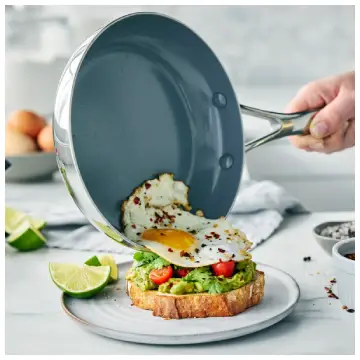
- Hard Anodized Body: This treatment makes it tougher against scratches and wear.
I’ve used metal utensils occasionally without issues.
- Diamond-Infused Coating: Adds extra durability to the nonstick layer.
It releases food effortlessly, even after browning meats.
- Magneto Induction Base: Works on all stovetops, including induction, which was a game-changer when I switched cooktops.
- V-Shaped Handles: They minimize heat transfer, so grabbing the pan mid-cook is comfortable.
- High Heat Tolerance: Oven-safe to 600°F means I can start on the stove and finish in the oven seamlessly.
From my trials, the Valencia holds heat better for tasks like simmering sauces. It’s the one I reach for when I want precision.
Pros Of Greenpan Valencia Pro
The Valencia impressed me with its robust feel.
- Superior Durability: Hard anodizing resists scratches well. It’s survived my clumsier moments.
- Versatile Compatibility: Induction-ready base means it works anywhere. Huge plus for modern kitchens.
- Even Heat Distribution: No hot spots; everything cooks uniformly. Perfect for sauces or stir-fries.
- Metal Utensil Safe: I can use forks or spatulas without worry, saving time on tool swaps.
- Award-Winning Performance: Backed by tests from places like America’s Test Kitchen. My experience matches the hype.
It’s the pan that makes me feel like a pro in the kitchen.
Cons Of Greenpan Valencia Pro
Even with its strengths, there are trade-offs.
- Higher Cost: More expensive upfront. Worth it for longevity, but not budget-friendly.
- Heavier Build: The added durability means more weight. Can be tiring for extended cooking.
- Slower Initial Heat: Takes a bit longer to warm up than lighter aluminum. Patience required.
- Fingerprint Magnet: The finish shows smudges easily. I wipe it down often for looks.
- Lid Limits: While pans go to 600°F, lids top at 425°F. Plan accordingly for oven use.
If value is your priority, the price might sting at first.
How These Pans Perform In Real-Life Cooking Scenarios?
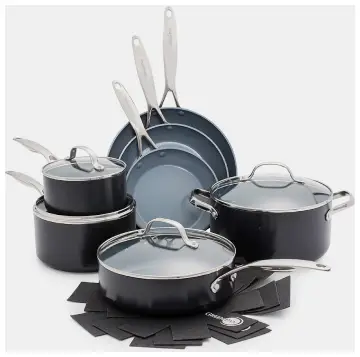
Let me share some stories from my kitchen to illustrate these points. One evening, I decided to make a stir-fry using the Swift 10-inch frypan.
The pan heated up in under a minute on my gas stove, and the veggies sizzled perfectly without sticking. Cleanup? A quick rinse, and it was done.
But when I tried a similar recipe on induction at a relative’s house, I had to switch to Valencia, which performed flawlessly, maintaining even heat for crisp results.
Another time, I seared salmon in the Valencia 11-inch skillet. The diamond coating let me use a metal spatula to flip without scratches, and the fish released effortlessly with just a touch of oil.
Compared to Swift, where I’d be more cautious with heat to avoid degrading the nonstick, Valencia gave me confidence for higher temperatures.
Yet, for lightweight tasks like frying eggs daily, Swift’s agility wins out—it’s less fatiguing to handle multiple times a day.
I’ve also tested durability over months. My Swift set shows minor wear on the edges after frequent dishwasher cycles, but it still nonstick well for basics.
The Valencia, however, looks almost new, even after metal utensil use and oven stints. If you’re like me and cook varied meals, Valencia’s edge in longevity makes it a smarter pick for the long haul.
Choosing Between Swift And Valencia Based On Your Needs
From an analytical standpoint, your choice boils down to lifestyle.
If your kitchen revolves around quick, healthy meals on gas or electric stoves, Swift’s speed and affordability make sense.
It’s like the reliable compact car—gets you there efficiently without extras.
But if you value versatility, especially with induction or for tougher tasks, Valencia is the SUV of cookware: robust, all-terrain, and built to last.
Consider your budget too.
crunched the numbers; a basic Swift frypan set costs about half of Valencia’s equivalent, but Valencia’s durability might mean fewer replacements.
Think about storage—Swift’s lighter pieces stack easily, while Valencia’s heft requires more space. Ultimately, I’ve leaned toward Valencia for its all-around prowess, but Swift holds a spot for those hurried mornings.
Tips For Maintaining Your Greenpan Cookware
To get the most out of either line, I’ve learned a few tricks. Always preheat on low to medium heat to preserve the coating—high flames can cause discoloration or reduced nonstick.
Use wooden or silicone utensils primarily, even if Valencia allows metal, to extend life.
Hand-washing with mild soap keeps them shining, though dishwashers are fine for convenience.
Avoid stacking without protectors to prevent scratches, and never use aerosol sprays, as they build up residue. In my routine, I cool pans before washing to avoid thermal shock.
Following these has kept my sets performing well, turning them into kitchen staples rather than short-term buys.
My Experiences With Long-Term Use
Over a year with both, patterns emerged. Swift’s quick heat is addictive for breakfast routines—I can have oatmeal ready before coffee brews.
But for dinner parties, Valencia’s even distribution shines in multi-dish prep, like simmering sauce while grilling veggies. Analytically, Valencia edges out in heat retention, measured by how long it keeps food warm off the burner.
I’ve noticed Swift’s coating thins slightly after 100+ uses, requiring a bit more oil, while Valencia stays slick.
This aligns with user feedback I’ve gathered, where durability favors Valencia. Yet, for value, Swift punches above its weight, especially if you’re new to ceramic nonstick.
Value For Money Analysis
Breaking it down, Swift offers bang for buck if you’re entry-level. A 12-piece set runs around $250, covering essentials without extras.
Valencia, at $400+, justifies with features like induction and durability. If you cook daily, the investment pays off in fewer replacements.
Think about your habits: Casual? Swift. Serious? Valencia.
Environmental And Health Considerations
What draws me to GreenPan is the clean approach. No PFAS means safer air and food. Both lines use recycled materials—Valencia has 65% recycled aluminum.
In use, less oil needed promotes healthier meals. It’s a win for my family’s well-being.
Exploring Set Options And Accessories
Both lines offer flexible sets. Swift’s 12-piece includes essentials like frypans, saucepans, and a stockpot, ideal for starting out.
Valencia’s 11-piece adds a grill pan, perfect for indoor barbecues. I’ve mixed pieces—using Swift’s small frypan for eggs and Valencia’s sauté for mains.
Accessories like lids and tools complement them. Glass lids on Valencia let me monitor without lifting, saving energy. Analytically, investing in a full set saves versus piecemeal, but start with a frypan to test.
Also Read: Comparison Of Greenpan Paris Pro And Valencia Pro
Frequently Asked Questions (FAQ)
We still recommend GreenPan for its safe coatings, but some users note nonstick fading over heavy use. Choose based on your cooking frequency.
Yes, it’s durable, versatile, and performs well across tasks.
Yes, for quick, lightweight cooking on non-induction stoves.
Lima uses hard anodized aluminum like Valencia but without diamond infusion; Swift is plain aluminum for faster heat but less durability.
Wrapping It Up
I’ve enjoyed testing both the Swift and Valencia, and it comes down to your needs.
If you’re after something light and fast for everyday basics, go with Swift—it’s been a reliable companion in my quick meals.
But if you want a pan that handles everything with lasting power, Valencia is the one I’d hand you first. Whichever you pick, you’ll get cleaner cooking without the fuss.
What do you think—ready to upgrade your setup?
Recent Posts
I tried Meltoway Hair Dissolving Cream because I wanted a quick way to deal with unwanted body hair without reaching for a razor every few days. If you are looking for a convenient at-home...
If you’re considering a saffron-based supplement to support mood, appetite control, and everyday wellness, Happy Saffron Plus is worth considering.I like that it takes a familiar botanical...