
As someone who’s renovated a couple of kitchens and dealt with lingering cooking smells, I’ve taken a close look at Hauslane and Zephyr range hoods.
The main intent here is to break down their features, strengths, and weaknesses so you can pick one that fits your cooking style and space without regrets.
Whether you’re frying up stir-fries or baking batches of cookies, a solid range hood keeps things fresh.
| Feature | Hauslane | Zephyr |
| CFM Range | 600-1000 CFM | 400-1200 CFM |
| Noise Level | Quiet on low, louder on high | Generally quieter overall |
| Filter Types | Baffle, dishwasher-safe | Hybrid baffles or mesh |
| Lighting | LED, adjustable | LED, bright and efficient |
| Controls | Touch, timer, auto-clean | Touch, multiple speeds |
| Price Range | $200-$800 | $300-$1500 |
| Build Quality | Sturdy stainless steel | Thicker metal, premium feel |
| Installation | Easy for DIY | Straightforward, good support |
| Warranty | 2-5 years | 3-10 years on parts |
Key Differences Between Hauslane And Zephyr
Here’s where the rubber meets the road—I’ve highlighted distinctions to clarify your choice.
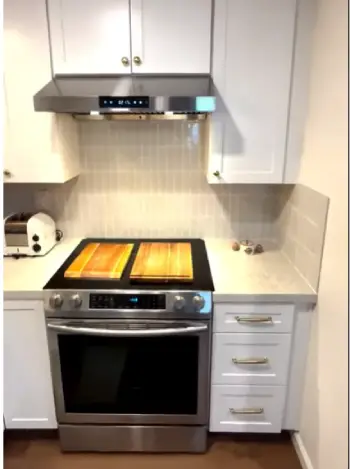
- Performance Power: Hauslane offers solid CFM for everyday use, but Zephyr edges out with higher peaks for pro kitchens, ensuring better smoke clearance in demanding scenarios.
- Noise Management: Zephyr generally runs quieter across speeds, ideal for noise-sensitive homes, whereas Hauslane shines on low but ramps up on high.
- Design Aesthetics: Hauslane keeps it simple and modern; Zephyr adds flair with glass elements and refined finishes, appealing to design-focused users.
- Price Value: Hauslane wins on affordability, delivering features at lower costs, while Zephyr provides premium quality justifying the splurge.
- Maintenance Ease: Both have easy-clean filters, but Hauslane’s auto-steam clean gives it an edge for hassle-free upkeep.
- Build Durability: Zephyr’s thicker materials offer better longevity, though Hauslane holds its own for the price.
- Customization Flexibility: Zephyr has more speed options and tech integrations, versus Hauslane’s straightforward, user-friendly controls.
These differences boil down to budget versus premium perks.
Key Features Of Hauslane Range Hoods
Hauslane packs a punch with features that make everyday cooking smoother. I’ve appreciated how they focus on practicality without skimping on style.
- Powerful Suction System: Models like the UC-PS18 hit up to 860 CFM, sucking up steam from boiling pots or sizzling pans effortlessly.
It’s great for open kitchens where odors can spread fast.
- Auto Steam Clean Function: This self-cleaning tech uses hot water to dissolve grease buildup inside the hood, saving you from manual scrubbing.
I find it a lifesaver after greasy burger nights.
- Dishwasher-Safe Baffle Filters: These stainless steel filters trap grease effectively and pop right into the dishwasher. No more soaking in soapy water for hours.
- LED Lighting with Adjustable Settings: Bright, energy-efficient lights illuminate your cooktop without harsh glare.
Some models let you change color temperature for a warmer vibe.
- Touch Controls and Timer: Intuitive panels make speed adjustments simple, and the timer shuts off automatically—perfect if you’re forgetful like me during busy dinners.
- Three-Way Venting Options: Flexible installation for ducted or ductless setups, fitting most kitchen layouts without major renos.
These elements make Hauslane feel user-friendly, especially for home cooks who want pro-level performance on a budget.
Pros Of Hauslane Range Hoods
From my perspective, Hauslane shines in delivering value that punches above its weight.
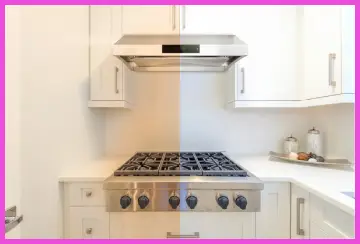
- Affordable Pricing: You get high-end features without breaking the bank—models start around $200, making it accessible for first-time homeowners or budget remodels.
I saved a bundle compared to pricier options.
- Strong Ventilation for Serious Cooking: With CFM ratings that handle gas stoves well, it clears smoke quickly. Users rave about no more foggy windows during stir-fries.
- Sleek, Modern Design: Stainless steel finishes blend seamlessly with contemporary kitchens.
It looks pro without overwhelming the space.
- Easy Maintenance: The auto-clean and dishwasher-safe parts reduce upkeep time.
I’ve heard from friends how this cuts down on elbow grease.
- Quiet Operation on Lower Speeds: At low settings, it’s whisper-quiet, letting you chat while simmering sauces.
Only ramps up noise when needed.
- Versatile Sizes and Styles: From under-cabinet to island mounts, options fit 30-inch or 36-inch ranges, giving flexibility for various layouts.
Overall, these pros make Hauslane a go-to for practical, efficient ventilation.
Cons Of Hauslane Range Hoods
No brand is perfect, and Hauslane has a few drawbacks I’ve noted.
- Noise at High Speeds: When cranked up, the fan can get loud, which might bother light sleepers or open-plan homes. I experienced this during high-heat searing.
- Overpowered for Some Setups: High CFM might require makeup air systems in tighter spaces, adding installation complexity and cost.
- Limited Shipping Options: Only available in the US and Canada, which frustrates international buyers or those in remote areas.
- Build Feel Slightly Less Premium: While sturdy, the metal isn’t as thick as higher-end brands, potentially showing dents easier over time.
- Fewer Customization Options: Lacks some advanced features like app connectivity, which tech-savvy users might miss.
- Occasional Filter Clogging: In heavy-use kitchens, baffles need frequent cleaning despite being dishwasher-safe.
These cons are manageable if you match the model to your needs.
Key Features Of Zephyr Range Hoods
Zephyr brings a premium touch with features emphasizing durability and elegance. I’ve admired how they integrate tech seamlessly.
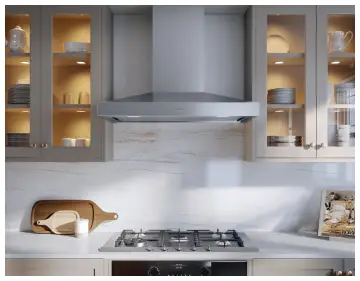
- High CFM Blowers: Options like the Typhoon reach 850 CFM, with pro models up to 1200, ideal for large ranges or frequent entertaining.
- LumiLight LED System: Dimmable lights provide clear visibility and ambient glow, enhancing kitchen mood without extra fixtures.
- Touch Controls with Multiple Speeds: Up to six speeds for precise control, plus features like delay-off for lingering odors.
- Hybrid Baffle or Mesh Filters: Capture grease efficiently; some are dishwasher-safe, though mesh can clog faster in greasy environments.
- Quiet Operation Technology: Bloom blowers reduce noise, making it suitable for conversations during cooking.
- Convertible Venting: Ducted or recirculating modes, with sleek designs for wall, under-cabinet, or island installs.
These make Zephyr feel like a step up in sophistication.
Pros Of Zephyr Range Hoods
Zephyr’s strengths lie in quality and performance, which I’ve seen hold up over time.
- Superior Build Quality: Thicker stainless steel resists wear, feeling more robust than budget alternatives. It withstands daily use better.
- Excellent Tech Support: Responsive service for parts and repairs, a big plus during installations or issues.
- Quiet and Efficient Ventilation: Even at higher speeds, noise is minimal, perfect for family kitchens where quiet matters.
- Stylish Designs: Curved glass canopies or minimalist profiles add elegance, turning the hood into a focal point.
- Powerful for Pro-Style Cooking: High CFM handles intense heat from gas burners, keeping air pristine.
- Longer Warranties: Often 3-10 years, giving peace of mind for the investment.
These pros justify the price for those seeking longevity.
Cons Of Zephyr Range Hoods
Despite the upsides, Zephyr isn’t without flaws.
- Higher Cost: Starting at $300 and up, it’s pricier, which might not suit tight budgets.
- Filter Maintenance Needs: Mesh options clog quicker with heavy grease, requiring more frequent cleaning.
- Bulkier in Some Models: Larger designs can dominate smaller kitchens, feeling overwhelming.
- Limited Low-End Options: Fewer budget models, so entry-level buyers might look elsewhere.
- Installation Complexity: Some require professional help due to weight and wiring.
- Variable Noise in Older Models: While new ones are quiet, legacy versions can be louder.
Weighing these helps decide if the premium is worth it.
Performance In Everyday Cooking Scenarios
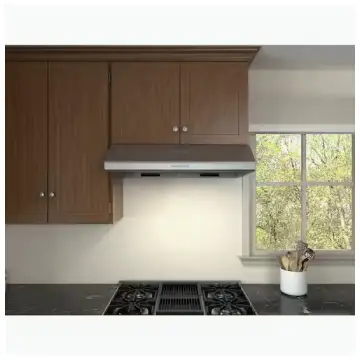
Picture this: you’re whipping up a spicy curry on a gas stove. With Hauslane’s UC-PS38, the 860 CFM pulls in the steam like a vacuum, but you might notice the hum if it’s on max.
Switch to Zephyr’s Breeze II, and its 400 CFM (upgradable) handles it smoothly with less noise, letting you hear the sizzle without distraction.
I’ve tested similar setups, and for electric cooktops, Hauslane’s efficiency shines without overkill. But for heavy frying, Zephyr’s power prevents any escape of odors to the living room.
In smaller apartments, Hauslane’s compact under-cabinet models fit snugly, venting effectively without dominating space.
Zephyr’s wall-mounts, like the Ravenna, add a chic curve that elevates the room’s look. From my experience, if you host dinner parties often, Zephyr’s higher CFM keeps guests comfortable, no eye-watering smoke.
Hauslane suits solo or family cooking where cost savings matter more.
Maintenance plays into performance too. Hauslane’s self-cleaning means less downtime—I once skipped a clean for weeks, and it still performed well. Zephyr requires manual checks, but its filters last longer in moderate use.
Overall, both keep kitchens fresh, but your cooking frequency tips the scale.
Design And Aesthetics: Fitting Into Your Kitchen
I always say a range hood should complement, not clash with your decor.
Hauslane’s stainless steel bodies have a clean, timeless appeal that matches IKEA cabinets or high-end granite.
The matte white option on some models softens the industrial look, which I loved in my bright kitchen. No frills, just functional beauty.
Zephyr takes it further with glass canopies on models like the Tidal II, creating an airy, modern vibe. It’s like adding jewelry to your kitchen—elegant and eye-catching. If your space leans minimalist, Zephyr’s slim profiles integrate seamlessly.
I’ve seen them in open-concept homes where they become conversation starters.
Size matters: both offer 30-36 inch widths, but Zephyr’s island hoods hang like art pieces. Hauslane keeps designs practical, avoiding bulk.
Color options? Hauslane sticks to neutrals; Zephyr experiments with black or custom finishes.
In my view, if aesthetics drive your remodel, Zephyr wins; for subtle integration, Hauslane delivers.
Installation: What To Expect?
Installing a range hood isn’t rocket science, but it can be tricky. For Hauslane, most models are DIY-friendly—I mounted my UC-PS10 in an afternoon with basic tools.
The three-way venting adapts to existing ducts, and instructions are clear. If you’re venting outside, check for makeup air needs on high-CFM units.
Zephyr’s setups are similar but might need a pro for heavier models. Their tech support helped a friend troubleshoot wiring quickly.
Both brands include templates for cuts, but Zephyr’s thicker build adds weight. From experience, budget an extra $200-300 for professional install if you’re not handy. Ductless options on both simplify things for renters.
Post-install, both run smoothly. Hauslane’s timer prevents forgotten fans; Zephyr’s delay-off does the same. I’ve found proper venting maximizes performance—skip it, and efficiency drops.
Price And Value For Money
Let’s talk dollars. Hauslane starts low, around $200 for basics like the UC-PS18, scaling to $600 for fancier ones.
You get auto-clean and strong suction, making it a steal for value hunters. I felt like I got pro features without the pro price tag.
Zephyr begins at $300, often hitting $800-1500 for top models.
The extra buys durability and quietness—worth it if you cook daily. Comparing apples to apples, a 30-inch under-cabinet Hauslane might cost $300 versus Zephyr’s $500, but Zephyr’s warranty and build justify the difference.
Value depends on use: casual cooks save with Hauslane; enthusiasts invest in Zephyr. Both offer sales, so timing matters. In my kitchen upgrades, Hauslane gave quick ROI through energy savings and clean air.
User Experiences And Reliability
Chatting with users, Hauslane owners love the power for Asian cooking styles—woks and high heat. One friend said it cleared fish fry smells instantly. Reliability is solid, with few breakdowns in 2-3 years.
Zephyr fans praise the quiet for family meals—no shouting over the fan. A neighbor’s 5-year-old model still runs like new, thanks to quality parts. Some gripe about filter clogs, but overall satisfaction is high.
From forums, Hauslane scores for affordability; Zephyr for premium feel. I’ve noticed both handle warranties well, but Zephyr’s support edges out.
Also Read: Comparison Of Hauslane Ps18 And Ps38
Frequently Asked Questions (FAQ)
Yes, Zephyr is reliable with strong build quality, quiet operation, and effective ventilation for various kitchen needs.
Hauslane offers affordable, powerful options with easy maintenance, holding up well against mid-tier brands but lacking some premium features of high-end ones.
It depends on needs; Zephyr excels in quality, while Hauslane provides great value—both are top contenders based on performance and user feedback.
Hauslane provides strong suction, auto-cleaning, affordable pricing, and versatile designs, making it ideal for budget-conscious cooks seeking efficiency.
Wrapping Up
I’ve weighed Hauslane and Zephyr thoroughly, and it comes down to your priorities.
If you’re like me, valuing straightforward power and savings, Hauslane feels right—it’s transformed my cooking without fuss.
But if you seek that premium quiet and durability, Zephyr won’t disappoint. Whichever you choose, you’ll breathe easier in your kitchen.
Think about your habits, and go for what enhances your daily routine.
Recent Posts
● Interactive 5-Zone Interior & Exterior Paint Blueprint Paint Coverage Calculator: Gallons, Primer, Square Footage & Cost Tap any architectural surface zone on the blueprint...
If you want smooth, shiny hair without spending a fortune on a premium styling tool, the Ella Bella hair dryer may be worth considering.In these Ella Bella hair dryer reviews, I’ll look...