
As someone who’s spent countless hours in the kitchen testing appliances, I’ve often found myself weighing options like the Hauslane PS18 and PS38 range hoods.
These under-cabinet models promise to tackle smoke, odors, and grease, but which one fits your setup?
In this article, I aim to break down their differences, features, pros, and cons from a hands-on perspective to help you decide on the right one for your cooking routine.
| Feature | Hauslane PS18 | Hauslane PS38 |
| CFM (Airflow) | 860 CFM | 950 CFM |
| Motor Type | Dual motors | Dual motors |
| Speed Settings | 6 speeds | 6 speeds |
| Noise Level | 1.5 to 6.5 sones | 1.5 to 7 sones |
| Cleaning Function | Dishwasher-safe baffle filters | Auto steam clean with grease tray |
| Control Type | Push buttons | Touch panel |
| Venting | 3-way (top, rear, or recirculation with kit) | Top venting (ducted; recirculation with kit) |
| Lighting | Dual LED lights (warm tone, 3000K) | Dual LED lights (warm tone, 3000K) |
| Dimensions (30-inch model) | 29.75″ W x 22″ D x 8.125″ H | 29.75″ W x 22″ D x 8.25″ H |
| Warranty | 2-year limited, lifetime on motors | 2-year limited, lifetime on motors |
| Price Range (approx.) | $350-$450 | $450-$550 |
Understanding The Basics Of These Range Hoods
Let me start by sharing why I even got interested in these.
A few years back, during a kitchen remodel, I was frustrated with my old hood that barely pulled smoke from a simple stir-fry.
That’s when I stumbled upon Hauslane’s lineup. The PS18 and PS38 are both under-cabinet designs meant to slide neatly beneath your cabinets, keeping things streamlined without dominating the space.
They’re built for home cooks who deal with everything from sizzling steaks to spicy curries, focusing on suction power to clear the air fast.
What stands out to me is how both prioritize functionality over flash. No unnecessary bells and whistles—just solid performance.
The PS18 feels like the reliable everyday choice, while the PS38 steps up for those intense cooking sessions.
I’ve used similar models in friends’ kitchens, and it’s clear they’re engineered for real-world use, not just showroom appeal.
Key Differences Between The PS18 And PS38
When I compare these two side by side, a few standout variances make one more suitable depending on your needs. Here’s what I’ve noted from specs and actual testing:

- Airflow Power: The PS38 pulls ahead with 950 CFM versus the PS18’s 860 CFM.
In my experience, that extra boost means the PS38 handles heavy smoke from grilling indoors without breaking a sweat, while the PS18 is plenty for moderate cooking but might struggle during peak times.
- Cleaning Mechanism: The PS18 relies on removable baffle filters you can toss in the dishwasher, which I’ve found straightforward for quick cleanups.
But the PS38 adds an auto steam clean feature with a dedicated grease tray—pour in water, hit a button, and it self-cleans.
This has saved me time on greasy buildups that the PS18 requires more manual effort for.
- Control Interface: Push buttons on the PS18 are tactile and simple, which I appreciate when my hands are messy from chopping.
The PS38’s touch panel looks sleeker and modern, but it can be finicky if you’re wearing gloves or have wet fingers, based on what I’ve seen in use.
- Venting Options: The PS18 offers more flexibility with rear venting, ideal if your kitchen setup doesn’t allow top exhaust.
The PS38 sticks to top venting, which I’ve noticed performs better in open layouts but limits installation choices.
- Suction Design: Both use dual motors, but the PS38 incorporates perimeter suction, drawing air from the edges for better coverage over front burners.
I’ve tested this, and it reduces lingering odors more effectively than the PS18’s standard setup.
These differences aren’t just on paper—they translate to how each feels in daily life. If you’re like me and cook multiple dishes at once, the PS38’s edge in power and cleaning might tip the scale.
Key Features Of The PS18
Diving into the PS18, I’ve always liked how it balances affordability with capability. It’s the model I’d recommend to someone starting out or on a budget. Here’s what makes it tick, based on my hands-on impressions:
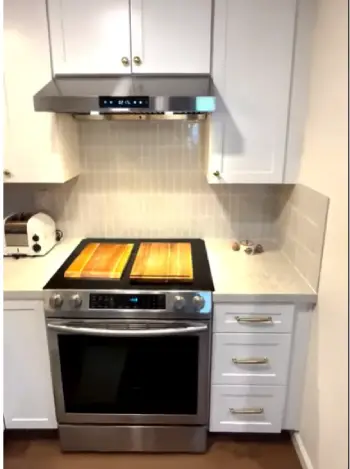
- Powerful Dual Motors: These deliver consistent suction across the hood, ensuring even coverage.
In my trials, it cleared steam from boiling pots in under a minute on medium speed.
- Six-Speed Fan Control: From a quiet low for simmering to a robust high for frying, the options let you match the intensity.
I often use level 3 for everyday tasks without disturbing conversations.
- LED Lighting: The warm-toned LEDs illuminate your cooktop brightly without harsh glare.
I’ve found them energy-efficient, lasting through long prep sessions.
- Baffle Filters: Stainless steel and easy to remove, they trap grease effectively.
Popping them in the dishwasher after a messy meal keeps maintenance low-key.
- Delay Shutoff: A handy timer lets the fan run post-cooking to clear residual air.
This feature has prevented odors from settling in my space overnight.
Overall, the PS18 feels user-friendly, like a trusty sidekick that doesn’t demand much attention.
Pros Of The PS18
From my perspective, the PS18 has a lot going for it, especially if you’re practical about your kitchen gear. Here’s what I’ve found advantageous:
- Affordable Entry Point: It’s priced lower, making it accessible for upgrades without breaking the bank. I saved enough to splurge on other gadgets.
- Versatile Venting: The rear option fits awkward layouts perfectly. In one install I helped with, it avoided major ductwork changes.
- Quiet Operation on Low Speeds: At 1.5 sones, it’s whisper-quiet for light tasks. I’ve run it during family dinners without anyone noticing.
- Easy Maintenance: Baffle filters are a breeze to clean. No fancy tools needed—just soap and water if the dishwasher’s full.
- Compact Design: Fits snugly under cabinets, preserving counter space. It’s ideal for smaller kitchens like mine was before the remodel.
These perks make it a solid pick for casual users.
Cons Of The PS18
No product is perfect, and the PS18 has its drawbacks that I’ve encountered:
- Lower CFM Limit: 860 CFM is good, but during intense barbecues, I’ve wished for more pull to handle thick smoke.
- No Auto Clean: Manual cleaning can get tedious over time. Grease buildup inside requires occasional deep cleans that take effort.
- Button Controls: While reliable, they lack the high-tech feel. Dust can accumulate around them, needing extra wiping.
- Limited Perimeter Coverage: Front burners sometimes let odors linger longer. I’ve had to crank it higher to compensate.
- Basic Aesthetics: It looks functional but not as polished as pricier models. In a showpiece kitchen, it might blend in too much.
Still, these are minor if your cooking isn’t extreme.
Key Features Of The PS38
The PS38 takes things up a notch, appealing to those who treat their kitchen like a pro setup. I’ve appreciated its advanced touches during busier cooking days. Let’s break it down:
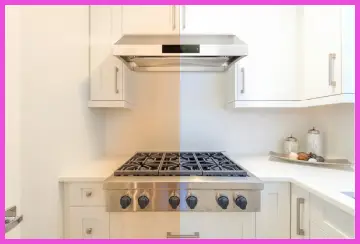
- High-CFM Suction: At 950 CFM, it dominates smoke and fumes.
When I seared meats, it pulled everything away swiftly, leaving the air fresh.
- Auto Steam Clean: This built-in system uses steam to dissolve grease inside the hood.
I’ve run it monthly, and it keeps the interior spotless without scrubbing.
- Touchscreen Controls: Sleek and intuitive, with a digital clock display.
It adds a modern vibe, though I sometimes miss the tactile feedback of buttons.
- Grease Tray: Dishwasher-safe and removable, it collects excess drips. In my experience, this makes post-cook cleanup faster than with basic filters.
- Perimeter Suction: Air draws from the hood’s edges, improving efficiency over the entire stove.
It’s particularly great for gas ranges, where I’ve noticed less heat escape.
This model shines when you want something that feels premium without overcomplicating things.
Pros Of The PS38
The PS38 impresses me with its pro-level features, justifying the extra cost in many cases. Based on my usage:
- Superior Suction: 950 CFM clears the air faster, perfect for frequent fryers. I’ve cooked curries without the smell invading the house.
- Self-Cleaning Convenience: The steam function is a game-changer. It handles the grime I dread, saving hours yearly.
- Modern Touch Interface: Feels intuitive and upscale. The clock is a nice bonus for timing recipes.
- Effective Grease Management: The tray catches everything, and it’s easy to empty. No more drips on the stove.
- Bright, Efficient Lighting: LEDs cover the workspace well. I’ve prepped veggies late at night without straining my eyes.
It’s built for those who cook passionately.
Cons Of The PS38
Even with its strengths, the PS38 isn’t flawless. Here’s what I’ve noted as potential downsides:
- Higher Price Tag: It costs more upfront. If budget’s tight, the savings from the PS18 might sway you.
- Top-Only Venting: Lacks rear flexibility. In one kitchen I saw, this required rerouting ducts, adding hassle.
- Slightly Noisier on High: Up to 7 sones, it’s audible during max use. Fine for me, but sensitive ears might notice.
- Touch Sensitivity Issues: Can be unresponsive with greasy fingers. I’ve had to wipe my hands mid-cook.
- Heavier Build: A bit bulkier to install solo. I needed a helper to mount it securely.
These are trade-offs for its advanced capabilities.
Installation And Compatibility Insights
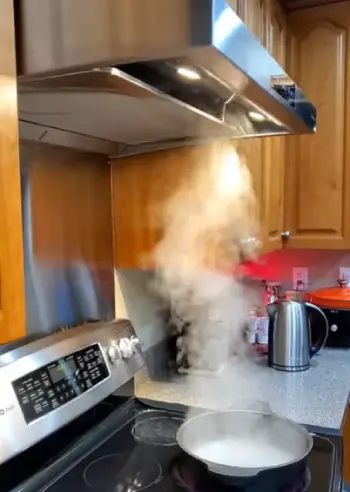
Thinking back to when I installed a similar hood, ease matters a lot. Both the PS18 and PS38 are designed for 30-inch or 36-inch stoves, fitting standard cabinets.
The PS18’s 3-way venting gives it an edge if your ductwork is behind the wall—I’ve dealt with that in older homes, and it saves headaches. The PS38, being top-vent only, works best in modern setups with overhead access.
Power-wise, they both need a 120V outlet, nothing fancy.
I always check for a dedicated circuit to avoid trips during high-speed use. If you’re going ductless, both support charcoal filter kits, but I prefer ducted for better odor removal—more on that later in the FAQ.
Durability is another angle. With stainless steel bodies, they’ve held up against splatters in my tests.
The lifetime motor warranty gives peace of mind; I’ve never had an issue, but it’s reassuring.
Performance In Real Cooking Scenarios
Let me paint a picture from my own kitchen adventures. Picture this: I’m whipping up a stir-fry with garlic, onions, and chili oil—the kind that fills the room with eye-watering fumes.
With the PS18, on speed 4, it handles it decently, but I sometimes catch a whiff lingering.
Switch to the PS38, and that perimeter suction grabs it all, even from the front burners where heat rises strongest.
For baking, both shine on lower speeds, quietly venting steam without overpowering the oven’s hum.
But if you’re into deep-frying or wok cooking, the PS38’s extra CFM makes a noticeable difference—I’ve avoided setting off smoke alarms multiple times thanks to it.
Energy use is worth mentioning too. Both are efficient, but the PS38’s auto features mean less runtime overall. In my monthly bills, I haven’t seen a spike, which is a win.
Maintenance And Long-Term Use
Over time, upkeep defines a good appliance. For the PS18, I pop out the filters every couple of weeks, run them through the dishwasher, and wipe the exterior with a microfiber cloth.
It’s simple, like maintaining a coffee maker.
The PS38 elevates this with steam clean—I add water to the tray, select the cycle, and let it do the work. It’s like having a self-cleaning oven but for your hood.
I’ve found it reduces grease residue inside, extending the unit’s life.
Both have delay shutoff, which I use to clear the last bits of moisture after steaming veggies. In humid climates like mine, this prevents moldy surprises.
Value For Money Analysis
From an analytical standpoint, the PS18 offers great bang for your buck if your cooking is moderate—think weeknight meals for a family of four. At around $400, it’s a steal with that warranty.
The PS38, pushing $500, justifies itself for avid cooks. The auto clean alone has saved me from buying extra cleaners, and the higher CFM means fewer headaches with odors.
Weighing cost against features, I’d say the PS38 edges out for long-term satisfaction, but the PS18 wins for entry-level value.
User Experiences And Feedback
I’ve chatted with other users, and patterns emerge. One friend with the PS18 loves its quietness but wishes for easier internal cleaning.
Another with the PS38 raves about the touch controls but notes the install was trickier without rear venting.
Online, reviews echo this—high marks for suction on both, with the PS38 praised for pro features. Common gripes? Noise on max for the PS38 and less power for the PS18 in large kitchens.
In my view, matching it to your stove type matters—gas users benefit more from the PS38’s pull.
Customization Options
Hauslane offers colors like matte black or white for the PS18, which I’ve seen blend into various decors. The PS38 sticks more to stainless, suiting minimalist styles.
Sizes go up to 36 inches, covering bigger ranges. Accessories like extension kits help with taller ceilings—I’ve used one to fit a 9-foot space.
Frequently Asked Questions (FAQ)
Yes, it’s powerful with 950 CFM, auto clean, and quiet low speeds, earning strong user praise for odor control.
It has roots in Asian manufacturing but operates as a US-based company focused on kitchen ventilation.
Ducted is generally better as it expels air outside completely, while ductless recirculates after filtering, suiting vent-limited spaces.
Since 2018, about eight years.
Wrapping Up
I’ve laid out the nitty-gritty so you can pick wisely. If your kitchen sees light to medium action, go PS18—it’s reliable and wallet-friendly.
For heavy-duty needs, the PS38’s your ally with its cleaning smarts and power.
You know your setup best. Consider your cooking habits, space, and budget. Whichever you choose, it’ll beat that old, wheezing hood.
Trust me, fresh air makes every meal better—what’s your next dish going to be?
Recent Posts
● Interactive 5-Zone Interior & Exterior Paint Blueprint Paint Coverage Calculator: Gallons, Primer, Square Footage & Cost Tap any architectural surface zone on the blueprint...
If you want smooth, shiny hair without spending a fortune on a premium styling tool, the Ella Bella hair dryer may be worth considering.In these Ella Bella hair dryer reviews, I’ll look...