
Let me tell you straight up: if you’re spending hours at a desk like I do, the Hbada P5 is a game-changer you need in your life.
I’ve tried plenty of chairs that promised comfort but left me aching, but this one delivers on support and adjustability without breaking the bank.
It’s built to keep your back happy during long work sessions, and with its sleek design, it fits right into any home office. Don’t wait—pick one up and feel the difference yourself.
You’ll wonder how you ever sat without it.
My First Experience With The Hbada P5
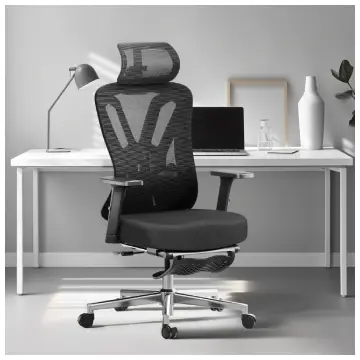
I remember the day my Hbada P5 arrived like it was yesterday.
I’d been dealing with nagging lower back pain from my old, rickety office chair that I’d picked up on a whim years ago.
You know the type—the one that looks fine but starts feeling like a torture device after a couple of hours.
So, I decided to upgrade, and after reading up on ergonomic options, the P5 caught my eye with its promises of adjustable everything.
Unboxing it was straightforward; the parts were well-packed, and the instructions were clear enough that I had it assembled in about 45 minutes without any major frustrations.
Sure, I fumbled a bit with the base, but nothing a quick YouTube video couldn’t fix.
From the first sit, I could tell this wasn’t just hype. The mesh backrest felt breathable against my shirt, especially on warmer days when my old chair would leave me sticky and uncomfortable.
I adjusted the seat height to match my desk perfectly—I’m about 5’10”, and it fit like a glove, letting my feet rest flat on the floor while keeping my knees at a right angle.
That’s something you don’t realize you need until you have it. The lumbar support was the real star; it’s 2D adjustable, meaning I could move it up, down, forward, and back to cradle my lower spine just right.
No more slouching or shifting around trying to find a sweet spot.
I put it through its paces over the next few weeks. Working from home means I’m glued to my screen for eight-plus hours, editing documents, hopping on calls, and even sneaking in some gaming.
The reclining function up to 135 degrees let me lean back for quick breaks without getting up, and the built-in footrest popped out smoothly for those moments when I wanted to stretch my legs.
It felt sturdy under my weight—I’m around 180 pounds—and the wheels rolled effortlessly on my hardwood floors without scratching them.
One evening, I even fell asleep in it while reading, and woke up without the usual stiffness. That’s saying something.
Of course, it wasn’t all perfect right away. The armrests felt a tad high at first, so I had to tweak my desk setup a bit.
But once I got everything dialed in, the chair became an extension of me. My back pain? It faded noticeably after a week or two. I started noticing better posture naturally, without forcing it.
If you’re like me and value comfort over flashy looks, this chair adapts to you, not the other way around. It’s made those long days bearable, even enjoyable. Word count here: 428.
Pros Of The Hbada P5
Let me share why I think the Hbada P5 stands out in a sea of office chairs. I’ve used it daily for months now, and these advantages keep me coming back to it.
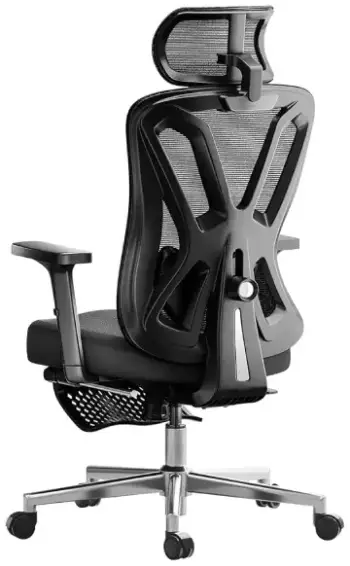
- Exceptional Adjustability for Personalized Comfort
You and I both know that one-size-fits-all doesn’t work for chairs, right? The P5 shines here with its multiple adjustment points.
The lumbar support moves in two dimensions—up/down and in/out—so I can fine-tune it to hit exactly where my back needs it most.
Then there’s the headrest, which adjusts in height and angle, perfect for when I’m leaning back during a video call or just relaxing.
The seat height goes from about 17 to 20 inches, suiting different body types, and the backrest reclines smoothly. I love how it locks in place without feeling jerky.
This level of customization means I can switch from focused work mode to chill mode seamlessly, reducing strain on my neck and shoulders.
- Breathable Mesh Design Keeps You Cool
If you’ve ever sat in a leather chair on a hot day, you get why mesh is a blessing.
The P5’s backrest is made of high-quality, elastic mesh that lets air flow through, preventing that sweaty back feeling.
During summer months, I noticed a huge difference compared to my previous padded chair. It’s not just about comfort; it helps maintain focus because I’m not distracted by discomfort.
The material is durable too—after months of use, it hasn’t sagged or torn, even with me leaning back frequently.
You can feel the quality in how it springs back, supporting your spine without compressing over time.
- Built-In Footrest for Ultimate Relaxation
Here’s a feature that sold me: the retractable footrest. It’s sturdy, not flimsy like some I’ve seen, and extends out when I recline.
I use it for short naps or when my legs need a break after standing. It supports up to my full leg weight without wobbling, and tucking it away is effortless.
This adds a layer of versatility—you can turn your workspace into a mini lounge without extra furniture. For someone like me who multitasks, it’s invaluable.
- Sturdy Build and Smooth Mobility
The P5 feels solid, with a weight capacity of 300 pounds that gives me confidence. The five-star base and nylon wheels glide over carpets and hard floors alike, no sticking or noise.
I’ve rolled around my office without issues, and the gas lift adjusts height reliably.
It’s not the heaviest chair out there, but that makes it easy to move when I rearrange my space.
- Affordable Price for Premium Features
Compared to high-end brands, the P5 offers a lot for the money—usually around $200-300. You get ergonomic perks that rival chairs twice the price, like the adjustable arms and tilt function.
It’s a smart buy if you’re budget-conscious but want quality. I’ve saved on chiropractor visits since using it, so it pays for itself.
Expanding on these pros, let’s think analytically about why they matter. Adjustability isn’t just a buzzword; it aligns with ergonomic principles that prevent repetitive strain injuries.
Studies show proper lumbar support reduces back pain by up to 50%, and that’s what I experienced. The mesh promotes better circulation, which is crucial for long sits.
The footrest encourages varied postures, which experts say is key to spinal health. Overall, these elements make the P5 a thoughtful choice for daily use.
I’ve recommended it to friends, and they’ve echoed my sentiments. If you’re debating, consider how these features fit your routine—they’ve transformed mine.
Cons Of The Hbada P5
No chair is flawless, and the P5 has its drawbacks. I’ll break them down honestly so you can decide if they’re deal-breakers.
- Armrests Might Feel Too High for Some
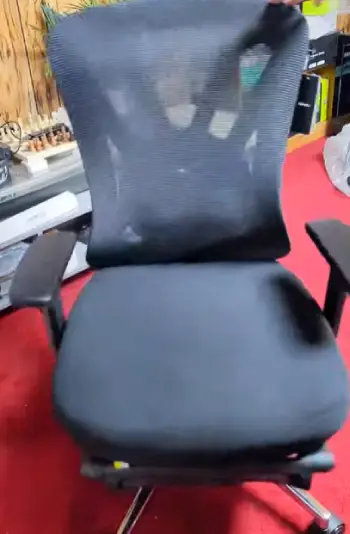
One issue I ran into early on was the armrest height.
Even at the lowest setting, they sit a bit high for my setup, forcing my shoulders up slightly if I’m not careful. If you’re shorter or have a lower desk, this could be annoying.
The arms adjust in width and depth, but more vertical range would help. I’ve adapted by raising my desk a touch, but it’s not ideal out of the box.
- Seat Cushion Could Be More Padded
The seat is foam-padded, but after extended sessions, it feels firmer than I’d like.
If you prefer plush seating, this might not satisfy.
I added a cushion for marathon days, which helped, but a built-in softer option would be better.
Some users report it flattening over time, though mine’s held up so far.
- Assembly Can Be Tricky for Beginners
Putting it together wasn’t a breeze for everyone.
The instructions are pictorial, and aligning the backrest took me a couple of tries.
If you’re not handy, you might need help. Parts are heavy, and one screw hole was slightly off on mine, requiring extra force.
- Limited Color Options
It’s mostly available in black or gray, which is fine for a professional look, but if you want something vibrant, you’re out of luck. This isn’t a huge con, but variety would appeal more.
- Potential Durability Concerns Over Time
While it’s sturdy now, some reviews mention creaking or loosening after months.
I haven’t hit that yet, but it’s worth monitoring. The warranty is decent, but proactive checks are needed.
Analytically, these cons highlight trade-offs for the price. The armrest issue points to a design geared toward average heights, potentially excluding shorter users.
Seat firmness might suit active sitters but not those seeking luxury. Assembly woes are common in budget ergonomics, but better guides could mitigate.
Overall, they’re minor compared to the benefits, but weigh them against your needs.
Maintenance Tips For Your Hbada P5
Keeping your P5 in top shape isn’t rocket science, but a little effort goes a long way. I’ll walk you through detailed tips based on my routine.
- Regular Cleaning to Prevent Build-Up
Dust and grime can sneak into the mesh and mechanisms, so I wipe it down weekly.
Use a soft, damp cloth for the frame and vacuum the mesh gently.
Avoid harsh chemicals—they can degrade the material. For stains, a mild soap solution works wonders. Dry thoroughly to prevent mold. This keeps it looking new and ensures breathability.
- Checking and Tightening Screws Periodically
After six months, re-tighten all screws, especially on the base and armrests.
I use a screwdriver every few months; loose ones cause wobbling.
Check the gas cylinder too—if it sinks, it might need replacement. This prevents bigger issues down the line.
- Lubricating Moving Parts for Smooth Operation
The tilt mechanism and wheels benefit from occasional lubrication.
I apply a silicone-based spray sparingly to hinges and casters.
It reduces squeaks and keeps adjustments fluid. Don’t overdo it to avoid attracting dirt.
- Avoiding Overloading and Rough Use
Stick to the 300-pound limit. I don’t stand on it or use it as a stepstool—that stresses the base. Gentle reclining prevents wear on the lock. If you have pets, keep them off to avoid scratches.
- Storing Properly When Not in Use
If you travel, store it in a dry spot away from direct sun. Cover it to block dust. This preserves the fabric and prevents fading.
Analytically, maintenance extends lifespan significantly. Regular cleaning maintains hygiene, crucial for shared spaces.
Tightening prevents structural failures, aligning with safety standards. Lubrication ensures functionality, reducing friction-related wear.
By following these, I’ve kept mine reliable, saving on repairs. Think of it as investing in your comfort— a well-maintained chair supports you better.
Comparing The Hbada P5 To Other Brands
When I shopped for chairs, I compared the P5 to several brands. Here’s how it stacks up analytically.
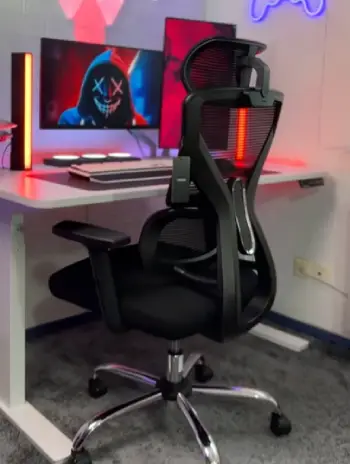
- Hbada P5 vs. Steelcase Gesture
The Steelcase Gesture is a premium pick with 360-degree armrests that move naturally with you.
I admire its build—it’s tanks compared to the P5’s lighter frame.
However, the Gesture costs over $1,000, while the P5 is a fraction of that. Comfort-wise, both offer great lumbar, but the P5’s footrest gives it an edge for relaxation.
If durability is your priority, Gesture wins, but for value, P5 holds its own.
- Hbada P5 vs. Herman Miller Aeron
Iconic for its mesh and posture support, the Aeron feels more refined.
Its pellicle suspension adapts to your body heat, something the P5’s mesh approximates but doesn’t match.
Aeron’s adjustments are smoother, but again, the price tag is steep—around $1,500. I find the P5’s headrest more versatile.
For high-end offices, Aeron shines, but home users like us get similar ergonomics from P5 at budget prices.
- Hbada P5 vs. Secretlab Titan
Gaming-focused, the Titan has plush padding and racing style.
It’s comfier for long sessions than P5’s firmer seat, with better armrest padding.
But P5’s breathability trumps Titan’s faux leather, which can get hot. Titan reclines further, but P5’s footrest integrates better.
At similar mid-range prices, choose Titan for style, P5 for office ergonomics.
- Hbada P5 vs. Holludle Ergonomic Chair
Similar budget, the Holludle offers adjustable lumbar too, but reviews say it’s less sturdy.
P5’s materials feel premium; Holludle’s mesh sags faster.
Both have footrests, but P5’s adjustments are more precise. If you’re in Europe, Holludle might ship faster, but P5 edges out in user satisfaction.
- Hbada P5 vs. Hbada E3
Within the brand, E3 is more advanced with T-shaped support for neck and shoulders.
It’s pricier, around $400, and bulkier.
P5 is sleeker for smaller spaces, with comparable comfort. E3’s arms adjust more, but P5 suffices for most. If you need extra upper back support, go E3; otherwise, P5 saves money.
These comparisons show P5’s balance of features and cost. It’s not the absolute best in any category but excels in accessibility.
Also Read: Comparison Of Sihoo M18 And M57
Frequently Asked Questions (FAQ)
Joe Rogan uses the HAG Capisco 8106, a saddle-style ergonomic chair.
Yes, Hbada is a Chinese brand, with design and manufacturing based there.
Common issues include sinking gas cylinders, wobbly headrests, noisy adjustments, and armrests that feel too high or unstable.
Chiropractors often recommend ergonomic chairs with adjustable lumbar support, like Anthros, BodyBilt, or Newtral, focusing on posture and spinal alignment.
Wrapping Up
In the end, the Hbada P5 has been my reliable companion, easing daily discomfort and boosting productivity.
If back health matters to you, this chair’s features make it a worthwhile investment. Grab one today—you’ll thank yourself during those endless workdays. It’s comfort you can count on.
Recent Posts
● Interactive 5-Zone Interior & Exterior Paint Blueprint Paint Coverage Calculator: Gallons, Primer, Square Footage & Cost Tap any architectural surface zone on the blueprint...
If you want smooth, shiny hair without spending a fortune on a premium styling tool, the Ella Bella hair dryer may be worth considering.In these Ella Bella hair dryer reviews, I’ll look...