
When my first baby struggled with standard domestic formulas, I desperately researched European options and immediately narrowed my choices down to two industry titans. I tested both extensively, tracking every reaction, stool change, and feeding behavior meticulously. My primary intent with this comprehensive guide is to share those crucial insights, helping you confidently choose between these two premium organic giants. Both deliver exceptional quality, but their drastically different nutritional philosophies mean one will definitely suit your baby’s highly specific digestive needs much better than the other.
A Brief Comparison Table
| Feature | Hipp | Holle |
| Organic Certification | EU Organic | Demeter Biodynamic |
| Primary Carbohydrate | Lactose (mostly) | Lactose & Maltodextrin |
| Prebiotics & Probiotics | Included | Not Included |
| DHA Source | Fish Oil | Plant-Based Algae |
| Goat Milk Option | Yes | Yes |
| Hypoallergenic Option | Yes | No |
| Protein Type | Standard Cow/Goat | Standard, A2 Cow, Goat |
| Farming Ethics | Standard Organic | Biodynamic, Horns Retained |
| Price Point | Premium | Ultra-Premium |
| Best For | Sensitive digestion, colic | Minimalist diets, clean eating |
My Experience With Hipp
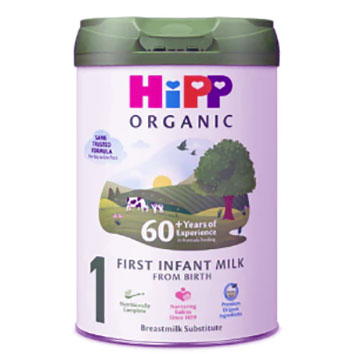
I expected a miracle worker when I first opened the traditional cardboard box of the German combiotic blend, and honestly, the results were incredibly impressive.
My infant had been struggling with severe gas and discomfort, making our nights completely unbearable. Within a week of transitioning to this formula, the constant crying after feedings virtually stopped.
The powder dissolved effortlessly in warm water, leaving no frustrating clumps clogging the bottle nipple during frantic late-night feeds.
The smell was surprisingly mild, and the naturally sweet taste mirrored what you would expect from a premium breast milk substitute.
I deeply appreciated the profound peace of mind that came with the comprehensive European organic certification.
Knowing I was feeding my baby a product rigorously tested for hundreds of environmental contaminants allowed me to finally relax.
The inclusion of both prebiotics and probiotics meant I did not have to play kitchen chemist with expensive supplementary drops anymore.
However, the packaging was a massive disappointment right out of the gate. The foil bag inside the cardboard box offered zero moisture protection, forcing me to immediately buy a dedicated airtight container.
Furthermore, keeping a consistent supply in my pantry required meticulous planning and ordering weeks in advance to avoid devastating shipping delays.
Read More: Comparison Of Hipp And Kendamil
Pros Of Hipp
- Advanced Digestive Support: Hipp combiotic formulations incorporate a precisely measured combination of essential prebiotics and active probiotics to support optimal infant gut health. This specific dual-action approach mimics the protective qualities naturally found in human breast milk, helping to establish healthy bacteria that significantly reduce common infantile digestive issues like excessive gas, constipation, and painful colic.
- Lactose As Primary Carbohydrate: Unlike cheaper alternatives that use heavy synthetic sweeteners or processed syrups, this premium formula strictly utilizes natural lactose as the main carbohydrate source. Lactose provides the crucial energy infants need for rapid physical development while maintaining a naturally mild, creamy sweetness that perfectly replicates the highly authentic flavor profile of maternal breast milk.
- Specialized Hypoallergenic Options: The brand manufactures highly specialized hypoallergenic variations featuring heavily hydrolyzed proteins that are intentionally broken down into ultra-microscopic fragments. These exceptionally tiny protein molecules practically eliminate the serious risk of severe allergic reactions, making this the absolute safest choice for babies who constantly struggle to comfortably process traditional, intact cow milk protein structures safely.
- Rigorous European Organic Standards: Every single batch is strictly certified under the European Union’s incredibly demanding organic farming regulations. This highly prestigious certification absolutely guarantees the total absence of harmful synthetic pesticides, dangerous chemical fertilizers, and controversial genetically modified organisms, ensuring your infant reliably consumes only the purest, most safely regulated nutritional ingredients available on the market today.
- Essential Fatty Acid Inclusion: The manufacturer consistently includes optimal, scientifically verified ratios of both vital DHA and ARA across all standard stages of their extensive product line. These incredibly crucial long-chain omega fatty acids remain fundamentally necessary for rapid brain maturation, essential early cognitive development, and the proper formation of healthy retinal tissues during critical early growth periods.
- Comprehensive Stage Availability: Parents can completely rely on a seamlessly structured progression of specialized formulas specifically tailored to match exact infant developmental milestones. From the gentle first stage meant for delicate newborns to the incredibly robust toddler blends, the unique nutritional composition smoothly evolves to precisely meet changing dietary needs as your fast-growing child naturally matures over time.
- Extremely High Manufacturing Transparency: The brand consistently maintains completely transparent sourcing protocols by rigorously testing all raw materials for over one thousand distinct environmental contaminants. This incredibly meticulous level of ongoing quality control far exceeds standard legal requirements, giving anxious parents profound peace of mind regarding the ultimate safety, absolute purity, and overall integrity of their daily feeding routine.
Cons Of Hipp
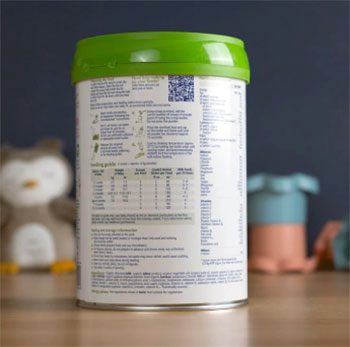
- Presence Of Palm Oil: Despite the premium organic status, the manufacturer still incorporates sustainably sourced palm oil into the primary fat blend. While strictly regulated and ethically harvested, palm oil can occasionally cause slightly firmer bowel movements in highly sensitive infants and frequently raises significant environmental sustainability concerns among fiercely eco-conscious modern parents actively shopping for baby products.
- Expensive Ongoing Investment: Purchasing this imported European formula fundamentally demands a substantially higher financial commitment compared to acquiring standard domestic alternatives commonly found at local grocery stores. Because infants consume massive volumes of milk daily, the heavily elevated cost per ounce accumulates rapidly, creating a potentially overwhelming financial burden for growing families operating on strictly limited household budgets.
- Complex Stage Transitions: The sheer variety of specifically labeled stages and specialized geographical versions inevitably creates massive confusion for highly sleep-deprived new parents. Accidentally purchasing the incorrect regional variation or prematurely transitioning an infant to a higher numerical stage can unexpectedly introduce unwanted starches that might severely upset a developing digestive system during these highly critical feeding transitions.
- Inconvenient Packaging Design: The traditional cardboard box packaging used for the highly popular German versions provides notably terrible moisture protection immediately after initial opening. Parents are virtually forced to purchase separate airtight storage containers to properly preserve the delicate powder, ultimately adding an extremely annoying extra logistical step to an already incredibly exhausting daily infant feeding schedule.
- Lack Of Demeter Certification: While successfully meeting extremely stringent European Union organic requirements, the brand distinctly lacks the highly prestigious biodynamic Demeter certification held by its fiercest competitor. For parents desperately seeking the absolute highest tier of globally recognized sustainable farming practices and hyper-minimalist processing methods, this specific agricultural omission genuinely feels like a somewhat noticeable nutritional downgrade overall.
- Inconsistent Availability Stateside: Because the physical product absolutely must be imported directly from specialized European distributors, maintaining a highly consistent pantry supply often proves incredibly stressful. Sudden international shipping delays, unexpected border customs seizures, or major global supply chain disruptions can instantly leave desperate parents completely stranded without your baby’s preferred critical food source during completely unpredictable emergencies.
- Inclusion Of Starch: Certain later stages within the primary product lineup actively utilize organic starch to successfully keep rapidly growing babies feeling artificially full for extended periods. This specific carbohydrate addition can surprisingly trigger intense bouts of painful gas, uncomfortable bloating, and frustrating digestive distress in highly sensitive toddlers who genuinely struggle to smoothly process heavier, thicker ingredients efficiently.
My Experience With Holle

Switching over to the biodynamic alternative felt like embracing a completely different philosophy regarding infant nutrition.
I was immediately drawn to the absolute purity of the ingredient list, which read like a minimalist dream compared to the heavily fortified domestic brands lining local supermarket shelves.
When I prepared the first bottle, I noticed the texture was remarkably smooth, though the color was slightly paler than its competitor.
The formula lacked the sugary sweetness of lactose-heavy options, presenting a much blander, earthier profile that took my baby a few tries to finally accept without immediately pushing the bottle away.
What truly won me over was the profound impact on my baby’s digestion over the long term.
Stripping away the complex additives and relying entirely on exceptionally high-quality Demeter-certified milk created a beautifully predictable feeding routine.
The absence of synthetic prebiotics surprisingly did not cause the constipation I initially feared.
Despite the spectacular quality, the financial reality of maintaining this diet was incredibly sobering. The smaller box sizes combined with the premium price tag meant my monthly grocery budget took a massive hit. Additionally, the presence of maltodextrin in the later stages made me highly cautious about unnecessary carbohydrate loading as my baby grew older.
Pros Of Holle
- Prestigious Demeter Certification: This brand proudly holds the incredibly elusive Demeter biodynamic certification, firmly representing the absolute highest global standard for incredibly pure organic farming. This extremely rigorous agricultural methodology actively promotes profound ecosystem sustainability, strictly prioritizing superior animal welfare and completely forbidding the aggressive use of any controversial synthetic chemical treatments throughout the entire holistic manufacturing process.
- Ultra Minimalist Ingredient List: The manufacturer deliberately maintains an exceptionally short, highly transparent ingredient profile devoid of completely unnecessary synthetic additives or complex chemical compounds. This brilliantly minimalist nutritional approach allows anxious parents to completely eliminate extremely common dietary triggers, establishing a remarkably pure baseline diet that proves exceptionally gentle on heavily compromised, severely inflamed infant digestive tracts constantly.
- Exceptional Goat Milk Options: The company produces phenomenal goat milk variations featuring remarkably smaller protein structures compared to standard bovine milk. These incredibly gentle, highly digestible proteins swiftly form remarkably soft curds within the sensitive infant stomach, massively reducing agonizing acid reflux flare-ups and dramatically alleviating chronic constipation issues for deeply uncomfortable babies constantly suffering from standard milk sensitivities.
- A2 Protein Cow Milk: For parents absolutely requiring traditional cow milk, the brand brilliantly offers exclusive formulations derived entirely from specialized A2 protein herds. This incredibly unique, highly sought-after protein variant completely bypasses the notoriously inflammatory digestive responses frequently triggered by standard A1 proteins, ultimately delivering a profoundly smoother, entirely painless digestion process for exceptionally sensitive newborns naturally.
- Clean Plant Based DHA: Rather than utilizing traditionally sourced fish oil, the manufacturer innovatively extracts crucial DHA directly from premium microscopic algae cultivated in highly controlled environments. This brilliant plant-based alternative completely eliminates the notoriously unpleasant fishy odor during heated bottle preparation while fully ensuring babies consistently receive absolutely vital cognitive developmental support without any offensive aftertaste whatsoever.
- Zero Added Probiotics: By purposefully excluding prebiotics and live probiotic cultures, the exceptionally pure formula absolutely guarantees maximum baseline simplicity for highly cautious parents. This intentional nutritional omission actively allows deeply concerned pediatricians to highly customize targeted supplementary probiotic regimens perfectly tailored to completely address a specific infant’s highly unique, deeply personal clinical gastrointestinal requirements safely and effectively.
- Highly Ethical Animal Husbandry: The strict biodynamic farming mandate absolutely ensures that all dairy cows retain their natural horns while grazing freely on incredibly lush, chemically untreated pastures. This profound ethical commitment heavily reduces severe animal stress levels, which undeniably translates into significantly higher quality milk yields boasting noticeably superior, genuinely robust nutritional profiles for your rapidly growing infant.
Cons Of Holle
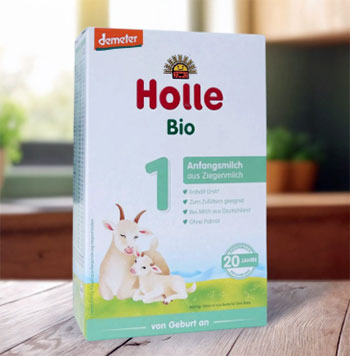
- Omission Of Prebiotics: The total absence of vital prebiotics and live probiotic cultures absolutely forces dedicated parents to manually purchase and physically administer supplementary gut support separately. This massive inconvenience heavily complicates the already incredibly exhausting daily feeding schedule and significantly increases the overall monthly financial burden for families desperately trying to properly optimize infant digestive health efficiently.
- Heavy Reliance On Maltodextrin: Several stages aggressively utilize maltodextrin as a primary complementary carbohydrate to essentially replace natural lactose for added caloric density. This heavily processed carbohydrate additive occasionally triggers severe blood sugar spikes and frequently causes significantly painful gas accumulation in extremely sensitive newborns who entirely lack the specific digestive enzymes absolutely required to break it down smoothly.
- Noticeably Higher Price Point: The incredibly rigorous, highly demanding Demeter biodynamic farming certification directly forces the manufacturer to fundamentally charge significantly higher retail prices across the board. When strictly compared to nearly identical European competitors, this specific brand ultimately remains entirely inaccessible for absolutely countless working-class families already desperately struggling to actively afford standard premium organic nutritional options stateside.
- Inclusion Of Palm Oil: Despite the incredibly pure organic branding, the primary fat blend still heavily relies on ethically sourced but highly controversial palm oil extracts. This incredibly dense fat frequently interacts negatively with crucial calcium absorption processes, repeatedly causing significantly harder bowel movements and actively triggering frustrating chronic constipation episodes for highly delicate, exceptionally sensitive infant digestive systems.
- Lack Of Specialized Formulas: The fiercely minimalist product lineup completely fails to provide highly targeted hypoallergenic or advanced anti-reflux variations for exceptionally medically complex babies. Parents managing severely diagnosed cow milk protein allergies are ultimately forced to immediately abandon this prestigious brand entirely, desperately seeking heavily hydrolyzed alternatives from major competing manufacturers to safely feed your highly reactive infants.
- Supply Chain Vulnerability: As an incredibly niche, strictly imported European luxury product, securing a highly reliable, heavily consistent monthly supply proves extraordinarily difficult domestically. Unexpected customs delays and sudden international shipping blockades regularly force completely panicked parents to aggressively scour deeply expensive secondary markets just to avoid abruptly switching your baby’s delicate diet during critical weekend feeding shortages.
- Bland Flavor Profile: Due to the severe restriction of natural lactose and the heavy inclusion of starchy maltodextrin, the fully mixed liquid boasts a noticeably blander, significantly less sweet flavor. Highly picky infants who have already experienced the naturally rich sweetness of human breast milk frequently reject this highly specific muted taste, creating incredibly frustrating and stressful daily feeding battles constantly.
Also Read: Comparison Of Kendamil Goat And Bubs Goat
Frequently Asked Questions (FAQ)
For most newborns, Hipp generally proves slightly easier to digest immediately due to the active inclusion of prebiotics and probiotics. These essential additions actively promote healthy gut flora, resulting in softer stools and significantly reduced gas for highly sensitive infant digestive systems.
Yes, both manufacturers actively utilize ethically sourced organic palm oil within their primary fat blends to effectively replicate the complex fatty acid profile of human breast milk. This ingredient is strictly regulated but can occasionally cause firmer stools in highly reactive babies.
Holle strictly adheres to Demeter biodynamic farming standards, which rigorously exceed standard European organic regulations. Their hyper-minimalist formulation deliberately excludes completely unnecessary additives, synthetic probiotics, and complex chemical compounds, providing an exceptionally pure, entirely unadulterated baseline diet for cautious parents.
Conclusion
After spending countless exhausting months testing both of these incredible formulas, I can confidently tell you that your final decision entirely depends on what your baby uniquely struggles with right now. I personally gravitated toward the scientifically advanced gut support of the first option during those incredibly difficult, highly colicky early months.
If your baby constantly suffers from severe gas, agonizing reflux, or highly unpredictable bowel movements, Hipp provides the comprehensive digestive support you desperately need. The active probiotics do the heavy lifting, saving you from constantly buying expensive secondary supplements.
Conversely, if you intensely value the absolute highest tier of ethical farming, demand a hyper-minimalist ingredient list, and want to avoid complex additives entirely, Holle is your ultimate champion. The Demeter certification guarantees a level of agricultural purity that remains completely unmatched in the modern commercial market.
You truly cannot make a terrible choice here. Evaluate your strict monthly budget, assess your child’s specific digestive symptoms carefully, and confidently invest in whichever premium European option allows you to finally get some much-needed sleep tonight.
Recent Posts
● Interactive 5-Zone Interior & Exterior Paint Blueprint Paint Coverage Calculator: Gallons, Primer, Square Footage & Cost Tap any architectural surface zone on the blueprint...
If you want smooth, shiny hair without spending a fortune on a premium styling tool, the Ella Bella hair dryer may be worth considering.In these Ella Bella hair dryer reviews, I’ll look...