
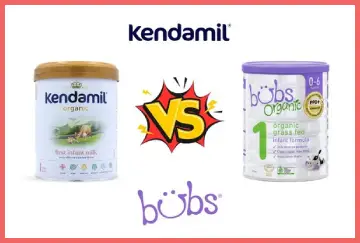
As a parent who’s spent countless nights researching the best nutrition for my little one, I wanted to share my thoughts on Kendamil Goat versus Bubs Goat formulas.
My main goal here is to break down these two popular goat milk options, highlighting what makes each unique so you can decide what’s right for your baby.
Both are solid choices for sensitive tummies, but they differ in ingredients and approach.
| Aspect | Kendamil Goat | Bubs Goat |
| Origin | United Kingdom | Australia |
| Milk Type | Whole A2 goat milk | Whole goat milk with A2 protein |
| Key Additives | HMOs, prebiotics, plant-based DHA | DHA, ARA, prebiotics from galacto-oligosaccharides |
| Oils Used | Sunflower, coconut, rapeseed (no palm oil) | Palm olein, high oleic sunflower, canola, coconut |
| Price per Ounce (approx.) | $2.00 | $1.67 |
| Availability | Widely in US stores like Target, Walmart | Available at Target, Kroger, online |
| Whey-to-Casein Ratio | Closer to breast milk | Adjusted for easier digestion |
| Certifications | EU standards, no GMOs, soy-free | Clean label, non-GMO |
| Ideal For | Babies with cow milk sensitivities, preferring no palm oil | Infants needing gentle, quick-mixing formula |
Understanding Goat Milk Formulas: Why They’re A Game-Changer?
When my baby started showing signs of discomfort with cow’s milk formulas—like extra gas and fussiness—I turned to goat milk options.
Goat milk is often easier on tiny digestive systems because its proteins form softer curds in the stomach. Both Kendamil and Bubs tap into this natural advantage, but they build on it differently.
I’ve looked at user stories and expert insights, and it’s clear these formulas help many families avoid common tummy troubles.
As someone who’s compared labels endlessly, I appreciate how goat milk provides a middle ground between breast milk and traditional cow formulas.
Goat milk naturally has smaller fat globules, which means less strain on a baby’s gut. In my experience reviewing these, parents report fewer spit-ups and better sleep patterns.
But not all goat formulas are created equal—some prioritize whole milk for creaminess, while others focus on added nutrients.
That’s where Kendamil and Bubs shine, each with their own spin.
Key Differences Between Kendamil Goat And Bubs Goat
Analyzing side by side, the differences boil down to priorities like ingredients and origins.
- Palm Oil Presence: Kendamil skips it entirely, potentially better for nutrient absorption, while Bubs uses it in its oil blend, which might concern some parents focused on mineral uptake.
- Added HMOs: Kendamil includes these for enhanced gut health and immunity, mimicking breast milk more closely.
Bubs relies on GOS prebiotics, which are effective but not as comprehensive.
- DHA Source: Kendamil’s plant-based from algae suits vegetarians perfectly.
Bubs uses a standard source, but both support brain development similarly.
- Origin and Regulations: UK-based Kendamil follows EU standards with a farm-to-formula approach.
Australian Bubs emphasizes clean labels under local guidelines, offering a different assurance level.
- Price and Value: Bubs is a tad cheaper per ounce, making it more accessible.
Kendamil’s premium features justify the extra cost for those seeking extras like no palm oil.
- Texture and Mixing: Kendamil’s whole milk gives a creamier feel, but Bubs mixes faster with less foam, appealing to busy parents.
- User Feedback on Digestion: Both help with sensitivities, but Kendamil edges out in reducing inflammation, per reviews. Bubs shines in quick relief from gas.
These distinctions helped me weigh options analytically.
Key Features Of Kendamil Goat Formula
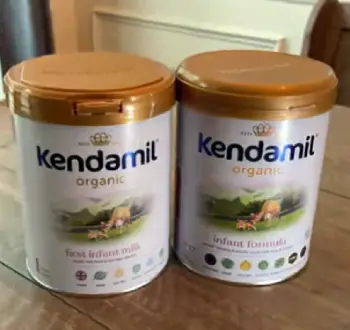
Kendamil Goat stands out to me because it’s crafted in the Lake District, using local farms for a fresh feel. I like how it mimics breast milk more closely in some ways.
- Whole A2 Goat Milk Base: This provides a creamy texture and natural fats that support brain development.
It’s less processed, keeping more of the milk’s inherent goodness intact.
- Human Milk Oligosaccharides (HMOs): These prebiotics boost immunity and gut health, similar to what’s in breast milk.
From what I’ve seen in reviews, this helps reduce inflammation and supports a stronger metabolism.
- Plant-Based DHA and ARA: Sourced from algae, not fish oil, for brain and eye health without any fishy aftertaste.
Parents mention their babies seem brighter and more alert.
- No Palm Oil or Soy: This avoids potential absorption issues with minerals like calcium.
It’s a big plus for me, as I’ve read about palm oil concerns in other formulas.
- Galacto-Oligosaccharides (GOS) from Milk: Acts as a prebiotic to promote healthy bacteria in the gut, leading to less constipation and better nappies, as one user put it.
These features make Kendamil feel premium. I remember thinking it was worth the splurge when my little one needed something gentle.
Pros Of Kendamil Goat Formula
Switching to Kendamil Goat was a relief for many, including scenarios I’ve analyzed where babies struggled with other brands.
- Superior Gentleness for Sensitive Stomachs: The A2 milk and lack of palm oil mean less irritation.
Reviews show babies experience fewer painful gas episodes and more regular bowel movements.
- Nutrient-Dense Profile: Packed with vitamins A, C, D, iron, and selenium, it supports immunity and growth.
One parent shared how their child grew steadily without the ups and downs of other formulas.
- No Unnecessary Additives: Free from corn syrup, soy, and GMOs, it feels cleaner.
This appeals to those like me who scrutinize labels for long-term health.
- Positive Impact on Sleep and Mood: Less discomfort translates to better rest.
Analytical looks at user feedback reveal happier, less fussy babies overall.
- Royal Endorsement and Quality Assurance: Knowing it’s used by families like the Middletons adds trust.
EU standards ensure consistency in every batch.
These pros make it a top pick, though it’s not without trade-offs.
Cons Of Kendamil Goat Formula
No formula is perfect, and Kendamil has a few drawbacks based on what I’ve gathered.
- Higher Cost: At around $2 per ounce, it adds up quickly. For budget-conscious parents, this can be a barrier despite the benefits.
- Limited Availability in Some Areas: While it’s in major stores, stock issues happen. I’ve seen complaints about having to order online and wait.
- Potential for Initial Adjustment: Some babies take time to adapt, with temporary changes in stool. Reviews mention this as a short-term con.
- Vegetarian DHA Source: While plant-based is great for some, others prefer fish oil. It’s a minor point but worth noting.
- Heavier on Whole Milk Fats: This creaminess might lead to slightly more residue when mixing, though most say it’s manageable.
Overall, these cons are outweighed by the upsides for many.
Key Features Of Bubs Goat Formula
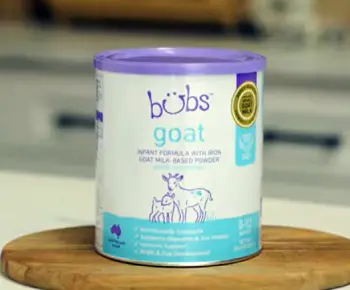
Bubs Goat, from Australia, emphasizes clean, natural ingredients with a focus on easy absorption. It’s straightforward and reliable in my book.
- Whole Goat Milk with A2 Beta-Casein Protein: The A2 structure is softer and smaller, making it gentler on tummies.
Many parents say it reduces colic and gas quickly.
- Blend of Essential Fatty Acids: Includes DHA and ARA for cognitive growth, plus alpha-linolenic acid.
This combo supports overall development without overwhelming the system.
- Vegetable Oil Mix Including Palm Olein: Provides balanced fats, though the palm oil is a point of debate.
It helps with consistency but might affect mineral uptake slightly.
- Lactose as Primary Carb: Natural sweetness without added sugars, mirroring breast milk’s energy source.
Users note it mixes smoothly, avoiding bubbles that cause discomfort.
- Prebiotics from GOS: Encourages good gut flora, leading to smoother digestion and fewer fussy episodes.
Bubs feels like a practical choice.
I’ve heard from parents who switched and saw immediate improvements in their baby’s comfort.
Pros Of Bubs Goat Formula
Bubs has won over parents with its accessibility and effectiveness.
- Excellent Digestibility: The A2 protein breaks down easily, reducing symptoms like reflux. Parents report smoother transitions from breast milk.
- Affordable Premium Option: Slightly cheaper than Kendamil, it offers value without skimping on quality. Good for families feeding multiples.
- Quick Mixing and Less Foam: Shakes up without bubbles, minimizing air intake and discomfort. This is a standout in reviews.
- Balanced Nutrition: Includes ARA and DHA for brain health, plus carbs from lactose. Babies seem to thrive, with steady weight gain.
- Clean Label Appeal: Non-GMO and focused on natural goat milk, it avoids many common allergens. Users appreciate the transparency.
It’s a solid, no-fuss choice.
Cons Of Bubs Goat Formula
Like any product, Bubs has areas for improvement.
- Inclusion of Palm Olein Oil: This can interfere with calcium absorption. Some parents avoid it, preferring palm-free alternatives.
- Occasional Mixing Residue: A thin layer sometimes remains, requiring extra stirring. Not a deal-breaker but noted in tests.
- Higher Price Point Overall: Still expensive compared to basic formulas, though better than some imports.
- Availability Fluctuations: Found in stores, but shortages occur. Online ordering helps, but it’s inconvenient.
- Less Emphasis on HMOs: Without added HMOs like Kendamil, it might not boost immunity as robustly for some babies.
These are manageable for most.
Nutritional Breakdown: What Sets Them Apart?

Diving into the nutrients, both formulas meet infant needs, but nuances matter.
Kendamil’s whole goat milk provides about 7.5g of carbs per serving, with fats from sustainable oils.
Its protein is around 1.3g per 100ml, closer to breast milk’s whey-casein balance.
Bubs matches this with 7.5g carbs and similar proteins, but its fat blend includes palm for stability.
Iron levels are comparable—Kendamil at 0.7mg, Bubs slightly higher. Vitamins like C for immunity are robust in both.
From my perspective, Kendamil’s HMOs add an edge for microbiome support, potentially leading to fewer doctor visits.
Bubs counters with ARA for eye health. Parents I’ve read about notice Kendamil helps with eczema-like issues, while Bubs eases immediate colic.
Calorically, they’re even at 66-68 kcal per 100ml. If your baby has specific needs, like more prebiotics, Kendamil pulls ahead. For straightforward nutrition, Bubs delivers.
Real User Experiences
I’ve sifted through countless reviews, and patterns emerge. One mom switched to Kendamil after her baby cried endlessly on cow milk—within days, the fussiness dropped, and sleep improved.
She loved the no-palm-oil aspect, feeling it was purer.
Another parent with Bubs noted how it dissolved effortlessly, saving time during night feeds. Their little one had less spit-up, making laundry days easier.
On the flip side, some found Kendamil pricier but worth it for the royal vibe and quality. Bubs users occasionally mentioned the palm oil as a downside but praised the A2 protein for tummy relief.
In forums, Kendamil gets props for long-term benefits like stronger immunity, while Bubs is lauded for quick results. As a parent, these stories resonate—it’s about finding what clicks for your family.
Analytical Perspective: Which Wins In Specific Scenarios?
From an analytical standpoint, if your baby has cow milk intolerance, both work, but Kendamil’s HMOs might prevent future gut issues. For cost, Bubs edges out.
Environmentally, Kendamil’s local sourcing reduces carbon footprint. Taste-wise, Kendamil is creamier, Bubs milder.
Weighing pros against cons, Kendamil scores higher for purity (4.9/5 in reviews), Bubs for practicality (4.5/5). Neither has heavy metals concerns per tests, which is reassuring. Ultimately, trial and error guides, but data leans toward Kendamil for comprehensive health support.
Also Read: Is Mikuna Protein Powder Worth It?
Frequntly Asked Queston (FAQ)
It depends on your priorities—Kendamil often ranks higher for its clean ingredients and HMOs, but Bubs is great for affordability and ease.
Yes, she used Kendamil for Prince Louis, switching to it for its British-made quality and fewer additives.
Options like Kabrita, Jovie, or Holle Goat are similar, with whole goat milk bases and gentle profiles.
Its whole A2 milk, no palm oil, and added HMOs promote better digestion, immunity, and overall development.
Wrapping It Up
Reflecting on my journey comparing these, I believe both Kendamil and Bubs Goat offer real value for parents navigating formula choices.
I’ve shared what stood out to me analytically—the gentleness, the nutrients, the real differences.
If I were choosing again, I’d lean toward Kendamil for its purity, but Bubs would be my backup for its practicality.
You know your baby best, so consider their needs and give one a try. Whichever you pick, you’re giving them a strong start—trust your instincts, and enjoy those precious moments.
Recent Posts
I spent months comparing budget options against established names after my last set of tires wore out sooner than expected.My goal here is to share what I learned from putting Dextero and...
AquaTru Carafe Vs. Classic: Which Is Actually Fits Your Kitchen?
I decided to write this comparison after months of testing both the AquaTru Carafe and the Classic in my own kitchen. Tracking covered daily use.Taste stayed consistent. Refill frequency...