
When I was searching for the perfect organic formula, the choice between Holle Pre and Holle Stage 1 felt incredibly confusing. Both are premium European options designed for infants from birth to six months, yet they serve very different nutritional needs. I wanted to know exactly which one would keep my baby full, comfortable, and healthy. In this article, I break down my hands-on experience, the critical ingredient differences, and the detailed pros and cons of each formula. My goal is to help you make an informed decision for your little one without the usual guesswork.
A Brief Comparison Table
| Feature | Holle Pre | Holle Stage 1 |
| Age Range | Birth to 6 months | Birth to 6 months |
| Primary Carbohydrates | Organic lactose | Organic lactose and maltodextrin |
| Added Starch | No | Yes |
| Digestion Profile | Rapid, extremely gentle | Slower, highly satiating |
| Organic Certification | Demeter biodynamic | Demeter biodynamic |
| Satiety (Fullness) | Shorter duration | Longer duration |
| Preparation Temperature | Standard warm water | Slightly warmer water (50°C) |
My Experience With Holle Pre
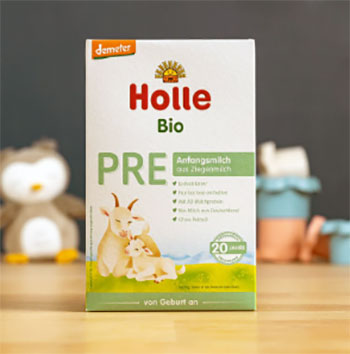
When I first introduced Holle Pre to my feeding routine, I was desperately looking
for something that would not upset a highly sensitive stomach.
The strict European organic standards immediately caught my attention, but the
actual real-world performance is what ultimately won me over.
I noticed almost immediately that the powder mixed incredibly well.
Because it relies entirely on lactose without any dense starches, a quick shake left
the bottle perfectly smooth without those frustrating hidden clumps that
constantly clog up the nipple.
The biggest takeaway from my time using the Pre version was how fast it digested.
It genuinely felt like a direct substitute for natural breast milk.
However, that rapid digestion also meant I was making bottles constantly, which
was admittedly exhausting during the night.
Read More: Comparison Of Hipp And Kendamil
Pros Of Holle Pre
- Lactose-Only Formulation For Gentle Digestion: Holle Pre relies entirely on organic lactose as its sole carbohydrate source. This composition closely mirrors natural breast milk, making it exceptionally easy for newborns to break down. The absence of heavier starches ensures your infant experiences less gas, bloating, or discomfort during those critical first months.
- Ideal For Highly Sensitive Newborn Tummies: If your baby struggles with typical formulas, Holle Pre offers a soothing alternative. Because it skips complex carbohydrates like maltodextrin completely, it digests incredibly fast. This rapid breakdown reduces the burden on developing digestive tracts, allowing your newborn to absorb essential nutrients effortlessly without experiencing a false sense of fullness.
- Certified By Strict Demeter Biodynamic Standards: You are getting top-tier organic quality with Holle Pre. Sourced from Demeter-certified biodynamic farms in Europe, this formula surpasses standard organic regulations. The milk comes from cows raised without synthetic pesticides, chemical fertilizers, or unnecessary antibiotics, ensuring the purest possible nutrition for your child’s critical developmental stages.
- Feeds On Demand Without Overfeeding Risks: Since Holle Pre lacks slow-digesting starches, you can feed your baby more frequently on a responsive schedule. This is a massive advantage for parents wanting to replicate a natural nursing rhythm. You never have to worry about the formula sitting heavily in the stomach or causing unnecessary weight spikes.
- Contains Essential Omega Fatty Acids: Holle Pre incorporates vital nutrients like DHA and ARA into its clean recipe. These specific fatty acids are crucial building blocks for healthy brain, nerve, and visual development in newborns. You can rest easy knowing your child receives the foundational elements necessary for robust neurological growth without unwanted synthetic additives.
- No Added Sugars Or Corn Syrups: Unlike many conventional formulas, Holle Pre entirely avoids glucose syrup solids, table sugar, and corn syrup. It relies purely on the natural sweetness of organic lactose. This commitment to wholesome ingredients prevents early sugar dependency and provides a safer, healthier energy source that aligns with your infant’s biological needs.
- Smooth And Fast Preparation Process: Preparing Holle Pre is generally faster and easier than starch-heavy alternatives. Because lactose dissolves readily at lower temperatures, you do not need extremely hot water to achieve a smooth mixture. This saves valuable time during frantic late-night feedings, preventing frustrating clumps and delivering a perfect bottle quickly and efficiently.
- Completely Free From Synthetic Additives: Parents can truly trust the absolute purity of Holle Pre because it strictly avoids artificial flavors, colors, and preservatives. By maintaining a short, natural ingredient list, it protects your newborn from unnecessary chemical exposure. This remarkably clean formulation effectively supports a healthy immune system without introducing any questionable artificial compounds.
Cons Of Holle Pre
- Babies May Feed Much More Frequently: Because Holle Pre digests so quickly, your baby will likely feel hungry more often. The absence of filling starches means you might find yourself preparing bottles on a rigid two or three-hour schedule around the clock. This constant demand can be exhausting for parents seeking longer stretches of uninterrupted sleep.
- Not Formulated For Longer Satiety: If you have a particularly hungry baby, Holle Pre might not satisfy them for long durations. The purely lactose-based carbohydrates break down rapidly, providing quick energy that burns off fast. For infants who consume high volumes but remain fussy, the lack of maltodextrin means they miss out on prolonged fullness.
- Premium Price Point Adds Up Quickly: Choosing a Demeter-certified European formula like Holle Pre requires a substantial financial commitment. It is noticeably more expensive than standard domestic options found at local stores. Given how frequently your baby will consume this fast-digesting milk, the monthly cost of consistent restocking will strain a strict household grocery budget significantly.
- Availability Issues And Import Delays: Holle Pre is not available on typical grocery store shelves in many regions outside Europe. You must rely on specialized online retailers to import the product. This creates potential logistical headaches, as shipping delays, customs hold-ups, or sudden stock shortages can abruptly disrupt your baby’s essential daily feeding routine.
- Lack Of Included Prebiotics And Probiotics: Unlike some competitor brands, Holle Pre maintains an incredibly minimalist ingredient list and omits added prebiotics or probiotics. While this ensures purity, parents looking to actively boost their infant’s gut flora will need to purchase separate supplements. This adds an extra step and additional cost to the daily feeding process.
- Presence Of Palm Oil In The Blend: Holle incorporates organic palm oil as part of its fat blend to mimic breast milk composition. While it is sourced sustainably, some parents try to avoid palm oil due to potential environmental concerns or mild digestive controversies. If avoiding this specific oil is a priority, this formula may disappoint.
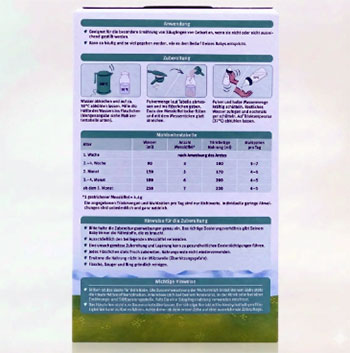
- German Packaging Requires Translation Effort: Since this is an authentic European product, the preparation instructions and nutritional information are printed in German. First-time users must rely on retailer websites or translation apps to determine exact water-to-powder ratios. This initial language barrier can be slightly frustrating when you are urgently trying to prepare a correct bottle.
- Shorter Shelf Life Once Opened: Due to the lack of artificial preservatives, an opened box of Holle Pre must be consumed rapidly. You generally need to use the entire package within two weeks to guarantee optimal freshness and nutritional integrity. This tight timeframe can sometimes lead to frustrating product waste if feeding slows down.
My Experience With Holle Stage 1
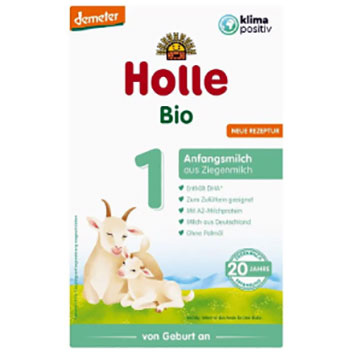
Transitioning to Holle Stage 1 was a strategic move when constant feeding sessions
started taking a severe toll on my daily sleep schedule. I desperately needed a
formula that provided the exact same pristine organic quality but offered a bit
more staying power.
The addition of maltodextrin fundamentally changed our entire feeding routine.
The formula felt noticeably creamier to the touch, and the extra starch did exactly
what it promised: it kept the intense hunger pangs away for much longer
stretches.
I did have to adjust my preparation habits slightly to accommodate the thicker
powder. Getting the water temperature just right was crucial to dissolving the
maltodextrin effectively, but that minor daily inconvenience was absolutely worth
the massive reward of a fully satisfied, peacefully resting baby.
Pros Of Holle Stage 1
- Maltodextrin Provides Longer Lasting Fullness: Holle Stage 1 includes organic maltodextrin alongside lactose, which acts as a slow-release complex carbohydrate. This starch digests more gradually, keeping your baby satisfied for significantly longer periods. It is an excellent choice for voracious eaters who constantly seem hungry, helping stretch the time comfortably between routine daytime feeding sessions.
- Promotes Better Nighttime Sleep Stretches: Thanks to the added starch, infants consuming Holle Stage 1 often sleep for longer uninterrupted blocks at night. The sustained energy release prevents sudden hunger pangs from waking them up prematurely. For exhausted parents desperately seeking more rest, this filling formula can be a highly effective tool for establishing better sleep habits.
- Thicker Texture Reduces Mild Spit Up: The inclusion of maltodextrin gives this formula a slightly thicker, creamier consistency compared to lactose-only options. This added weight helps the milk settle more securely in the infant’s stomach. Consequently, many parents report a noticeable reduction in mild reflux or common spit-up incidents after feeding their babies this specific blend.
- Maintains Top Demeter Biodynamic Quality: Just like the Pre version, Holle Stage 1 strictly adheres to Demeter biodynamic farming standards. You are guaranteed a product free from synthetic chemicals, pesticides, and artificial preservatives. It ensures your baby benefits from the highest quality organic cow’s milk, sourced from animals treated humanely on fully sustainable European farms.
- No Synthetic Sweeteners Or Syrups: Even though it contains maltodextrin, Holle Stage 1 remains entirely free of unhealthy simple sugars, glucose syrups, and corn syrup solids. The sweetness comes naturally from the organic lactose and starch blend. This provides your infant with robust, sustaining energy without exposing them to the highly processed sweeteners found in cheaper brands.
- Complete Nutrition With Added Omegas: This formula is comprehensively designed to support early development by including essential fatty acids like DHA and ARA. These crucial additions directly support optimal brain function and visual acuity. Parents can trust that Holle Stage 1 delivers a robust, well-rounded nutritional profile that successfully meets all critical infant growth milestones.
- Suitable For Use Up To Six Months: Holle Stage 1 provides a stable, consistent nutritional foundation from birth all the way through the first six months. You do not have to constantly switch products during this early developmental window. The targeted carbohydrate blend seamlessly accommodates your growing baby’s increasing energy demands as they become more active and alert.
- Highly Appealing Taste Profile: Because it mimics the natural sweetness of human breast milk, babies typically accept Holle Stage 1 eagerly. The creamy texture provided by the organic maltodextrin makes the formula highly palatable. This is exceptionally beneficial for parents who are combination feeding and need a formula the baby will not reject easily.
Cons Of Holle Stage 1
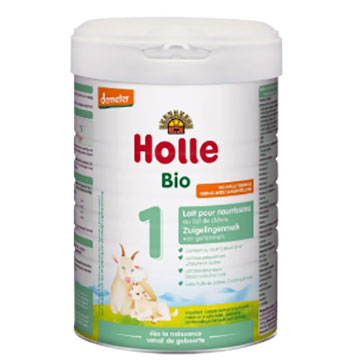
- Maltodextrin Can Cause Initial Gas: The primary drawback of Holle Stage 1 is that the added maltodextrin can be harder for sensitive newborns to digest. As their tiny digestive systems adapt to breaking down complex starches, babies might experience temporary bouts of gas, fussiness, or minor constipation. It requires a slightly more robust gut to handle comfortably.
- Requires Warmer Water For Mixing: To properly dissolve the maltodextrin starch, Holle Stage 1 usually requires slightly warmer water, around 50 degrees Celsius. This makes the preparation process slightly more tedious than lactose-only formulas. You must carefully monitor the temperature to avoid clumping, then wait longer for the bottle to cool down to a safe feeding level.
- Risk Of Overfeeding If Not Careful: Because maltodextrin provides a heavier, more filling sensation, parents must closely monitor feeding volumes. Unlike lactose-only formulas that digest quickly, feeding this starch-heavy milk on a rigid schedule rather than on demand might lead to overfeeding. It is crucial to recognize your baby’s satiety cues to prevent uncomfortable bloating or excessive weight gain.
- Lacks Added Gut Flora Support: Similar to the Pre version, Holle Stage 1 does not include supplementary prebiotics or probiotics. The manufacturer prefers a minimalist ingredient list. If your baby struggles with digestion due to the added starch, you will need to purchase and administer separate probiotic drops to help balance their developing intestinal microbiome effectively.
- High Cost Of Continual Importation: As a premium European organic product, Holle Stage 1 carries a hefty price tag. Because it is not FDA-approved for direct domestic retail, you must pay premium prices through third-party importers. The compounding costs of shipping and routine purchasing make this a significant financial burden compared to readily available local formula alternatives.
- Palm Oil Included In The Recipe: The fat profile in Holle Stage 1 includes organic palm oil. While the company ensures it is sourced ethically and sustainably, palm oil can sometimes cause firmer stools in certain infants. Parents who specifically seek out palm oil-free products for environmental or dietary reasons will find this inclusion slightly disappointing and problematic.
- Foreign Packaging Complicates Early Use: The boxes for Holle Stage 1 arrive primarily with German text. Parents must look up the translation to ensure they are using the correct scoop-to-water ratios. While you quickly memorize the steps, the lack of immediate, readable instructions on the box can be stressful when leaving the baby with a new caregiver.
- Potential Risk For Mild Constipation: While maltodextrin is an excellent energy source, its slower digestion rate can sometimes alter bowel movements. Some infants transitioning to Holle Stage 1 experience slightly firmer stools or mild constipation compared to their time on lactose-only milk. You must monitor their diapers closely during the initial introduction phase.
Also Read: Comparison Of Kendamil Goat And Bubs Goat
Frequently Asked Questions (FAQ)
The primary difference lies in the specific carbohydrate sources and the intended digestion speed. Holle Pre uses only organic lactose, making it thinner and incredibly fast to digest for sensitive newborns. Holle Stage 1 includes maltodextrin, an organic starch that thickens the milk and keeps infants feeling full for much longer periods.
Yes, organic maltodextrin is entirely safe and heavily regulated by strict European organic standards. It is a complex carbohydrate that provides excellent sustained energy. While it is a completely natural component derived from starches, it can occasionally cause minor gas in newborns with extremely sensitive or underdeveloped digestive tracts.
You can certainly transition between the two smoothly, as they share the exact same Demeter-certified cow’s milk base. Many parents start with Holle Pre for the gentle lactose digestion during the delicate first few weeks, then seamlessly introduce Holle Stage 1 when the growing baby requires heavier, more filling meals.
Conclusion
Choosing between these two exceptional formulas ultimately depends entirely on your child’s unique digestive temperament. If you are prioritizing the absolute gentlest, fastest-digesting milk that mimics natural nursing perfectly, my experience points directly to Holle Pre.
However, if you have a voraciously hungry infant and you desperately need to extend the time comfortably between feedings, Holle Stage 1 is undeniably the superior choice. The added maltodextrin provides that crucial, long-lasting satisfaction without compromising on pristine organic quality. You truly cannot go wrong with either Demeter-certified option.
Recent Posts
● Interactive 5-Zone Interior & Exterior Paint Blueprint Paint Coverage Calculator: Gallons, Primer, Square Footage & Cost Tap any architectural surface zone on the blueprint...
If you want smooth, shiny hair without spending a fortune on a premium styling tool, the Ella Bella hair dryer may be worth considering.In these Ella Bella hair dryer reviews, I’ll look...