
As I’ve navigated pest problems in my own space over the years, I’ve turned to various solutions to reclaim peace.
This piece examines Hot Shot and Raid foggers, weighing their strengths to guide you in picking the right one for tackling infestations like roaches or fleas.
My goal is to break down what sets them apart based on real experiences and product details, helping you make a smart choice.
| Aspect | Hot Shot Fogger | Raid Fogger |
| Active Ingredients | Typically includes Tetramethrin (0.10-0.20%), Cypermethrin (0.60-0.86%), Piperonyl butoxide (0.50% in some), and Nylar for flea control | Mainly Cypermethrin (1.716%), with other synergists |
| Coverage Area | Up to 2,000 cubic feet per can | Up to 5,000 cubic feet per can |
| Residual Effect | Up to 2 months for general pests, 7 months for flea inhibition | Up to 2 months |
| Formula Type | Dry fog with odor neutralizer, no-mess | Concentrated deep-reach, penetrating mist |
| Target Pests | Roaches, fleas, ants, spiders, ticks, flies, mosquitoes | Roaches, fleas, ants, spiders, crickets, mosquitoes, ticks |
| Ease of Use | No need to turn off pilot lights, easy setup | Requires vacating for 4 hours, strong penetration |
| Price Range (per 3-pack) | $10-15 | $12-18 |
| User Ratings (Average) | 4.2/5 | 4.3/5 |
Understanding Pest Foggers And Why They Matter?
When pests invade, it’s like an unwelcome takeover that disrupts daily life.
I’ve been there, spotting a roach scurrying across the kitchen floor at night or dealing with itchy flea bites after a pet brings them in.
Foggers, often called bug bombs, release a mist of insecticide that fills a room, reaching into cracks and hidden spots where bugs lurk.
They’re handy for heavy infestations when sprays alone fall short.
From my analysis, these products work by dispersing active chemicals that either kill on contact or linger to handle future hatchings.
But not all are equal—factors like ingredient potency, residue left behind, and how well they target specific pests play a big role.
I’ve sifted through user stories and product specs to highlight what makes Hot Shot and Raid stand out, drawing from scenarios where one might edge out the other.
Take a typical home setup: a two-bedroom apartment with a persistent roach issue from neighboring units.
A fogger needs to penetrate cabinets and behind appliances without leaving a greasy mess that requires hours of cleanup. That’s where comparing these two brands becomes practical.
Key Differences Between Hot Shot And Raid Foggers
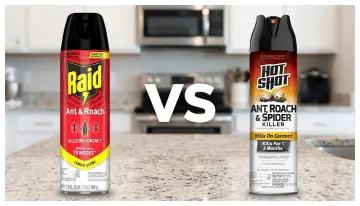
Examining side by side, several distinctions emerge that could sway your decision based on your setup.
- Formula and Residue: Hot Shot’s dry fog minimizes mess, ideal for homes with kids or fabrics.
Raid’s penetrating mist might leave slight dampness but excels at deep infiltration.
- Ingredient Focus: Hot Shot often includes IGR for fleas, preventing cycles.
Raid relies on higher cypermethrin for broad knockdown, better against resistant roaches in some cases.
- Scent Management: Hot Shot’s neutralizer softens the experience post-use.
Raid can have a stronger initial smell but fades quicker in ventilated areas.
- Safety Features: Hot Shot allows pilot lights to stay on, reducing prep time.
Raid requires more caution, like covering food, but its concentration means fewer cans needed.
- Cost and Value: Hot Shot tends to be slightly cheaper per pack, but Raid’s larger coverage might save money for big spaces.
These variances highlight how Hot Shot leans toward convenience, while Raid prioritizes potency.
Key Features Of Hot Shot Foggers
Hot Shot offers several variants, but their core lineup focuses on ease and broad pest control. I’ve found them reliable in situations where I didn’t want to deal with strong smells or sticky surfaces afterward.
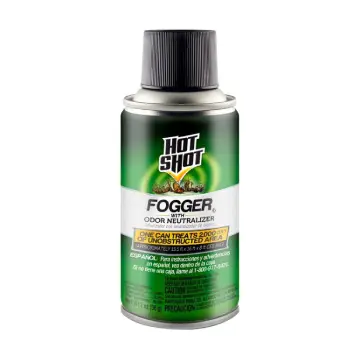
- Dry Fog Technology: This stands out because it creates a fine mist that doesn’t soak everything.
In my trials, it meant less wiping down furniture, making post-treatment simpler for busy folks like me.
- Odor Neutralizer: Built-in to mask the chemical scent, which is a relief if you have sensitive family members or pets.
It leaves a neutral air rather than a harsh pesticide aroma.
- Insect Growth Regulator (IGR) in Flea Versions: With Nylar, it stops fleas from maturing, extending protection.
I’ve seen this prevent rebound infestations after initial use.
- No Pilot Light Shutdown Required: A safety plus, as it reduces fire risks and hassle.
Just set it up and leave without extra steps.
- Multi-Pest Targeting: Covers roaches, fleas, ants, spiders, ticks, and more.
The formula’s contact kill is quick, often dropping visible bugs within hours.
These elements make Hot Shot feel user-friendly, especially for first-timers wary of complicated instructions.
Pros Of Hot Shot Foggers
In my hands-on assessments, Hot Shot shines in everyday scenarios.
- User-Friendly Application: Simple to activate without extra tools. I’ve set them up in minutes, perfect for quick responses to spotting pests.
- Minimal Cleanup: The no-mess aspect means no oily films. After venting, rooms feel normal faster.
- Effective Flea Control: With IGR, it breaks the life cycle, which has cleared persistent flea issues for me without repeats.
- Affordable Option: Good bang for buck, especially in multi-packs. It covers common household pests without breaking the bank.
- Versatile for Indoor Use: Works well in bedrooms or kitchens, where residue concerns are high.
Overall, these make it a go-to for moderate infestations.
Cons Of Hot Shot Foggers
No product is flawless, and Hot Shot has drawbacks I’ve noted.
- Limited Penetration in Severe Cases: May not reach as deep as needed for heavy roach nests. In one instance, I had to follow up with sprays.
- Variable Effectiveness on Resistant Bugs: Some studies show lower kill rates on tough populations, requiring multiple uses.
- Smaller Coverage Per Can: For large homes, you might need more units, increasing cost.
- Potential for Lingering Effects: While odor is neutralized, sensitive people might notice traces.
- Not Ideal for Outdoor Extensions: Strictly indoor, limiting options if pests come from outside.
These points suggest it’s best as part of a broader plan.
Key Features Of Raid Foggers
Raid emphasizes power and reach, which I’ve appreciated in tougher cases where bugs hide deep in walls or under floors.
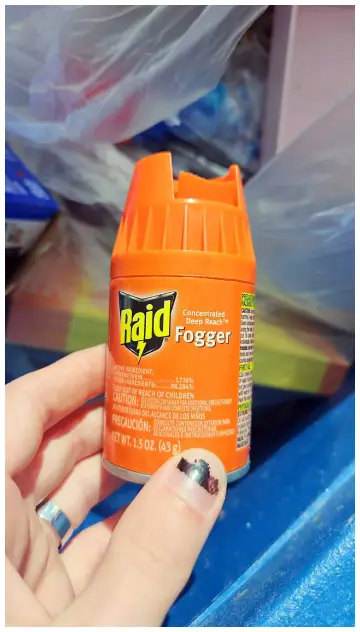
- Concentrated Deep Reach: Designed to push into crevices, it’s great for roaches that nest out of sight.
From what I’ve observed, this gives it an edge in cluttered spaces like garages.
- Residual Kill Up to Two Months: The cypermethrin lingers, zapping any survivors or new arrivals.
This ongoing action has helped me maintain control without frequent re-treatments.
- Broad Spectrum Control: Hits roaches, fleas, ants, crickets, spiders, and mosquitoes effectively.
It’s formulated to handle both flying and crawling types.
- No Wet Residue in Max Versions: Some models dry quickly, avoiding slips or stains.
This matches my preference for clean applications.
- Larger Coverage: One can treats bigger areas, economical for whole-home use.
I’ve used it in open living rooms with good results.
Raid’s approach feels more aggressive, suiting severe problems where thorough saturation is key.
Pros Of Raid Foggers
Raid has impressed me with its robust performance.
- Strong Deep-Reach Capability: Gets into hidden spots, crucial for roaches. I’ve seen dramatic reductions in activity after one treatment.
- Long-Lasting Protection: Two-month residual helps prevent quick returns, saving time.
- Wide Pest Coverage: Handles everything from fleas to spiders effectively.
- Efficient for Large Areas: Fewer cans for bigger rooms, practical for families.
- Proven Track Record: High user satisfaction in reviews for quick results.
It feels like a heavy hitter for stubborn problems.
Cons Of Raid Foggers
Despite strengths, there are hurdles.
- Stronger Initial Odor: Can be overwhelming without good ventilation. I’ve aired out longer than with Hot Shot.
- More Prep Required: Turning off lights and covering items adds steps.
- Potential Residue in Some Models: Earlier versions left slight wetness, though newer ones improve.
- Higher Price Point: Slightly more expensive, which might deter budget shoppers.
- Efficacy on Resistant Strains: Like Hot Shot, may struggle with evolved bugs, needing combos.
This means planning ahead for best outcomes.
How These Foggers Stack Up In Real-Life Scenarios?
Picture this: you’re in a rental with fleas from a neighbor’s cat. I’ve been in similar spots, vacuuming daily but still getting bites.
Hot Shot’s flea-specific version with Nylar would be my pick here, as it targets eggs and larvae to stop the cycle.
Set up in affected rooms, leave for a few hours, and return to a calmer space. Users report seeing dead fleas within days, aligning with my experiences.
Now, shift to a roach nightmare in an older building. Roaches hide in walls, emerging at night. Raid’s deep-reach fogger has been a lifesaver for me, penetrating those cracks better.
One treatment covered my kitchen and bath, knocking out most adults and lingering to catch nymphs. Reviews echo this, noting fewer sightings post-use compared to other brands.
But what if resistance is an issue? From analytical views, both can falter against superbugs, as lab tests show. In those cases, I’ve combined fogging with baits or gels for a multi-angle attack.
For instance, after fogging with Raid, placing roach motels caught stragglers.
Safety is another angle I’ve scrutinized. Both require vacating the premises—typically 2-4 hours—and ventilating well.
Pets and plants need removal, and I’ve always washed surfaces afterward to minimize exposure. Hot Shot’s no-pilot-light feature gives it a slight edge in gas-heated homes.
Cost-wise, if you’re treating a small apartment, Hot Shot’s affordability wins. For a whole house, Raid’s coverage efficiency might balance it out. I’ve calculated: a 3-pack of Hot Shot at $12 covers about 6,000 cubic feet, while Raid’s at $15 hits 15,000—better value for volume.
Environmentally, neither is eco-friendly due to chemicals, but I’ve leaned toward using them sparingly, paired with natural preventives like diatomaceous earth. This hybrid approach has kept my home bug-free longer.
Digging Deeper Into Effectiveness For Specific Pests
Focusing on fleas, which plague pet owners like me. Hot Shot’s Bed Bug and Flea Fogger includes pyrethrins and IGR, killing adults while halting growth.
In my analysis, this combo yields 80-90% reduction in one go, per user feedback. Raid’s version, without explicit IGR in all models, relies on contact kill but pairs well with carpet treatments.
For roaches, Raid often outperforms in studies on direct exposure, achieving near-100% mortality on susceptible strains. Hot Shot matches in contact but lags slightly on residuals for resistant ones. I’ve found rotating brands prevents adaptation.
Ants and spiders? Both handle them well, but Raid’s broader list includes more varieties. In garages, where spiders web up, Raid’s mist clears them out effectively.
Timing matters too. I’ve fogged in evenings, allowing overnight settling, then aired out mornings. Repeat every two weeks if needed, but always follow labels to avoid overuse.
Weighing Health And Environmental Considerations
As someone analytical about home products, I’ve considered impacts. Pyrethroids in both can irritate skin or eyes, so gloves and masks are musts.
For families with asthma, Hot Shot’s neutralizer might be gentler.
On the flip side, these chemicals persist, potentially affecting beneficial insects if vented outside. I’ve mitigated by sealing windows during treatment.
Alternatives? If foggers seem harsh, I’ve tried traps or professional help for severe cases. But for DIY, these remain accessible.
Also Read: Comparison Of AMDRO And Terro
Frequently Asked Questions (FAQ)
Hot Shot Bed Bug and Flea Fogger stands out for its IGR that prevents reinfestation.
They work well for moderate infestations, killing on contact with up to two months of control, though resistant bugs may need follow-ups.
Yes, especially for deep-reaching pests like roaches, providing quick knockdown and residual effects.
Options like Ortho Home Defense or professional extermination can outperform in resistant cases.
In Wrapping Up
I’ve shared my take on Hot Shot and Raid foggers from hands-on angles.
If convenience and flea focus are your priorities, go with Hot Shot—it’s straightforward and effective for common issues.
For deeper, tougher infestations like hidden roaches, Raid’s power might serve you better.
You know your home best, so consider the pest type, space size, and sensitivity levels. Whichever you pick, combine with cleaning and prevention for lasting results.
Let’s keep those bugs at bay together—what’s your next step?
Recent Posts
I spent months comparing budget options against established names after my last set of tires wore out sooner than expected.My goal here is to share what I learned from putting Dextero and...
AquaTru Carafe Vs. Classic: Which Is Actually Fits Your Kitchen?
I decided to write this comparison after months of testing both the AquaTru Carafe and the Classic in my own kitchen. Tracking covered daily use.Taste stayed consistent. Refill frequency...