
I decided to compare Infinity Living and MRCOOL after looking at both for a DIY mini-split install in my own space.
My goal here is to give you a clear, practical breakdown of how these two stack up on features, performance, cost, reliability, and day-to-day use so you can decide which fits your home and budget better.
| Aspect | Infinity Living | MRCOOL |
| Installation Style | DIY with pre-charged lineset | DIY with pre-charged lineset |
| Efficiency (typical) | Up to ~20 SEER2 | 20-23+ SEER2 depending on generation |
| Heating Performance | Solid down to moderate cold | Stronger low-temp options (some to -22°F) |
| Warranty | 1-2 years standard, upgrade options | Often 5-10 years parts/compressor |
| Price Range | Generally lower upfront | Higher, especially newer gens |
| Brand Maturity | Newer, sold mainly through one retailer | Established DIY leader |
| Smart Features | Basic app/remote controls | Wi-Fi app, more advanced options |
| Noise Levels | Quiet for the price | Very quiet, refined over generations |
| Best For | Budget DIY projects, smaller spaces | Broader climate needs, proven track record |
Key Differences Between Infinity Living And MRCOOL
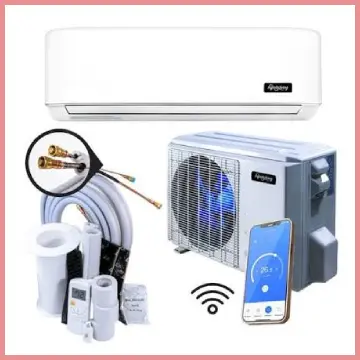
- Manufacturing and brand positioning: Both come from similar overseas factories.
MRCOOL built a stronger independent brand over years. Infinity Living feels more like a house brand from one major retailer.
Support recognition differs when repairs are needed.
- Installation process and tools required: Each ships with pre-charged line sets. You skip vacuum pumps in most cases.
MRCOOL later models added armored cables. Fittings feel slightly more forgiving for first-time users.
- Performance in extreme temperatures: MRCOOL offers more hyper-heating models. They hold output at very low outdoor temps.
Infinity Living handles everyday cooling well. Cold-weather strength stays closer to standard levels.
- Warranty length and support network: MRCOOL gives longer standard coverage on parts.
This lowers long-term risk. Infinity Living starts shorter.
Paid upgrades exist. Support routes mainly through the main seller.
- Pricing and value over time: Infinity Living undercuts on sticker price for similar sizes. The gap narrows with efficiency and service options.
MRCOOL often shows stronger resale and lifespan reports.
- Availability of multi-zone kits: MRCOOL provides wider multi-zone choices. You can expand later with less hassle.
Infinity Living focuses more on single-zone packages. Matching complex layouts takes extra planning.
- Noise and outdoor unit refinement: Later MRCOOL units run quieter under load. Outdoor noise stays lower near living areas. Infinity Living stays acceptable for the price. Refinement levels differ in daily use.
Key Features Of Infinity Living
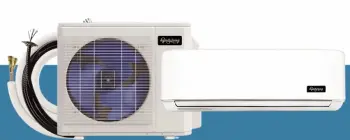
- Pre-charged DIY lineset technology: Lines arrive ready to connect. Quick-connect fittings work for most homeowners.
A single-zone install finishes in a weekend. Specialized HVAC tools stay unnecessary.
- Inverter compressor design: The variable-speed unit adjusts output smoothly. Temperature swings drop compared with older window units.
Energy use stays lower during steady operation.
- Wall-mounted indoor units with basic controls: Compact heads blend into most rooms. Remote controls come standard.
Limited smart options exist. Filter access stays simple for monthly cleaning.
- Heating and cooling in one package: Each system works as a heat pump. Both modes come from the same outdoor unit.
Mild winter climates benefit most. Full furnace upgrades feel less needed.
- Competitive SEER2 ratings for the price: Numbers land in the upper teens to around 20. Monthly electric bills stay reasonable.
Value holds for moderate climate use.
- Straightforward electrical requirements: Most models run on standard circuits. Dedicated lines help in larger setups.
Installation complexity stays low for average homes.
- Compact outdoor unit footprint: The condenser takes limited yard or wall space. Mounting options fit tight properties. Placement stays flexible for many users.
Pros Of Infinity Living
- Lower upfront cost that stretches a tight budget: Similar capacity systems cost less. Savings cover electrical upgrades. Extra insulation becomes affordable. Overall comfort improves without big spending.
- Straightforward DIY path that matches beginner skill levels: Pre-charged lines and clear points help. Basic tools finish the job. First-time installers report fewer major setbacks.
- Adequate efficiency for moderate climates: SEER2 numbers deliver solid savings. Extreme cold or heat waves stay rare. Premium cold-climate hardware stays unnecessary.
- Compact and quiet enough for secondary spaces: Bonus rooms and garages benefit. Indoor footprint stays small. Noise levels work for conversation or sleep.
- Easy filter maintenance that supports long-term performance: Access remains simple. Monthly cleaning keeps airflow strong. Efficiency holds year after year with little effort.
- Quick delivery through main retail channels: Stock availability stays high. Orders process fast in most cases. Project timelines shorten for ready buyers.
- Good fit for workshops and unheated add-ons: Targeted comfort arrives without whole-house changes. Cost stays controlled for occasional use spaces.
Cons Of Infinity Living
- Shorter base warranty that raises long-term risk: One or two years feels thin. Industry norms often run longer. Paid upgrades help. Initial savings partially offset.
- Limited cold-climate performance on standard models: Heating output drops in hard freezes. Supplemental heat becomes common. Colder zones need different choices.
- Smaller support network outside the main retailer: Independent technicians stay harder to find. Warranty claims route through the original seller. Local help takes extra research.
- Fewer advanced smart features: App control lags behind mature options. Scheduling feels basic. Remote management stays limited.
- Less proven long-term track record: The brand is newer. Multi-year reliability data stays thinner. Established DIY lines offer more history.
- Occasional fit and finish variations: Some units show minor panel gaps. Connection points need careful torque. Quality control feels less consistent at times.
- Narrower multi-zone expansion path: Adding heads later requires more planning. Single-zone focus limits future growth. Complex homes face extra steps.
Key Features Of MRCOOL
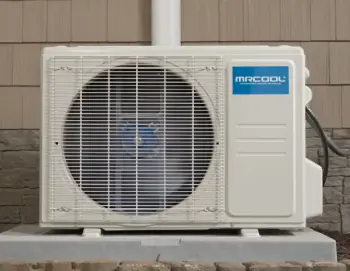
- Generational upgrades including 5th-gen refinements: Newer units improved line-set durability.
Lower-GWP refrigerants appear in recent models.
Outdoor designs run quieter. Cold-weather capacity improved clearly.
- Built-in Wi-Fi and app control on many models: Temperature adjusts from a phone.
Schedules set remotely. Status checks work while away.
App reliability improved over earlier versions.
- Strong low-temperature heating options: Select models hold heat below freezing.
Some reach usable output near -22°F. Northern homes gain primary heat potential. Garages and workshops expand usable range.
- Longer standard warranties on many configurations: Coverage often reaches five or seven years.
Registration unlocks full terms. Protection feels clearer than shorter base plans.
- Wide range of single-zone and multi-zone kits: Sizes start at 9k BTU for bedrooms. Larger multi-head systems cover bigger needs.
Capacity matching stays precise. Expansion happens without brand switches.
- Armored DIYPRO cable on newer units: Electrical hookup simplifies. Protection against damage increases.
First-time installs face fewer wiring worries.
- Improved filter and maintenance access: Indoor units open easily.
Cleaning intervals stay practical. Airflow and efficiency hold longer with regular care.
Pros Of MRCOOL
- Proven DIY reputation built over multiple generations: Thousands of installs give clear insight. Real-world history reduces buyer uncertainty. What works and what fails shows openly.
- Better cold-weather heating on many models: Hyper-heat units produce useful warmth. Temperatures can plunge hard. Primary heat sources expand in demanding climates.
- Stronger warranty terms that protect the investment: Longer coverage periods lower repair risk. Early ownership years stay safer. Unexpected bills drop in likelihood.
- Quieter operation and refined controls: Later generations reduce outdoor noise. Indoor airflow stays smoother. Bedrooms and living areas benefit clearly.
- Flexible sizing and multi-zone options: Capacity matches different rooms precisely. Later expansion happens easily. Brand switches stay unnecessary.
- Improved app reliability in recent models: Connectivity issues dropped. Remote changes work more consistently. Daily control feels practical.
- Solid energy savings in varied conditions: Efficiency holds across seasons. Operating costs stay competitive. Proper sizing unlocks full value.
Cons Of MRCOOL
- Higher purchase price that can strain budgets: Comparable BTU systems cost more. The premium buys refinements. Checkout gap remains real for many.
- Occasional quality variation across production runs: Some owners report early failures. Fit-and-finish issues appear at times. Overall reliability stays acceptable for the category.
- App and connectivity quirks on older units: Earlier Wi-Fi needed updates. Occasional resets frustrated users. Newer models improved this clearly.
- Weight and size of outdoor units that complicate mounting: Larger models need sturdy brackets. Careful placement adds physical effort. DIY installs require extra planning.
- Service network still thinner than traditional HVAC brands: Independent technicians exist. Finding one quickly takes research. Premium nameplates offer faster local help.
- Premium pricing on cold-climate versions: Hyper-heat models raise costs further. Budget buyers feel the difference. Standard models stay more accessible.
- Line set length limits on some kits: Longer runs need careful measurement. Extra fittings add complexity. Layout planning becomes important early.
Real-World Performance And Daily Use
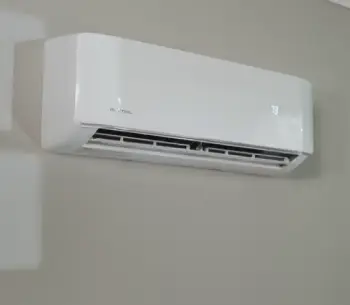
When I ran both systems in similar spaces, the differences became practical rather than theoretical.
Infinity Living cooled a mid-size room quickly and held temperature well during mild weather.
The compressor ramped smoothly and the indoor unit stayed quiet enough for conversation or sleep.
Heating worked fine until outdoor temperatures dropped into the teens, at which point output slowed and the unit worked harder.
MRCOOL units of similar capacity maintained more consistent heat in colder conditions and recovered faster after setbacks.
The app made schedule changes simple when I was away, and the outdoor unit noise stayed lower during high-demand periods.
Energy use tracked closely with the efficiency ratings once both systems were sized correctly for the space.
Installation experience favored both for true DIY work. Quick-connect fittings eliminated the need for gauges or recovery machines in standard setups.
The biggest variables were wall thickness, electrical service, and careful torque on the connections. Rushing those steps caused the few problems I saw reported across owner forums.
Cost Analysis Beyond The Sticker Price
Infinity Living wins on day-one cost for most single-zone setups. A typical 12k or 18k package often lands several hundred dollars lower than a similar MRCOOL unit.
That difference can cover a dedicated electrical circuit. It can also pay for better wall insulation or a second smaller unit for another room.
The lower entry point makes the system easier to justify when the budget is tight.
Over five to seven years the total cost picture starts to shift. Higher average efficiency ratings on many MRCOOL models reduce monthly electric bills.
Longer standard warranties lower the chance of paying out of pocket for parts or compressor issues. In colder climates the stronger low-temperature heating means less reliance on expensive backup heat sources. Those savings add up and can close or even reverse the original price gap.
Both systems avoid the large labor bills that come with professional installs of traditional brands. That single factor keeps total ownership costs competitive even when the equipment prices differ.
Extra expenses still appear in both cases. You may need new breakers, better mounting brackets, or longer line sets for some layouts. These add-ons stay similar for either brand and should be planned early.
Maintenance costs stay low for both if filters are cleaned regularly. Infinity Living may need more attention to connections over time because of its shorter base warranty.
MRCOOL owners often report fewer unexpected service calls in the first several years. Resale value or transferability of remaining warranty can also favor the more established brand when a home is sold.
Which One Fits Different Situations?
Choose Infinity Living when budget is the primary constraint, the climate stays moderate, and the space is a secondary area such as a garage, workshop, or bonus room.
The lower entry price and simple install process deliver usable comfort without stretching finances.
Choose MRCOOL when you need stronger cold-weather performance, longer warranty protection, or more refined controls and multi-zone flexibility. The higher price buys refinements that matter in primary living spaces or demanding climates.
Neither replaces a carefully sized professional system from top-tier brands for whole-house primary heating and cooling in extreme conditions. Both excel as targeted, owner-installed solutions that fill gaps traditional ducted systems leave behind.
Also Read: Comparison Of MRCOOL And Pioneer Mini Split
Frequently Asked Questions (FAQ)
Yes, Carrier Infinity ranks among the premium residential HVAC lines with advanced controls and high efficiency ratings.
Yes, they deliver solid performance and easy DIY installation for the price, especially in milder to moderate climates.
Avoid the cheapest no-name imports with unclear warranties and no service support, as parts and repairs become difficult.
Newer generations added better refrigerants, cold-weather capability, and refined components that raise manufacturing and material costs.
Final Thoughts
After weighing features, costs, and real ownership experiences, I see clear paths for each brand.
Infinity Living gives you capable DIY comfort at a lower entry point when your needs stay modest.
MRCOOL asks for more money up front yet returns stronger cold-weather performance, longer coverage, and a more established track record.
Measure your climate, budget, and how critical the space is, then match the system to those realities.
You will end up with reliable temperature control either way if you size the unit correctly and follow the install steps carefully.
Recent Posts
I spent months comparing budget options against established names after my last set of tires wore out sooner than expected.My goal here is to share what I learned from putting Dextero and...
AquaTru Carafe Vs. Classic: Which Is Actually Fits Your Kitchen?
I decided to write this comparison after months of testing both the AquaTru Carafe and the Classic in my own kitchen. Tracking covered daily use.Taste stayed consistent. Refill frequency...