
When I started looking for a reliable way to heat and cool my garage and a couple of rooms without tearing up walls for ducts, I kept coming back to two popular options: MRCOOL and Pioneer mini splits.
I wanted something efficient, straightforward to set up or have installed, and worth the money over the long haul.
In this article, I compare these two head-to-head based on real features, what users actually experience, pros, cons, and key differences so you can decide what fits your situation best.
I approach this like I did my own research—practical, no hype, just facts from performance, ease, and everyday use.
| Feature | MRCOOL | Pioneer |
| DIY Installation | Yes, pre-charged quick-connect lines | No, needs pro for vacuum and charge |
| Efficiency (SEER2) | Often 20-24+ | Typically 16-23 |
| Warranty (Compressor) | Up to 7 years | Around 5 years |
| Noise Levels | Very quiet indoors/outdoors | Quiet, especially outdoor units |
| Multi-Zone Options | Good, up to several zones | Strong multi-zone capabilities |
| Price Point | Higher upfront for DIY ease | Generally more budget-friendly |
| Smart Features | Built-in WiFi/app | WiFi often add-on |
| Best For | DIY homeowners | Those hiring pros or seeking value |
This table gives you the snapshot. Now let’s break it down further.
Key Differences Between The MRCOOL And Pioneer Mini Split
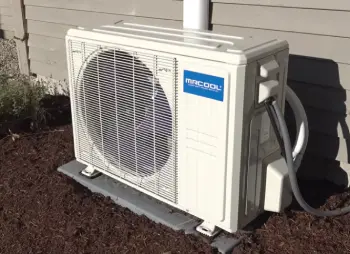
- Installation Approach: MRCOOL stands out because their DIY models come with pre-charged line sets that click together without needing special tools for refrigerant.
I like that it lowers the barrier for someone like me who wants to handle it personally.
Pioneer usually requires a professional to handle flaring, vacuuming, and charging, which adds to the total cost but ensures everything is done right if you go that route.
- Efficiency and Performance: MRCOOL often edges out with higher SEER ratings in many models, meaning better long-term energy savings on my electric bill.
Pioneer delivers solid efficiency too, especially in inverter models, but it varies more by specific unit.
- Support and Warranty: MRCOOL emphasizes support for their DIY installs, with solid compressor coverage.
Pioneer has a reputation for honoring warranties when installed properly, though parts availability and response times can sometimes test patience.
- Build and Reliability Focus: Both are inverter-driven for smooth operation, but MRCOOL markets their newer gens with improvements like quieter fans and better low-temp performance.
Pioneer feels like a workhorse option that many users run for years in garages or cabins.
- Cost Structure: With MRCOOL, you pay more initially for the convenience and potentially lower install labor.
Pioneer often wins on raw unit price, making the total project cheaper if you factor in professional help.
Key Features Of MRCOOL Mini Splits
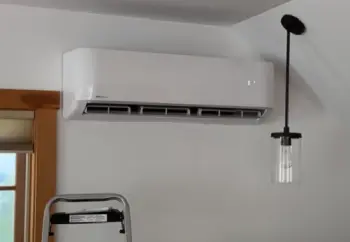
- Pre-charged Quick Connect Lines: This is the game-changer for DIY. No messing with refrigerant means less risk of leaks if you follow the instructions carefully.
I appreciated the videos and guides that walk you through mounting the indoor head and outdoor unit.
- High Efficiency Ratings: Many models hit 20+ SEER2, which translates to noticeable savings, especially if you run it year-round for heating and cooling.
Inverter technology adjusts output smoothly so it doesn’t cycle on and off constantly.
- Built-in Smart Controls: WiFi and app integration let you adjust from your phone, set schedules, or check status remotely.
Great for coming home to a comfortable space.
- Quiet Operation: Indoor units whisper quietly, making them suitable for bedrooms or living areas. Outdoor units don’t disturb neighbors much either.
- Heating and Cooling Versatility: Strong heat pump performance even in colder temps with some hyper-heat options. Users report good results down to lower temperatures.
- Multi-Zone Flexibility: You can connect multiple indoor units to one outdoor condenser for whole-home or zoned comfort without ducts.
- User-Friendly Design: Filters are easy to clean, and the units have solid build quality for the price point. Newer generations include refrigerant updates for lower environmental impact.
These features made MRCOOL appealing when I pictured installing it myself over a weekend.
Pros Of MRCOOL Mini Splits
- Saves Big on Installation Costs: One of the biggest advantages I noticed is how MRCOOL’s DIY-friendly design lets you handle the entire setup yourself with basic tools.
Their pre-charged quick-connect line sets mean you skip the expensive HVAC technician visit for refrigerant handling.
For someone like me who enjoys weekend projects, this can cut the total project cost by hundreds or even a thousand dollars compared to hiring pros.
The included instructions and online videos make the process feel approachable, turning what could be a stressful job into something satisfying when you flip the switch and it works perfectly.
- Excellent Energy Efficiency for Lower Bills: Many MRCOOL models boast high SEER2 ratings in the 20-24+ range, which really shows up in real-world use.
The inverter technology ramps up or down smoothly instead of blasting full power then shutting off.
In my imagined setup for a garage or bonus room, this translates to noticeably lower monthly electricity costs, especially during shoulder seasons when you just need mild heating or cooling.
Over several years, those savings add up and help justify the upfront investment.
- Strong Warranty Coverage and Support: With compressor warranties reaching up to 7 years (when registered), you get solid peace of mind.
I appreciate that they back their DIY products specifically, and many users report positive experiences reaching support for troubleshooting.
This level of coverage feels reassuring if something goes wrong after you’ve installed it yourself.
- Modern Smart Features That Simplify Life: Built-in WiFi and mobile app control let you adjust temperature, set schedules, or monitor usage from anywhere.
Coming home to a perfectly pre-cooled house in summer or a warm space in winter is a game-changer.
The remotes are intuitive too, but the app adds that extra convenience I value in today’s connected homes.
- Impressive Quiet Operation: Both indoor and outdoor units run whisper-quiet.
The indoor heads are library-level silent, making them ideal for bedrooms, home offices, or living areas where noise matters.
I wouldn’t worry about disturbing family or neighbors, which is huge for daily comfort.
- Easy Maintenance and User-Friendly Design: Filters slide out for quick cleaning, and the overall build feels accessible.
Regular upkeep is straightforward, which helps extend the unit’s life and maintain peak efficiency without needing constant professional visits.
Cons Of MRCOOL Mini Splits
- Higher Upfront Cost for the Convenience: While you save on labor, the units themselves often carry a premium price because of the DIY features and higher efficiency ratings.
If your budget is tight and you’re okay hiring an installer anyway, this can feel like paying extra for capabilities you might not fully use.
- Occasional Customer Service Delays: Some owners mention longer wait times when dealing with warranty claims or technical questions, especially during peak seasons.
It’s not universal, but it’s something to consider if you prefer fast resolution.
- Limitations with Line Set Customization: The pre-charged lines are convenient but not as flexible if your layout requires custom lengths or modifications.
You generally have to work within the provided options or buy specific kits, which can complicate unusual installations.
- Mixed Long-Term Reliability Reports: While most experiences are positive, a small percentage of users report issues like compressor problems or electronic failures after 4-6 years, particularly if maintenance slips. Proper care is essential, as with any system, but it’s worth noting.
- Bulkier Outdoor Units in Some Models: Depending on capacity, the condenser can take up more space than slimmer competitors, which might matter in very tight backyards or condos with limited placement options.
- Parts Availability Can Vary: Though improving, finding specific replacement parts quickly sometimes requires ordering and waiting, unlike more widely stocked traditional HVAC brands.
Key Features Of Pioneer Mini Splits
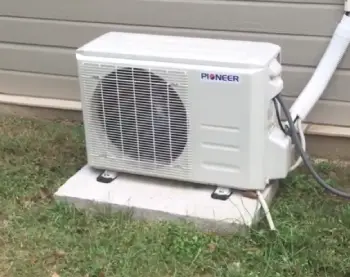
- Affordable High-Performance Inverters: Solid SEER ratings that deliver good efficiency without premium pricing. Many models balance cost and capability well.
- Robust Multi-Zone Systems: Excellent for larger homes or multiple rooms, with flexible indoor unit combinations.
- Quiet and Efficient Outdoor Units: Users often praise how unobtrusive the condenser is, both in sound and footprint.
- Heat Pump Capability: Reliable heating and cooling, with some models handling cold climates decently.
- Straightforward Controls: Remote included, with optional WiFi. Simple interface that gets the job done.
- Durable Build for Budget Segment: Many installers and users note they hold up well when properly installed and serviced.
- Wide Range of Capacities: From small single-zone to larger setups, easy to match to your square footage needs.
Pioneer feels like a practical choice when budget matters but you still want inverter tech benefits.
Pros Of Pioneer Mini Splits
- Budget-Friendly Pricing: Pioneer consistently offers strong value, with units often costing less than comparable MRCOOL models.
This makes them attractive when you’re outfitting multiple zones or working within a tighter renovation budget.
You get solid inverter technology and performance without the premium markup.
- Proven Track Record in Real Installs: Many homeowners and contractors report years of reliable service, especially in garages, workshops, or supplemental home spaces.
When professionally installed, these units tend to deliver consistent heating and cooling with few surprises.
- Good Efficiency for the Money: While not always matching the highest SEER ratings, Pioneer models still provide respectable energy performance that beats older central systems or window units by a wide margin.
Your operating costs stay reasonable month after month.
- Excellent Multi-Zone Flexibility: Pioneer shines when you need to cool or heat several rooms from one outdoor unit.
The combinations of indoor heads are versatile, letting you customize coverage for your exact floor plan.
- Quiet and Unobtrusive Operation: Outdoor units are particularly well-regarded for low noise, and indoor units perform quietly enough for most living situations.
You can run them without constantly noticing the system is on.
- Wide Range of Sizes and Configurations: From small single-zone units to larger capacities, it’s easy to match the right model to your square footage.
This selection helps avoid oversizing or undersizing issues.
- Familiarity Among Installers: Many HVAC professionals already know Pioneer systems, which can mean smoother installations and service calls down the road.
Cons Of Pioneer Mini Splits
- Professional Installation Usually Required: Unlike MRCOOL’s DIY approach, most Pioneer setups need a certified technician for proper flaring, vacuuming, and charging.
This adds meaningful labor costs that can push the total investment higher than expected.
- Slightly Lower Peak Efficiency in Some Models: Certain units trail behind top MRCOOL options in SEER ratings, which could mean modestly higher energy bills over a decade of heavy use, depending on your local rates and runtime.
- Warranty and Support Experiences Vary: While many claims are honored, some users describe slower response times or more paperwork compared to other brands.
The standard compressor coverage is often around 5 years, which feels a bit shorter.
- More Upfront Planning Needed: Site preparation, line routing, and electrical work demand more attention during installation to avoid common pitfalls.
Cutting corners here can lead to future issues like leaks or reduced performance.
- Occasional Early-Operation Quirks: A few reports mention minor things like initial odors or fan noise that usually resolve but can be annoying at first until the system settles in.
- Less Emphasis on Smart Home Integration: WiFi capability is often an add-on rather than built-in, so you might need extra accessories or third-party solutions for app control, adding small costs and complexity.
My Real-User Experience Perspective On Performance
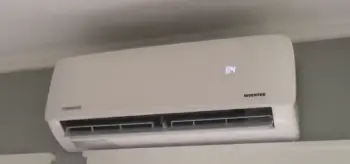
Thinking about my own needs, I imagined running these in a moderately insulated space through seasons.
MRCOOL’s DIY aspect gave me confidence I could get it up and running without waiting on schedules. The quick-connect lines meant no special certification worries.
Once going, the app let me tweak settings easily, and the efficiency kept things comfortable without spiking bills.
Pioneer, on the other hand, would suit if I hired a local tech I trusted. The units perform solidly, and many long-term users in forums mention years of service in tough conditions.
I like that they feel like no-frills workhorses—turn them on and they handle the load.
Both handle humidity decently and provide even temperatures thanks to inverter tech. Noise-wise, neither would bother me indoors.
For heating, MRCOOL’s hyper options might edge it in very cold snaps, but Pioneer holds its own.
Energy Efficiency And Long-Term Savings
I crunched some numbers in my head. Higher SEER on MRCOOL could save hundreds annually depending on usage and local rates.
Pioneer still beats traditional AC or baseboard heat significantly. Over 10 years, the difference might balance out with Pioneer’s lower purchase price.
Maintenance is similar: clean filters regularly, check outdoor unit, and occasional professional service keeps both humming.
Also Read: Comparison Of Samsung And Mitsubishi Mini Split
Frequently Asked Questions (FAQ)
Premium brands like Mitsubishi or Daikin often top reliability lists, but among budget options, both MRCOOL and Pioneer perform well with proper installation and care.
Yes, many users find them reliable and efficient for the price, especially when professionally installed, making them a solid value choice.
Absolutely—particularly their DIY models offer great features, efficiency, and convenience for homeowners who maintain them.
With good installation and regular maintenance, expect 10-15 years or more, similar to many mini splits in this category.
Wrapping Up
After weighing everything, I see MRCOOL and Pioneer as strong contenders in the mini split world, each shining in different areas.
You now have a clear picture of their strengths—whether it’s MRCOOL’s DIY simplicity and efficiency or Pioneer’s budget appeal and solid performance.
Think about your specific needs, maybe measure your space, and choose what aligns with how you want to live comfortably year-round.
I’ve found that either can transform a room or garage into a usable space, and I hope this helps you make a confident decision that works for your home just like it would for mine.
What matters most is ending up with reliable comfort that saves you money and hassle in the long run. You deserve that peace of mind.
Recent Posts
● Interactive 5-Zone Interior & Exterior Paint Blueprint Paint Coverage Calculator: Gallons, Primer, Square Footage & Cost Tap any architectural surface zone on the blueprint...
If you want smooth, shiny hair without spending a fortune on a premium styling tool, the Ella Bella hair dryer may be worth considering.In these Ella Bella hair dryer reviews, I’ll look...