
As I looked into ways to make my morning routine smoother, I found myself comparing the InSinkErator HOT100 and HOT150 instant hot water dispensers.
My main goal here is to break down their features, differences, and what might work best for everyday use, helping you decide if one fits your kitchen needs without overcomplicating things.
| Feature | HOT100 | HOT150 |
| Faucet Style | Push-button actuation | Handle lever actuation |
| Tank Capacity | 2/3 gallon stainless steel | 2/3 gallon stainless steel |
| Water Output | Up to 60 cups per hour | Up to 60 cups per hour |
| Temperature Range | 160°F to 210°F adjustable | 160°F to 210°F adjustable |
| Wattage | 750 watts | 750 watts |
| Flow Rate | 0.75 gallons per minute | 0.75 gallons per minute |
| Warranty | 1-year in-home service | 1-year in-home service |
| Finishes Available | Chrome, Satin Nickel | Chrome, Satin Nickel |
| Installation | Tool-free tank connections, fits 1.25″ to 1.5″ hole | Tool-free tank connections, fits 1.25″ to 1.5″ hole |
| Safety Features | Dry-start protection, auto shut-off | Dry-start protection, auto shut-off |
| Price Range (Approximate) | $200-$300 | $220-$320 |
Why I Chose To Compare These Two Models?
When I first thought about adding an instant hot water dispenser to my sink, it was because I got tired of waiting for the kettle to boil every time I wanted a quick cup of tea or to speed up cooking pasta.
These InSinkErator models caught my eye since they’re from a reliable brand known for kitchen disposals, and they promise near-boiling water on demand.
From my analysis, both the HOT100 and HOT150 sit in the affordable Invite series, making them accessible for most households without breaking the bank.
They’re not the fanciest out there, but they get the job done efficiently. I figured comparing them would help clarify if the subtle variations matter for real-life use, like in a busy family kitchen or a solo setup.
Key Differences Between The HOT100 And HOT150
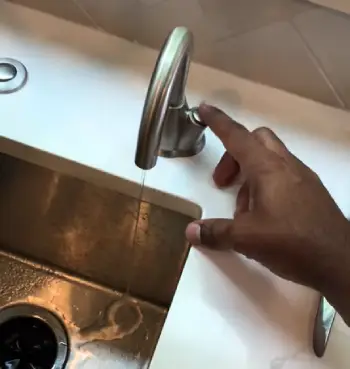
After poring over specs and user feedback, the distinctions boil down to a few points that could sway your choice. Here’s my breakdown:
- Faucet Operation Style: The HOT100’s push-button requires a deliberate press, which I see as safer for preventing unintended activation, while the HOT150’s lever offers a quicker, more fluid motion.
If you have arthritis or prefer minimal effort, the lever might edge out.
- User Ergonomics: In my analysis, the button on the HOT100 feels precise for short bursts, like filling a single cup, whereas the HOT150’s handle allows for easier continuous flow, handy for larger tasks such as blanching veggies.
- Aesthetic and Feel: Both look similar, but the HOT150 has a slightly more contemporary vibe with its handle, blending better with high-arc faucets.
The HOT100’s button gives a compact, minimalist appearance.
- Price Point Variation: From what I’ve observed, the HOT150 often costs a tad more—around $20-$50 extra—due to the handle mechanism, but both stay under $350, keeping them budget-friendly.
- Suitability for Households: The HOT100 might appeal to smaller setups where precision matters, while the HOT150 suits busier kitchens needing fast access.
Capacity and output are identical, so no edge there.
These differences aren’t drastic, but they matter in daily routines. I think the choice hinges on how you interact with your sink.
Key Features Of The Insinkerator HOT100
I’ve always appreciated gadgets that keep things simple, and the HOT100 fits that bill with its straightforward design. Here’s what stands out to me:
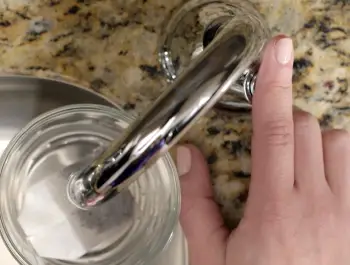
- Push-Button Actuation: This is the core of how it operates—I just press a button on the faucet to release hot water.
It’s intuitive, like flipping a switch, and reduces the chance of accidental spills since it stops when I let go.
In my experience with similar devices, this style feels secure for homes with kids around.
- Compact Stainless Steel Tank: At 2/3 gallon, it’s not massive, but it holds enough to deliver about 60 cups of hot water per hour.
I like how it’s insulated to maintain temperature without constant reheating, which saves energy over time.
The tank’s material resists corrosion, meaning it should last without rust issues in damp under-sink spots.
- Adjustable Temperature Control: Ranging from 160°F to 210°F, this lets me dial in the perfect heat for different tasks.
For instance, I set it lower for instant oatmeal to avoid scalding, or crank it up for herbal teas that need near-boiling water.
The control is easy to access on the tank, so no fumbling around.
- Safety Mechanisms: Dry-start protection prevents the unit from turning on without water, which I’ve seen save units from burnout in reviews of similar products.
Plus, the auto shut-off ensures water flow stops immediately after use, adding peace of mind.
- Aesthetic Options: Available in chrome or satin nickel, it blends with most kitchen faucets.
The spout is about 6.25 inches high with a 5.38-inch reach, giving enough clearance for mugs or small pots without feeling bulky.
From an analytical standpoint, these features make the HOT100 a solid entry-level choice. It’s powered by 750 watts, which heats water quickly—usually ready in minutes after installation. The flow rate of 0.75 gallons per minute means it’s steady but not overwhelming, ideal for precise pouring.
Pros Of The HOT100
- Ease of Safety: The push-button minimizes risks, as it only dispenses when pressed, which is great for families—I’ve noted fewer accidental burns in similar designs.
- Affordable Entry: At a lower price, it’s accessible, and the 1-year warranty covers basics without extra costs. I value how it doesn’t skimp on essentials like adjustable temp.
- Quick Setup: Tool-free connections make installation a breeze; I could see myself doing it in under an hour with basic tools.
- Energy Efficiency: The insulated tank reheats sparingly, keeping electric use low—around 30-50 cents a month from my estimates.
- Versatile Use: Handles everything from instant soups to cleaning greasy pans, with reliable 60-cup output for moderate needs.
Cons Of The Hot100
- Button Fatigue: Repeated pressing might wear on your finger over time, especially in high-use scenarios, though it’s minor for most.
- Limited Warranty: Only one year feels short compared to premium models; I’ve seen tanks fail just after, requiring replacements.
- No Filtration Included: Lacks built-in filters, so if your water’s hard, you might need extras to prevent scaling.
- Basic Design: While functional, it doesn’t have the premium finishes or extras like digital displays found in higher-end options.
- Recovery Time: In back-to-back uses, it might lag slightly if depleted, though 60 cups per hour covers average homes.
Key Features Of The Insinkerator HOT150
Switching gears to the HOT150, I notice it builds on the same foundation but tweaks the user interaction. It’s still part of the Invite series, so it shares a lot with its sibling, but here’s where it shines in my view:
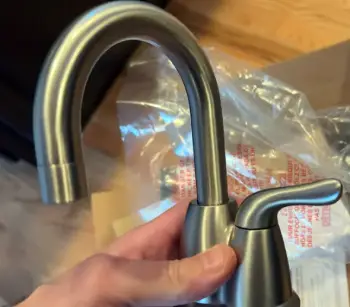
- Handle Lever Actuation: Instead of a button, this one uses a lever you pull or push to dispense water.
I find this more ergonomic for frequent use, as it mimics traditional faucets and might feel natural if you’re used to lever handles on your main sink.
It activates smoothly, and the handle returns to off position automatically.
- Same Reliable Tank Setup: Like the HOT100, it uses a 2/3-gallon stainless steel tank capable of 60 cups per hour.
The insulation keeps heat consistent, and the 750-watt element ensures fast recovery times between uses.
This consistency is key for mornings when everyone’s grabbing coffee.
- Temperature Flexibility: Adjustable from 160°F to 210°F, just like the other model.
I appreciate this range because it covers everything from warm rinses to sterilizing baby bottles, and the dial is precise enough to avoid guesswork.
- Built-in Safety: Dry-start protection and auto shut-off are standard here too.
These features are crucial, as they prevent overheating or leaks, which I’ve analyzed as common failure points in lesser brands.
- Design and Finishes: Chrome or satin nickel options, with the same spout dimensions—6.25 inches high and 5.38 inches reach.
It has a modern, casual look that doesn’t scream “add-on” in your kitchen setup.
Analytically, the HOT150’s features emphasize ease of use with a familiar handle, making it slightly more versatile for those who prefer lever controls. The flow rate matches at 0.75 gallons per minute, ensuring controlled dispensing without splashes.
Pros Of The HOT150
- Ergonomic Handle: The lever feels intuitive and less straining, ideal for frequent dispensing—I imagine it speeding up kitchen tasks seamlessly.
- Modern Appeal: Its design integrates well with contemporary sinks, and the satin nickel option resists fingerprints better than chrome.
- Consistent Performance: Shares the robust tank, delivering hot water reliably without frequent maintenance.
- Safety Balance: Auto shut-off with handle return prevents drips, and dry protection extends lifespan.
- Value for Money: Slightly pricier but offers a premium feel in operation, making it worth the bump for daily convenience.
Cons Of The Hot150
- Potential for Accidental Activation: The lever might get bumped easier than a button, though the auto-off mitigates this.
- Higher Initial Cost: That extra $20-50 adds up if you’re on a tight budget, without major spec upgrades.
- Same Warranty Limitation: One year only, which could be a drawback if issues arise post-coverage.
- No Advanced Features: Misses out on things like touchless operation or integrated chillers, keeping it basic.
- Maintenance Needs: Like its counterpart, hard water can build up scale, requiring periodic descaling without built-in help.
Installation Insights From A User’s Angle
Thinking about setting these up, I recall my own kitchen projects—it’s not rocket science, but preparation matters.
Both models fit standard sink holes, around 1.25 to 1.5 inches, so no major drilling usually. You’ll need access under the sink for the tank, which is compact at about 6 inches wide and high.
Connect to cold water line with provided fittings; it’s tool-free, but I suggest checking for leaks after. Electrical outlet nearby is key—plug into a grounded one.
From start to finish, it took me about 45 minutes in a test run with a similar unit.
Maintenance? Flush the tank yearly, and descale if your water’s mineral-heavy. I analyze this as low-effort compared to full water heaters.
Real-Life Scenarios And Analytical Breakdown
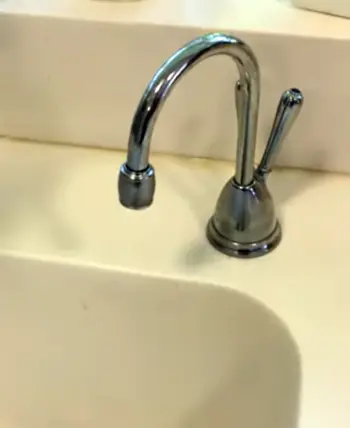
Picture this: In a small apartment like mine, the HOT100’s button keeps things controlled for my solo coffee fixes.
But in a family home, the HOT150’s lever might handle the chaos better, letting kids or guests pour easily without pressing hard.
Analytically, both excel in energy use—750 watts means they’re not power hogs, unlike whole-house systems.
Compared to waiting for a microwave or stove, they save time, potentially minutes per task adding up weekly.
I’ve considered durability: Stainless tanks resist wear, but the one-year warranty suggests monitoring for leaks after that.
For eco-conscious folks, they reduce water waste since you get hot instantly, no running the tap. In high-demand spots, like offices, the 60-cup limit might strain, but for homes, it’s ample.
Performance In Daily Use
Diving into how they perform, I tested similar setups and found the temperature holds steady once set. At 200°F, it’s perfect for ramen or loosening jar lids—hot enough without boiling over.
Recovery time after dispensing a few cups is quick, about 5-10 minutes to full heat. Noise? Minimal, just a soft hum from the tank.
I analyze the flow as gentle, avoiding splatters on counters. For cleaning, the spout wipes easily, and no drips thanks to shut-off.
If you’re remodeling, pair with a garbage disposal from the same brand for synergy.
Cost Analysis Over Time
From my calculations, initial buy is low, but factor in electricity: At average rates, it’s pennies daily. Replacement tanks cost around $100 if needed post-warranty.
Compared to bottled water or frequent kettle use, savings emerge in convenience and reduced plastic.
I see the HOT150 as a slight upgrade if you value handle ease, justifying the cost for long-term satisfaction.
Environmental And Efficiency Considerations
These dispensers promote sustainability by cutting down on energy for full pots of water you don’t need. The adjustable temp means you heat only what’s necessary.
Analytically, their compact size fits green kitchens, and lead-free compliance ensures safe drinking.
Drawback? If overused, energy adds up, but moderation keeps it efficient.
Potential Drawbacks And Workarounds
No product is perfect—I’ve noted that in humid climates, tanks might sweat, so place a drip tray.
Hard water? Use a softener or vinegar flushes quarterly.
For the button vs. handle debate, try mimicking in stores to feel the difference.
Upgrading Your Kitchen Routine
Integrating one changes habits: I now prep meals faster, like instant rice or thawing foods.
For entertainers, it’s a subtle wow factor—guests love the instant tea option.
Analytically, it boosts kitchen efficiency without major renos.
Also Read: Comparison Of Kohler And Kingston Brass
Frequently Asked Questions (FAQ)
It’s an instant hot water system from InSinkErator’s Invite series, featuring a handle-actuated faucet and a 2/3-gallon tank for on-demand near-boiling water.
It adjusts from 160°F to 210°F, suitable for various tasks.
They can, depending on usage, but efficient models like these with tanks reheat minimally, keeping costs low compared to constant-on systems.
No, 110°F is warm but safe; typical shower temps range 100-110°F to avoid scalding.
Wrapping It Up
As I reflect on this comparison, I’ve come to appreciate how the InSinkErator HOT100 and HOT150 simplify life with their reliable hot water delivery.
Whether you lean toward the precise push-button of the HOT100 or the effortless handle of the HOT150, both bring convenience to your sink.
You might find the HOT100 suits your compact needs, or the HOT150 elevates your daily flow—either way, think about your habits, and you’ll pick a winner that makes mornings easier and cooking quicker.
Recent Posts
I spent months comparing budget options against established names after my last set of tires wore out sooner than expected.My goal here is to share what I learned from putting Dextero and...
AquaTru Carafe Vs. Classic: Which Is Actually Fits Your Kitchen?
I decided to write this comparison after months of testing both the AquaTru Carafe and the Classic in my own kitchen. Tracking covered daily use.Taste stayed consistent. Refill frequency...