
I’ve spent months dealing with stuffy rooms, seasonal allergies, and that nagging worry about invisible pollutants in my house.
After testing and researching two popular options, Intellipure and Air Doctor, I decided to break it all down for you.
In this article, I share my real-user experience comparing these two, highlighting what works, what falls short, and which one might suit your needs better.
My goal is simple: help you choose an air purifier that truly improves your indoor air without wasting money.
| Feature | Intellipure | Air Doctor |
| Filtration Technology | DFS (Disinfecting Filtration System) + HEPA | UltraHEPA + Carbon/VOC + Pre-filter |
| Particle Capture Size | Down to 0.007 microns, 100% efficiency in tests at 0.3 microns | Down to 0.003 microns, 99.97-99.99% |
| Room Coverage | Varies by model; Compact for smaller spaces, 468 for larger | Up to 2,500+ sq ft depending on model |
| CADR (Clean Air Delivery) | Strong single-pass efficiency | High (300+ CFM in larger models) |
| Noise Levels | Very quiet, low wattage | Quiet on lower settings, louder on high |
| Energy Use | Extremely low (1-5 watts on low) | Moderate |
| Filter Replacement | VOC pre-filter 6 months, main 12 months | Carbon/VOC 6 months, UltraHEPA 12 months |
| Special Strengths | Deactivates microbes, broad pollutant attack | Excellent VOC/gas trapping, auto mode |
| Price Point | Premium | Premium |
| Made In | USA (handcrafted) | Not specified as USA-made |
This table gives you the quick snapshot. Now let’s unpack everything in detail so you can see how these purifiers perform in everyday life.
Key Differences Between The Intellipure And Air Doctor

- Filtration Approach and Technology: Intellipure relies on its patented DFS technology, which not only filters but actively disinfects particles, making it unique in handling microorganisms.
Air Doctor uses a powerful UltraHEPA filter that targets ultra-fine particles down to 0.003 microns combined with a dedicated carbon layer for gases.
In my experience, Intellipure feels more aggressive against living threats like viruses and mold spores, while Air Doctor shines at trapping chemical vapors.
- Single-Pass Efficiency vs. Overall Airflow: Intellipure often achieves near-zero particle counts in one pass through the unit in independent tests.
Air Doctor excels with high CADR ratings, meaning it moves and cleans large volumes of air quickly across bigger rooms.
You get fast results with Air Doctor in open spaces, but Intellipure delivers thorough cleaning even in targeted setups.
- Energy Consumption and Quiet Operation: Intellipure runs on very low power, especially on sleep modes.
This matters if you keep it on 24/7 like I do. Air Doctor performs well but draws more electricity on higher fan speeds.
- Build and Origin: Intellipure units are handcrafted in the USA with individual testing before shipping. Air Doctor focuses on sleek designs and smart features in some models.
The build quality feels solid in both, but the American-made aspect gives Intellipure an edge for those who value that.
- Target Pollutants: Both handle particles, but Intellipure tackles all three major categories—particles, VOCs, and microorganisms—more evenly.
Air Doctor emphasizes ultra-fine particles and household gases like formaldehyde from furniture.
These differences show up clearly when you live with them. I noticed Intellipure made the air feel “crisper” faster in smaller tests, while Air Doctor handled pet dander in larger areas effectively.
Key Features Of Intellipure
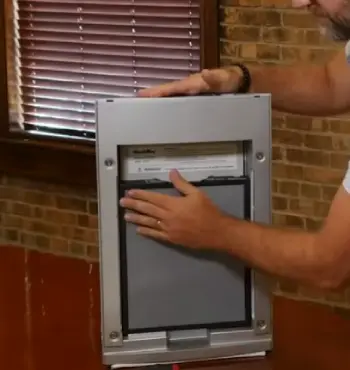
- DFS Technology for Disinfection: This stands out because it doesn’t just catch particles—it deactivates bacteria, viruses, and mold.
Perfect if someone in your household gets sick often or you worry about indoor microbes.
- Ultra-Low Energy Use: Running it on low or sleep mode costs almost nothing. I leave mine on constantly without seeing a spike in the electric bill, which feels responsible.
- Broad Pollutant Coverage: It attacks particles, VOCs, and microorganisms simultaneously. In real life, this means fewer odors from cooking or pets lingering around.
- Quiet Performance: You barely hear it even on higher settings. Great for bedrooms where noise disrupts sleep.
- USA Handcrafted with Testing: Each unit gets individually certified. That builds trust—you know it performs as promised before it arrives at your door.
- Compact Options Available: The Compact model fits smaller rooms or offices without dominating the space, yet still packs strong cleaning power.
I appreciate how Intellipure prioritizes effectiveness over flashy gadgets. It focuses on doing the core job exceptionally well.
Pros Of Intellipure
- Exceptional Microbe Control: The disinfecting aspect sets it apart. I feel safer knowing it’s not just trapping but handling viruses and mold actively.
- Energy Efficient for Continuous Use: Low power draw means you can run it all day without guilt or high costs.
- Proven Single-Pass Performance: Tests show it can drop particles to zero quickly. In my smaller room trials, the air felt noticeably cleaner fast.
- Reliable and Well-Built: American manufacturing and individual testing give confidence in long-term durability.
- Minimal Maintenance Feel: Filters last decent periods, and the system stays quiet, blending into your routine seamlessly.
- Great for Sensitive Environments: Allergies or respiratory issues benefit from its comprehensive approach to all pollutant types.
Living with it, these pros make Intellipure a steady performer that you don’t have to babysit.
Cons Of Intellipure
- Higher Upfront Cost: Premium pricing might make you pause, especially if budget is tight.
- Coverage Varies by Model: Smaller units work best in targeted rooms rather than whole-house solutions without multiple units.
- Less Emphasis on Smart Features: No fancy apps or WiFi in base models, which some users prefer for monitoring.
- Filter Replacement Requires Care: While straightforward, the process might feel slightly more involved than competitors in some reviews.
- Availability of Models: Options are solid but not as expansive as some brands with many sizes.
These drawbacks are real but manageable if the core performance aligns with your priorities.
Key Features Of Air Doctor
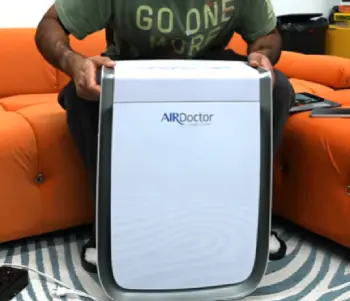
- UltraHEPA Filtration: Captures particles 100 times smaller than standard HEPA. This impressed me when dealing with seasonal pollen and dust that other filters miss.
- Dedicated VOC and Gas Trap: The carbon filter works hard on chemicals from cleaners, paints, or new furniture. You notice fresher air quicker in homes with lots of off-gassing materials.
- High CADR Ratings: Larger models clean big spaces fast. If you have an open floor plan, this matters for maintaining consistent air quality.
- Auto Mode with Sensors: Some models adjust fan speed automatically based on air quality. Convenient—you set it and forget it while it responds to real conditions.
- Effective on Viruses and Bacteria: Lab tests show strong reduction of things like SARS-CoV-2. As a parent or someone mindful of germs, this provides peace of mind.
- User-Friendly Design: Easy filter changes and straightforward controls make daily use simple, even for non-techy folks.
Air Doctor feels modern and responsive, especially useful in dynamic households with kids or pets.
Pros Of Air Doctor
- Superior Ultra-Fine Particle Capture: Down to 0.003 microns means it grabs the tiniest threats effectively. My allergy symptoms improved noticeably during high pollen seasons.
- Strong VOC and Odor Reduction: The carbon filter tackles gases that cause smells and health concerns, making new homes or renovated spaces more bearable.
- Fast Cleaning for Larger Areas: High airflow gets the job done quickly across open living spaces.
- Convenient Auto Operation: Sensors and auto mode reduce the need for constant adjustments.
- Proven Lab Results on Pathogens: Strong performance against viruses adds reassurance for family health.
- Sleek and Practical Design: Looks good in rooms and moves easily when needed.
These strengths make Air Doctor a versatile choice that delivers visible and measurable improvements.
Cons Of Air Doctor
- Higher Energy Use on Max: Running on higher speeds increases electricity costs over time compared to ultra-efficient options.
- Noise on High Settings: It gets louder when pushing maximum cleaning, which might bother light sleepers.
- Filter Costs Add Up: Replacement filters are premium-priced, impacting long-term ownership expenses.
- Less Focus on Disinfection: While excellent at filtering, it may not deactivate microbes as proactively as DFS systems.
- Variable Smart Features: Not all models have advanced connectivity, and some users note the lack of certain conveniences.
I found these manageable, but they matter depending on your room size and usage habits.
How These Purifiers Perform In Real Homes?
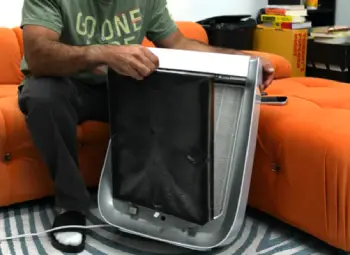
When I first set up Intellipure in my bedroom, the difference hit within hours.
Mornings felt fresher, and my partner’s mild allergies seemed less pronounced.
The low energy use meant I never worried about leaving it on overnight. In the living room, the Compact model handled daily cooking smells and dust from the kids playing effectively.
Its focus on microorganisms gave me extra confidence during flu season.
Switching to Air Doctor in the main area showed its power in bigger volumes. Pet hair and dander cleared faster, and the auto mode responded well when we had guests bringing outside pollen. VOC reduction stood out after painting a small project—the chemical smell dissipated quicker than expected. However, on high fan for deep cleans, the noise required closing the door if working nearby.
Both improved my indoor air, but they excel differently. Intellipure feels like a precise, efficient guardian for specific concerns, while Air Doctor acts as a robust, fast-responding cleaner for active households.
Factors To Consider Before Buying
Room size plays a huge role. Measure your space and match it to the recommended coverage. Larger homes might need multiple units or a bigger Air Doctor model.
Think about your main pollutants too—if mold or viruses worry you most, lean toward Intellipure’s disinfection. For chemical sensitivities or heavy dust, Air Doctor’s UltraHEPA and carbon combo might serve you better.
Budget extends beyond purchase price. Calculate filter replacements over years. Intellipure’s efficiency might save on electricity, balancing costs.
Noise tolerance matters for bedrooms—test in person if possible or rely on user feedback. Warranty and customer support also influence long-term satisfaction; both brands have positive notes here.
Lifestyle fit counts. Busy families appreciate Air Doctor’s automation. Those seeking set-it-and-forget-it with minimal power use prefer Intellipure.
I recommend starting with one unit in your most-used room to experience the benefits before expanding.
Daily Life Impact And User Scenarios
Imagine waking up without that morning congestion. That’s what happened after consistent use. For families with pets, Air Doctor’s fast particle removal reduces dander buildup.
Office workers benefit from Intellipure’s quiet focus during video calls.
Parents appreciate both for nursery use, but Intellipure’s low energy and disinfection edge it for overnight. Allergy sufferers report fewer symptoms with either, but the one matching room dynamics wins.
Cooking-heavy kitchens see odor control benefits from both, yet Air Doctor’s carbon might neutralize faster. Gym rooms or home workouts benefit from quick air refresh with higher CADR models.
Long-Term Ownership Experience
Filters represent ongoing investment. Both last 6-12 months depending on use, but Intellipure’s lower power extends overall savings.
Build quality suggests years of service with proper care. I clean pre-filters regularly to maximize life.
Customer service stories lean positive for both—responsive replacements and advice. USA-made Intellipure adds a support comfort for some.
Noise, efficiency, and performance hold up over months, making the premium price worthwhile for health gains.
Alternatives and When to Choose Differently
If budget constrains, consider mid-range options, but these two justify cost through performance. Whole-house systems suit very large homes but lack portability. Portable units like these offer flexibility.
You might start with one and add based on results. My journey began with doubt but turned to appreciation for tangible differences in comfort.
Also Read: Comparison Of Air Oasis And Air Doctor
Frequently Asked Questions (FAQ)
It ranks among the top for many users thanks to its UltraHEPA and broad coverage, but “best” depends on your room size and concerns. It excels but isn’t universally perfect.
Effectiveness varies by needs. Intellipure and Air Doctor both deliver strong results, with Intellipure shining in single-pass tests and Air Doctor in high-volume cleaning. Match to your situation.
Yes, it’s excellent, especially for comprehensive pollutant handling and energy efficiency. Users praise its quiet operation and microbe control.
It effectively captures mold spores with its UltraHEPA filter, reducing air qborne mold significantly, though addressing the moisture source remains key for full control.
My Personal Recommendation
After comparing them side by side, I lean toward Intellipure for its innovative DFS tech and efficiency if your priority is thorough, low-impact cleaning.
Air Doctor wins for larger spaces needing quick turnover and strong gas filtration. Neither disappoints—they both outperform basic purifiers significantly.
Test based on your specific pain points: allergies, odors, or general freshness. You can’t go wrong investing in better air, but matching the machine to your needs maximizes value.
Recent Posts
I tried Meltoway Hair Dissolving Cream because I wanted a quick way to deal with unwanted body hair without reaching for a razor every few days. If you are looking for a convenient at-home...
If you’re considering a saffron-based supplement to support mood, appetite control, and everyday wellness, Happy Saffron Plus is worth considering.I like that it takes a familiar botanical...