
If you want a baby changing pad that combines comfort, convenience, and easy cleaning, the Keekaroo Peanut Changer deserves your attention.
I like its waterproof, seamless design, sturdy construction, and practical approach to everyday diaper changes.
Although it costs more than many traditional changing pads, parents who value hygiene, durability, and hassle-free maintenance should seriously consider buying the Keekaroo Peanut Changer.
My First Experience With The Keekaroo Peanut Changer
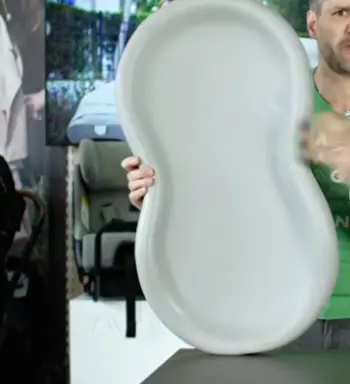
When I look at baby-changing products, I pay attention to more than appearance.
A changing pad needs to make everyday diaper changes easier, especially when you’re dealing with a wiggly baby, unexpected messes, and several diaper changes throughout the day. That’s where the Keekaroo Peanut Changer stands out.
The first thing I notice about this changing pad is its unusual peanut-shaped design. Unlike traditional fabric changing mats, it has a molded surface with raised sides.
These edges help create a defined changing area and provide an additional sense of security while I’m changing a baby. However, I would never treat the raised sides as a substitute for keeping one hand on the baby.
Another feature I appreciate is its non-porous surface. Traditional fabric changing pads often require removable covers, frequent washing, and additional waterproof liners.
With the Keekaroo, I don’t have to deal with those extra layers. I can simply wipe the surface clean after a diaper change.
This makes a noticeable difference when you’re handling diaper cream, small spills, or everyday messes.
The smooth surface also prevents liquids from soaking into fabric padding, which can otherwise create unpleasant odors over time.
Comfort is another important consideration. The Peanut Changer uses a soft, cushioned material designed to provide a comfortable place for babies during diaper changes. It feels different from thin changing mats that can become uncomfortable when placed on a hard dresser.
I also appreciate that the product doesn’t require complicated assembly. Once I have a suitable, stable changing surface, setting it up is relatively straightforward.
Its substantial construction helps it stay in place during normal use, although I would still follow the manufacturer’s installation and safety instructions.
Of course, the premium price is difficult to ignore. There are plenty of affordable changing pads available, so I wouldn’t automatically recommend spending more unless you appreciate the particular advantages of this design.
Overall, my impression is that the Keekaroo Peanut Changer is designed for parents who want fewer cleaning responsibilities, a durable changing station, and a product that can handle frequent everyday use.
Also Read: Comparison Of Skip Hop Changing Pad And Keekaroo
Pros Of The Keekaroo Peanut Changer
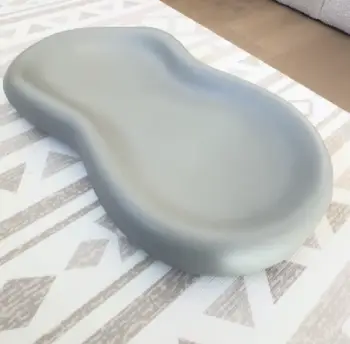
- Extremely Easy to Clean
For me, easy cleaning is one of the most important advantages.
Babies create messes, and diaper changes don’t always happen under convenient circumstances. Sometimes you have to deal with unexpected leaks, diaper cream, or other unpleasant surprises.
With a conventional fabric changing pad, cleaning may involve removing the cover, treating stains, washing the material, and waiting for everything to dry.
The Keekaroo simplifies this process.
Its waterproof surface allows parents to wipe away most everyday messes using a soft cloth and an appropriate mild cleaning solution. This saves time and reduces the amount of laundry associated with diaper changes.
I particularly like this advantage for parents who want to keep their changing stations ready for the next diaper change.
- No Separate Fabric Cover Required
Many traditional changing pads depend on fitted fabric covers.
Although these covers can make a nursery look attractive, they introduce another item that needs regular washing. They can also shift, wrinkle, or become stained.
The Keekaroo eliminates the need for a separate fabric cover.
I see this as a practical advantage rather than simply a design improvement. You have fewer accessories to purchase, store, and maintain.
- Comfortable Changing Surface
Comfort matters because babies spend considerable time on changing pads during their early months.
The Keekaroo’s cushioned construction provides a softer surface than many basic changing mats.
Its molded shape also creates a dedicated changing area that feels more substantial than a thin portable pad.
For parents who regularly change diapers throughout the day, this additional comfort can be appealing.
- Raised Sides for Added Support
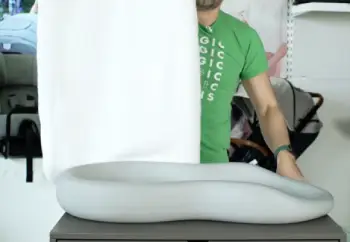
The raised edges are another useful design feature.
They help define the changing area and provide a more enclosed feel than completely flat changing mats.
I appreciate this feature because babies can become increasingly active as they grow.
Still, the raised sides should never encourage parents to leave a baby unattended. They are a design feature, not a safety restraint.
- Attractive and Minimalist Appearance
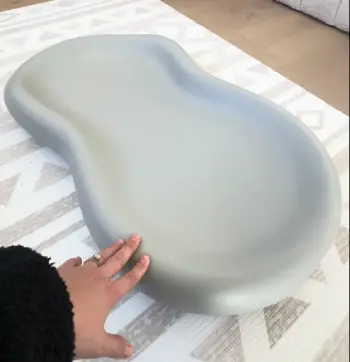
The Keekaroo Peanut Changer has a clean, modern appearance that fits nicely into many nursery designs.
Traditional changing pads often require decorative covers to match the surrounding furniture.
Because the Keekaroo has a finished molded surface, it doesn’t need additional fabric accessories to look presentable.
Parents who prefer a simple, uncluttered nursery may appreciate this design.
Cons Of The Keekaroo Peanut Changer
- Premium Price
The biggest drawback is its price.
The Keekaroo Peanut Changer costs considerably more than many basic changing pads. For parents working with a limited nursery budget, the difference may be difficult to justify.
You can find less expensive alternatives that provide waterproof surfaces and sufficient cushioning.
The question is whether the additional convenience and construction quality are worth paying extra for.
- Relatively Heavy Construction
Unlike lightweight fabric changing mats, the Keekaroo has a substantial molded structure.
This makes it less convenient to move between rooms or carry when traveling.
If you want something that can easily fit inside a diaper bag, a portable folding changing mat is a better choice.
- Limited Portability
The product is primarily designed for a dedicated changing station.
Its shape and construction make it less practical for parents who regularly change their babies in different locations.
I would personally keep a separate portable changing mat for outings rather than relying on the Keekaroo for every situation.
- Takes Up Dedicated Space
The Peanut Changer requires a suitable surface with enough room to accommodate its dimensions.
Not every dresser or nursery table will have sufficient space.
Before buying it, measure your intended changing area carefully and check the manufacturer’s dimensions and installation requirements.
- Limited Design Flexibility
Traditional changing pads come in numerous colors, prints, and fabric designs.
The Keekaroo offers a more minimalist appearance, which may not appeal to parents who prefer colorful nursery accessories.
- Requires Regular Surface Cleaning
Although the waterproof material makes cleaning easier, it doesn’t mean the product is maintenance-free.
Parents still need to wipe it down regularly and follow appropriate cleaning instructions.
Ignoring routine cleaning can allow residue from diaper products and everyday messes to accumulate.
Maintenance Tips For The Keekaroo Peanut Changer
- Wipe the Surface After Every Mess
My first recommendation is to clean the changing surface immediately after noticeable messes.
Diaper leaks, creams, and other residues are easier to remove when they haven’t been sitting on the surface for an extended period.
Use a soft cloth or paper towel to remove visible messes.
Follow up with a mild cleaning solution approved by the manufacturer, and wipe away any remaining residue.
This simple habit helps keep the changing station ready for the next diaper change.
- Avoid Harsh Cleaning Chemicals
Just because a product is waterproof doesn’t mean every cleaning chemical is suitable for it.
Strong solvents, abrasive cleaners, and aggressive scrubbing tools may damage the surface or affect its appearance.
I recommend following Keekaroo’s current care instructions rather than experimenting with household chemicals.
A gentle cleaning approach is usually the better choice for preserving baby products.
- Clean Around the Raised Edges
The raised sides are useful, but their shape can create areas where small amounts of residue collect.
Pay particular attention to the edges and corners when cleaning.
Use a soft cloth to reach these areas without scratching the material.
This is especially important after using diaper creams or lotions that can leave a slippery film.
- Dry the Surface Properly
After cleaning, allow the surface to dry according to the manufacturer’s instructions.
Although the material is waterproof, leaving cleaning solution or moisture residue behind isn’t ideal.
A clean, dry changing surface helps maintain a pleasant environment for everyday diaper changes.
- Keep Diaper Cream Residue Under Control
Diaper creams can leave oily or sticky marks.
I recommend removing excess cream immediately instead of allowing it to build up over several days.
Use an appropriate mild cleaning product and a soft cloth.
Avoid abrasive scrubbing because protecting the molded surface is more important than removing a stubborn mark aggressively.
- Inspect the Changing Area Regularly
Maintenance isn’t only about cleaning.
You should also inspect the product for visible damage, unusual wear, or changes in its surface condition.
Check that the changing pad remains properly positioned on its intended surface.
If you notice damage or instability, stop using it until you can determine whether it remains safe.
Comparison Of Keekaroo Peanut Changer With Other Brands
- Keekaroo Peanut Changer vs. Hatch Baby Grow Smart Changing Pad
Hatch Baby Grow Smart Changing Pad is an interesting alternative for parents who appreciate technology and nursery convenience.
The Hatch model combines a changing surface with a built-in weighing function, depending on the version and configuration.
This makes it particularly appealing to parents who want to monitor their baby’s weight at home.
The Keekaroo takes a simpler approach. It focuses on a comfortable, waterproof, easy-to-clean changing surface rather than additional technology.
If you want a straightforward changing pad with minimal accessories, I would lean toward Keekaroo. If integrated weighing functionality is important, Hatch may be more appealing.
- Keekaroo Peanut Changer vs. Skip Hop Changing Pads
Skip Hop offers changing pads and nursery accessories designed around practical everyday use.
Its changing products can appeal to parents looking for functional designs without necessarily spending as much as they would on a premium molded pad.
The Keekaroo has an advantage in its distinctive peanut-shaped construction and wipe-clean surface.
Skip Hop may be worth considering if you prefer a more budget-conscious option or want a different style of changing station.
For me, the choice depends on whether premium construction or overall affordability matters more.
- Keekaroo Peanut Changer vs. Munchkin Changing Pads
Munchkin offers several practical baby-care accessories, including changing solutions.
Its changing pads are generally worth considering when you’re looking for straightforward functionality without unnecessary extras.
The Keekaroo stands out because of its molded design, raised sides, and easy-clean construction.
Munchkin alternatives may appeal more to parents who want a simpler and potentially more affordable changing setup.
I would choose Keekaroo if reducing fabric-related cleaning is my priority.
- Keekaroo Peanut Changer vs. Bumbo Changing Pads
Bumbo is another recognizable name in the baby-products category.
Bumbo products are known for molded designs and supportive structures.
When comparing changing solutions, I would pay close attention to the specific model rather than assuming every molded baby product offers the same functionality.
Keekaroo’s main appeal is its non-porous changing surface and peanut-shaped construction.
Parents should compare dimensions, material specifications, cleaning instructions, and safety requirements before deciding.
- Keekaroo Peanut Changer vs. Traditional Fabric Changing Pads
Traditional fabric changing pads remain popular because they’re affordable, widely available, and easy to coordinate with nursery bedding.
However, they usually require additional accessories, such as waterproof covers and washable liners.
The Keekaroo offers a different experience.
Instead of removing fabric covers after every major mess, parents can clean its molded surface directly.
Traditional changing pads may be better for families prioritizing affordability and portability. Keekaroo is more attractive to parents who value convenience and reduced laundry.
Who Should Skip The Keekaroo Peanut Changer?
There are also situations where I would recommend looking at alternatives.
If you’re working with a tight budget, a conventional waterproof changing pad may provide everything you need.
If you frequently travel or move between different rooms, a lightweight portable mat is more practical.
Similarly, parents with limited dresser space should measure their changing area before purchasing.
The Keekaroo is a specialized nursery product, not a universal solution for every diaper-changing situation.
Is The Keekaroo Peanut Changer Worth The Money?
This is probably the biggest question parents have before purchasing it.
My answer depends on how much you value convenience.
The Keekaroo costs more than basic changing pads, but it offers several advantages that cheaper products may not provide in the same combination.
Its waterproof surface reduces the need for fabric covers, its molded construction provides a distinctive changing area, and its simple cleaning routine makes daily maintenance easier.
When I consider the amount of time parents spend changing diapers, these features become more meaningful.
However, you shouldn’t assume that a premium changing pad is automatically necessary.
A less expensive waterproof mat can still serve its purpose effectively.
I would consider the Keekaroo a worthwhile investment for parents who prioritize easy cleaning, durable construction, and a dedicated nursery setup. For occasional use or families who need portability, a cheaper alternative may be the smarter purchase.
Also Read: Comparison Of Keekaroo And Bumbo Changing Pad
Frequently Asked Questions (FAQ)
Yes, particularly if you value easy cleaning, waterproof construction, and a durable changing surface. Its premium price may not suit every budget.
Its non-porous, waterproof surface, raised sides, cushioned construction, and distinctive peanut-shaped design make it stand out.
The Hatch Baby Grow Smart Changing Pad is a notable alternative, especially for parents interested in additional weighing functionality.
A baby can use it while within the manufacturer’s specified weight and size limits. Always check the product’s current safety and usage guidelines.
Wrapping Up
After considering its design, cleaning convenience, durability, and limitations, I believe the Keekaroo Peanut Changer is worth buying for parents who want a premium, low-maintenance changing station. Its waterproof surface and practical construction make everyday diaper changes easier. Although the price is higher than basic alternatives, parents who prioritize convenience and long-term usability should seriously consider this product.
Recent Posts
Ultimate Ears WONDERBOOM 4 Reviews: Is This Portable Bluetooth Speaker Worth Buying?
If you want a compact Bluetooth speaker that delivers surprisingly powerful sound, handles outdoor adventures, and doesn't panic when it gets wet, the Ultimate Ears WONDERBOOM 4 deserves your...
Blueberry Fields Shampoo Bar Reviews: Is Humby Worth Buying?
If you're looking for a refreshing alternative to traditional liquid shampoo, the Humby Blueberry Fields Shampoo Bar may deserve a place on your bathroom shelf. Its blueberry-inspired appeal...