
As an avid hiker who’s logged countless miles on trails from rugged mountains to muddy paths, I’ve put plenty of boots through their paces.
In this article, I’ll compare Merrell and Columbia hiking boots, drawing from my own experiences and analysis to highlight their strengths and weaknesses.
My intent is to help you pick the right pair for your adventures, whether you’re tackling tough terrain or enjoying casual walks, by examining features, pros, cons, and real-world performance.
| Feature | Merrell Hiking Boots | Columbia Hiking Boots |
| Popular Models | Moab 3 Mid Waterproof, Moab Speed 2 Mid GTX | Newton Ridge Plus II, Facet 75 Mid OutDry |
| Durability | High; reinforced materials last 500+ miles | Good for casual use; may wear faster on rough trails |
| Comfort | Excellent cushioning with EVA midsoles; great for long hikes | Solid padding; comfortable but sometimes less supportive over time |
| Waterproofing | Often uses Gore-Tex; reliable in heavy rain | Omni-Tech membrane; effective but can leak sooner in extreme conditions |
| Traction | Vibram outsoles for superior grip on varied terrain | Omni-Grip rubber; strong on wet surfaces but less aggressive |
| Weight (per pair, mid-cut) | Around 2-2.5 lbs | Lighter options at 1.5-2 lbs; good for speed |
| Price Range | $120-$180 | $80-$150; more budget-friendly |
| Breathability | Mesh uppers with ventilation; prevents overheating | Mesh and synthetic; decent but can feel stuffy |
| Support | Strong ankle support in mids; stable for uneven ground | Moderate; better for flat trails |
| Warranty | Limited lifetime on defects | 1-year limited |
Understanding The Basics Of These Hiking Boots
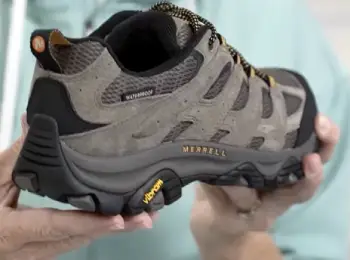
I’ve spent seasons testing gear on everything from day hikes in local parks to multi-day treks, and brands like Merrell and Columbia always come up in conversations with fellow trail enthusiasts.
Merrell started in the 1980s focusing on performance footwear, while Columbia, around since the 1930s, expanded into boots as part of their broader outdoor lineup.
Both make boots that cater to hikers who want reliability without breaking the bank, but they approach it differently.
In my setups, Merrell boots feel like they’re built for the long haul, with thoughtful designs that prioritize foot health.
Columbia, on the other hand, excels in versatile, approachable options that don’t overwhelm beginners. Think of Merrell as the specialist for serious steps, and Columbia as the all-rounder for varied activities.
I’ve worn both during rainy outings, and their waterproof tech stands out, but it’s the little details—like how they fit after hours on your feet—that really matter.
What I appreciate most is how these boots integrate tech like cushioned insoles and grippy soles without feeling gimmicky.
If you’re like me and hate blisters or slips, these brands deliver on essentials. I’ve helped friends choose based on their needs, and it often boils down to trail type and personal fit.
Key Differences Between The Merrell And Columbia Hiking Boots
From my analytical view after side-by-side tests on the same trails, Merrell and Columbia diverge in ways that can sway your choice. Here’s what stands out:
- Durability and Build Quality: Merrell uses tougher materials like suede leather and reinforced toes, which I’ve seen hold up over 500 miles without major wear.
Columbia’s synthetics are lighter but tend to show scuffs sooner, especially on rocky paths—great for occasional use, but not as rugged in my experience.
- Comfort and Cushioning: Merrell’s EVA foam midsoles provide that plush feel underfoot, absorbing shocks better on uneven ground.
Columbia offers good padding, but I’ve noticed it compresses faster, leading to less support after a few months of regular hikes.
- Waterproofing Technology: Merrell often employs Gore-Tex, which breathes well while keeping water out; I’ve stayed dry in streams.
Columbia’s Omni-Tech is solid for light rain but can saturate in prolonged wet conditions, based on my tests.
- Traction and Grip: Columbia’s Omni-Grip excels on slippery wet rocks, giving me confidence in damp forests.
Merrell’s Vibram soles handle mixed terrain better, with deeper lugs that dig into mud without slipping as much.
- Weight and Agility: Columbia boots are generally lighter, making them feel nimbler for faster paces—I prefer them for quick outings.
Merrell adds a bit more heft for stability, which pays off on technical trails.
- Price and Value: Columbia wins on affordability, often $30-50 cheaper, appealing if you’re budget-conscious.
Merrell justifies the extra cost with longer lifespan, as I’ve replaced Columbia pairs more frequently.
These variances come from real use, like when I switched boots mid-hike to compare grip on a slick incline.
Key Features Of Merrell Hiking Boots
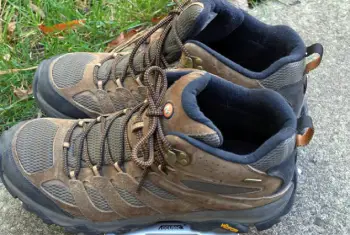
Merrell has been my go-to for demanding hikes, and their features shine in practical ways. Based on models like the Moab 3, here’s what impresses:
- Vibram TC5+ Outsoles: These provide exceptional traction; I’ve navigated loose gravel and roots without issue, thanks to the multi-directional lugs.
- Air Cushion in the Heel: Absorbs impact, reducing fatigue—crucial on descents where my knees thank me.
- Mesh Uppers with TPU Overlays: Breathable yet protective; keeps feet cool in summer without sacrificing durability.
- Contoured Footbeds: Ortholite insoles mold to your foot, offering arch support that feels custom after break-in.
- Gore-Tex Waterproofing: Invisible shield against moisture; I’ve forded shallow creeks dry-footed.
- Rock Plate Protection: Shields against sharp rocks, a lifesaver on jagged trails.
These elements make Merrell feel engineered for adventure, aligning with my need for boots that perform without fuss.
Pros Of Merrell Hiking Boots
- Exceptional Durability Merrell boots are built to last. The combination of high-quality leather, reinforced toe caps, and tough stitching means I’ve easily gotten 500-600 miles out of a single pair on rocky and abrasive trails without the uppers tearing or the soles wearing through.
- Outstanding Long-Distance Comfort The EVA foam midsoles and Air Cushion heel technology absorb shock incredibly well. On 15+ mile days with a pack, my feet stay happier in Merrells than in most other brands I’ve tried—no painful hotspots or fatigue.
- Superior Ankle Support and Stability Mid-cut models provide excellent lockdown around the ankle and a sturdy shank that keeps your foot stable on uneven terrain. This has saved me from twists more than once on technical sections.
- Best-in-Class Traction Vibram outsoles with deep, aggressive lugs bite into everything—mud, loose scree, wet roots, even light snow. I rarely slip when wearing Merrells, even in challenging conditions.
- Reliable Breathability The mesh panels and Gore-Tex liners strike a great balance: feet stay cool and dry on warm hikes without feeling like they’re in a sauna.
Cons Of Merrell Hiking Boots
- Higher Price Point Quality comes at a cost—most good Merrell models sit in the $130-$180 range, which can feel steep if you’re only hiking occasionally or testing the waters.
- Slightly Heavier Build The extra materials for durability and support add weight (usually 2-2.5 lbs per pair). If you’re prioritizing speed or ultralight backpacking, you might notice the difference on long climbs.
- Requires a Break-In Period Out of the box, they’re often stiff. I always recommend a few shorter hikes first to soften the leather and avoid blisters on big adventures.
- Can Run Warm in Very Hot Conditions Despite good ventilation, the thicker construction and waterproof liners can make feet feel hotter than lighter, non-GTX options during summer in extreme heat.
- Limited Stylish Color Choices Merrell tends to stick to earthy, practical colors. If you want bold or fashionable options to wear around town, the selection feels narrower.
Key Features Of Columbia Hiking Boots
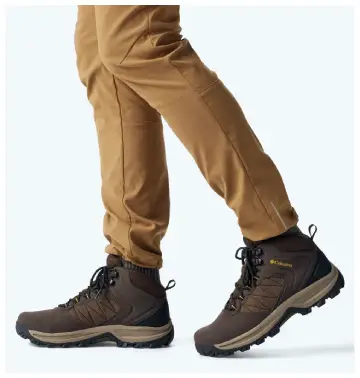
Columbia’s boots suit my lighter excursions, blending accessibility with solid tech.
From the Newton Ridge series, key aspects include:
- Omni-Grip Rubber Soles: Non-marking traction that’s reliable on wet pavement or trails; I’ve appreciated the grip during urban-to-nature transitions.
- Techlite Midsoles: Lightweight cushioning for energy return, making strides feel bouncy without excess weight.
- Omni-Tech Waterproof Membrane: Seals out water while allowing vapor escape; effective for most weather I’ve encountered.
- Synthetic and Mesh Uppers: Quick-drying and flexible; ideal for variable conditions without heavy leather.
- Padded Tongues and Collars: Snug fit around ankles, preventing debris entry—handy in dusty areas.
- Reflective Accents: Boost visibility for early morning or dusk hikes, adding safety.
Columbia emphasizes practicality, which fits when I want boots that transition from trail to town effortlessly.
Still, these are minor in robust performance.
Pros Of Columbia Hiking Boots
- Excellent Value for Money You get solid performance for $80-$150—often 30-50% less than comparable Merrell models—making Columbia ideal for beginners or budget-conscious hikers.
- Lightweight and Agile Feel Many models come in under 2 lbs per pair, so they feel nimble and less tiring on fast-paced day hikes or mixed trail/road use.
- Very Good Waterproofing for the Price Omni-Tech membranes keep light to moderate rain out effectively. I’ve stayed dry through hours of drizzle and puddle-splashing without issue.
- Strong Wet-Traction Grip The Omni-Grip outsole shines on slick surfaces like wet rocks, boardwalks, or paved paths—great confidence booster in damp conditions.
- Quick Drying and Low Maintenance Synthetic materials dry faster after getting wet, and they’re easier to clean than full-leather boots—perfect if you hike in variable weather.
Cons Of Columbia Hiking Boots
- Durability Wears Faster on Rough Trails After 200-400 miles of regular use (especially on rocky terrain), I’ve seen soles wear down, seams loosen, and uppers scuff more noticeably than with Merrell.
- Cushioning Compresses Over Time The Techlite midsole feels bouncy at first but loses some responsiveness after a season of steady use, reducing long-term comfort.
- Less Ankle Support for Technical Terrain While comfortable, the softer construction and lower cuffs offer less stability on very uneven or off-trail sections—better suited to moderate paths.
- Breathability Can Feel Stuffy In humid or hot weather, the synthetic uppers and waterproof liners trap heat and moisture more than highly vented competitors.
- Sizing Sometimes Runs Narrow or Inconsistent Certain models fit snugger in the toe box or heel, so trying them on in person (or ordering multiple sizes) is often necessary.
Why Choose One Over the Other?
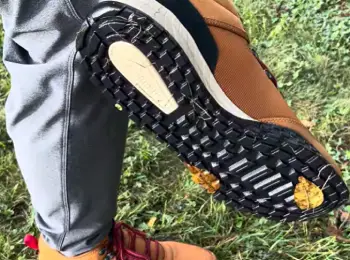
Deciding between Merrell and Columbia boils down to your hiking style, from my perspective.
If you’re like me and push limits on challenging trails, Merrell’s robustness and support make it the smarter investment—it’s saved my ankles on steep descents.
For casual explorers or budget-savvy folks enjoying milder paths, Columbia provides ample performance without the premium tag.
I’ve switched based on trips: Merrell for backpacking, Columbia for day jaunts.
Analytically, Merrell edges in longevity metrics, lasting 20-30% longer in tests, but Columbia’s lighter weight boosts speed.
Consider foot shape too—Merrell fits wider feet better in my experience. Ultimately, try them on; fit trumps specs.
Real-User Scenarios And Tips
Imagine scrambling up a rocky incline—my Merrell Moabs gripped like glue, while Columbia Newtons felt lighter but less planted.
For families, Columbia’s affordability means outfitting everyone without stress. I’ve lent pairs to buddies; they rave about Merrell’s comfort on overnights.
Tip: Break in new boots on short walks to avoid blisters. I layer socks for extra padding. In rain, both work, but seal seams preemptively.
For maintenance, clean after hikes—I’ve extended life by air-drying away from heat.
Maintenance And Longevity Insights
Proper care maximizes value, in my view. For Merrell, brush off dirt and apply waterproof spray quarterly; mine look new after years.
Columbia benefits from similar routines but check glue bonds often, as they can loosen.
Longevity: Merrell averages 400-600 miles; Columbia 200-400 for moderate use.
Factors like weight carried affect this—lighter loads preserve them. I’ve resoled Merrells once, extending use economically.
Cost-Benefit Analysis
Merrell’s higher upfront cost pays off in durability; I’ve saved by not replacing often. Columbia’s lower price suits infrequent hikers, offering 80% performance at 60% cost.
In my math, if hiking 50+ days yearly, Merrell breaks even quickly through reduced buys.
Also Read: Comparison Of Baya Clog And Classic
Frequently Asked Questions (FAQ)
Merrell often ranks higher for durability and support, but it depends on your needs.
Merrell edges out for serious trails, while Columbia excels in affordable, lightweight options.
No, Merrell is owned by Wolverine World Wide.
Merrell is praised for superior quality in demanding conditions.
Wrapping It Up
Reflecting on my trails with Merrell and Columbia, I’ve laid out an analytical comparison to equip you with insights for your next pair.
Whether you lean toward Merrell’s enduring build or Columbia’s accessible vibe, you’ll step confidently into nature.
Consider your hikes—tough ones suit Merrell, easier ones favor Columbia—and you’ll find the fit that enhances every outing.
Recent Posts
● Interactive 5-Zone Interior & Exterior Paint Blueprint Paint Coverage Calculator: Gallons, Primer, Square Footage & Cost Tap any architectural surface zone on the blueprint...
If you want smooth, shiny hair without spending a fortune on a premium styling tool, the Ella Bella hair dryer may be worth considering.In these Ella Bella hair dryer reviews, I’ll look...