
If you or someone you care about is struggling with mobility and wants more independence in daily life, the Kerdom electric wheelchair is one of those options that immediately grabs attention.
I’ve personally found it to be a strong contender for comfort, usability, and affordability. You can typically find it through major online retailers and mobility equipment sellers, which is also where I recommend buying it for authenticity and warranty support.
In this review, I’ll share my real experience, what stands out, and where it fits compared to other brands.
My Real Experience With The Kerdom Electric Wheelchair
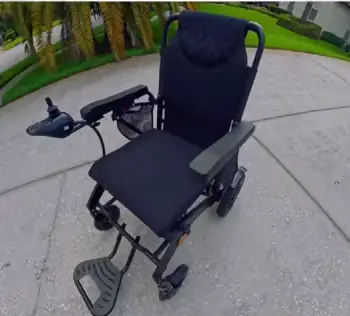
When I first got my hands on the Kerdom electric wheelchair, I was honestly curious more than anything. I’ve tried a few mobility chairs before, but this one felt different right from the start.
The first thing I noticed was how simple it was to set up. You don’t feel like you need technical knowledge or assistance just to get moving.
I remember thinking, “Okay, this is already easier than I expected.” The controls were intuitive—nothing overly complicated or intimidating.
If you’ve ever worried about pressing the wrong button or feeling overwhelmed, this one really keeps things straightforward.
Once I took it outside, that’s where I started to appreciate it more. You and I both know that indoor performance is one thing, but real-life use is what matters.
I tested it on smooth pavement, slightly uneven sidewalks, and even a few tight corners. The handling stayed stable, and I didn’t feel like I was fighting the chair.
It responded well to direction changes, and I didn’t experience that jerky movement some budget electric wheelchairs have.
Comfort-wise, I could sit for a decent stretch without feeling stiff. The seat cushioning is not luxury-grade, but it is supportive enough for daily errands or short outdoor trips.
If you’re someone who spends long hours in a wheelchair, you might still want additional padding, but for regular use, it does the job well.
Battery performance was another pleasant surprise. I expected something average, but it actually held up better than I assumed during continuous use. Of course, like all electric wheelchairs, terrain and weight load affect battery life, but in my experience, it stayed consistent through a typical day’s usage.
What stood out most to me was the sense of independence it gives. You don’t feel dependent on constant help.
That alone changes how you move through your day. Whether it’s going to a nearby shop, moving around the house, or stepping outside for fresh air, it gives you that small but meaningful freedom.
Key Features That Stand Out In Kerdom Electric Wheelchair
One thing I noticed quickly is that Kerdom focuses on practicality over unnecessary complexity.
The motor system is designed to be steady rather than overly aggressive. This makes it safer if you’re navigating indoors or crowded spaces. You don’t feel like it suddenly speeds up unexpectedly, which gives you more confidence.
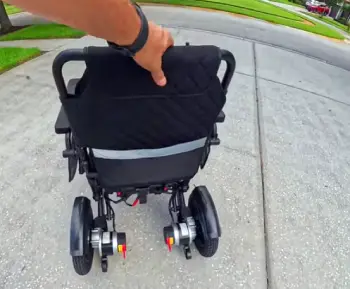
The frame is built to balance durability with portability. While it’s not the lightest wheelchair in the world, it is still manageable when folded or stored. If you’re someone who travels occasionally or needs to put it in a vehicle, that matters a lot.
Another point worth mentioning is the joystick control system. It’s sensitive enough for precise movement but not so sensitive that it becomes difficult to control. I’ve used chairs where the joystick felt too reactive, but this one strikes a better balance.
Safety features are also included in a practical way. The braking system responds quickly, and I didn’t notice any lag when stopping on slopes or uneven ground. That kind of reliability matters more than fancy features.
Comfort, Design, And Daily Usability
Let’s talk about comfort in real-world use. You and I both know that a wheelchair can technically “work,” but still feel exhausting after a while if it’s not designed well.
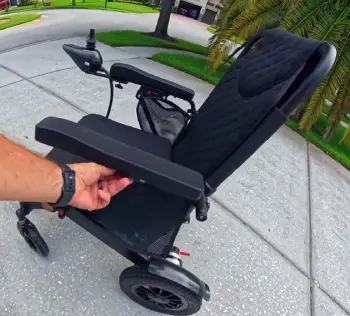
The seating posture in Kerdom feels natural. It doesn’t push you into an awkward position, and the armrests are positioned in a way that supports relaxed sitting. Even during longer use, I didn’t feel unnecessary pressure points building up quickly.
The design is also fairly compact compared to some bulkier models. This makes it easier to navigate through doorways and tighter indoor areas. If you live in a small apartment or need something practical for home use, that compact design really helps.
Another thing I appreciated was how quiet the motor is. It doesn’t draw attention or create unnecessary noise when moving around. That might sound small, but it actually improves the overall experience, especially in public or indoor settings.
Pros Of Kerdom Electric Wheelchair

- Easy to use, even for first-time users
One of the biggest advantages I noticed is how simple it is to operate. You don’t need technical experience or training to get started.
The joystick control feels natural, and within a short time, you stop thinking about “how it works” and just focus on moving.
This matters a lot because many users don’t want a complicated setup when mobility is already a challenge. In my experience, Kerdom makes things feel less stressful and more intuitive.
- Strong sense of independence in daily life
What really stands out is how much independence it gives.
I could move around indoors and outdoors without constantly depending on someone else.
Whether it’s going to a nearby shop, moving between rooms, or simply sitting outside for fresh air, it reduces that feeling of limitation.
You don’t realize how important this is until you experience it. Even small movements become easier and more spontaneous, which improves daily confidence.
- Comfortable enough for regular use
The seating is reasonably comfortable for daily mobility. I didn’t feel immediate pressure or discomfort during short to medium use. The cushioning is basic but supportive enough for everyday tasks.
Armrests are positioned well, and posture feels natural rather than forced. For someone using it for errands or light outdoor activity, it performs well.
However, I would say if you plan to use it for very long hours every day, you might want extra cushioning for better support.
- Stable and predictable movement
One thing I appreciated is that the wheelchair does not feel unpredictable. Some electric wheelchairs can feel too sensitive or jerky, but Kerdom stays controlled.
Turning, stopping, and straight movement all feel balanced. Even on slightly uneven surfaces, it maintains decent stability. This makes it feel safer, especially for older users or beginners.
- Decent portability for its category
While it is not ultra-lightweight, it still folds and fits into a vehicle with some effort. That balance between sturdiness and portability is important.
If you travel occasionally or need to store it when not in use, it is manageable. I’ve seen heavier models that are far harder to handle, so Kerdom does better in this area than many budget alternatives.
- Quiet motor operation
Another small but meaningful advantage is how quiet the motor is. It doesn’t draw attention when you’re moving around indoors or outside.
This improves comfort in public spaces and makes the overall experience feel smoother and less disruptive.
- Good value for everyday mobility needs
Based on performance versus price range, Kerdom positions itself as a practical solution rather than a luxury product. It focuses on essentials—movement, control, and basic comfort—without unnecessary complexity.
For many users, especially first-time electric wheelchair buyers, this balance is appealing.
Cons Of Kerdom Electric Wheelchair
- Battery performance can vary in real use
While the battery is generally decent, real-world performance can vary depending on terrain, user weight, and usage pattern.
On flat indoor surfaces, it performs well. But if you start using it outdoors more frequently or on uneven ground, you may notice faster battery drain than expected.
This is not unusual in this category, but it’s something you should realistically plan for.
- Comfort is not premium-grade
The seating is functional, but not luxurious. If you expect long-hour comfort like high-end medical wheelchairs, you may feel limited.
After extended use, some users might need additional seat cushioning or back support. It’s good—but not designed for all-day, long-duration seating without adjustments.
- Durability concerns reported by some users
From various user experiences, there are mixed reports about long-term durability. Some users are satisfied, while others mention issues like wear, maintenance concerns, or inconsistent support responses.
This means it performs well in normal use, but heavy daily strain over long periods may require more attention and maintenance than premium brands.
- Customer service experience is inconsistent
Another concern is service reliability. Some users report quick responses, while others mention delays or difficulty with refunds and support issues.
This inconsistency is something to keep in mind, especially when buying medical or mobility equipment where support matters as much as the product itself.
- Not ideal for extreme terrains
While it handles sidewalks, indoor floors, and light outdoor paths well, it is not built for rough terrain, steep slopes, or very uneven surfaces.
If your daily environment includes heavy outdoor challenges, you may need a more rugged, specialized model.
- Limited advanced customization options
Compared to higher-end brands, Kerdom offers fewer customization features. You get the basics, but not much adjustment flexibility for posture, seating angles, or advanced ergonomic tuning.
For many users this is fine—but if you need medical-level customization, it may feel limiting.
Maintenance Tips For Kerdom Electric Wheelchair
- Charge the battery the right way
One of the most common mistakes I see is people letting the battery drain completely before charging. That’s not ideal for electric wheelchairs.
Instead, try to recharge when it drops to a moderate level. Keeping the battery in a healthy range helps it last longer over time.
Also, avoid overcharging overnight every single day unless the model specifically supports smart cut-off charging. A balanced charging routine keeps performance stable and prevents battery stress.
If you’re using it daily, I recommend setting a regular charging habit—like charging every night after use—so you never run low unexpectedly.
- Keep the wheels clean and free from debris
Wheels take the most damage because they are constantly in contact with surfaces. Dust, hair, small stones, and mud can easily get stuck.
Every few days, take a quick look at the wheels. If you notice anything stuck, remove it gently. You don’t need tools—just a simple wipe or careful cleaning is enough.
If you’re using it outdoors often, this step becomes even more important. Dirt buildup can slowly affect smooth movement and steering response.
Clean wheels also reduce unnecessary pressure on the motor, which helps extend the chair’s life.
- Inspect tire condition regularly
Even though Kerdom electric wheelchairs are designed for stability, tires still wear out over time.
Check for signs like uneven tread, reduced grip, or small cracks. If the chair starts feeling slightly unstable or sliding more than usual, the tires might be the reason.
Don’t ignore small wear signs. Fixing or replacing tires early prevents bigger problems later and keeps movement safe.
Also, avoid using it on sharp gravel or extremely rough ground too often, as that speeds up tire damage.
- Keep joystick and control panel clean
The joystick is your main control system, so it needs special attention.
Dust, moisture, or sticky residue can slowly affect its sensitivity. Wipe it gently with a soft dry cloth regularly.
If you use it outdoors or while eating/snacking nearby, be extra careful. Even small particles can affect smooth control response over time.
Never use harsh liquids or spray cleaners directly on the control panel. That can damage internal circuits.
- Avoid overloading beyond weight capacity
Every electric wheelchair has a limit, and respecting it is important.
Consistently carrying more weight than recommended can stress the motor, reduce battery efficiency, and affect long-term durability.
Even if it “feels like it’s handling fine,” internal strain builds up slowly.
Think of it like this: staying within limits keeps everything running smoother and reduces repair needs later.
- Store it in a dry, safe place
Where you keep your wheelchair matters more than people think.
Moisture, humidity, and direct sunlight can all slowly damage electronic parts and battery health.
Try to store it indoors, ideally in a dry space with stable temperature. If you live in a humid area, even covering it properly when not in use helps a lot.
Avoid leaving it outside overnight or in rain-prone areas.
Comparison Of Kerdom Electric Wheelchair With Other Brands
- Kerdom vs Drive Medical
When comparing Kerdom with Drive Medical, the first noticeable difference is pricing and positioning.
Drive Medical tends to focus on more traditional medical-grade wheelchairs with a wide range of models.
Kerdom, on the other hand, feels more modern in design and slightly more user-focused for everyday convenience.
Drive Medical often wins in hospital-grade durability, but Kerdom offers a more relaxed, everyday mobility experience that feels less clinical and more personal.
- Kerdom vs Invacare
Invacare is known for highly durable and medical-focused mobility solutions. Their products are often used in professional care environments. Compared to that, Kerdom feels more lifestyle-oriented.
If you’re someone who needs heavy-duty, long-term clinical support, Invacare might feel more robust.
But if your goal is personal independence, daily movement, and ease of use, Kerdom feels more approachable and less intimidating.
- Kerdom vs Karma Mobility
Karma Mobility chairs are known for comfort customization and ergonomic precision. They often cater to users with specific posture needs.
Kerdom, in comparison, is more straightforward. It doesn’t offer as many customization options, but it compensates with simplicity and ease of use.
If you want something plug-and-play without too many adjustments, Kerdom feels more convenient.
Also Read: Comparison Of CurverK And Iconic Chair
Frequently Asked Questions (FAQ)
Some well-known brands include Invacare, Drive Medical, and Karma Mobility.
Yes, they are generally good for daily mobility, comfort, and ease of use at an affordable level.
It depends on need—Invacare for medical-grade durability, Karma for ergonomics, and Kerdom for everyday practical use.
It varies by model, but it is generally designed to be moderately lightweight for portability.
Wrapping Up
After using the Kerdom electric wheelchair and comparing it with other options, I feel it stands out as a practical and user-friendly choice for everyday mobility.
It may not be the most premium or feature-heavy model, but it delivers where it matters most—comfort, ease, and independence.
If you’re looking for a reliable electric wheelchair without overcomplicating things, this is definitely worth considering.
Recent Posts
● Interactive 5-Zone Interior & Exterior Paint Blueprint Paint Coverage Calculator: Gallons, Primer, Square Footage & Cost Tap any architectural surface zone on the blueprint...
If you want smooth, shiny hair without spending a fortune on a premium styling tool, the Ella Bella hair dryer may be worth considering.In these Ella Bella hair dryer reviews, I’ll look...