
If you’re considering buying Rehears Red Light for ear-related concerns like tinnitus or discomfort, I get why—it sounds promising, non-invasive, and easy to use at home.
I had the same thought before trying it myself. But after researching deeply and spending time with the device, I wouldn’t recommend rushing into this purchase.
Let me walk you through my real experience, the pros, the downsides, and how it compares to better options so you can make a smarter decision.
My Personal Experience With Rehears Red Light
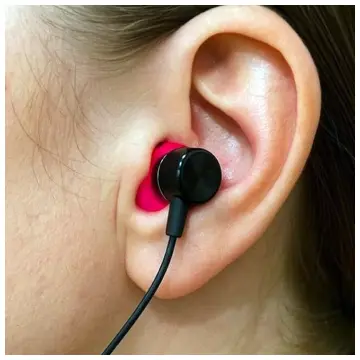
I’ll be honest with you—I went into this with cautious optimism. I’ve dealt with occasional ear ringing, especially during stressful periods or after long hours using headphones.
So when I came across Rehears Red Light, marketed as a simple red light therapy solution for ear health, I thought it might be worth trying.
The device itself looked straightforward. Lightweight, portable, and easy to operate. You just insert it gently near the ear canal and let the red light therapy do its job for a few minutes per session.
No complicated setup, no apps, no learning curve—just press and go.
During the first week, I used it consistently—twice a day, as recommended. At first, I thought I noticed a slight calming effect. Not a reduction in ringing exactly, but more like a placebo-like comfort.
You know that feeling when you want something to work, so your brain leans into it?
By week two, reality started to settle in. The ringing didn’t improve. In fact, on some days, it felt exactly the same—or worse, depending on external factors like stress or sleep.
I kept using it because I wanted to give it a fair shot. But consistency didn’t translate into results.
By week three, I started questioning whether the device was doing anything at all beyond emitting a soft red glow.
I also noticed mild discomfort from prolonged use—not pain, but a slight warmth that made me uneasy about continued exposure inside such a sensitive area.
Another thing that stood out to me was the lack of clear, science-backed guidance. The instructions felt generic.
No personalization, no explanation of what wavelength it uses or why it should work specifically for ears. That’s a red flag when you’re dealing with something health-related.
At the end of my trial period, I stopped using it. Not because I didn’t believe in red light therapy as a whole—but because this particular product didn’t deliver meaningful results for me.
And judging by other user reviews across different platforms, my experience wasn’t unique.
What Rehears Red Light Claims To Do?
Before getting into pros and cons, it’s important to understand what the product claims.
Rehears Red Light is marketed as a therapy device designed to:
- Support ear health
- Reduce tinnitus (ringing in ears)
- Improve blood circulation in the ear canal
- Provide a non-invasive alternative to medication
These are big claims. And while red light therapy has shown benefits in some areas of health and recovery, applying it to ear conditions is still a gray area.
Pros Of Rehears Red Light
- Non-Invasive and Medication-Free Approach
One of the biggest advantages of Rehears Red Light is that it does not involve drugs, injections, or surgery. For people dealing with tinnitus or ear discomfort, that alone feels reassuring.
You simply use light exposure near the ear instead of relying on chemical treatments. Many users like this because it avoids common medication concerns such as:
- Side effects
- Drug interactions
- Long-term dependency
From a lifestyle perspective, it feels like a “gentle” option. You don’t have to change your body chemistry or undergo procedures. That psychological comfort is a strong reason people try it in the first place.
- Easy to Use With Minimal Effort
Rehears is designed for simplicity. There is no complicated setup or medical knowledge required.
You basically:
- Place it near the ear
- Turn it on
- Use it for a set time daily
This ease of use makes it appealing for:
- Older adults
- Non-technical users
- People who dislike complicated health devices
It also increases consistency because you don’t feel overwhelmed by instructions. Some users actually stick to it more easily than traditional therapies because it feels effortless.
Still, simplicity comes with trade-offs—mainly lack of customization or personalization.
- Portable and Convenient for Daily Routine
Another advantage is portability. The device is small and can be used at home or while traveling.
You don’t need a clinic visit or special environment. You can include it in your daily routine like:
- Before sleep
- During rest time
- After work
This convenience is one of the reasons red light devices are popular in general wellness markets.
But convenience alone doesn’t guarantee meaningful improvement in ear conditions.
- Theoretical Scientific Basis
Rehears uses 650nm red light, which is commonly linked to:
- Improved blood circulation
- Cellular energy stimulation (ATP production)
- Reduced inflammation in some tissues
In general medical research, red light therapy has shown promise in areas like skin healing and muscle recovery. Some studies also suggest possible effects on tissue repair.
However, for ear-specific conditions like tinnitus, evidence remains limited and not conclusive. So while the theory sounds strong, it is still largely experimental when applied to hearing issues.
A review of user experiences shows mixed outcomes, with many reporting no meaningful change at all.
- Comfortable and Non-Disruptive Experience
Many users appreciate that the device is:
- Silent
- Non-vibrating
- Non-invasive in sensation
You don’t feel much during use except slight warmth. This makes it easy to tolerate compared to more aggressive treatments or bulky hearing devices.
Comfort is one of the reasons people continue using it even when results are unclear. It doesn’t create discomfort or interfere with daily life.
Cons Of Rehears Red Light
- Inconsistent or Weak Results
This is the most critical issue.
Across user reviews and community discussions, the most common outcome is:
- No noticeable improvement
- Temporary or placebo-like relief
- Very mild changes that don’t last
In broader tinnitus device feedback, a large portion of users report no meaningful difference even after extended use .
This inconsistency makes it unreliable as a treatment option. You might use it daily for weeks and still feel the same.
- Overhyped Marketing Compared to Reality
The marketing around Rehears often sounds very strong, suggesting:
- Hearing improvement
- Tinnitus relief
- Cellular repair in the ear
But when you compare that to real-world experiences, there is a clear gap.
The problem is not that red light therapy is completely ineffective—it’s that claims are stronger than evidence supports for ear use.
This mismatch leads many users to feel disappointed after purchase.
- Weak Scientific Evidence for Ear Treatment
While red light therapy is studied in general wellness, its effectiveness for inner ear conditions is still uncertain.
Key limitations include:
- The ear is deeply located and hard to reach with light
- No strong clinical consensus for tinnitus treatment
- Limited large-scale human studies
Even positive reports are often anecdotal or inconsistent.
Community discussions also show mixed outcomes, including users who experienced no improvement or even worsening symptoms in some cases after trying similar devices .
- One-Size-Fits-All Design
Rehears does not adjust based on:
- Severity of tinnitus
- Type of hearing issue
- Age or sensitivity differences
It applies the same approach to everyone.
That is a major limitation because ear conditions vary widely. A generalized approach is rarely effective for complex neurological or auditory conditions.
- Requires Long-Term Use Without Guaranteed Results
The product typically requires:
- Daily sessions
- Consistent use over weeks or months
But even with proper use, there is no guarantee of improvement.
This creates frustration because you invest time and hope, but results may still not appear.
Many users report continuing use out of hope rather than actual improvement.
- Value-for-Money Concerns
When evaluating cost vs outcome, many users feel the product is:
- Expensive for a basic device
- Limited in functionality
- Not backed by strong clinical validation
This leads to a perception that you are paying more for marketing than proven results.
- Potential Mild Discomfort or Uncertainty
Although generally safe, some users report:
- Mild warmth in the ear area
- Uncertainty about long-term exposure
- Concern about using light near sensitive auditory structures
Even if risks are low, the lack of long-term evidence makes some users cautious.
Maintenance Tips For Rehears Red Light
- Keep the Device Clean After Every Use
Since this device comes into close contact with your ear, hygiene is critical. I made it a habit to wipe it down after every session. You should too.
This prevents bacteria buildup and reduces the risk of irritation.
- Avoid Overuse
It’s tempting to use it more often, hoping for faster results. I tried that. It didn’t help. Stick to recommended durations. Overuse can lead to discomfort without improving effectiveness.
- Store It Properly
Don’t just toss it into a drawer. Keep it in a clean, dry place. Dust or moisture can damage the internal components over time.
- Monitor Your Ear Sensitivity
Pay attention to how your ears feel after each session. If you notice warmth, irritation, or discomfort, take a break. Your ears are delicate—don’t push them.
- Combine With Proven Strategies
If you’re dealing with tinnitus, rely on methods that actually have evidence behind them. Sound therapy, stress management, and proper sleep hygiene made a bigger difference for me than this device ever did.
- Don’t Rely on It as a Primary Solution
Think of it as an experiment—not a treatment. If you’re expecting it to “fix” your ear issues, you’re likely to be disappointed.
- Regularly Check Device Functionality
Make sure the light is working properly and consistently. Any flickering or inconsistency is a sign of poor build quality.
Comparison Of Rehears Red Light With Other Brand
- General Red Light Panels vs. Rehears Device
When you compare this to full-body or panel-based red light therapy devices, the difference is obvious.
Larger panels often come with better specifications—clear wavelengths, higher power output, and broader applications.
The Rehears device feels limited in both capability and transparency.
- Medical-Grade Devices vs. Rehears
Medical-grade devices tend to be backed by clinical studies and are often used under professional supervision. They also provide detailed information about how they work. Rehears, on the other hand, lacks that level of credibility and documentation.
- Multi-Functional Wellness Devices vs. Single-Purpose Tool
Some modern wellness devices combine light therapy with heat, vibration, or sound therapy. Those offer a more holistic approach. Rehears is very narrow in function, and unfortunately, not very effective even within that narrow scope.
- Price-to-Value Ratio Compared to Competitors
This is where it really struggles. For what it offers, the value just isn’t there. You’re paying for a concept more than actual results.
Also Read: Comparison Of Mito Red Light And Lumebox
Frequently Asked Questions (FAQ)
The short answer is: not reliably. While red light therapy has benefits in certain areas, its effectiveness for ear conditions like tinnitus is still not well-established. Some people report mild improvements, but there’s no strong consensus or consistent results.
The Mayo Clinic generally emphasizes caution. While red light therapy is considered safe in many contexts, it’s not widely endorsed as a proven treatment for conditions like tinnitus. They often recommend evidence-based approaches instead.
Reputable devices usually come from established medical or wellness brands with clinical backing, transparent specifications, and FDA clearance where applicable. It’s important to look for devices that clearly state their wavelength, power output, and intended use.
Barbara O’Neill often emphasizes natural approaches such as improving circulation, reducing inflammation, and addressing underlying health issues. This includes diet, stress management, and lifestyle changes rather than relying solely on devices.
Final Verdict
After using it and analyzing real user feedback, I can’t recommend Rehears Red Light as a reliable solution for ear-related issues.
It’s easy to use and non-invasive, but the lack of results, weak scientific backing, and underwhelming build quality make it a questionable investment.
You’re better off exploring proven methods or consulting a professional before spending money on this device.
3 thoughts on “Rehears Red Light Reviews: My Honest Take After Testing The Hype”
Leave a Reply
Recent Posts
● Interactive 5-Zone Interior & Exterior Paint Blueprint Paint Coverage Calculator: Gallons, Primer, Square Footage & Cost Tap any architectural surface zone on the blueprint...
If you want smooth, shiny hair without spending a fortune on a premium styling tool, the Ella Bella hair dryer may be worth considering.In these Ella Bella hair dryer reviews, I’ll look...
I am sure if you have done this much investigation and you yourself needed treatment then you have found the one that works. Which one really works.
Thank you for this info. Well done.
So did you return it and was your payment refunded with no fuss?
Thank you for your review. I have had tinnitus for years and always thought it was the nerves in my neck and was considering injections and a fusion then years later realizing that was the definition of my tinnitus. I have been searching was ready to click the button and thought I would check reviews. You saved me from spending more money and experiencing more frustration.