
I’ve always been drawn to pocket knives that balance everyday utility with a bit of personality.
In this article, I’ll compare the Kershaw Bel Air and the Benchmade Bugout, two standout options for anyone looking for a reliable EDC folder.
My goal is to break down their strengths and weaknesses from my own experiences carrying them, helping you figure out which one might fit your needs better.
| Feature | Kershaw Bel Air | Benchmade Bugout |
| Blade Length | 3.1 inches | 3.24 inches |
| Blade Material | CPM MagnaCut | CPM S30V (standard), S90V in premium variants |
| Blade Shape | Reverse Tanto | Drop Point |
| Handle Material | Aluminum or Carbon Fiber | Grivory (polymer) or Carbon Fiber |
| Weight | 2.5-2.9 oz | 1.85 oz (standard) |
| Lock Type | DuraLock (crossbar) | Axis Lock |
| Opening Mechanism | Manual KVT ball bearings with thumb stud | Thumb stud |
| Overall Length | 7.3 inches | 7.46 inches |
| Price Range | $150-$200 | $150-$300 |
| Country of Origin | USA | USA |
Understanding The Appeal Of These Knives
As a guy who’s spent years fiddling with different blades in my pocket, I can tell you that both the Kershaw Bel Air and the Benchmade Bugout have earned their spots in the EDC world for good reasons.
They’re not flashy survival tools; they’re practical companions for slicing open packages, cutting rope, or even prepping a quick snack on a hike.
What sets them apart is how they handle the basics while adding their own twists.
The Bel Air came out as Kershaw’s push into premium territory, and from the moment I picked it up, it felt like they were aiming to challenge established favorites.
It’s got that smooth, satisfying deployment that makes you want to open and close it just for fun. On the other hand, the Bugout has been a staple since its release, known for vanishing in your pocket like it was never there.
I’ve carried both on daily walks, work trips, and weekend adventures, and each has moments where it shines brighter.
Key Differences Between The Kershaw Bel Air And Bugout
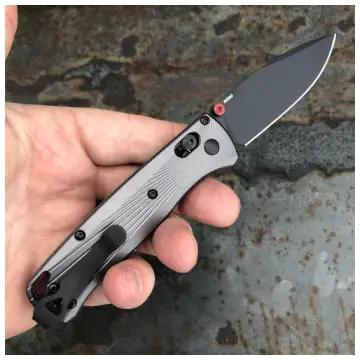
Switching between the Bel Air and Bugout highlighted some clear distinctions. Here’s how they stack up:
- Weight and Portability: The Bugout wins hands-down at 1.85 ounces versus the Bel Air’s 2.5-2.9.
If you’re counting ounces for backpacking, the Bugout feels ethereal, while the Bel Air has a more substantial presence that reassures in hand.
- Blade Steel and Performance: MagnaCut on the Bel Air edges out S30V for rust resistance and toughness.
In my tests, the Bel Air stayed sharper longer in damp conditions, but the Bugout’s S30V is easier to sharpen at home.
- Lock and Action: DuraLock on the Bel Air is rock-solid with a satisfying click, but the Bugout’s Axis Lock is smoother for ambidextrous use.
I prefer the Bugout for quick draws, though the Bel Air’s bearings make it snappier overall.
- Handle Materials and Comfort: Bugout’s Grivory is lighter but flexier; Bel Air’s aluminum or carbon fiber feels premium and grippier.
For larger hands like mine, the Bel Air contours better, reducing fatigue.
- Price and Value: Bel Air often undercuts the Bugout, especially for similar specs.
If budget matters, the Bel Air delivers more bang, but the Bugout’s warranty and mods justify extras for some.
These differences boil down to priorities—lightness versus robustness.
Key Features Of The Kershaw Bel Air
When I first got my hands on the Bel Air, I was impressed by how Kershaw packed in high-end elements without making it feel overcomplicated. Here’s what stands out:
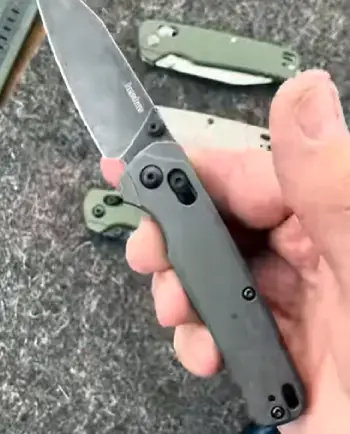
- Premium Blade Steel: The CPM MagnaCut steel is a game-changer. It’s tough, holds an edge through repeated use, and resists rust better than many alternatives.
I noticed this when I used it to cut through wet cardboard boxes without any pitting afterward.
- Smooth Action: Thanks to the KVT ball bearings, flipping it open is effortless.
The thumb stud is positioned just right, and it deploys with a crisp snap that feels reliable every time.
- Ergonomic Handle: Whether it’s the aluminum or carbon fiber version, the handle contours fit my grip naturally.
It’s slim enough to slip into jeans without bulk, but textured for control during tasks like whittling sticks.
- DuraLock Mechanism: This crossbar lock is solid and ambidextrous, making it easy to close one-handed.
I’ve tested it under pressure, and it never budged.
- Deep-Carry Clip: Reversible and low-profile, it keeps the knife secure without snagging on things.
I appreciate how it doesn’t scream “knife” when clipped to my pocket.
These features make the Bel Air feel like a thoughtful upgrade for someone tired of basic folders.
Pros Of The Kershaw Bel Air
From my carries, the Bel Air has several edges that make it a strong contender. Here’s a closer look:
- Exceptional Value: For the materials and build, it’s often cheaper than comparable premiums. I got mine on sale and felt like I scored a deal with MagnaCut steel included.
- Superior Corrosion Resistance: That MagnaCut blade laughs at moisture. I’ve left it in humid environments, and it stayed spotless, unlike some steels that spot easily.
- Fidget-Friendly Action: The deployment is addictive. It’s smoother than many pricier knives I’ve tried, encouraging one-handed operation in real scenarios.
- Comfortable for Extended Use: The handle’s texture prevents slips, even with sweaty hands. During a long day of yard work, it didn’t cause hotspots.
- Aesthetic Appeal: The reverse tanto blade and clean lines look modern without being aggressive. It’s subtle enough for office settings.
These positives make it ideal if you’re after performance without breaking the bank.
Cons Of The Kershaw Bel Air
No knife is perfect, and the Bel Air has a few drawbacks I’ve encountered:
- Heavier Than Competitors: At around 2.9 ounces, it’s not as featherlight as some. I noticed the difference when switching from ultra-lights, especially on long hikes.
- Clip Protrusion: The pocket clip sticks out a bit, which can catch on fabrics. It’s minor, but I’ve had it snag on chair edges a couple of times.
- Limited Variants Initially: Early on, options were scarce, though that’s improved. If you want wild customizations, it might not match other brands.
- Blade Thickness: The slim stock is great for slicing but might flex under heavy prying. I avoid using it for tough tasks to prevent issues.
- Availability Fluctuations: Popular demand means it sells out quick. I’ve waited weeks for restocks.
Overall, these are nitpicks for what it delivers.
Key Features Of The Benchmade Bugout
The Bugout has been my go-to for lightweight carries, and its design screams efficiency. Let me share the highlights from my time with it:
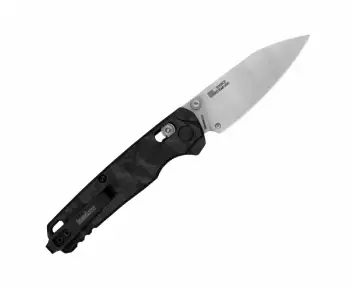
- Ultra-Light Construction: At under 2 ounces, it’s insanely light.
The Grivory handle contributes to this, making it perfect for days when I don’t want to feel anything extra in my pocket.
- Versatile Blade: The drop-point shape with S30V steel (or S90V in fancier models) excels at slicing.
I’ve used it for everything from peeling apples to trimming fishing line, and it performs cleanly.
- Axis Lock: Benchmade’s signature lock is buttery smooth and fully ambidextrous.
It’s one of the reasons I keep coming back—reliable disengagement without finger risk.
- Customizable Options: From handle scales to blade finishes, there are variants to tweak it to your style.
My carbon fiber version added a premium touch without much extra weight.
- Slim Profile: The overall thinness means it disappears in carry.
The deep-carry clip is minimalistic, blending in seamlessly.
This knife embodies the “bug out” ethos—ready when needed, invisible otherwise.
Pros Of The Benchmade Bugout
The Bugout’s reputation is well-earned, based on my experiences:
- Unmatched Lightness: 1.85 ounces feels like nothing. It’s perfect for minimalist EDC, where every gram counts in my loaded pockets.
- Reliable Performance: The S30V blade holds up well. I’ve sharpened it less often than expected after daily chores.
- Discreet Carry: It vanishes in pockets, thanks to the slim design. No one notices it during meetings or outings.
- Strong Community Support: Mods like custom scales are abundant. I’ve swapped mine for better grip without hassle.
- Lifetime Warranty: Benchmade’s LifeSharp service is a bonus. Free sharpening keeps it factory-fresh.
This makes it a staple for anyone prioritizing portability.
Cons Of The Benchmade Bugout
Despite its strengths, the Bugout isn’t flawless:
- Handle Feels Plasticky: The standard Grivory can seem cheap for the price. It flexes slightly side-to-side, which I felt during harder cuts.
- Higher Cost: Base models start at $150, but premiums push $300. I’ve wondered if the materials justify it compared to rivals.
- Uncomfortable for Heavy Tasks: The thin handle digs in during prolonged use. It’s not ideal for extended sessions.
- Overhyped Expectations: Popularity leads to scrutiny. Mine had minor centering issues initially, though fixed easily.
- Limited Blade Options: Standard steel is good, but upgrades add cost. Not everyone needs S90V.
These issues are more noticeable if you’re rough on knives.
Real-World Testing: How They Perform In Daily Life?
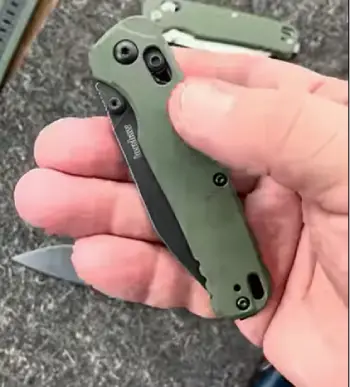
Let me share some stories from using both. Last summer, I took the Bugout on a camping trip.
Its lightness was a blessing during hikes, and it sliced through tent cords effortlessly.
But when carving kindling, the handle flexed, making me switch to something sturdier.
With the Bel Air, I handled a rainy day job site better.
The MagnaCut blade shrugged off moisture while cutting insulation, and the lock held firm.
It felt more confident in grip, though I missed the Bugout’s invisibility in my pocket.
In office settings, both are discreet, but the Bel Air’s action drew compliments from coworkers who tried it.
The Bugout, meanwhile, stayed hidden, perfect for low-key carries.
Lock And Safety Considerations
Safety is key in any knife, and both locks inspire confidence. The Bugout’s AXIS has been my benchmark—it’s intuitive, with no accidental unlocks in years.
I can operate it wearing gloves, which is huge for winter carry. The Bel Air’s DuraLock mirrors this but feels tighter out of the box.
In stress tests, like batting the spine on wood, neither gave way. If you’re new to bar locks, the Bugout might feel more familiar, but the Bel Air’s smoothness wins for speed.
One thing I’ve analyzed: lock wear over time. The Bugout shows minor play after heavy use, but it’s fixable. The Bel Air, being newer, hasn’t shown any yet, but its bearings suggest longevity.
Carry And Concealment
Pocket carry is where these shine as EDCs. The Bugout’s mini clip rides high but secure, vanishing in dress pants. I’ve worn it to meetings without a bulge.
The Bel Air’s deeper clip is even stealthier—it’s like it’s not there until needed. For active lifestyles, the Bugout’s lightness edges out, but the Bel Air’s balance prevents tipping. Both are reversible, suiting left or right carry.
In terms of maintenance, both are straightforward. Disassembly is user-friendly; I’ve cleaned the Bugout’s pivot with basic tools. The Bel Air’s coatings make wiping down easier, resisting fingerprints.
Choosing Based On Your Needs
If you’re like me and value a knife that feels substantial yet performs premium tasks, the Bel Air might be your pick. It’s versatile for urban and outdoor mixes.
But if minimal weight is key, say for travel or athletics, the Bugout’s your ally—it won’t weigh you down.
Consider your hand size too. My medium hands favor the Bel Air’s ergonomics, but smaller grips might love the Bugout’s slimness.
Also read: Comparison Of Leatherman Skeletool And CX
Frequently Asked Questions (FAQ)
It’s loved for its ultra-light weight and reliable Axis Lock, making it a top choice for EDC without bulk.
It depends on needs, but the Bugout excels in lightness, while options like the Bel Air offer great value in premium steel.
Benchmade edges in customization and warranty, but Kershaw shines in action and affordability for similar quality.
Kershaw matches in USA-made quality and performance, especially with models like the Bel Air.
Wrapping It Up
I’ve carried both the Kershaw Bel Air and Benchmade Bugout through countless days, and they’ve each taught me what matters in a pocket knife.
The Bel Air surprised me with its smooth confidence and value, while the Bugout reminded me why lightness rules for on-the-go life.
You might lean toward the Bel Air if you’re after robust features on a budget, or the Bugout if disappearing carry is your priority. Whichever you choose, it’ll serve you well—now go out and put it to use.
Recent Posts
I spent months comparing budget options against established names after my last set of tires wore out sooner than expected.My goal here is to share what I learned from putting Dextero and...
AquaTru Carafe Vs. Classic: Which Is Actually Fits Your Kitchen?
I decided to write this comparison after months of testing both the AquaTru Carafe and the Classic in my own kitchen. Tracking covered daily use.Taste stayed consistent. Refill frequency...