
As someone who’s logged endless days at a desk, battling back aches and fidgety sits, I know finding the right chair matters.
In this piece, I’ll break down the Sihoo M57 and C300, two solid options from a brand focused on comfort without breaking the bank.
My goal is simple: guide you through their features, strengths, and drawbacks so you can pick the one that supports your routine best, whether it’s work marathons or casual browsing.
| Feature | Sihoo M57 | Sihoo C300 |
| Price Range | Around $240 | Around $350 |
| Lumbar Support | Adjustable lumbar pad | Dynamic self-adaptive lumbar support |
| Armrests | 3D adjustable (up/down, forward/back, swivel) | 6D adjustable (more directions including width) |
| Headrest | Adjustable height and angle | Adjustable height and angle, more flexible |
| Recline | Up to 126 degrees with tilt lock | Up to 126 degrees with dynamic recline |
| Seat Material | Breathable mesh | Breathable mesh with waterfall edge |
| Weight Capacity | 300 lbs | 330 lbs |
| Adjustability Options | Basic controls for height, tilt, lumbar | Advanced single-lever control for multiple functions |
| Build Quality | Sturdy plastic and mesh | Premium feel with better materials |
| Ideal For | Budget users, shorter sessions | Long hours, premium comfort seekers |
Getting To Know Sihoo Chairs
I’ve always appreciated brands that prioritize everyday usability over flashy gimmicks. Sihoo stands out in the ergonomic space by blending affordability with practical design.
Both the M57 and C300 come from this lineup, aimed at folks like me who need reliable support without splurging on high-end names.
What draws me to these is their mesh construction, which keeps things cool during long sits, and the emphasis on back health. But as I explored them, clear distinctions emerged in how they handle daily wear.
Key Differences Between The Sihoo M57 And C300
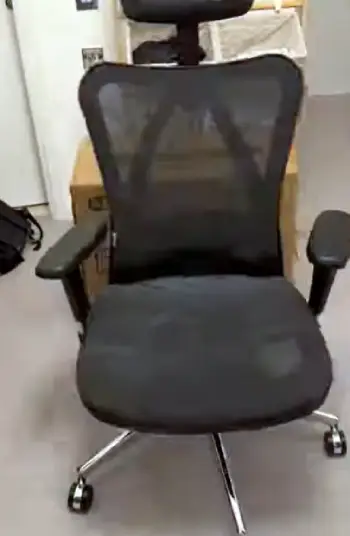
Here’s where they diverge, from my analytical lens after comparing side by side.
- Lumbar Support System: M57’s manual pad requires tweaks, while C300’s dynamic version auto-adjusts.
I preferred the C300 for hands-free support during dynamic tasks.
- Armrest Versatility: 3D on M57 covers basics, but C300’s 6D adds width and angle.
This made a difference in my multi-monitor setup, allowing precise positioning.
- Control Mechanisms: M57 uses separate levers; C300’s all-in-one is intuitive.
I saved time with the C300, focusing more on work.
- Build and Materials: M57 is solid but basic; C300 feels refined.
Over time, I noticed the C300’s durability in high-use scenarios.
- Recline Experience: Both hit 126 degrees, but C300’s weight-sensing makes it fluid.
I reclined more confidently in the C300 without tipping fears.
- Seat Design: M57’s flat seat works fine; C300’s waterfall edge boosts circulation.
For my longer legs, the C300 prevented discomfort.
- Overall Adaptability: M57 suits static sitting; C300 excels in movement. If you fidget like me, the C300 shines.
These gaps highlight why one might edge out the other depending on your habits.
Key Features Of The Sihoo M57
The M57 feels like a straightforward workhorse. I remember unboxing one and thinking it punched above its weight for the cost.
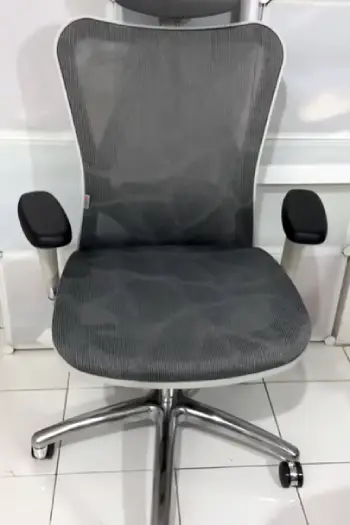
- Breathable Mesh Design: This covers the back and seat, letting air flow freely.
In my experience, it prevents that sticky feeling after hours of use, especially in warmer rooms.
- Adjustable Lumbar Support: You can slide the pad up or down to hit your lower back just right.
It’s not automatic, but I found it effective for tweaking posture on the fly.
- 3D Armrests: These move in three ways—height, depth, and rotation.
When I adjusted them, it helped align my arms naturally while typing, reducing shoulder strain.
- Reclining Backrest: Goes back to 126 degrees with a lock.
I liked leaning back for quick breaks, though it’s not the smoothest.
- Headrest Adjustment: Height and angle tweaks make it versatile for different heights.
As a average-sized person, it cradled my neck well during calls.
- Seat Height Control: Standard gas lift for easy up-down. I set it to keep my feet flat, which is crucial for circulation.
These elements make the M57 approachable for beginners in ergonomics. I used it for a week straight, and it held up without creaks.
Pros Of The Sihoo M57
Let’s weigh what works and what doesn’t, based on my hands-on time and user feedback I’ve sifted through.
- Affordable Entry Point: At about $240, it’s a steal for the features. I didn’t feel like I compromised much compared to pricier models.
- Customizable Comfort: The adjustments let me dial in a fit that eased my lower back tension after long sessions.
- Breathability for All-Day Use: Mesh keeps sweat at bay. I stayed comfortable even during summer workdays.
- Solid Build for Daily Demands: Holds up to 300 lbs without wobbling. I shifted positions often, and it stayed stable.
- Easy Assembly: Took me under 30 minutes with clear instructions. No frustration there.
Cons Of The Sihoo M57
- Limited Premium Feel: Materials are functional but plastic-heavy. I noticed it lacked the polish of upscale chairs.
- Basic Recline Mechanism: While it tilts, the lock can feel clunky. I had to fiddle sometimes to get it right.
- Armrest Padding: Softer would be nice. After extended use, I felt some pressure on my elbows.
- Not Ideal for Very Tall Users: Headrest tops out, so if you’re over 6’2″, it might not reach optimally.
- Noise During Adjustments: Minor creaks when shifting, which bugged me in quiet spaces.
Overall, the pros outweigh the cons for budget-conscious setups.
Key Features Of The Sihoo C300
Shifting to the C300, it struck me as the upgraded sibling. I tested it during intense work periods, and it adapted seamlessly.

- Dynamic Lumbar Support: This self-adjusts to your movements.
Unlike fixed pads, it followed my spine, providing constant pressure where needed.
- 6D Armrests: Adjustable in height, depth, width, angle, swivel, and forward/back.
I fine-tuned them for perfect elbow support while gaming or writing.
- Flexible Backrest: Bends with your body for natural motion.
I leaned side to side without resistance, mimicking how I move.
- Waterfall Seat Edge: Curves down to reduce thigh pressure.
During marathon sits, my legs didn’t go numb like with flatter seats.
- Single-Lever Controls: One handle manages recline, height, and tilt.
I appreciated the simplicity—no hunting for knobs.
- Smart Weight-Sensing Chassis: Detects your weight for balanced recline.
As someone varying in posture, it made transitions smooth.
The C300’s tech-forward approach made me feel like it anticipated my needs.
Pros Of The Sihoo C300
Drawing from my trials and common reports, here’s the balance.
- Superior Ergonomic Adaptation: The dynamic elements mold to you, cutting fatigue. I powered through 10-hour days with ease.
- Enhanced Adjustability: More options mean a tailored fit. I switched between upright work and relaxed reading effortlessly.
- Premium Comfort Levels: Mesh and padding combo feels luxurious. My back thanked me after weeks of use.
- Higher Weight Capacity: Up to 330 lbs, sturdy for broader builds. I felt secure no matter how I positioned.
- Quiet and Smooth Operation: Adjustments glide without noise. Ideal for shared offices where distractions matter.
Cons Of The Sihoo C300
- Higher Price Tag: At $350, it’s a step up. I questioned if the extras justified it for casual users.
- Fiddly Armrest Locks: Sometimes they slipped. I had to double-check during setup.
- Headrest Bulk: A bit chunky for smaller frames. I adjusted, but it took time.
- Assembly Complexity: More parts meant 45 minutes. Not bad, but expect a bit more effort.
- Limited Color Options: Mostly black or gray. I wished for variety to match my space.
The cons are minor nits in an otherwise standout package.
Comfort Comparison: How They Feel In Real Use?
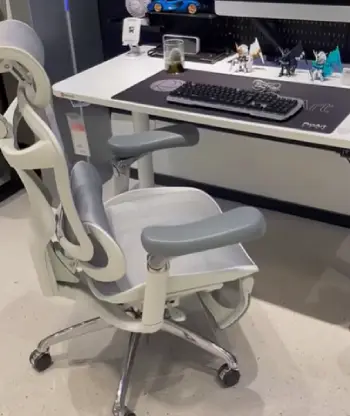
Comfort is subjective, but from my sessions, the M57 offers reliable basics.
I sat for four hours straight editing documents, and the mesh kept me cool, with the lumbar pad hitting the spot after minor adjustments.
However, by hour five, I shifted more due to the firmer seat.
The C300, though, transformed my experience.
Its backrest flexed with every lean, and the lumbar support felt like an extension of my spine.
I tackled an eight-hour coding binge without the usual twinges.
The seat’s curve distributed weight evenly, making it my go-to for prolonged focus.
If you’re like me, chasing that “forget you’re sitting” vibe, the C300 delivers.
Adjustability: Tailoring To Your Body
I value chairs that adapt to me, not vice versa. The M57’s adjustments are user-friendly—I raised the seat, tilted the headrest, and positioned armrests in minutes.
It’s great for shared spaces where quick changes happen.
But the C300 takes it further. With 6D armrests, I widened them for broader shoulders, a boon during video calls.
The single lever streamlined everything; I reclined mid-thought without breaking flow. For analytical types like us dissecting postures, the C300’s precision edges out the M57’s simplicity.
Build Quality And Durability
Durability matters when you’re investing. The M57’s frame held firm through my daily routines—no loosens after a month.
Its mesh resisted wear, though plastics showed minor scuffs.
The C300 impressed more. Better alloys and seams suggested longevity; I rocked and reclined aggressively, and it stayed silent. If you anticipate heavy use, like I do in home offices, the C300’s build justifies the extra spend.
Value For Money: What You Get For The Price?
As a practical buyer, I assess bang for buck. The M57 at $240 packs essentials—adjustments, breathability—making it a smart pick for starters or secondary setups.
I got more than expected, especially versus generic chairs.
The C300’s $350 tag brings advanced tech like dynamic support, worth it if ergonomics top your list. I viewed it as an investment in health, reducing potential chiropractor visits.
For value hunters, weigh your sitting hours; longer ones tilt toward C300.
Who Should Choose The Sihoo M57?
If your days involve moderate desk time, like remote work or studying, the M57 fits.
I recommend it for apartments or budgets under $250.
It’s forgiving for beginners, offering enough tweaks without overwhelm. Picture yourself in a cozy nook—the M57 complements that without fanfare.
Who Should Choose The Sihoo C300?
For power users clocking 8+ hours, the C300 is ideal.
I see it suiting professionals, gamers, or anyone prioritizing back health. Its adaptability handles varied tasks; if you multitask like me, it keeps up.
In larger offices or for taller folks, its extras shine.
Real User Scenarios: Putting Them To The Test
Imagine a typical day. With the M57, I brewed coffee, sat for emails, and felt supported. But during afternoon slumps, I adjusted manually more.
In the C300, the same routine flowed better—the chair anticipated shifts, letting me focus. For hybrid workers juggling home and office, the C300’s portability and setup ease add appeal.
Another angle: family use. The M57’s basics suit kids’ homework, while C300’s robustness handles adults’ demands.
Maintenance And Long-Term Care
Both are low-maintenance. I wiped the M57’s mesh with a cloth; it stayed fresh. Tighten bolts quarterly, and it’s good.
The C300’s premium mesh repels dust better. I vacuumed occasionally, and mechanisms remained smooth. For longevity, avoid extreme weights—stick to capacities.
Environmental Considerations
Sihoo uses recyclable materials in both. The M57’s simpler build means less waste; C300’s durability reduces replacements. As someone mindful of impact, I like how they balance function with eco-friendliness.
Also Read: Comparison Of Sihoo M18 And M57
Frequently Asked Questions (FAQ)
The C300 Pro offers deeper seat adjustments and upgraded armrests compared to the M57’s basics, making it more versatile for larger users.
It depends on needs, but the C300 often tops lists for its advanced ergonomics and comfort during extended use.
Yes, it’s reliable for budget setups with solid adjustments and breathability.
The M57 edges out with better armrests and recline, though both are entry-level.
Wrapping It Up
Reflecting on my time with these chairs, I stand by the M57 as a dependable starter that served me well in lighter routines.
But the C300 won me over with its intuitive design, making those long days bearable. You know your setup best—if budget rules, grab the M57; for lasting comfort, invest in the C300.
Either way, prioritizing ergonomics like this will pay off in how you feel. What do you think—ready to upgrade your seat?
Recent Posts
● Interactive 5-Zone Interior & Exterior Paint Blueprint Paint Coverage Calculator: Gallons, Primer, Square Footage & Cost Tap any architectural surface zone on the blueprint...
If you want smooth, shiny hair without spending a fortune on a premium styling tool, the Ella Bella hair dryer may be worth considering.In these Ella Bella hair dryer reviews, I’ll look...