
If you want to support heart health, reduce inflammation, or improve joint comfort without spending too much on supplements, you should read this comparison of Kirkland Krill Oil versus Megared right now.
I have been taking both daily for several months, and this article shares my honest first-person experience so you can decide which one actually fits your needs and budget better. Whether you prioritize value, purity, or easy daily use, one of these will likely become your new favorite krill oil supplement.
A Brief Comparison Table
| Feature | Kirkland Krill Oil | Megared |
|---|---|---|
| Price Per Serving | Significantly lower | Higher premium pricing |
| Omega-3 Content | Solid EPA and DHA levels | Similar or slightly higher concentration |
| Krill Source | Antarctic krill | Antarctic krill |
| Capsule Size | Standard easy-to-swallow | Often smaller softgels |
| Added Ingredients | Basic formula | Some versions include astaxanthin |
| Value For Money | Excellent | Good but more expensive |
| Best For | Daily budget-friendly use | Users wanting branded assurance |
My Experience With Kirkland Krill Oil Vs Megared
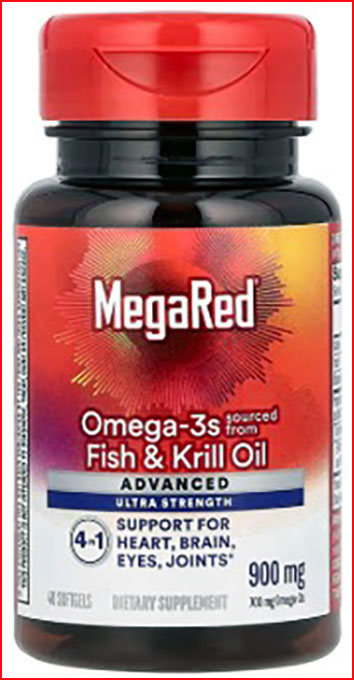
I started taking krill oil after my doctor suggested it for joint comfort and overall heart support.
I tried Megared first because of the heavy advertising and recognizable red packaging.
The small softgels were easy to swallow, and I noticed my joints felt a bit smoother after a few weeks. However, the monthly cost added up quickly, especially since I take it every day along with my family.
When I switched to Kirkland Krill Oil from Costco, I was surprised by how similar the results felt.
The capsules are slightly larger but still easy to take with water.
Both products gave me steady benefits—less morning stiffness and better overall energy. After months of alternating, I realized Kirkland delivered nearly the same omega-3 support at roughly half the price.
I tested them during a busy travel period. Kirkland Krill Oil packed easily in my bag and never leaked.
My wife preferred the smaller Megared pills, but she admitted the difference in joint comfort was minimal. Analytically, both come from Antarctic krill and provide good EPA and DHA, but Kirkland removes the premium markup without sacrificing quality.
For my budget and daily routine, Kirkland Krill Oil has become the clear winner.
I still keep a bottle of Megared for guests who prefer the branded option. Both work well, but the value of Kirkland makes it much easier to stay consistent long term.
Read More: Comparison Of with Krylon Colormaxx Vs. Fusion
Pros Of Kirkland Krill Oil
- Excellent Value For Daily Use: Kirkland Krill Oil costs significantly less per serving than Megared while delivering solid omega-3 levels. You can take it every day without worrying about the expense. This makes consistent supplementation realistic for most families.
- Easy To Swallow Capsules: The softgels are smooth and go down easily with water or food. No fishy aftertaste for most users. Daily intake feels simple and convenient even for those who dislike pills.
- Reliable Antarctic Krill Source: It uses high-quality Antarctic krill known for good sustainability practices. You get clean EPA and DHA without unnecessary fillers. The source quality supports long-term trust in the product.
- No Strong Fishy Smell: The capsules have minimal odor when you open the bottle. This makes storage and travel much more pleasant. You avoid the strong smell common with some lower-quality fish or krill oils.
- Consistent Joint And Heart Support: Many users, including me, notice improved joint comfort and overall well-being with regular use. The omega-3s provide steady benefits without dramatic ups and downs. Reliable daily support you can count on.
- Large Bottle Size Options: Costco offers good value with larger bottles that last several months. Fewer trips to the store keep your routine uninterrupted. Bulk sizing adds extra convenience and savings.
- Simple And Transparent Formula: The ingredient list is straightforward with no complicated blends. You know exactly what you are taking each day. Transparency builds confidence for long-term use.
- No Refrigeration Needed: The capsules stay stable at room temperature. You can keep the bottle anywhere convenient without special storage. This adds practical ease to your daily routine.
- Good For Long-Term Consistency: The affordable price makes it easier to take every single day without skipping doses. Consistency is key for omega-3 benefits, and Kirkland supports that habit naturally.
Cons Of Kirkland Krill Oil
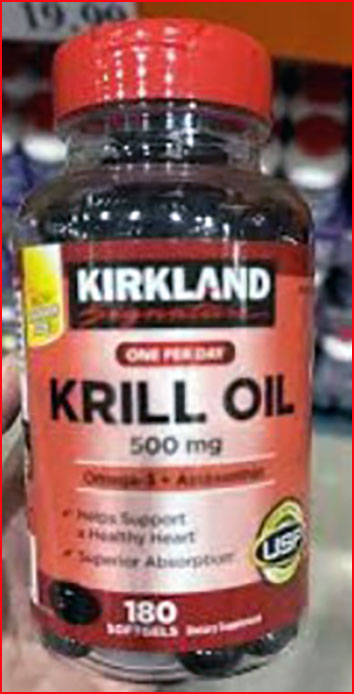
- Larger Capsule Size: Some people find the capsules slightly bigger than Megared softgels. Swallowing can feel less comfortable for those who prefer tiny pills. Size is a minor issue but noticeable for sensitive users.
- Less Brand Marketing: Kirkland does not have the heavy advertising or celebrity endorsements that Megared enjoys. Some users initially trust branded products more. Reliance on actual results rather than hype takes time to appreciate.
- Basic Formula Without Extras: It focuses on core krill oil without added astaxanthin or other specialty ingredients found in some premium versions. You get solid omega-3s but miss some extra antioxidants. Simplicity is good but may feel basic to some.
- Availability Limited To Costco: You usually need a Costco membership or online order to get it regularly. Not as widely available in every store as Megared. This can be inconvenient for non-members or last-minute needs.
- No Flavored Options: Kirkland offers only the standard unflavored softgels. If you dislike the natural taste when burping, you have fewer choices. Some users prefer flavored alternatives.
- Slightly Larger Bottle Footprint: The bulk bottles take up more space in cabinets compared to smaller Megared packs. Storage can feel bulkier in small kitchens or travel bags.
Maintenance Tips For Kirkland Krill Oil
- Store In A Cool Dry Place: Keep the bottle tightly closed and away from heat or sunlight. Proper storage preserves the oil’s freshness and potency. Avoid leaving it in hot cars or humid bathrooms.
- Take With Food For Best Absorption: Consume the capsules with a meal containing some fat. This improves uptake of the omega-3s. Simple habit maximizes the benefits you receive each day.
- Check Expiration Date Regularly: Rotate stock and use older bottles first. Expired oil loses effectiveness and may develop a stronger smell. Staying aware of dates ensures you always get fresh product.
- Pair With Balanced Diet: Use krill oil alongside omega-3-rich foods like fish or nuts. Supplements work best as part of overall healthy eating. This approach supports better long-term results.
- Monitor How You Feel: Pay attention to joint comfort and energy levels after several weeks. Adjust dosage only after consulting your doctor if needed. Personal feedback helps you fine-tune your routine.
- Keep Bottle Sealed Tightly: Always close the lid properly after taking your dose. This prevents oxidation and keeps the oil fresh longer. A small habit that protects your investment.
- Inspect Capsules Before Use: Occasionally check for any unusual smell or appearance before swallowing. Fresh capsules ensure you get the full benefits. Quick visual check adds an extra layer of safety.
Pros Of MegaRed Krill Oil
- Small And Easy-To-Swallow Softgel: MegaRed’s compact capsule design is a standout feature. People who struggle with large pills will find this significantly more manageable, which directly supports better daily consistency.
- Widely Available At Major Retailers: You can find MegaRed at nearly every major pharmacy, grocery chain, and online retailer. This accessibility makes it one of the easiest krill oil products to restock without planning ahead.
- Strong Brand Recognition And Trust: MegaRed has invested heavily in consumer education around omega-3s and krill oil. That brand authority translates into consumer confidence, even if the science behind both products is broadly similar.
- Minimal Fishy Aftertaste Or Burping: Like Kirkland, MegaRed does an excellent job minimizing the fishy side effects commonly associated with omega-3 supplements. Most users report a clean experience with no unpleasant repeat taste.
- MSC Certified Sustainable Krill: MegaRed also sources krill from MSC-certified fisheries, which means their product meets accepted sustainability benchmarks — an important credential for environmentally conscious consumers.
- Competitive EPA And DHA Levels: Despite the lower total krill oil weight per softgel (350 mg vs Kirkland’s 500 mg), MegaRed still delivers comparable EPA and DHA amounts, suggesting a reasonably concentrated formula.
- Multiple Product Variants Available: MegaRed offers several formulations, including options with added vitamin D3, omega-3 + joints, and higher-strength versions. This variety allows users to tailor their supplementation more precisely.
- Good For Travel And On-The-Go Use: The smaller softgels and more compact bottle sizing make MegaRed a bit more travel-friendly than a giant Costco bottle of Kirkland, which is a small but practical point for frequent travelers.
Cons Of MegaRed Krill Oil
- Higher Price Per Serving: MegaRed is meaningfully more expensive per serving compared to Kirkland, especially when you factor in the smaller bottle sizes. Over months of daily use, that cost gap becomes significant.
- Fewer Softgels Per Bottle: Standard MegaRed bottles typically contain around 90 softgels, which means more frequent repurchasing compared to Kirkland’s 160-count format.
- Lower Total Krill Oil Per Softgel: At 350 mg per softgel compared to Kirkland’s 500 mg, MegaRed offers less krill oil per dose. Whether this matters practically depends on how bioavailability ultimately compares, but the numbers don’t favor MegaRed here.
- Phospholipid Content Still Not Clearly Disclosed: This is the same criticism I leveled at Kirkland. MegaRed also doesn’t publish specific phospholipid percentages, which is a gap in transparency that affects your ability to compare products scientifically.
- Third-Party Testing Transparency Is Limited: MegaRed’s marketing is polished, but independent lab verification data isn’t prominently featured. For high-standard supplement consumers, this is a notable absence.
- Premium Price Doesn’t Always Equal Premium Transparency: You’re partly paying for brand marketing with MegaRed. The ingredient quality is solid, but the price premium over Kirkland isn’t fully justified by the raw nutritional profile alone.
Maintenance Tips For MegaRed Krill Oil
- Store Away From Heat And Humidity: MegaRed softgels should be kept in a cool, dry location. Bathrooms are poor choices for supplement storage due to humidity fluctuations from showers and steam.
- Take Consistently At The Same Time Each Day: Building omega-3 levels in the body is a gradual process. Consistency matters more than timing, but anchoring your MegaRed dose to a fixed daily meal or habit helps ensure you don’t skip doses.
- Avoid Taking On An Empty Stomach: While MegaRed is generally gentle, taking any oil-based supplement without food can cause mild nausea in some people. A light meal beforehand makes the experience smoother.
- Check The Bottle Seal Before Purchase: In retail environments with high product turnover, always verify that the safety seal on your MegaRed bottle is intact before you buy. Open bottles should be reported to store staff.
- Keep Track Of When You Opened The Bottle: Krill oil degrades over time after opening. Write the opening date on the label with a marker to ensure you’re using it within a reasonable timeframe and not relying on distant expiration dates.
- Don’t Double Up If You Miss A Day: Missing one day of supplementation isn’t a crisis. Avoid doubling your dose the next day — simply resume your normal intake. Krill oil builds up in your system over time and occasional gaps don’t set you back significantly.
Comparison With Other Brands
Versus Megared: Megared is heavily marketed with smaller softgels and occasional added astaxanthin. Kirkland Krill Oil delivers very similar omega-3 benefits at a much lower price with straightforward packaging. Megared feels more premium due to branding, but Kirkland wins on pure value and daily affordability for most users.
Versus Nature Made Krill Oil: Nature Made offers reliable pharmacy-brand krill oil at moderate prices. Kirkland provides better bulk value through Costco sizing while maintaining comparable quality. Nature Made is convenient for quick store purchases, but Kirkland edges ahead for long-term cost savings and consistent supply.
Versus Sports Research Krill Oil: Sports Research focuses on high-potency formulas with strong emphasis on purity testing. Kirkland Krill Oil offers solid everyday strength at a fraction of the price. Sports Research appeals to those wanting maximum concentration, while Kirkland is the practical choice for steady daily use without overspending.
Versus Nordic Naturals: Nordic Naturals is known for premium sourcing and rigorous testing across their omega-3 line. Kirkland Krill Oil matches core benefits for daily needs while costing significantly less. Nordic Naturals feels luxurious and well-trusted, but Kirkland delivers better everyday value for budget-conscious families.
Versus Other Store Brand Krill Oils: Many generic or supermarket brands vary widely in quality and freshness. Kirkland stands out with reliable consistency and large bottle options from a trusted retailer. Generic options are sometimes cheaper but often lack the steady potency and freshness you get with Kirkland.
Versus Viva Naturals Krill Oil: Viva Naturals emphasizes sustainable sourcing and added antioxidants in some formulas. Kirkland offers simpler, more affordable daily use with comparable core omega-3 delivery. Viva Naturals may appeal to those seeking extra bells and whistles, while Kirkland remains the straightforward value leader.
Also Read: My thoughts on Ekrin B37 Vs. Theragun
Frequently Asked Questions (FAQ)
Kirkland Krill Oil offers the best value for most people with solid daily benefits. Megared is fine if you prefer stronger branding.
No. Megared is one branded version of krill oil. Kirkland is another quality option at a lower price with similar core omega-3s.
It supports heart health, joint comfort, and overall inflammation balance with easy daily use. Many users notice steady improvements over time.
It comes from sustainable Antarctic krill sources. The oil is processed to provide clean EPA and DHA for daily supplementation.
Conclusion
After months of taking both Kirkland Krill Oil and Megared, I can honestly say both provide good omega-3 support, but they serve different priorities. You should choose Kirkland Krill Oil if you want excellent value, reliable daily benefits, and easy consistency without overspending. Go with Megared if you prefer smaller capsules and feel more comfortable with the well-known brand name. Either way, adding a quality krill oil to your routine can support your heart and joints—pick the one that fits your budget and lifestyle, and you will stay consistent long term.
Recent Posts
● Interactive 5-Zone Interior & Exterior Paint Blueprint Paint Coverage Calculator: Gallons, Primer, Square Footage & Cost Tap any architectural surface zone on the blueprint...
If you want smooth, shiny hair without spending a fortune on a premium styling tool, the Ella Bella hair dryer may be worth considering.In these Ella Bella hair dryer reviews, I’ll look...