
I set out to settle the KitchenAid Artisan versus Classic debate once and for all after years of using both in my own kitchen.
My goal is simple: help you decide which tilt-head stand mixer fits your baking habits, budget, and counter space without the usual marketing haze.
I tested them side by side on everyday batters, cookie dough, and the occasional bread loaf so you get a clear, practical picture.
| Feature | KitchenAid Artisan | KitchenAid Classic |
| Motor Power | 325 watts | 275 watts |
| Bowl Capacity | 5 quarts | 4.5 quarts |
| Bowl Handle | Yes | No |
| Pouring Shield | Usually included | Rarely included |
| Color Options | 20+ | 2–3 (black, white, sometimes silver) |
| Speeds | 10 | 10 |
| Attachment Hub | Yes (same system) | Yes (same system) |
| Typical Price Range | Higher | Lower |
| Best For | Frequent bakers, larger batches | Occasional bakers, everyday recipes |
Key Differences Between The Kitchenaid Artisan And Classic
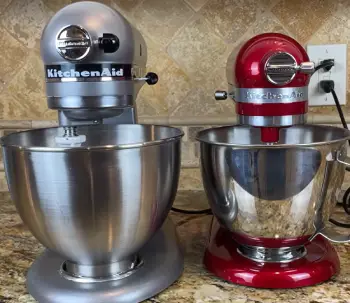
- Motor power and real-world strength: The Artisan carries a 325-watt rating while the Classic sits at 275 watts.
On paper that gap looks meaningful. In practice both handle cake batter, frosting, and cookie dough with ease. The extra watts on the Artisan show up mainly when I push dense bread dough or double batches of cookie dough.
The Classic still finishes the job. It simply works a little harder and may need a brief rest on the heaviest mixes.
- Bowl size and daily convenience: Half a quart does not sound like much until you try to fold chocolate chips into a full batch of cookie dough or whip a large volume of cream.
The Artisan’s 5-quart bowl gives breathing room. The Classic’s 4.5-quart bowl is fine for standard recipes but can feel tight once add-ins go in.
The Artisan bowl also includes a handle which makes pouring batter into pans far less awkward.
- Included accessories and mess control: Both arrive with a flat beater, dough hook, and wire whip.
Most Artisan packages add a pouring shield that clips onto the bowl rim. That single piece keeps flour and sugar from flying across the counter.
The Classic usually ships without it so you either buy one later or accept a bit more cleanup.
- Color selection and kitchen presence: The Artisan line is famous for its wide palette.
You can match nearly any kitchen scheme or simply pick a shade that makes you smile every time you walk past the counter.
The Classic sticks to black, white, and occasionally silver.
If the mixer will live in plain sight the Artisan gives you more personality.
- Price and long-term value: The Classic costs less up front. The Artisan asks for a higher investment.
Over years of regular use the extra capacity, handle, and shield often justify the difference for anyone who bakes weekly.
For someone who pulls the mixer out only a few times a month the Classic delivers the same core performance at a friendlier price.
Key Features Of The Kitchenaid Artisan
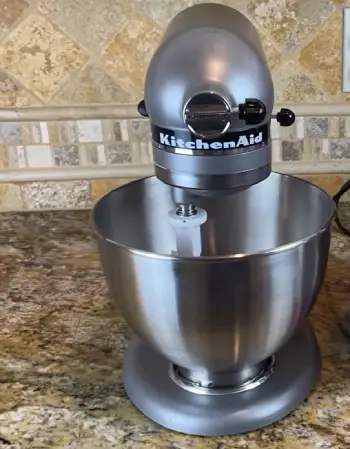
- 325-watt motor and planetary mixing action: The motor drives the classic KitchenAid planetary motion that reaches nearly every part of the bowl.
I notice consistent results whether I am creaming butter and sugar or kneading a modest batch of pizza dough.
The action keeps ingredients moving toward the center for even mixing every time.
- 5-quart stainless steel bowl with handle: The polished or brushed finish resists stains and the handle lets me lift and pour without two-handed juggling.
Capacity covers up to about nine dozen cookies in one go.
The extra space reduces the need to stop and scrape the sides as often.
- Pouring shield: The plastic shield sits on the rim and has an opening for adding ingredients while the mixer runs.
It cuts down on countertop messes dramatically during the dry-ingredient stage.
Cleanup becomes quicker because less flour ends up on the counter or floor.
- Wide color range and solid construction: The die-cast metal body feels substantial. Color options range from quiet neutrals to bold statement hues so the mixer can double as a design element.
The build quality matches the rest of the KitchenAid lineup for lasting durability.
- Universal attachment hub: The hub accepts the full range of KitchenAid accessories including pasta rollers, meat grinders, spiralizers, and more.
One machine becomes a small kitchen workstation without needing extra counter space for other devices.
Pros Of The KitchenAid Artisan
- Larger working capacity for family-sized or batch baking: I can mix bigger cookie dough batches or denser bread doughs without overcrowding the bowl. That extra half quart reduces the need to split recipes. It saves time when preparing for gatherings or weekly meal prep.
- Bowl handle and pouring shield improve daily usability: Lifting a full bowl of batter is safer and cleaner. The shield keeps the kitchen neater which matters when I am baking on a weekday evening. Both features cut down on small frustrations that add up over time.
- Greater color variety turns the mixer into a statement piece: Matching the mixer to cabinets or simply choosing a cheerful hue makes the tool more enjoyable to leave on the counter. The range of options lets you personalize the look without extra effort. It becomes part of the kitchen style rather than just a tool.
- Slightly stronger motor for thicker mixtures: Dense doughs and larger volumes place less strain on the motor which can translate into longer service life under heavy use. The extra power shows most clearly during kneading sessions. Results stay consistent even when the bowl is full.
- Same attachment ecosystem as every other KitchenAid: Future expansion is straightforward and inexpensive relative to buying a second specialized machine. You can add pasta making or meat grinding later without replacing the base unit. The hub design remains compatible across the line.
Cons Of The KitchenAid Artisan
- Higher purchase price: The upgrades cost more. If budget is tight or baking is infrequent the extra money may feel unnecessary. Sales can narrow the gap but the Classic still starts lower in most cases.
- Slightly more weight and presence on the counter: The difference is small yet anyone who stores the mixer in a cabinet will notice the extra heft when lifting it out. It remains manageable for most people. The solid build contributes to the weight.
- Soft-start feature is not always present: Some Artisan models lack the gradual ramp-up that keeps dry ingredients from flying. Starting on the lowest speed still works but it requires a more careful hand. A quick habit adjustment solves most issues.
Key features Of The KitchenAid Classic
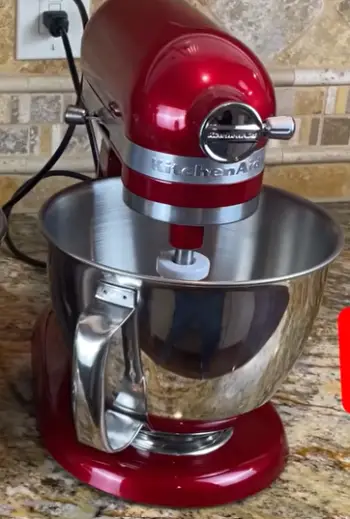
- 275-watt motor with the same planetary action: It delivers thorough mixing for the recipes most home bakers actually make.
Soft start on many Classic models begins at a gentle speed so flour does not billow out of the bowl. The motion still reaches the sides and bottom for reliable results.
- 4.5-quart brushed stainless steel bowl: Compact enough for smaller kitchens yet large enough for a standard cake recipe or a couple of loaves of sandwich bread.
The lack of a handle is noticeable only when the bowl is full and heavy.
The brushed finish hides fingerprints well during daily use.
- Essential three attachments: Flat beater, dough hook, and wire whip cover the majority of tasks.
Extra accessories can be added later through the same hub system used by every other KitchenAid stand mixer.
The coated surfaces resist sticking and clean up without much effort.
- Streamlined footprint and lower price: Dimensions are nearly identical to the Artisan so counter or cabinet space is not an issue.
The simpler color choices and slightly lower motor rating keep the cost down without sacrificing durability.
It remains a solid choice for steady everyday baking.
- Reliable everyday performance: The Classic is built with the same attention to longevity that defines the brand.
It handles boxed mixes, frosting, whipped cream, and moderate doughs without complaint.
Many owners report years of consistent service when the machine is not overloaded.
Pros Of The KitchenAid Classic
- Lower entry price without sacrificing core quality: You still get the iconic design, planetary mixing, and durable construction at a more accessible cost. The savings leave room in the budget for other kitchen tools. Performance remains reliable for standard recipes.
- Soft-start feature on many versions: The mixer begins gently which is especially helpful when combining flour and liquids. Less mess means less wiping. The gradual increase protects light ingredients from scattering.
- Compact bowl that still covers most home recipes: For cakes, cookies, frosting, and modest bread batches the 4.5-quart size is entirely adequate. It fits well in smaller kitchens. Standard family recipes rarely push the limits.
- Simple color options that blend into any kitchen: Black or white never looks dated and requires no second-guessing about décor matches. The neutral finishes work with nearly every style. They stay understated yet classic.
- Identical attachment hub for future upgrades: You can grow into pasta making or meat grinding later without replacing the entire machine. The system matches the rest of the KitchenAid family. Expansion stays simple and compatible.
Cons Of The KitchenAid Classic
- Smaller bowl and no handle: Larger batches feel cramped and pouring requires two hands or careful tilting. The missing handle becomes noticeable the first time the bowl is full of sticky dough. It works fine for average amounts but limits scaling up.
- No pouring shield in the standard package: Flour clouds and sugar sprays are more common unless you purchase the shield separately. Cleanup takes a bit longer on messy recipes. The shield remains an optional add-on for most Classic models.
- Limited color selection: If the mixer will sit in plain view and you prefer something brighter the Classic may feel understated. The neutral choices suit many kitchens yet lack the variety of the Artisan line. Personal expression stays more restricted.
- Motor works harder on heavy dough: It finishes the task yet the Artisan’s extra watts give a smoother experience when kneading regularly. Longer sessions may call for brief pauses. Everyday batters still mix without issue.
Real-World Performance Comparison
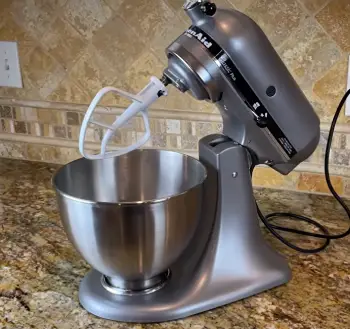
I ran the same recipes on both machines. Cake batter mixed smoothly on low speeds with either model.
Cookie dough came together cleanly though the Artisan finished larger batches with less bowl scraping. Bread dough tested the motors most clearly. The Classic kneaded a single loaf without drama.
The Artisan handled a double batch with less vibration and shorter rest pauses. Whipped cream and egg whites reached stiff peaks at similar speeds on both.
The pouring shield on the Artisan kept the counter cleaner during the early stages of almost every recipe.
Noise levels sit in the same range. Both produce a steady hum rather than a high-pitched whine. Cleaning is straightforward.
The bowls and coated attachments go in the dishwasher on most models while the wire whip usually needs hand washing.
The tilt-head design on both lets me add ingredients or scrape the bowl without removing the entire head.
Who Should Choose Which Model?
Choose the Artisan if you bake several times a week, often scale recipes up, or simply want the convenience of a handle and shield.
The extra capacity and color choices also matter if the mixer stays on the counter as a design element. Choose the Classic if you bake less frequently, stick to standard batch sizes, and prefer to keep the initial cost lower.
Both machines share the same attachment ecosystem so neither choice locks you out of future accessories.
Durability is comparable. KitchenAid builds both with die-cast metal bodies and expects them to last for years of regular home use.
The one-year limited warranty applies to both. Long-term owners of either model often report a decade or more of service when the machines are not overloaded.
Also Read: Comparison Of Henckels Paradigm And Hexclad
Frequently Asked Questions (FAQ)
It depends on how often and how large you bake. Frequent bakers or those who make bread regularly usually prefer the Artisan. Occasional bakers do well with the Classic.
The Artisan offers a larger 5-quart bowl with handle, a 325-watt motor rating, more color choices, and usually a pouring shield compared with the Classic.
Yes for anyone who values capacity, convenience features, and color options enough to justify the higher price. For light use the Classic already delivers solid results.
The Artisan edges ahead with its larger bowl and greater color range. The Deluxe sits between Classic and Artisan in features and price for some markets.
Final Thoughts
I have used both mixers long enough to trust either one for the recipes I make most. The Artisan gives me a little more room, a handle that makes pouring safer, and a shield that keeps flour off the floor.
The Classic proves that you do not need every upgrade to produce excellent cakes, cookies, and bread.
You now have the practical differences laid out clearly. Look at how often you bake, the size of the batches you prefer, and the budget that feels comfortable.
Once you decide the chosen mixer will become a reliable partner that turns out consistent results for years.
Your kitchen, your habits, and your preferences will point you to the right choice.
Recent Posts
● Interactive 5-Zone Interior & Exterior Paint Blueprint Paint Coverage Calculator: Gallons, Primer, Square Footage & Cost Tap any architectural surface zone on the blueprint...
If you want smooth, shiny hair without spending a fortune on a premium styling tool, the Ella Bella hair dryer may be worth considering.In these Ella Bella hair dryer reviews, I’ll look...