
I set out to settle the KitchenAid Artisan versus Ultra Power debate once and for all after years of baking, testing both in my own kitchen, and watching friends struggle with the choice.
My goal is simple: give you a clear, practical breakdown so you can pick the mixer that actually fits how you cook, without the usual marketing fog.
| Feature | KitchenAid Artisan | KitchenAid Ultra Power |
| Bowl Capacity | 5 quarts | 4.5 quarts |
| Motor Power | 325 watts | 275–300 watts |
| Design | Tilt-head | Tilt-head |
| Speeds | 10 | 10 |
| Bowl Handle | Yes | Usually no |
| Pouring Shield | Often included | Rarely included |
| Color Options | Dozens | Limited |
| Cookie Batch Capacity | Up to 9 dozen | Up to 7–8 dozen |
| Typical Price Range | Higher | More budget-friendly |
| Best For | Frequent bakers, larger batches | Casual use, smaller households |
Key Differences Between The KitchenAid Artisan And Ultra Power
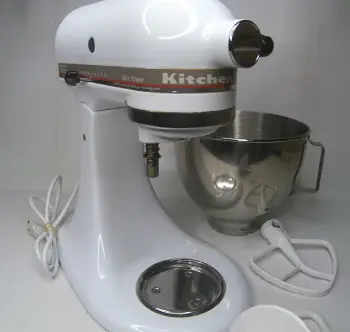
- Motor strength and torque: The Artisan’s 325-watt motor gives it a clear advantage on stiff doughs and longer kneads.
I have tested both machines on the same dense bread recipes and noticed the Ultra Power works harder while generating more heat.
That extra power becomes valuable when you regularly prepare bagels, pizza bases, or oversized cookie batches.
- Bowl size and practical capacity: The half-quart difference feels small on paper yet shows up quickly during holiday baking.
The Artisan’s 5-quart bowl with its comfortable handle lets me move a full load of batter safely.
The Ultra Power’s 4.5-quart size forces more careful handling and limits maximum batch sizes.
- Accessories and everyday convenience: The Artisan typically includes a pouring shield and dishwasher-safe coated beaters right out of the box.
The Ultra Power usually ships with only the basic three attachments and treats the shield as an optional extra.
Those small inclusions reduce mess and cleanup time over repeated use.
- Color and kitchen presence: The Artisan offers a wide range of finishes that let the mixer blend into almost any kitchen style.
The Ultra Power sticks to a narrower selection of colors and can look more utilitarian on an open counter.
- Price positioning: The Ultra Power sits at a more approachable price point and works well as a first stand mixer.
The Artisan costs more yet delivers the capacity and power that frequent bakers eventually need.
Key Features Of The KitchenAid Artisan
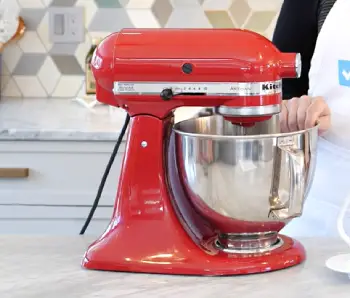
- 5-quart stainless steel bowl with handle: This size handles double cake batters or up to nine dozen cookies without crowding.
The handle makes lifting a full bowl safer and less awkward during transfers.
- 325-watt motor with planetary action: The beater travels around the bowl while spinning on its own axis and reaches every area.
This design keeps ingredients from hiding in corners and produces even results with less manual scraping.
- Ten-speed control: The range covers everything from a gentle stir that prevents flour clouds to a high speed that turns cream into stiff peaks quickly.
I can match the setting precisely to each stage of a recipe.
- Power hub for attachments: Pasta rollers, meat grinders, spiralizers, and ice cream makers all connect to the front hub.
One base machine expands into a full set of kitchen tools.
Pouring shield and coated beaters: The shield controls flour dust when adding dry ingredients.
The coated flat beater and dough hook resist sticking and clean up with less effort.
Pros Of The KitchenAid Artisan
- Handles larger and denser loads with less strain: Double batches of cinnamon-roll dough finish cleanly without the motor sounding taxed. That reliability reduces stress on busy baking days.
- Better everyday ergonomics: The handled bowl and included pouring shield cut down on spills and make transport safer. I notice the difference every time I move a full bowl of batter.
- Wider color selection: Matching the mixer to the rest of the kitchen becomes simple. The machine can sit on the counter as both a tool and a design element.
- Stronger long-term versatility: Extra capacity and power make the mixer more future-proof if baking habits expand. Attachments continue to run smoothly even under heavier loads.
- Higher perceived build quality in daily use: The machine feels planted and quieter under stress. Years of ownership build confidence in its consistency.
- More stable performance with attachments: Pasta rollers and grinders run with less vibration when the motor has extra reserve. Extended attachment sessions feel smoother and more controlled.
- Improved results on delicate recipes: Whipped egg whites and soft meringues hold better volume because the motor maintains steady speed under changing loads. I get more predictable peaks with less monitoring.
- Higher residual value over time: Used Artisan models tend to hold their price better on the secondhand market. The broader demand and premium features support stronger resale numbers.
Greater confidence for ambitious projects: Large holiday bakings or multi-loaf bread days feel less risky. The machine absorbs the extra work without forcing frequent pauses.
Cons Of The KitchenAid Artisan
- Higher cost: The price difference is noticeable. Occasional bakers may never use the extra capacity and power enough to justify the expense.
- Heavier and bulkier: Moving the machine for storage or thorough cleaning requires more effort. The larger bowl also creates more washing when only small batches are needed.
- Can feel like overkill for light users: Whipping a single cup of cream or mixing a small cake does not require everything the Artisan provides.
- Takes more dedicated counter or cabinet space: The larger profile demands a permanent spot in many kitchens. Temporary storage becomes less practical.
- Attachments add further expense: Expanding into pasta or grinding requires separate purchases that raise the total investment. The base price is only the starting point.
- Slightly longer warm-up feel on very light tasks: The stronger motor can feel less responsive for tiny batches. Small recipes sometimes need more careful speed selection.
Key Features Of The KitchenAid Ultra Power
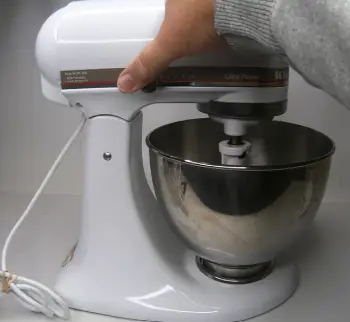
- 4.5-quart stainless steel bowl: This capacity covers everyday batches such as weeknight cookies, a couple of sandwich loaves, or a large bowl of frosting.
It feels less bulky on smaller counters while still offering solid volume.
- 275- to 300-watt motor: The motor handles standard cake batters, whipped cream, and medium-stiff doughs without trouble.
Heavy low-hydration bread is the point where it begins to show more strain.
- Same ten-speed planetary system: The mixing action feels familiar to any KitchenAid user.
The beater still covers the bowl thoroughly on common home recipes.
- Power hub compatibility: The front hub accepts the same wide range of attachments as higher models.
Pasta makers and grinders work the same way once attached.
- Solid metal construction and tilt-head design: The head lifts for easy bowl access and beater changes.
The machine stays stable during normal mixing tasks.
Pros Of The KitchenAid Ultra Power
- Lower entry price: Genuine KitchenAid performance arrives without paying for capacity or power that may go unused. Many households find this the smarter starting point.
- Adequate power for typical home baking: Cakes, cookies, muffins, and standard bread doughs come out reliably. Most home bakers never push a mixer harder than this model can manage.
- Slightly smaller footprint: The 4.5-quart setup occupies less visual and physical space. Crowded counters benefit from the modest reduction in size.
- Same core mixing technology: Planetary action, ten speeds, and the power hub deliver the essential KitchenAid experience. You lose nothing fundamental in daily use.
- Reliable for occasional use: When the mixer appears only a few times each month it still produces consistent results without the premium cost.
- Easier storage and movement: The lighter overall profile makes it simpler to lift onto a shelf or into a cabinet. Occasional users appreciate the reduced effort.
- Quicker cleanup on small jobs: Fewer excess features mean less to wash after a simple cake or frosting session. The machine returns to the cupboard faster.
- Less intimidating for first-time owners: The more modest size and price help beginners feel comfortable investing. Many new bakers gain confidence without overbuying.
- Sufficient headroom for growth within limits: Most expanding recipes still fit inside the 4.5-quart bowl. Users can develop skills before considering a larger upgrade.
Cons Of The KitchenAid Ultra Power
- Limited headroom for heavy doughs: Long kneads of stiff bread or oversized cookie batches make the motor work harder and run warmer. Results remain acceptable yet less effortless.
- Smaller bowl and fewer convenience features: Many versions lack a handle and the pouring shield is rarely included as standard. More careful handling and extra counter mess become common.
- Narrower color and style options: Appearance feels more basic next to the Artisan’s broad range. The mixer is less likely to serve as a kitchen accent piece.
- More frequent monitoring on dense mixes: Stiff doughs require closer attention to avoid overheating. Extended sessions often need short rest periods.
- Fewer included extras out of the box: Users often buy a pouring shield or handled bowl later. The initial package feels less complete.
- Less future-proof for growing households: Larger families or ambitious bakers may outgrow the capacity sooner. An upgrade becomes more likely within a few years.
Real-World Performance Comparison
I have used both machines side by side on identical recipes. Buttercream whips quickly and smoothly on either model.
Cookie dough performs similarly until batch size increases. Once I pass seven dozen cookies the Artisan’s larger bowl and extra power keep the motor happier and the process cleaner.
Bread dough reveals the clearest gap. A standard sandwich loaf works fine in the Ultra Power.
High-hydration focaccia or a double batch of bagels makes the difference obvious. The Artisan finishes the knead with less vibration and less heat buildup.
The Ultra Power still produces good dough yet requires more attention and occasional pauses.
Cake batters and whipped egg whites feel nearly identical. The planetary action is the real strength on both machines. Ingredients combine thoroughly and I rarely need to stop and scrape the bowl by hand.
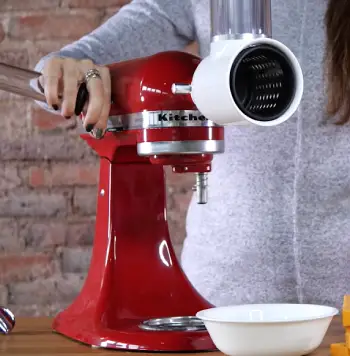
Attachment performance follows the same pattern. A pasta roller or meat grinder functions on either base.
Under continuous load the Artisan feels more composed and cooler. Weekly pasta making benefits from the extra motor strength.
Who should choose which mixer ?
Choose the Artisan if you bake several times a week, regularly make bread, or cook for a larger group.
The capacity and power remove friction from the process. Color options and included extras also improve the daily experience.
Choose the Ultra Power if you bake less often, work in a smaller kitchen, or prefer solid performance without stretching the budget.
It still delivers classic KitchenAid results for cakes, cookies, and standard doughs. Many owners start here and never feel the need to move up.
Durability And Long-Term Ownership
Both machines share a strong reputation for lasting decades when treated reasonably. The all-metal construction and simple motor design hold up well under normal home use.
I have seen Ultra Power units from earlier years still running strongly and Artisan models that look nearly new after more than a decade of regular work.
The limiting factor is usually how the owner treats the machine rather than any inherent weakness.
Parts and service remain widely available for both lines. The power hub design has stayed consistent for years so newer attachments fit older machines without issue.
Making The Final Decision
Consider the largest batch you realistically prepare and how often you prepare it.
If that batch regularly fills a 5-quart bowl or involves stiff dough the Artisan pays for itself through reduced frustration.
If your biggest project is a single cake or a few dozen cookies once a week the Ultra Power covers the need without excess cost or bulk.
Also weigh counter space and storage habits. Both machines are substantial yet the Artisan’s larger profile is harder to tuck away.
If the mixer will live permanently on the counter the Artisan’s color range becomes a stronger selling point.
Also Read: Comparison Of Kitchenaid Artisan And Classic
Frequently Asked Questions (FAQ)
The Artisan series is widely regarded as the sweet spot for most home bakers because of its balance of power, capacity, and features.
A regular or Classic model usually has a smaller 4.5-quart bowl and lower wattage while the Artisan steps up to 5 quarts, 325 watts, more colors, and often a pouring shield.
The Artisan edges out the Deluxe with higher power, larger capacity, and broader color options making it the stronger everyday choice for frequent use.
Among the common tilt-head models the Artisan’s 325-watt motor outranks the Ultra Power and Classic lines. Bowl-lift professional models go higher still.
Wrapping Up
I have lived with both of these mixers long enough to know that the right choice depends less on brand loyalty and more on how you actually bake.
If your recipes stay modest and your counter is tight the Ultra Power will serve you well for years.
If you want room to grow and the confidence to tackle bigger denser projects without second thoughts the Artisan is the one I reach for every time.
Whichever you pick you are getting a machine built to last and designed to make the work feel easier.
Start with the features that match your real kitchen life and the decision becomes straightforward.
Recent Posts
I tried Meltoway Hair Dissolving Cream because I wanted a quick way to deal with unwanted body hair without reaching for a razor every few days. If you are looking for a convenient at-home...
If you’re considering a saffron-based supplement to support mood, appetite control, and everyday wellness, Happy Saffron Plus is worth considering.I like that it takes a familiar botanical...