
If you want a compact heater that can quickly make a chilly room feel more comfortable, I think a Lasko space heater is worth considering.
I like the balance of portability, straightforward controls, compact designs, and useful heating features found across many Lasko models.
It is especially practical when you want to warm a bedroom, office, or small living area without heating the entire home.
Based on my experience, I would recommend considering a Lasko heater if you want convenient supplemental heat and don’t need a whole-house heating solution.
My First Experience With A Lasko Space Heater
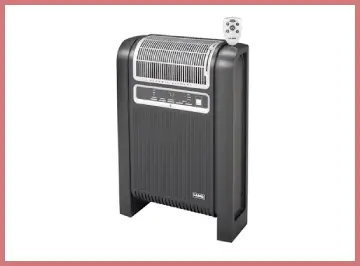
The first thing I noticed when using a Lasko space heater was how simple the overall experience felt. I didn’t want a heater that required complicated settings every time I wanted to warm up a room.
I wanted something I could place near my desk, turn on, choose a comfortable temperature, and get on with my day.
That is where the compact design made a difference for me. I could move the heater from one room to another without much effort.
When I was working, I could use it near my workspace. Later, I could move it into the bedroom or another smaller room.
The heating response was also something I appreciated. Instead of waiting a long time for the entire room to change temperature, I could feel warm air coming from the unit fairly quickly. Of course, the actual result depended on the room size, insulation, outdoor temperature, and heater model.
I also liked having different heat settings. I don’t always need maximum heat, especially once the room has warmed up. A lower setting can be more comfortable and may help reduce electricity consumption compared with continuously operating at the highest setting.
The fan function on applicable models was another useful touch. It made the heater more versatile because I could use the airflow for circulation without necessarily relying on the heating function.
However, I quickly realized that a space heater works best when I treat it as supplemental heating rather than expecting it to replace a central heating system. In a large, poorly insulated room, even a powerful portable heater can struggle to maintain the same level of warmth I would get from a dedicated heating system.
Overall, my experience was positive because Lasko focuses heavily on convenience. I could understand the controls quickly, move the heater easily, and use it when I needed localized warmth.
Pros Of Lasko Space Heaters
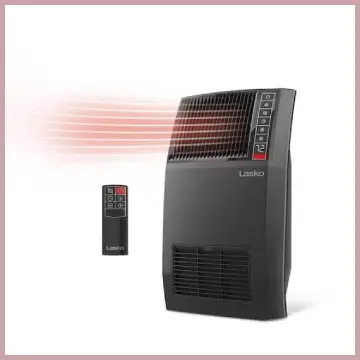
- Fast Supplemental Heating
The biggest advantage I noticed is the ability to provide localized warmth relatively quickly.
Instead of increasing the temperature throughout my entire home, I can focus heat where I actually need it.
This can be particularly useful when you’re sitting at a desk, watching television, reading, or sleeping in a colder bedroom.
Rather than waiting for an entire heating system to change the temperature, a portable heater can provide warmth directly in the occupied area.
I also find this approach practical during mild winter weather. Sometimes my entire home isn’t cold enough to justify running a large heating system continuously. In those situations, a space heater can provide targeted comfort.
- Compact and Portable Design
Portability is another major advantage for me. I don’t want a heating appliance permanently occupying valuable floor space.
A compact Lasko heater can generally be moved when necessary. I can use it in an office during the day and relocate it later if another room needs warmth.
This makes it especially useful for apartments, dorm rooms, home offices, bedrooms, and other spaces where flexibility matters.
- Multiple Heat Settings
I prefer heaters that give me some control over how much warmth they produce. Different Lasko models offer different combinations of heat settings, thermostat controls, fan settings, and other functions.
Having multiple options means I don’t have to run the heater at maximum output all the time. Once my room reaches a comfortable temperature, I can reduce the heat.
That gives me a better sense of control over both comfort and energy consumption.
- Ceramic Heating Technology
Many Lasko heaters use ceramic heating elements. I like ceramic heating because it is commonly paired with compact portable designs and allows the appliance to deliver warm airflow without requiring a large exposed heating element.
For everyday use, that combination can make the heater feel practical and relatively easy to operate.
- Thermostat Control
A built-in thermostat can be particularly useful. Rather than continuously blasting warm air, the heater can cycle as needed to maintain a selected temperature, depending on the model.
I find this helpful at night or while working because I don’t necessarily want the room becoming excessively warm.
- Oscillation on Certain Models
Some Lasko models include oscillation. This is one of those features that can seem minor until you actually use it.
Instead of keeping the warm airflow directed at one small spot, oscillation can distribute air across a wider portion of the room.
I prefer this when I’m trying to warm the general area rather than just myself.
- Convenient Portability
Another advantage is how little commitment a portable heater requires. I don’t need installation, permanent mounting, or complicated setup.
I can place it on an appropriate stable surface or floor location, connect it to a suitable electrical outlet, select my settings, and use it.
For renters or people who don’t want to modify their home, that convenience can be valuable.
- Useful for Personal Comfort
I think Lasko heaters make the most sense when you want personal or room-specific comfort.
If your home has one particularly cold office or bedroom, using a portable heater there may be more practical than attempting to make every room equally warm.
For me, that is one of the strongest reasons to consider this type of appliance.
Cons Of Lasko Space Heaters
- Electricity Consumption Can Add Up
The biggest drawback of any electric space heater is electricity consumption. A portable heater can be convenient, but convenience doesn’t mean free operation.
If I run a high-power heater continuously for long periods, my electricity usage can increase noticeably.
That’s why I prefer using a thermostat or lower heat setting whenever possible and turning the heater off when I don’t need it.
- Not Ideal for Every Room Size
A compact space heater isn’t a magic solution for a large open-plan room.
If you place a small heater in a large, poorly insulated area, you may find yourself waiting longer for noticeable warmth. In that situation, the heater may be better suited to personal heating rather than trying to heat the entire space.
- Fan Noise
Noise can also vary by model and individual sensitivity. I generally don’t find fan noise problematic during normal daytime use, but if you’re extremely sensitive to sound, you may notice the airflow.
For a bedroom, I’d pay attention to the specific model’s noise characteristics before purchasing.
- Requires Safe Placement
A portable heater requires more attention to placement than a permanently installed heating system.
I always want sufficient clearance around the heater and a stable location away from curtains, bedding, paper, clothing, and other combustible materials.
This isn’t a Lasko-specific concern. It’s an important consideration with portable electric heaters generally.
- Model Differences Can Be Significant
One thing I wouldn’t do is assume every Lasko heater offers the same features.
The product range includes different sizes, heating capacities, controls, designs, and functions. A buyer should therefore evaluate the particular model rather than relying solely on the brand name.
Maintenance For Lasko Space Heaters
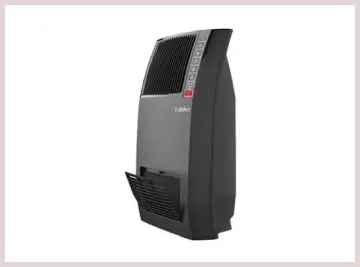
- Keep the Air Intake and Outlet Clean
Dust is one of the easiest things to overlook.
Because a space heater moves air, dust and debris can accumulate around the intake and outlet areas. I make it a habit to inspect these areas regularly.
Before cleaning, I make sure the heater is switched off, unplugged, and completely cool. I then remove visible dust using an appropriate dry cleaning method recommended for the specific unit.
Keeping airflow paths clear helps the heater operate without unnecessary obstruction.
- Clean Dust From the Exterior
The exterior can collect dust surprisingly quickly, particularly if the heater sits unused for months.
I wipe the outside with a soft, dry or appropriately damp cloth according to the manufacturer’s cleaning instructions. I avoid allowing moisture to enter the electrical components.
This simple habit keeps the heater looking cleaner and reduces the amount of loose dust around the appliance.
- Inspect the Power Cord
I consider the power cord one of the most important things to check.
Before using the heater, I look for visible damage, fraying, exposed wiring, unusual discoloration, or signs of overheating.
If the cord appears damaged, I don’t continue using the heater. Electrical safety isn’t something I want to compromise for the sake of convenience.
- Avoid Blocking the Heater
A heater needs appropriate airflow. I never cover it with clothing, blankets, towels, or other objects.
I also avoid putting anything directly in front of the warm-air outlet.
Keeping the airflow unobstructed helps the unit work as intended and reduces unnecessary heat buildup.
- Give the Heater Enough Clearance
Placement matters just as much as cleaning.
I keep the heater on a stable surface and away from combustible materials. I don’t place it where someone could easily knock it over.
If I’m using it in a bedroom, I take extra care around bedding, curtains, furniture, and clothing.
- Don’t Treat Maintenance as an Afterthought
I think the best way to maintain a space heater is to make inspection part of the routine rather than waiting for something to go wrong.
Before each heating season, I check the exterior, cord, controls, vents, and general condition.
If the unit behaves unusually, smells strange, repeatedly shuts down, produces abnormal sounds, or shows other concerning behavior, I stop using it and follow the manufacturer’s troubleshooting or service guidance.
- Store It Properly
When warmer weather arrives, I clean the heater and allow it to become completely dry before storage.
I prefer storing it somewhere clean and dry where it won’t be crushed under heavy objects.
Good storage can help prevent dust buildup and accidental damage during the months when I don’t use it.
Comparison Of Lasko Space Heater With Other Brands
- Lasko Vs Honeywell
When I compare Lasko with Honeywell, I see a similar focus on practical household heating. Both brands offer portable heating products with features aimed at everyday room comfort.
For me, the deciding factor would be the individual model’s heating capacity, thermostat controls, noise level, size, and safety features rather than simply choosing a brand.
- Lasko Vs De’Longhi
De’Longhi has a strong presence in household heating and offers several types of portable heaters.
When comparing the two, I would pay particular attention to heating technology and the type of room each model is designed to serve.
If I want compact supplemental heating with straightforward operation, a Lasko model can make sense. If I prefer a different heating format or design, another brand may suit my setup better.
- Lasko Vs Vornado
Vornado products often emphasize air circulation, which is an important consideration when you’re trying to distribute warmth throughout a room.
Lasko also offers models designed to circulate warm air, but the experience varies substantially between products.
For me, the key question isn’t simply which logo is on the front. I would ask whether I need concentrated personal heat or broader room circulation.
- Lasko Vs Dreo
Dreo has become increasingly visible in the portable heating category, particularly with modern designs and feature-rich controls.
When comparing Dreo with Lasko, I would examine thermostat accuracy, controls, noise, oscillation, remote functionality if offered, and the specific safety features.
Lasko’s advantage for me is its long-standing familiarity in the space-heater category, while newer competitors may appeal to buyers who prioritize modern interfaces and additional features.
Who Should Consider A Lasko Space Heater?
I think a Lasko space heater makes the most sense for someone who wants supplemental warmth rather than a replacement for an entire home’s heating system.
You may appreciate one if you work in a cold home office, have a chilly bedroom, live in an apartment, or want to warm a specific area without turning up the heat everywhere.
It can also make sense if portability is important to you.
On the other hand, I wouldn’t choose a small portable heater as my only heating solution for a very large or poorly insulated space. In that situation, I’d consider the room’s size and the heating requirements before buying.
How Much Electricity Does A Lasko Space Heater Use?
The exact electricity consumption depends on the particular model and its power setting.
A useful way to think about it is that a heater’s wattage indicates how much electrical power it draws while operating at that level. Running it for more hours generally means consuming more electricity.
That’s why I pay attention to operating time as well as the heater’s maximum power.
If I’m comfortable at a lower setting, I don’t see much reason to continuously operate at maximum output.
Also Read: Comparison Of AO Smith And State Water Heaters
Frequently Asked Questions (FAQ)
Common complaints can include fan noise, dust buildup, reduced airflow, thermostat issues, unexpected shutdowns, or heating problems. The exact issue depends on the model and usage.
It can use substantial electricity when operated continuously at high power. Actual consumption depends on the model, heat setting, and operating time.
There isn’t one universally suitable brand. Compare the specific model’s heating capacity, safety features, controls, noise, size, and energy use for your needs.
Recommendations can change as products and testing results change, so it’s best to check the most recent testing for the exact models you’re considering.
Final Verdict
After considering the heating performance, portability, controls, convenience, and limitations, I think Lasko space heaters are a practical choice for targeted supplemental warmth.
I especially like them when I need heat in one room rather than throughout my entire home. They aren’t designed to replace every heating system, and electricity use deserves attention, but the combination of compact design and straightforward operation makes them useful for everyday cold-weather comfort.
If your needs match that use case, I would consider buying a Lasko model that fits your room size and desired features.
Recent Posts
I spent months comparing budget options against established names after my last set of tires wore out sooner than expected.My goal here is to share what I learned from putting Dextero and...
AquaTru Carafe Vs. Classic: Which Is Actually Fits Your Kitchen?
I decided to write this comparison after months of testing both the AquaTru Carafe and the Classic in my own kitchen. Tracking covered daily use.Taste stayed consistent. Refill frequency...