
I spent months dealing with clogged gutters, overflowing water, and constant ladder climbs after every storm.
That frustration pushed me to compare LeafFilter and HomeCraft Gutter Protection side by side so I could decide which system actually delivers long-term relief.
My goal here is simple: share what I learned from research, real homeowner experiences, and product details so you can pick the right option for your home without wasting money or time.
| Feature | LeafFilter | HomeCraft Gutter Protection |
| Mesh Material | Stainless steel micromesh (approx. 275 microns) | 304 marine-grade stainless steel micromesh with raised diamond pattern |
| Frame Material | Extruded uPVC (vinyl) | Powder-coated aluminum |
| Installation Method | Professional only; sits inside or on existing gutters | Professional only; adapts to existing or new gutters |
| Warranty | Lifetime transferable | Lifetime transferable on guards; additional 25-year on new gutters |
| Availability | Broad national coverage (most states) | Primarily Southeast and Midwest |
| Average Cost Range | $15–$45 per linear foot | $31–$62 per linear foot |
| Extra Services | Limited to guards and occasional gutter adjustments | Gutter repair, full replacement, cleaning, downspouts |
| Debris Handling | Fine filtration; surface debris can build up | Raised mesh helps elevate debris for better water flow |
| Best For | Homeowners wanting fine filtration on existing systems | Homes needing durable materials plus full gutter work |
Understanding The Core Problem Both Systems Aim To Solve
Clogged gutters create more than inconvenience. Standing water leads to foundation issues, fascia rot, and ice dams in colder climates.
I watched my own gutters turn into a mess of leaves, pine needles, and shingle grit every fall. Both LeafFilter and HomeCraft target that exact problem with micromesh designs that block debris while letting water pass.
The real differences show up in materials, installation approach, and how each system behaves over years of weather exposure.
Key Differences Between The Leaffilter And Homecraft
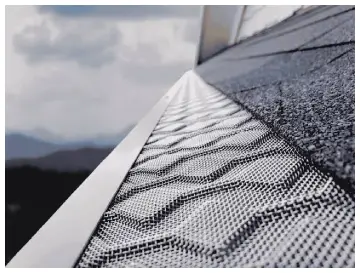
- Frame construction and long-term rigidity: LeafFilter relies on a vinyl frame that keeps costs lower and allows some flexibility during install.
HomeCraft uses powder-coated aluminum that feels sturdier under pressure from heavy snow or debris loads over many seasons.
- Mesh surface design: LeafFilter uses a relatively flat micromesh that sits low in the gutter.
HomeCraft adds a raised diamond pattern that lifts debris slightly so water can slip underneath more easily even when leaves collect on top.
- Geographic reach and service scope: LeafFilter covers far more states and makes scheduling easier in most regions.
HomeCraft focuses on fewer areas but bundles more services such as full gutter replacement and ongoing cleaning for a more complete solution.
- Support structure under the mesh: LeafFilter includes a channel that holds the mesh firmly in place.
HomeCraft skips a heavy substructure which lets the screen conform to odd roof-to-gutter angles but can leave it more vulnerable to impact from falling branches.
- Pricing transparency and total project cost: LeafFilter quotes often land lower on pure guard installation alone.
HomeCraft prices climb when new gutters or hangers enter the picture yet the all-in package can prove more economical if your existing system is already failing.
- Adaptability to existing systems: LeafFilter works well when gutters remain structurally solid and need only protection.
HomeCraft shines when multiple repairs are needed at once and can handle the full scope in a single project timeline.
Key Features Of LeafFilter
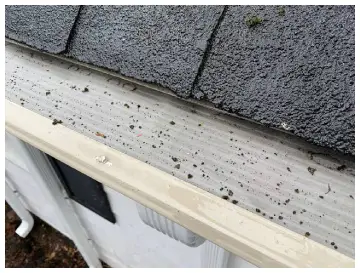
- Stainless steel micromesh filter: The fine openings stop pine needles, seeds, and even some pollen while still allowing water to move through freely in most weather conditions.
- Professional installation process: Trained crews clean the gutters first, check pitch carefully, and sometimes replace sections that no longer fit so the system performs as intended from day one.
- Lifetime transferable warranty: Coverage travels with the home if you sell and the clog-free claim sits at the center of their marketing and warranty language.
- Built-in slope on the frame: Water and lighter debris are encouraged to move toward the front edge rather than sit stagnant which helps reduce buildup inside the channel.
- Color options: White, cream, clay, and gray choices help the guards blend with common fascia colors for a cleaner finished look.
- Compatibility with standard gutters: The system fits most 5-inch and 6-inch K-style gutters and keeps installation straightforward in typical residential setups.
Pros Of LeafFilter
- Strong filtration against small debris: The micromesh catches particles that coarser screens miss and homeowners with nearby pines or oaks often report fewer clogs inside the gutter channel itself after install.
- Nationwide presence and faster scheduling: More installers mean shorter wait times in many markets and that convenience reduced the stress of my own research and decision phase.
- Transferable warranty adds resale value: Buyers like seeing a documented lifetime guarantee already in place and it can support a smoother home sale later on.
- Minimal changes to existing gutter system: Most installations leave the original gutters intact which keeps the project simpler and less expensive when the current system is still solid.
- Professional cleaning and pitch correction included: Crews often level sagging sections during the job and related water-flow problems get solved at the same time without extra appointments.
- Consistent performance in moderate leaf areas: The fine mesh handles typical seasonal debris well and overflow risk drops noticeably once the system is properly installed and maintained.
Cons Of LeafFilter
- Surface debris still needs occasional attention: Leaves and needles can rest on top of the mesh and dense tree cover requires periodic brushing or hosing so water can continue entering the gutter without overflow.
- Vinyl frame can show age in harsh sun or cold: Some long-term users mention warping or color fading after years of exposure in extreme climates where temperature swings are common.
- Higher price relative to basic mesh options: The professional-only model and fine mesh push costs above DIY alternatives and budget-conscious homeowners notice the difference quickly when comparing quotes.
- Class action history around performance claims: Past litigation focused on debris buildup on the surface and marketing language left some owners feeling the clog-free promise overstated real-world maintenance needs.
- Limited color and customization range: Fewer options exist if you want the guards to match unique fascia or trim and matching can feel restricted compared with more flexible systems.
- Potential for surface buildup in high-debris zones: Fine mesh works best when cleaned regularly and heavy seed or pollen seasons demand more upkeep than many owners initially expect.
Key Features Of HomeCraft Gutter Protection
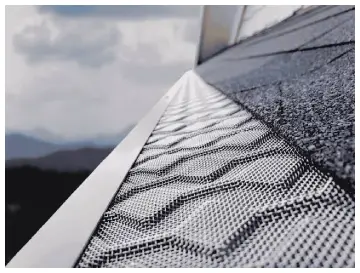
- 304 marine-grade stainless steel micromesh: The alloy resists corrosion better in humid or coastal environments and the raised diamond pattern sits at the center of their overall design approach.
- Powder-coated aluminum frame: The metal construction adds strength without excessive weight and the coating helps protect against long-term weathering and fading.
- Flexible fit for non-standard roofs: Absence of a rigid under-support lets the mesh bend to slate, metal, or irregular eaves more readily than stiffer designs.
- Full-service approach: Crews can install new seamless gutters, add hangers, replace downspouts, and clean existing systems as part of the same coordinated project.
- Lifetime transferable warranty plus separate gutter coverage: Guards carry lifetime protection while new gutters often receive a 25-year materials and workmanship guarantee for added peace of mind.
- Raised screen technology: The diamond texture elevates debris so water continues flowing underneath even when leaves and needles collect on the surface after storms.
Pros Of Homecraft Gutter Protection
- Durable materials built for longevity: Marine-grade steel and aluminum hold up under repeated freeze-thaw cycles and heavy rainfall better than vinyl in many independent comparisons over time.
- Raised mesh improves water passage under debris: The diamond texture elevates leaves so runoff continues even when the surface looks covered after a heavy storm or windy day.
- Ability to address multiple gutter problems at once: If hangers are loose or sections sag the same crew can fix everything and that single-visit efficiency appealed to me when my own system showed mixed issues.
- Strong customer review averages in served regions: Many owners praise the finished look and reduced overflow after installation ranks as a common positive note in regional feedback.
- Custom gutter color and material choices: Copper, vinyl, and aluminum options in dozens of colors give more design flexibility than pure guard-only companies typically offer.
- Better resistance to corrosion in wet climates: The marine-grade steel performs well near coasts or in high-humidity zones and overall longevity improves in those demanding conditions.
Cons Of Homecraft Gutter Protection
- Limited service area: Outside the Southeast and Midwest the company simply is not an option and homeowners in other regions must look to different providers.
- Communication and scheduling complaints appear in reviews: Some customers report missed callbacks or delayed follow-up service visits which can create frustration after the initial install.
- Higher average cost per linear foot: When new gutters enter the quote the total climbs quickly compared with guard-only installations from other companies.
- Mesh flexibility can become a drawback in high-wind zones: Without extra under-support the screen may dent or shift under impact from large limbs or severe storms over time.
- Fewer independent long-term field tests available: LeafFilter appears in more third-party challenges while HomeCraft data remains thinner outside manufacturer claims and regional owner reviews.
- Potential variability in workmanship by location: Quality can differ between crews so checking local references becomes extra important before signing any agreement.
How Installation And Maintenance Compare In Real Use?
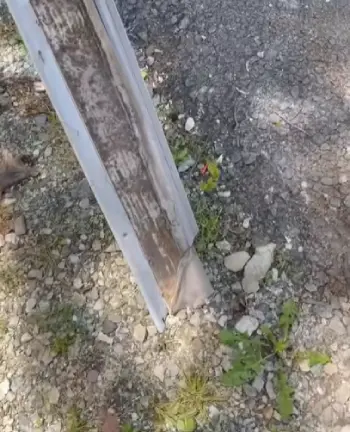
Both systems require professional crews. LeafFilter teams focus on cleaning, fitting the vinyl-framed mesh, and confirming water flow.
HomeCraft crews often spend more time evaluating the entire gutter system and may replace sections before attaching the aluminum-framed guards.
After installation the maintenance difference narrows. Both benefit from occasional surface cleaning.
I found the raised pattern on HomeCraft slightly easier to hose off in simulated leaf tests, while LeafFilter’s finer mesh sometimes trapped smaller particles that needed a soft brush.
Weather plays a bigger role than marketing admits. In regions with heavy pine pollen or seed drop, any micromesh needs more frequent attention.
In open yards with moderate leaf fall both systems largely eliminate the need for full gutter cleanouts.
Cost Considerations Beyond The Per-Foot Number
Quoted prices vary by roof height, linear footage, local labor rates, and whether new gutters are required.
LeafFilter often lands between $15 and $45 per foot for guards alone. HomeCraft averages higher, especially when full replacement occurs.
Financing options exist for both. The smarter calculation includes avoided damage. Foundation repairs or fascia replacement quickly exceed the cost of either system.
I weighed the higher upfront number against the years of ladder-free maintenance and chose to treat the project as insurance rather than pure expense.
Which System Fits Different Home Situations?
If your existing gutters remain structurally sound and you live outside HomeCraft’s core territory, LeafFilter provides wide availability and proven fine filtration.
If your gutters already sag, leak, or need color matching, and you live in a served region, HomeCraft’s bundled services create a cleaner one-project solution.
Tree density, roof pitch, and climate should guide the final call more than brand advertising.
Also Read: Comparison Of Box Gutter And K-Style
Frequently Asked Questions (FAQ)
No single system wins every test. LeafFilter and HomeCraft both rank near the top for micromesh performance. Local conditions and service quality decide the winner for each home.
Surface debris can still accumulate and require periodic cleaning. The vinyl frame may not match the longevity of all-metal alternatives in extreme climates.
A 2023 class-action settlement addressed claims that the system allowed debris buildup on top. Marketing language around clog-free performance was also questioned. Eligible owners received cleaning vouchers or modest compensation.
HomeCraft, LeafGuard, MasterShield, GutterGlove, and several regional micromesh installers all compete directly for the same homeowner dollars.
Final Thoughts
I started this comparison because I was tired of wet foundations and weekend ladder work. Both LeafFilter and HomeCraft deliver real improvement over unprotected gutters.
LeafFilter shines with broad availability and fine filtration on existing systems. HomeCraft stands out when you need durable metal construction and full gutter services in its service footprint.
You should measure your current gutter condition, tree coverage, and local installer reputation before signing any contract.
Get multiple quotes, ask for references in your exact climate, and treat the decision as a long-term investment in your home’s exterior.
Once the right system is in place, you gain back the time and peace of mind that clogged gutters steal every season.
Recent Posts
I spent months comparing budget options against established names after my last set of tires wore out sooner than expected.My goal here is to share what I learned from putting Dextero and...
AquaTru Carafe Vs. Classic: Which Is Actually Fits Your Kitchen?
I decided to write this comparison after months of testing both the AquaTru Carafe and the Classic in my own kitchen. Tracking covered daily use.Taste stayed consistent. Refill frequency...