
I tested both Leather Honey and Lexol extensively on my own car seats, furniture, boots, and bags because I needed clear answers on which product actually restores and protects leather better for everyday use.
My goal here is to share what worked, what fell short, and how these two popular options stack up so you can pick the right one for your items without wasting money or time.
| Feature | Leather Honey Conditioner | Lexol Conditioner / Cleaner |
| Consistency | Thick, honey-like oil | Thinner lotion / emulsion |
| Penetration | Very deep | Moderate / even |
| Best For | Dry, cracked, neglected leather | Routine maintenance, car seats, furniture |
| Application Frequency | Every 3–6 months | Every 1–3 months |
| Drying Time | Several hours to overnight | Minutes to an hour |
| Residue / Feel | Can feel tacky until fully absorbed | Minimal, natural finish |
| Darkening Risk | Higher on dry or light leather | Mild / lower |
| Scent | Unscented / odorless | Mild or nearly odorless |
| Cleaner Available | Yes (separate) | Yes (often sold as kit) |
| Key Strengths | Long-lasting deep restoration | Easy application, balanced pH cleaning |
| Price Positioning | Mid to higher | More affordable |
My Experience Testing Leather Honey And Lexol Side By Side
I started with a set of dried-out leather car seats that had started to feel stiff and show fine cracks, plus an older leather sofa and a pair of work boots that looked tired.
Both products claim to condition and protect, yet they approach the job very differently. Leather Honey feels like a serious treatment.
Lexol feels more like regular upkeep. I applied each according to the instructions, cleaned first where needed, and tracked results over weeks.
Leather Honey’s thick formula takes patience. You work a small amount into the leather with a cloth, let it sit, and buff. Lexol spreads quickly and feels lighter from the start.
After multiple applications and real-world use, clear patterns emerged about longevity, feel, and practicality.
Key Differences Between Leather Honey And Lexol
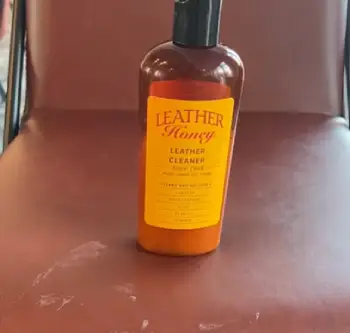
- Formula thickness and base: Leather Honey uses a concentrated oil blend that sits heavy at first and soaks in slowly over time.
Lexol relies on a finer emulsion of tanning oils that absorbs faster and feels lighter on the surface right away.
- Depth of conditioning: Leather Honey pushes moisture deep into the fibers which helps revive leather that has gone stiff or started cracking in noticeable ways.
Lexol conditions more evenly across the surface and mid-layers supporting flexibility without the same intensive soak that some pieces truly need.
- Application effort and time: With Leather Honey you need thin coats careful spreading and longer wait times before the surface feels dry enough to use.
Lexol goes on easily with a sponge or cloth and is ready for normal use much sooner after application.
- Longevity of results: One solid Leather Honey treatment often holds for months on daily-driven seats or furniture.
Lexol usually needs more frequent touch-ups to keep the same level of softness and protection going strong.
- Darkening and finish: Leather Honey can temporarily deepen the color on dry or lighter leather though the shift usually softens as it settles fully.
Lexol produces milder color change and a clean natural look with far less drama overall.
- Cleaner pairing: Both brands offer cleaners but Lexol’s pH-balanced cleaner and conditioner are frequently sold together as a convenient kit.
Leather Honey’s cleaner works well yet is typically purchased as a separate item.
- Best use cases: Leather Honey shines on neglected or heavily used pieces that need real restoration work.
Lexol fits better for regular upkeep on car interiors furniture and items that already stay in decent shape.
These differences matter once you match the product to the actual condition of your leather.
Key Features Of Leather Honey
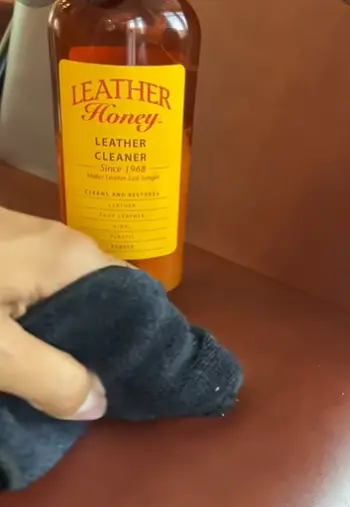
- Concentrated oil-based formula: The thick consistency is designed to penetrate rather than sit on top of the surface.
A little product covers a surprising amount of area once you learn to apply thin even layers with a proper cloth.
- Long-lasting protection: Users and my own tests show the conditioning effect can last three to six months on daily-driven car seats or furniture.
This reduces how often you need to reapply and saves effort over the long run.
- Non-toxic and free from common additives: No silicone no wax no animal products and no strong scent appear in the formula.
It stays family and pet friendly for regular household use around kids and animals.
- Water-repellent properties: After full absorption the leather resists light moisture better than before.
This helps with everyday spills humidity and light outdoor exposure without extra steps.
- Versatile across many leather types: It works on automotive leather furniture boots bags jackets and even some vinyl in limited cases.
The product is not recommended for suede or nubuck surfaces at all.
- Made in the USA with a long track record: The core formula dates back decades and has stayed consistent over time.
This builds confidence for people who prefer products that do not constantly change their makeup.
The thick texture requires more technique than a spray-and-wipe product yet the payoff shows in softer more flexible leather that stays that way longer.
Pros Of Leather Honey
- Deep restoration power: On stiff or cracked leather the product reaches the fibers and returns noticeable suppleness after one or two applications. My boots and older sofa sections felt markedly better and more flexible than before.
- Extended time between treatments: Because the oils stay in the leather longer you spend less time conditioning overall. This becomes valuable when you maintain several pieces of furniture or multiple pairs of boots.
- Clean ingredient profile: Free of silicone and animal products the formula appeals to people who want minimal additives near kids pets or sensitive skin. It creates peace of mind during regular household use.
- Natural matte-to-satin finish: After proper buffing the leather looks revived without an artificial shine that can attract dust. The surface stays clean looking for longer periods between cleanings.
- Strong water resistance once absorbed: Light rain or spills bead up better giving extra protection during daily use. This helps keep the leather healthier in humid or rainy environments.
- High user satisfaction on neglected items: Many long-term owners report that dry car seats or furniture regain life they thought was gone for good. The results feel substantial and lasting after full absorption.
These strengths make Leather Honey a solid choice when leather has already started to suffer from age or lack of care.
Cons Of Leather Honey
- Thick consistency demands care: Over-application leaves a tacky feel that needs thorough buffing to remove completely. Intricate areas such as seams or perforated seats take extra time and attention to finish properly.
- Longer absorption window: You often need to leave the treated item alone for hours or overnight before it feels fully dry. Immediate use of the leather is not realistic right after application.
- Temporary darkening on some leathers: Dry or light-colored pieces can look richer or slightly darker at first glance. The shift usually settles with time yet a patch test remains essential before full treatment.
- Higher upfront cost per bottle: Although the product lasts longer the initial price sits above many everyday conditioners on the market. Budget-conscious buyers may notice the difference at checkout.
- Learning curve for even coverage: First-time users sometimes apply too much and end up with uneven spots. Practice and thinner coats quickly solve this issue for most people.
None of these issues are deal-breakers once you adapt your method but they do require a bit of patience at the start.
Key Features Of Lexol
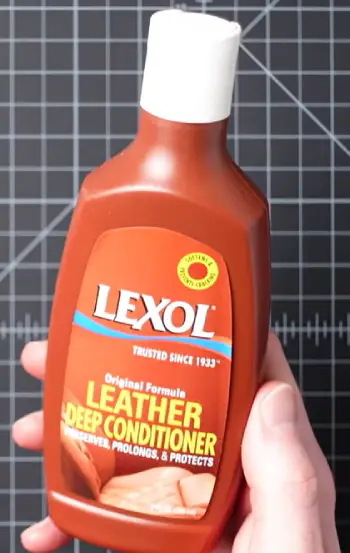
- Separate cleaner and conditioner system: The pH-balanced cleaner lifts dirt and body oils without stripping the leather of its natural oils.
The conditioner then restores flexibility with fine oil droplets that absorb evenly across the surface.
- Easy fast application: The thinner consistency spreads quickly with a sponge or cloth and requires little extra effort.
Many kits include applicators and results appear within a short drying window that fits busy schedules.
- Balanced approach for routine care: It softens leather and helps prevent cracking while leaving a natural non-greasy finish.
The result feels close to the original texture without any heavy or artificial coating.
- Affordable and widely available: Larger bottles and kit options keep the cost per application reasonable for most budgets.
This makes it practical for frequent use on multiple leather items around the house or in the car.
- Suitable for coated and finished leathers: It performs reliably on car seats furniture and everyday leather goods.
The formula leaves behind little to no heavy residue when applied correctly.
- Mild scent and low darkening: Most versions stay nearly odorless and produce only modest color change on the surface.
This reduces worry during application especially when working with lighter shades of leather.
Lexol prioritizes convenience and consistency. It keeps leather healthy with less drama though it may not restore severely dried pieces as dramatically as a heavier treatment.
Pros Of Lexol
- Straightforward two-step process: Clean first then condition second. The sequence feels logical and produces reliable results on regularly maintained leather without complicated extra steps.
- Quick drying and ready-to-use finish: You can often sit on treated car seats or use furniture the same day without sticky residue left behind. This convenience fits well into busy daily schedules.
- Gentle on finished and coated leather: The pH-balanced cleaner helps preserve the protective layer while still removing dirt and oils. It supports the leather’s structure rather than stripping it away.
- Good value for frequent applications: Lower cost and easy availability make it practical for households with multiple leather items. You can maintain several pieces without stretching the budget too far.
- Minimal color change: Lighter leathers stay closer to their original tone which reduces worry during application. The finish looks natural and consistent across the surface.
- Convenient kit options: Many packages include both cleaner and conditioner plus sponges so everything arrives ready to go. Setup time stays short and simple for first-time users.
These advantages suit people who prefer low-effort maintenance over intensive restoration sessions.
Cons Of Lexol
- Less intensive conditioning: Severely dry or cracked leather may need several applications or still fall short of the softness delivered by a heavier oil formula. Deep restoration is not its strongest point.
- More frequent reapplication: Results fade sooner than with deeper-penetrating products so the calendar fills with more conditioning sessions over time. Ongoing effort becomes part of the routine.
- Variable scent reports: Some users notice a stronger or different smell in newer batches compared with older versions they remember. Sensitive noses may pick up on the change more easily.
- Potential for lighter residue if overused: Excess product can leave a slight film until fully wiped away. Proper technique and thin layers avoid this problem almost completely.
- Formula consistency questions over time: Ownership and manufacturing shifts have led some long-time users to feel the current version differs from earlier ones. Results can feel slightly less familiar to veterans of the brand.
Lexol remains effective for everyday care yet it is not the strongest option for rescue work on neglected leather pieces.
How I Applied Each Product In Real Conditions?
For Leather Honey I cleaned the surface first with its companion cleaner or a mild alternative then applied a thin layer with a microfiber cloth.
I worked in small sections paid attention to seams and let the product sit for several hours before buffing away any excess.
On car seats the leather softened overnight and continued improving over the next day.
On boots the water resistance improved noticeably after full absorption.
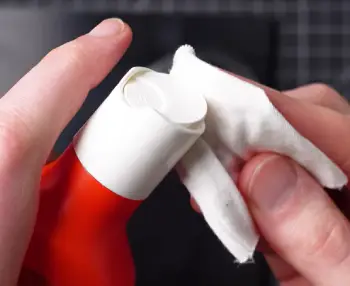
With Lexol I followed the two-step routine. The cleaner lifted embedded dirt and body oils from the sofa and seats with moderate effort.
After drying the conditioner went on lightly and absorbed within an hour. The leather felt smoother and looked fresher though the deep flexibility gain was less dramatic than with Leather Honey on the same stiff sections.
I repeated treatments on schedule and monitored for cracking stiffness and overall appearance under normal heat sunlight and daily contact.
Leather Honey held its improvement longer. Lexol kept the surface looking cared-for with less effort each session.
Matching The Product To Your Leather’s Condition
If your leather already feels dry stiff or shows early cracks Leather Honey gives the stronger recovery.
The deep oils rebuild flexibility from inside the material. If the leather stays relatively soft and you simply want to maintain it against everyday wear Lexol’s balanced system keeps things simple and consistent.
Car owners often lean toward Lexol for seats because the faster dry time and easier application fit busy schedules.
Furniture and older bags or boots that sit unused for longer periods benefit more from Leather Honey’s lasting treatment.
Always test a small hidden area first. Leather varies by tannage finish and age so results can differ slightly from piece to piece.
Practical Tips That Improved My Results
Apply both products to clean leather only. Dirt and oils block absorption and reduce effectiveness.
Use thin coats rather than heavy layers. Excess product causes residue and uneven darkening that takes longer to correct. Buff thoroughly once the surface starts to feel less tacky.
Store bottles in a cool place and keep lids tight so the formulas stay stable over time.
For perforated or stitched areas work the product in carefully so it does not pool in the gaps.
I also found that combining the two brands in a hybrid approach works well for some items.
Use Lexol cleaner for regular dirt removal then switch to Leather Honey conditioner when deeper nourishment is needed. This mix gives cleaning convenience plus long-term softness in one routine.
Also Read: Comparison Of Bick 4 And Leather Honey
Frequently Asked Questions (FAQ)
Leather Honey works better for deep restoration of dry or neglected leather. Lexol suits routine maintenance and easier application.
Lexol offers a solid pH-balanced cleaner that performs well for regular dirt and oils yet it is not universally the best. Results depend on the leather type and soil level.
Lexol uses a milder emulsion system for everyday care. Leatherique typically involves a multi-step rejuvenator process aimed at more intensive restoration.
No single brand ranks as best for every situation. Leather Honey ranks high for deep conditioning while Lexol ranks high for balanced frequent use.
Final Thoughts
I set out to find which product actually delivers lasting softness and protection on the leather items I use every day.
Leather Honey proved stronger for revival and longer intervals between treatments. Lexol proved simpler and more practical for regular upkeep.
Your choice depends on the current state of your leather and how much time you want to spend on care.
If the leather feels tired and dry reach for Leather Honey and give it the time it needs to work.
If you simply want to keep healthy leather looking and feeling good with minimal fuss Lexol keeps the routine easy.
Either way consistent cleaning and conditioning will extend the life of your pieces far longer than neglecting them.
Test a small area apply with care and you will see the difference for yourself.
Recent Posts
● Interactive 5-Zone Interior & Exterior Paint Blueprint Paint Coverage Calculator: Gallons, Primer, Square Footage & Cost Tap any architectural surface zone on the blueprint...
If you want smooth, shiny hair without spending a fortune on a premium styling tool, the Ella Bella hair dryer may be worth considering.In these Ella Bella hair dryer reviews, I’ll look...