
I spent weeks comparing LiftMaster and Chamberlain garage door openers after my old unit started failing, and I wrote this to help you decide which one fits your home, budget, and how you use the garage.
My goal is to break down the real differences in build, features, cost, reliability, and ownership experience so you can pick the right opener without guesswork or sales pressure.
| Feature | LiftMaster | Chamberlain |
| Parent Company | Chamberlain Group | Chamberlain Group |
| Sales Channel | Professional dealers and installers only | Retail stores, online (Home Depot, Lowe’s, Amazon, Costco) |
| Installation | Typically professional | DIY-friendly or professional optional |
| Typical Price (unit) | Higher (often $250–$500+ before install) | Lower ($180–$450 range) |
| Installed Cost | $350–$950+ depending on model | $280–$600+ |
| Drive Options | Belt, chain, wall-mount/jackshaft | Belt, chain, limited wall-mount |
| Smart Platform | myQ (built-in on most) | myQ (built-in on most) |
| Battery Backup | Available on many models | Available on select models |
| Warranty Style | Stronger dealer-backed (often lifetime motor, longer parts/labor via installer) | Manufacturer limited (lifetime motor on many, shorter parts) |
| Best For | Heavy doors, long-term ownership, pro support | Standard residential doors, DIY, budget |
| Expected Lifespan | Often 14–20 years with care | Often 10–15 years with care |
| Commercial Options | Yes | Mostly residential |
Understanding The Brands From A Homeowner’s View
When I first started looking at garage door openers, the names LiftMaster and Chamberlain kept appearing side by side.
I assumed they were rivals. Turns out they share the same parent company, Chamberlain Group.
That fact changes how I think about the choice. The core technology, the myQ app, the security rolling codes, and many motor designs come from the same engineering base.
The real split happens in how the products reach you and how they get supported afterward.
LiftMaster stays in the professional channel. You buy it through a dealer or garage door company that installs it.
That channel tends to push more robust rails, heavier-duty components in some models, and a support path that goes through the installer who knows the unit. Chamberlain lives on store shelves and online marketplaces.
is built for people who want to pick up a box, take it home, and install it themselves or hire someone later.
Both work well for everyday residential doors. The decision usually comes down to whether you value dealer accountability and heavier construction or lower upfront cost and DIY ease.
I tested the idea by talking to neighbors who had each brand and by reviewing service patterns that installers share. LiftMaster units often stay in service longer before major parts fail.
Chamberlain units deliver nearly the same daily convenience for less money when the door is standard weight and the install is done carefully.
Key Differences Between The LiftMaster And Chamberlain Garage Door Openers
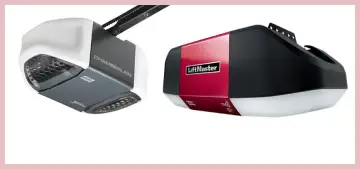
- Sales and support path: LiftMaster reaches you only through authorized dealers so the person who sells it usually installs it and stays available for warranty service.
Chamberlain sits on retail shelves and online carts where support runs through the manufacturer or the store which can feel slower years later.
- Build focus and rail design: LiftMaster often uses a solid one-piece T-rail in many models that resists flex better on taller or heavier doors.
Chamberlain commonly uses multi-piece rails that work fine for standard steel or aluminum doors but can show more wear over high-cycle use.
- Warranty structure: LiftMaster warranties frequently include stronger labor coverage through the installing dealer plus longer coverage on belts and boards in many lines.
Chamberlain offers solid motor warranties on a lot of models but parts coverage is usually shorter and labor is often your responsibility after the first year.
- Availability of specialty models: LiftMaster carries more wall-mount and commercial-leaning options so low headroom or jackshaft needs are easier to match.
Chamberlain covers the mainstream residential range thoroughly but has fewer specialized commercial variants.
- Price versus total ownership cost: Chamberlain wins the day-one cost battle while LiftMaster often wins the ten-year cost battle when you factor in fewer service calls and longer time before replacement.
The gap narrows once installation labor and expected lifespan enter the picture.
Key Features Of Liftmaster Garage Door Openers
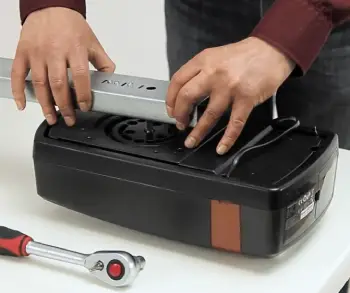
- myQ smart control: Every recent LiftMaster I looked at includes the myQ platform so I can open or close the door from my phone get alerts if it stays open and share temporary access with family or delivery drivers.
The same app works across both brands.
- Battery backup options: Many mid and premium models keep the door working during power outages which removes a real worry in storm-prone areas.
The backup typically handles dozens of cycles before needing a recharge.
- Quiet belt-drive motors: The belt models run smoothly enough that I barely notice them from the room above the garage.
DC motors on newer units add soft-start and soft-stop behavior that reduces stress on the door and the opener itself.
- Security+ rolling code technology: Each time the remote or app commands the door a new code is generated which makes code grabbing far less practical.
Combined with solid rails the security feel is strong.
Wall-mount and heavy-door capability: If ceiling space is tight or the door is heavy LiftMaster’s jackshaft and higher-horsepower options give more flexibility.
The pro channel also stocks commercial motors if the residential line is not enough.
Pros Of LiftMaster Garage Door Openers
- Stronger long-term reliability in real service data: Installers I spoke with consistently report LiftMaster units lasting into the mid-teens or longer before major repairs. The solid rail and commercial-leaning components help when the door is heavier or cycles more often.
- Dealer-backed service relationship: If the unit needs attention the same company that installed it usually handles the warranty work. That accountability reduces the runaround that can happen with pure manufacturer support.
- Better options for difficult installations: Low headroom tall doors and heavy insulated doors are easier to match with LiftMaster’s broader residential and light commercial lineup. This flexibility matters in older or custom homes.
- Quieter high-end belt models with robust motors: The top belt-drive units feel refined and soft starts protect the door hardware while keeping vibration low. The difference is noticeable in attached garages.
Higher residual value if you sell the house: A professionally installed LiftMaster is a small selling point for buyers who notice the brand and the install quality. It signals care and durability.
Cons Of LiftMaster Garage Door Openers
- Higher upfront and installed cost: You pay for the dealer channel and the more robust parts so budget-conscious projects feel the difference immediately. The premium can reach several hundred dollars installed.
- Not available for pure DIY purchase: You cannot grab one off a store shelf and scheduling an installer adds time and coordination. That lack of instant availability frustrates some homeowners.
- Some advanced features now sit behind subscription walls on newer models: Basic myQ functions remain free but certain premium integrations have moved to paid tiers in recent years. This change surprised a few long-time users.
- Overkill for light-use standard doors: If your garage door is lightweight and opens only a few times a day the extra durability may exceed what you need. You end up paying for capacity you rarely use.
Key Features Of Chamberlain Garage Door Openers
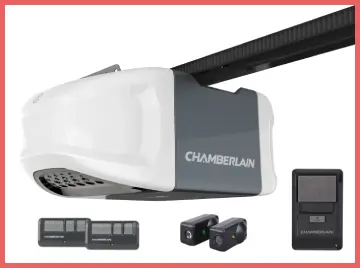
- myQ smart control: This is the identical platform to LiftMaster so I can schedule closes receive open and close notifications and integrate with common voice assistants.
The app interface is the same which keeps the learning curve at zero.
- Easy DIY installation design: The packaging manuals and rail sections are clearly aimed at homeowners so many people install a Chamberlain on a Saturday without calling a pro.
That accessibility is a genuine advantage when labor costs run high.
- Belt and chain drive variety: Quiet belt models sit alongside durable chain models and battery backup appears on several popular units.
LED lighting is bright enough to light the garage without extra fixtures on many current models.
- Retail availability and accessory ecosystem: You can walk into a big-box store compare models side by side and leave with the opener the same day.
Compatible keypads extra remotes and sensors are easy to find on the same shelves.
- Competitive feature set at lower price points: Wi-Fi smartphone control and soft start and stop arrive at price points that undercut equivalent LiftMaster dealer packages.
For a standard residential door the feature list feels complete.
Pros Of Chamberlain Garage Door Openers
- Lower purchase price and easy retail access: You can buy today install this weekend and have a fully featured smart opener for less money. The savings feel immediate and real.
- Nearly identical daily smart experience: The myQ app remote operation and alerts work the same as on LiftMaster so convenience does not suffer at all. Day-to-day use feels seamless.
- Solid performance on typical residential doors: For steel or aluminum doors of normal weight the openers handle years of use without drama when installed correctly. Most households never notice a shortfall.
- Clear DIY instructions and wide accessory support: Homeowners who like hands-on projects appreciate the straightforward setup and the easy-to-find extra remotes and keypads. The process stays approachable.
- Good battery-backup models at mid-range prices: Several popular units include backup power without jumping to the top of the price ladder. That balance of cost and peace of mind is attractive.
Cons Of Chamberlain Garage Door Openers
- Slightly shorter average service life in some service reports: Real-world patterns often show earlier rail or gear wear compared with LiftMaster under similar conditions. The gap appears after the ten-year mark in many cases.
- Warranty and parts support can feel less direct: After the initial period you deal more with the manufacturer or a local technician who may not have sold the unit. Response times can vary by region.
- Multi-piece rails and lighter components on many models: These work fine for standard doors but show more flex and wear on heavier or taller doors over time. The difference becomes clear under higher loads.
- Occasional Wi-Fi or sensor quirks reported by users: Like most smart openers garage placement and router distance can affect connectivity. Safety sensors also need careful alignment during DIY installs.
How The Choice Plays Out In Daily Life?
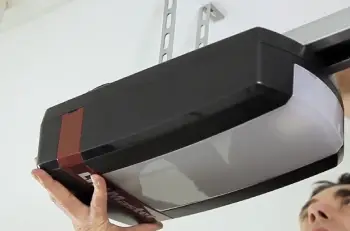
I live in a two-story house where the master bedroom sits above the garage. Noise mattered.
I also keep a heavier insulated door for energy reasons. Those two factors pushed me toward the pro channel and a belt-drive LiftMaster with battery backup.
A neighbor with a lightweight door and a detached garage went with a Chamberlain belt model installed it himself and has been happy for five years.
Both of us use the same myQ app and the same basic security features. The difference shows up mainly in how the unit feels during operation and how easy it is to get service.
If your garage is attached and you hate any vibration prioritize a quiet belt model from either brand. If power outages are common where you live make battery backup a must-have.
If the door is heavy or the ceiling height is tight the LiftMaster dealer path gives clearer solutions.
If cash flow and DIY satisfaction matter more Chamberlain delivers strong everyday performance.
Installation And Maintenance Realities
Professional installation of a LiftMaster usually includes balancing the door setting force and travel limits correctly and aligning the safety sensors.
That work reduces future callbacks. A careful DIY Chamberlain install can achieve the same result but the learning curve includes a few trips up and down the ladder and careful reading of the force settings.
Once either unit is in yearly lubrication of the chain or belt a quick sensor check and occasional remote battery changes keep things smooth. Both brands respond well to basic care.
I schedule a quick tune-up every couple of years. Springs rollers and tracks affect the opener’s workload more than most people realize. A balanced door extends the life of any brand.
Cost Considerations Beyond The Sticker
A Chamberlain unit might cost $250–$400. Add DIY time or a couple hundred dollars for labor and you are still often under a full LiftMaster package.
The LiftMaster route can run $500–$900 installed depending on model and local rates. Over fifteen years the total cost of ownership can flip if the LiftMaster needs fewer repairs and lasts longer.
I calculated both paths for my situation and decided the pro option made sense because I plan to stay in the house a long time. Your timeline and door type will shift that math.
Also Read: Comparison Of Liftmaster 877MAX And 878MAX
Frequently Asked Questions (FAQ)
LiftMaster consistently ranks at or near the top in service longevity and professional preference especially for heavier or high-use doors. Chamberlain stays close for standard residential use.
Both share similar potential issues: misaligned safety sensors Wi-Fi connectivity hiccups in weak-signal garages occasional logic board aging after many years and battery backup degradation. Stripped gears appear more often on higher-mileage units of either brand.
Yes. Both brands belong to Chamberlain Group. They share core technology and the myQ platform while serving different sales channels.
Most well-maintained LiftMaster openers last 10 to 15 years with many reaching 14 to 20 years under normal residential use and proper door balance.
Final Thoughts
I started this comparison because I needed a reliable opener that would last and not annoy the people sleeping above the garage.
After weighing the shared technology against the real differences in channel build emphasis warranty support and price I landed on a professional LiftMaster install for my heavier door and long-term plans.
If your situation is a standard door a tighter budget and confidence with tools a Chamberlain from retail can serve you just as well day to day.
You now have the same facts I used. Match the opener to your door weight your noise tolerance your installation preference and how long you expect to keep the house.
Either brand can deliver years of smooth smart operation when the door itself is balanced and the unit is set up correctly.
Choose the path that fits your priorities and you will stop thinking about the garage door opener for a long time.
Recent Posts
● Interactive 5-Zone Interior & Exterior Paint Blueprint Paint Coverage Calculator: Gallons, Primer, Square Footage & Cost Tap any architectural surface zone on the blueprint...
If you want smooth, shiny hair without spending a fortune on a premium styling tool, the Ella Bella hair dryer may be worth considering.In these Ella Bella hair dryer reviews, I’ll look...