
I have spent years swapping oils in my own cars and helping friends choose the right bottle for everything from daily commuting to spirited weekend drives.
My goal here is simple: give you a clear, practical side-by-side look at Liqui Moly Molygen and Liqui Moly Leichtlauf so you can decide which one fits your engine, driving style, and budget without the usual marketing fog.
| Feature | Molygen New Generation | Leichtlauf High Tech |
| Primary focus | Friction reduction & wear protection | OEM approvals & long-term stability |
| Key technology | Molecular Friction Control (MFC) | Advanced synthesis + detergent package |
| Typical viscosity | 5W-30 / 5W-40 | 5W-30 / 5W-40 |
| Color | Fluorescent green | Amber / standard |
| Friction modifier | Molybdenum + tungsten hybrid | Standard low-friction additives |
| OEM approvals | Solid but selective | Broader European list (VW, MB, BMW, etc.) |
| Best suited for | Hard driving, heat, responsiveness | Daily driving, warranty compliance |
| Fuel economy potential | Higher (friction cut) | Moderate but reliable |
| Price level | Higher | More moderate |
| Leak detection | Excellent (UV glow) | Standard |
Key Differences Between The Liqui Moly Molygen And Leichtlauf
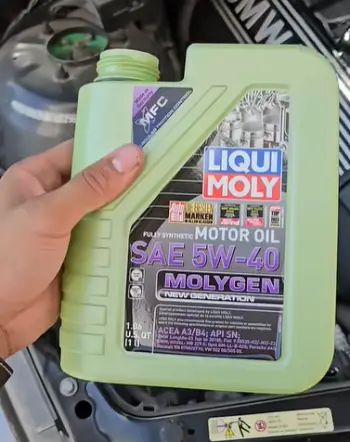
- Additive package philosophy: Molygen centers on its Molecular Friction Control technology that chemically smooths metal surfaces and cuts friction, while Leichtlauf relies on a proven low-friction base oil blend plus strong detergent and anti-wear chemistry without the specialized hybrid modifiers.
- Visual identity and practical diagnostics: Molygen’s fluorescent green color makes oil level checks and leak spotting under UV light almost effortless, whereas Leichtlauf keeps a conventional amber look that blends with most other oils.
- Approval and recommendation scope: Leichtlauf usually carries a wider set of official manufacturer approvals that matter for warranty and service book stamps, while Molygen often lists strong recommendations and meets many of the same standards but can be thinner on formal approvals for certain European models.
- Driving feel and intended stress level: Molygen aims at engines that see higher loads, hotter running, or drivers who notice every shift in responsiveness, while Leichtlauf targets consistent, quiet protection across ordinary mixed driving and longer drain intervals.
- Cost-to-benefit balance: You pay a premium for Molygen’s friction-control package and the green diagnostic advantage, whereas Leichtlauf delivers solid protection and broad compatibility at a more approachable price point for most owners.
These differences show up the moment you start using either oil. I noticed the green color of Molygen the first time I checked the dipstick under a shop light.
It stood out immediately. With Leichtlauf the oil looked like any other high-quality synthetic, which is fine until you need to chase a small leak.
The additive difference also shows in how the engine feels after a few hundred kilometers. Molygen tends to quiet the valvetrain a bit more and make the throttle response feel freer.
Leichtlauf keeps everything smooth and predictable without that extra edge.
Key Features Of Liqui Moly Molygen
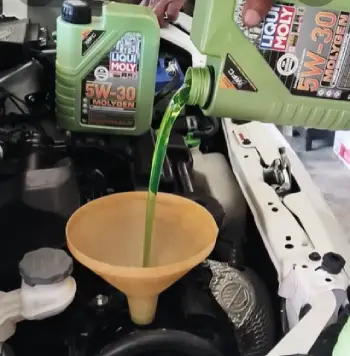
- Molecular Friction Control technology: This hybrid molybdenum-tungsten system forms a protective layer that reduces metal-to-metal contact, lowers friction, cuts wear, and helps the engine run cooler under load.
- Fluorescent green color: The distinctive hue is not just marketing, as under a UV lamp any leak shows up clearly and has saved time diagnosing seepage around valve covers or oil cooler lines.
- High shear stability and thermal resistance: The oil holds viscosity well even when temperatures climb or the engine is pushed hard, keeping the oil film intact during spirited driving or hot summer traffic.
- Deposit control and cleanliness: Combined with modern detergent chemistry, it keeps piston rings and oil passages free of sludge and supports longer service life.
- Cold-start flow and year-round usability: Available in common multi-grade viscosities, it reaches critical parts quickly on cold mornings while remaining robust once the engine is fully warm.
I have used Molygen in both a turbocharged petrol engine and a higher-mileage naturally aspirated four-cylinder. In the turbo car the oil temperature stayed a couple of degrees lower during long highway runs compared with the previous synthetic. In the older engine the valvetrain noise dropped noticeably with
in the first tank of fuel. The green color made it easy to confirm that a small amount of oil was seeping past a valve-cover gasket long before it became a mess on the driveway.
That early warning alone has paid for the price difference more than once.
Pros Of Liqui Moly Molygen
- Noticeable reduction in engine friction: Drivers often report smoother idle, quieter valvetrain, and a freer-revving feel after the first few hundred kilometers, and the MFC layer keeps working even if you switch oils later.
- Superior wear protection under stress: High-load or high-temperature conditions benefit from the hybrid friction modifiers, so cam lobes, bearings, and piston skirts stay better protected when the engine works hard.
- Easy leak detection: The green glow under UV light turns a guessing game into a five-minute check and has justified the price on older cars that develop minor seepage.
- Improved fuel economy potential: Lower internal friction translates into measurable savings for many drivers, especially those who do a mix of highway and stop-go traffic.
- High thermal and pressure stability: The oil resists breakdown in turbocharged engines or during prolonged high-speed runs and maintains consistent protection.
Cons Of Liqui Moly Molygen
- Higher purchase price: The specialized additive package and diagnostic color come at a premium, so budget-conscious owners may find the cost hard to justify for purely stock daily drivers.
- More limited formal OEM approvals in some variants: While it meets many standards and carries solid recommendations, certain European manufacturers prefer oils with the full approval stamp that Leichtlauf more readily provides.
- Potential overkill for mild use: If your driving is mostly gentle commuting, the extra friction-control technology may deliver less tangible benefit than the price difference suggests.
- Availability of exact viscosity and approval matches: Matching the precise grade and recommendation list to your vehicle can require more careful checking than with the broader Leichtlauf range.
Key Features Of Liqui Moly Leichtlauf
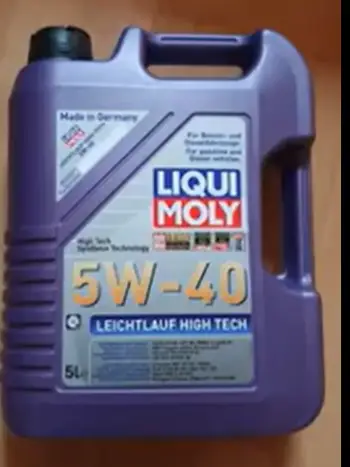
- Synthesis-technology base oils: These unconventional base stocks deliver low viscosity with excellent film strength and support both fuel economy and high-temperature protection.
- Extensive manufacturer approvals: Specs such as VW 502 00 / 505 00, MB 229.5, BMW Longlife-01, Porsche A40 and others make it a safe choice when the owner’s manual lists specific requirements.
- Strong detergent and dispersant package: It keeps the engine clean over long drain intervals and handles the soot and combustion by-products typical of modern gasoline and non-DPF diesel engines.
- Rapid oil circulation at low temperatures: Cold starts feel quieter and oil pressure builds quickly, which is noticeable in winter climates.
- Fuel and oil consumption control: The low-friction formulation helps reduce both fuel use and oil burn in engines that tend to consume a little between changes.
Leichtlauf has been my default choice for several European cars that demand specific approvals.
In a high-mileage diesel without a particulate filter the oil kept the engine clean and the consumption almost zero between changes.
In a gasoline car with variable valve timing the cold starts became quieter and the idle settled faster.
The wide list of approvals means I can follow the service book without worrying about a dealer questioning the oil choice later.
That peace of mind matters when the car is still under any form of warranty or when resale value is a consideration.
Pros Of Liqui Moly Leichtlauf
- Broad manufacturer approvals: Meeting a long list of official specs makes it straightforward to stay within warranty guidelines or follow the service manual without second-guessing.
- Reliable long-drain performance: The combination of stable base oils and strong additive chemistry supports extended intervals where the manufacturer allows them and reduces the frequency of oil changes.
- Excellent engine cleanliness: Detergent action keeps internal surfaces free of deposits, which helps maintain compression and oil control over high mileage.
- Balanced cost and performance: You get genuine high-tech protection without the premium attached to specialized friction modifiers, making it attractive for most owners.
- Quiet, smooth everyday operation: Cold starts are refined and the engine settles into a quiet idle quickly, and many users notice reduced valvetrain noise compared with conventional oils.
Cons Of Liqui Moly Leichtlauf
- Lacks the specialized friction-control package: Without the molybdenum-tungsten hybrid, it does not deliver the same measurable drop in friction coefficient that Molygen claims under extreme conditions.
- No unique visual or diagnostic feature: Standard color means leaks are harder to spot under UV light compared with the fluorescent green of Molygen.
- May feel less special to performance-oriented drivers: Enthusiasts who track or frequently push their engines sometimes prefer the extra edge Molygen provides in responsiveness and heat management.
- Still carries a premium brand price: Although more affordable than Molygen, it costs more than many mainstream synthetics, so value depends on how much you prioritize the approvals and cleanliness.
Real-World Performance And Driving Impressions
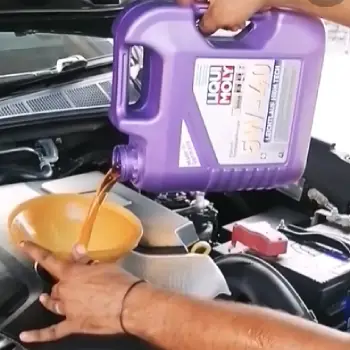
When I first tried Molygen in a turbocharged four-cylinder that saw regular highway runs and occasional track days, the difference showed up in two places.
Idle became smoother within a few tanks of fuel, and oil temperature under sustained load stayed a few degrees lower than with the previous synthetic.
The green color also made it obvious when a valve-cover gasket started weeping. Something I might have missed for months with ordinary oil.
Leichtlauf, by contrast, has been my go-to for several European cars that require specific approvals.
In a high-mileage diesel without a particulate filter and in a couple of gasoline engines with variable valve timing, it delivered quiet operation, stable oil pressure, and almost zero consumption between changes.
The engine bay stayed cleaner longer, and the oil analysis results I ran showed strong remaining additive levels even near the end of an extended interval.
Both oils handle cold starts well in moderate climates. In deeper winter I lean toward the lower viscosity grades of either line, but the shear stability of both keeps the film strength intact once everything is warm.
For pure daily commuting on well-maintained engines, Leichtlauf often feels like the more rational choice.
When the car is driven harder or I want the diagnostic advantage of the green oil, Molygen earns its keep.
Which One Matches Different Driving Styles?
If your car spends most of its life in mixed city and highway traffic and you follow the manufacturer’s recommended service intervals, Leichtlauf’s approvals and cleanliness package give you peace of mind at a reasonable cost.
The oil is formulated for exactly that environment. Steady protection, low deposits, and compatibility with modern emission systems excluding DPF applications in the High Tech line.
If you regularly tow, drive in hot climates, enjoy spirited acceleration, or simply like knowing you have an extra layer of friction control, Molygen’s MFC technology becomes the stronger argument.
The measurable reduction in wear and the ability to spot leaks quickly add practical value beyond the laboratory numbers.
Owners of older high-mileage engines sometimes prefer Molygen for the way it quiets valvetrain noise and reduces oil consumption.
Others stick with Leichtlauf because the broader approval list makes it easier to stay on the safe side of any remaining warranty or resale considerations.
Oil Change Intervals And Maintenance Considerations
Both products support the intervals listed by the vehicle manufacturer when used correctly.
Leichtlauf’s formulation is often highlighted for longer drains where approved, sometimes stretching toward 30 000 to 40 000 km under ideal conditions.
Molygen also holds up well, though many users still choose more conservative intervals when the engine sees hard use.
I always recommend an engine flush or at least a thorough drain when switching between different additive chemistries for the first time.
After that, both oils mix safely with other commercial motor oils if you need to top up in a pinch.
Keep an eye on oil level regardless of which you choose. Neither is a miracle cure for an engine that is already burning oil heavily.
Cost Analysis Over Time
The higher sticker price of Molygen is partially offset if you gain measurable fuel savings or avoid a costly leak-related repair thanks to early detection.
For a car driven 15 000 km a year, the difference in annual oil cost is usually less than a tank of fuel.
Leichtlauf’s lower price and strong approvals make it the more economical long-term choice for the majority of owners who simply want reliable protection without chasing every last percentage of friction reduction.
Also Read: Is Kuri Nuka Batana Oil Worth It?
Frequently Asked Questions (FAQ)
Liqui Moly is the brand. Molygen is one specialized product line within that brand that uses unique friction-control additives and a fluorescent green color.
Yes. It delivers strong wear protection, reduced friction, and practical leak detection that many drivers appreciate, especially under demanding conditions.
Yes. It offers excellent cleanliness, broad manufacturer approvals, and reliable everyday performance at a more accessible price point.
There is no single best. Choose Molygen when you want maximum friction reduction and diagnostic color. Choose Leichtlauf when you need wide OEM approvals and balanced value.
Wrapping Up
After running both oils in multiple engines and comparing the results side by side, I keep coming back to the same practical advice.
Your choice between Liqui Moly Molygen and Leichtlauf should start with how you actually drive and what your owner’s manual demands.
If you want the extra friction control, the green diagnostic glow, and a bit more edge under load, Molygen is the bottle I reach for.
If you value broad approvals, proven long-term cleanliness, and a more moderate price for daily use, Leichtlauf does the job without drama.
Pick the one that matches your real needs, change it on schedule, and both will keep your engine protected for years. You now have the information to make that call with confidence.
Recent Posts
● Interactive 5-Zone Interior & Exterior Paint Blueprint Paint Coverage Calculator: Gallons, Primer, Square Footage & Cost Tap any architectural surface zone on the blueprint...
If you want smooth, shiny hair without spending a fortune on a premium styling tool, the Ella Bella hair dryer may be worth considering.In these Ella Bella hair dryer reviews, I’ll look...