
I didn’t expect an alarm clock to change how I sleep—but the Loftie Alarm Clock did exactly that.
If you’re tired of waking up to harsh phone alarms, scrolling late into the night, and feeling groggy in the morning, this might be one of those rare products that actually improves your daily routine.
You’re not just buying an alarm clock here—you’re buying a better sleep environment. And if better sleep matters to you (it should), then this is worth serious consideration.
My First Experience With The Loftie Alarm Clock
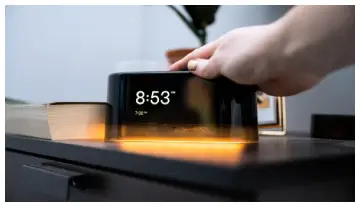
When I first set up the Loftie Alarm Clock, I’ll be honest—I was skeptical.
It felt like a premium product trying to solve a simple problem. But within the first few nights, I noticed a shift in how I approached bedtime.
Instead of reaching for my phone, I started using Loftie’s built-in soundscapes. The ambient sounds—like gentle ocean waves and soft wind—created a calming atmosphere that made it easier for me to fall asleep without distractions.
You might think this is just a small feature, but when you actually use it consistently, it changes your nighttime habits.
Waking up was where I felt the biggest difference. The two-phase alarm system doesn’t shock you awake.
Instead, it gently nudges you with a soft tone before gradually increasing intensity. Compared to the aggressive alarms I used on my phone, this felt far more natural. I didn’t wake up irritated or disoriented anymore.
Another thing I appreciated was the design. It’s minimal, clean, and doesn’t scream for attention. At night, the display dims automatically, which helped me avoid unnecessary light exposure.
You don’t realize how much bright digital clocks affect your sleep until you switch to something softer like this.
The biggest surprise? I stopped using my phone before bed. Not completely—but significantly less. And that alone made the Loftie feel worth it.
However, it wasn’t perfect. The setup required Wi-Fi initially, and navigating through settings using the physical buttons took a bit of patience.
But once everything was configured, it became second nature.
Overall, my first two weeks felt like a reset for my sleep routine. And if you’re someone who struggles with consistent sleep patterns, you might notice the same shift.
Design And Build Quality
The Loftie Alarm Clock has a modern, minimal design that blends effortlessly into any bedroom setup. When you place it on your nightstand, it doesn’t look like a typical alarm clock—it feels more like a thoughtfully designed lifestyle product.
The display is intentionally soft and adjustable. You can dim it to the point where it’s barely visible, which is perfect if you’re sensitive to light while sleeping. I personally keep it at a low brightness, and it never disrupts my rest.
The buttons are tactile and responsive, though not overly intuitive at first. Once you get used to the layout, adjusting alarms or switching sounds becomes quick and easy. You don’t need to rely on your phone constantly, which is exactly the point.
The overall build feels sturdy. It’s not something that feels cheap or disposable. When you pick it up, there’s a reassuring weight to it that signals quality.
Features That Actually Matter
The Loftie Alarm Clock focuses on features that enhance your sleep rather than overwhelm you with unnecessary extras.
The standout feature is the two-phase alarm. Instead of one loud sound, you get a gentle wake-up tone followed by a stronger alarm. This creates a smoother transition from sleep to wakefulness.
Then there are the soundscapes. You get access to a variety of calming audio options designed to help you relax before bed. These aren’t gimmicky—they’re genuinely effective when used consistently.
There’s also a built-in night light. It’s soft, warm, and doesn’t strain your eyes. I’ve used it during late-night wake-ups, and it’s much more pleasant than turning on a harsh overhead light.
Another underrated feature is the offline functionality. Once set up, you don’t need constant Wi-Fi access to use it. That means fewer distractions and a more focused sleep environment.
Pros Of The Loftie Alarm Clock
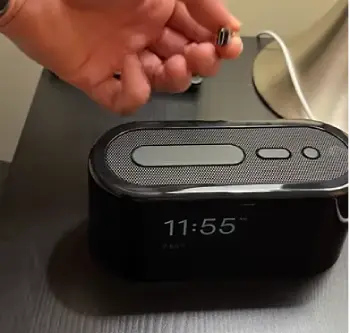
- A Gentle, Two-Phase Wake-Up That Actually Works
One of the biggest upgrades you’ll notice is how the Loftie wakes you up. Instead of shocking you awake with a loud, jarring sound, it uses a two-phase alarm.
The first tone is soft—almost like a nudge—while the second phase gradually brings you to full awareness.
From my experience, this made mornings feel less stressful. You don’t jump out of bed feeling irritated. Instead, you ease into the day.
If you’ve ever hit snooze multiple times because your alarm felt too aggressive, you’ll likely find yourself doing that less.
- Helps You Break Phone Dependency at Night
This is where Loftie quietly becomes powerful. You and I both know how easy it is to scroll endlessly before bed. With Loftie sitting on your nightstand, you naturally rely less on your phone.
I didn’t force myself to stop using my phone—it just happened.
I started using the built-in soundscapes instead of apps, and over time, my screen time at night dropped. That alone improved how quickly I fell asleep.
- Built-In Soundscapes That Feel Purposeful
A lot of products throw in “relaxing sounds” as an afterthought. Loftie doesn’t. The soundscapes feel curated and intentional.
Whether it’s white noise, nature sounds, or guided wind-down audio, they create a calming environment.
When you use them consistently, your brain starts associating those sounds with sleep. That’s when the real benefit kicks in—you fall asleep faster without overthinking.
- Minimal Light for Better Sleep Quality
Light pollution in your bedroom is more disruptive than you might think.
Loftie solves this with an adjustable, dim display that you can tone down to your comfort level.
I personally keep it very low, and it makes a noticeable difference. You won’t have that harsh glow hitting your eyes at night.
If you’re sensitive to light, this feature alone makes a strong case for the device.
- Offline Functionality Reduces Distractions
After the initial setup, you don’t need Wi-Fi to use it. That might not sound like a big deal, but it changes how you interact with your bedroom space.
No notifications. No updates popping up. Just a simple, focused experience. It helps create a boundary between your digital life and your sleep environment—which is something most of us struggle with.
- Premium Build and Aesthetic Appeal
You can tell this isn’t a cheap product. The materials feel solid, the design is clean, and it fits into almost any bedroom style.
When you place it on your nightstand, it doesn’t look like clutter. It looks intentional. And that subtle psychological effect—having a tidy, calm space—adds to the overall experience.
- Encourages a Consistent Sleep Routine
Because Loftie combines alarms, sounds, and lighting in one place, it gently nudges you into a routine. You start going to bed at similar times, waking up more consistently, and relying less on external distractions.
It’s not forcing you—it’s guiding you. And over time, that consistency improves how rested you feel.
Cons Of The Loftie Alarm Clock
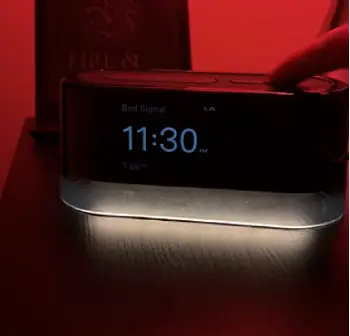
- The Price Can Feel Hard to Justify
Let’s be real—this is not a budget alarm clock. When you first see the price, you might hesitate. After all, your phone already has an alarm, right?
The difference is in the experience, but that’s not always easy to justify upfront. If you’re someone who just wants a basic wake-up tool, you might feel like you’re overpaying.
From my perspective, the value becomes clear only after consistent use. But if you’re unsure about investing in sleep-focused products, this could be a sticking point.
- Initial Setup Requires Wi-Fi
Even though Loftie works offline afterward, you still need Wi-Fi to set it up and unlock its full functionality.
This wasn’t a dealbreaker for me, but it did add an extra step at the beginning. If you’re expecting a plug-and-play device right out of the box, you might find this slightly inconvenient.
- Button Navigation Isn’t Instantly Intuitive
Unlike smartphone apps, which are designed to be visually guided, Loftie relies on physical buttons. At first, this can feel a bit confusing.
I remember needing a few days to get comfortable switching alarms, adjusting sounds, and navigating menus. It’s not overly complicated—but it’s not instantly obvious either.
Once you learn it, it becomes second nature. But that initial adjustment period is something you should expect.
- Limited Customization Compared to Apps
If you love tweaking every detail—custom alarm tones, advanced scheduling, integrations—you might find Loftie a bit limited.
It focuses on simplicity, which is great for reducing distractions. But that also means fewer options compared to smartphone apps or more tech-heavy devices.
For me, this simplicity was a benefit. But for you, it might feel restrictive depending on your preferences.
- No Smart Home Integration
Loftie doesn’t try to be a smart home hub. It doesn’t connect to other devices like lights, thermostats, or voice assistants.
If you’re used to a fully connected ecosystem, this might feel like a missing feature. You won’t be able to control other devices or automate routines through it.
However, this limitation is also intentional—it keeps the focus on sleep rather than adding more digital noise.
- Sound Variety May Feel Limited Over Time
While the soundscapes are high quality, you might eventually wish for more variety if you use them every night.
I found a few favorites and stuck with them, but if you like constantly changing your audio environment, you could start feeling like the options are a bit repetitive.
- Not Ideal for Heavy Sleepers Who Need Loud Alarms
If you’re someone who sleeps very deeply and needs a loud, aggressive alarm to wake up, Loftie might not be strong enough for you.
Its strength lies in gentle waking. That’s great for most people—but if you regularly sleep through alarms, you might need something more forceful.
Maintenance Tips For Loftie Alarm Clock
- Keep the Device Clean and Dust-Free
I make it a habit to wipe down the Loftie every few days. Dust can accumulate on the surface and around the buttons, which might affect responsiveness over time.
A soft cloth works perfectly—you don’t need anything fancy.
- Manage Power and Cable Properly
Make sure the power cable is securely connected and not under tension. I’ve noticed that keeping the cable organized not only looks better but also prevents accidental disconnections.
- Update Firmware When Needed
Occasionally, updates improve performance or add new features. I recommend checking for updates every once in a while to keep the device running smoothly.
- Optimize Placement
Where you place the Loftie matters. I keep mine at arm’s reach on my nightstand. This makes it easy to interact with without fully waking up. You’ll want to avoid placing it too far away or too close to your face.
- Use Sound Features Strategically
Instead of playing soundscapes all night, I set them on a timer. This helps me fall asleep without unnecessary noise continuing through the night.
- Adjust Brightness Regularly
Your sensitivity to light might change over time. I occasionally tweak the brightness depending on how I’m sleeping. Small adjustments can make a big difference.
- Restart Occasionally
Like any electronic device, a quick restart every now and then helps maintain smooth performance. It’s a simple habit that keeps things running efficiently.
Comparing Loftie With Other Alarm Clock Brands
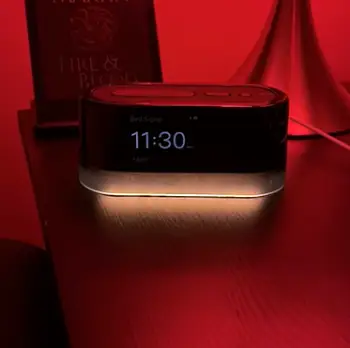
- Loftie vs Hatch
When I compare Loftie with Hatch, the biggest difference comes down to focus. Hatch leans more toward a smart lighting system combined with sound features.
Loftie, on the other hand, is more focused on creating a distraction-free sleep environment.
With Hatch, you might find yourself relying on your phone app more often. Loftie encourages independence from your phone, which I personally prefer.
- Loftie vs Philips Wake-Up Lights
Philips wake-up lights emphasize gradual light-based waking. While that’s effective, Loftie takes a sound-based approach with its two-phase alarm system.
If you prefer waking up with light, Philips might feel more natural. But if sound plays a bigger role in your sleep routine, Loftie stands out.
- Loftie vs Traditional Alarm Clocks
Compared to standard alarm clocks, Loftie feels like a completely different category. Traditional clocks focus on one job—waking you up. Loftie focuses on your entire sleep experience.
You’re not just setting an alarm—you’re improving how you fall asleep and how you wake up.
Is The Loftie Alarm Clock Worth It?
If you’re looking for a basic alarm clock, this probably isn’t for you. But if you care about improving your sleep quality and reducing nighttime phone usage, then yes—it’s worth it.
I didn’t expect such a noticeable difference in my routine, but once I experienced it, I didn’t want to go back. It’s one of those products that quietly improves your daily life.
Also Read: Is Hatch Alarm Clock Worth It?
Frequently Asked Questions (FAQ)
What makes the Loftie Alarm Clock different from regular alarm clocks?
It focuses on improving your sleep experience with gentle alarms, soundscapes, and minimal distractions.
Does the Loftie Alarm Clock require Wi-Fi to work?
Only for initial setup and updates. It works offline afterward.
Can I use the Loftie Alarm Clock without my phone?
Yes, once set up, you can control everything directly on the device.
Is the Loftie Alarm Clock worth the price?
If better sleep and reduced phone use matter to you, it’s worth it.
Wrapping Up
I didn’t think I needed a premium alarm clock until I tried the Loftie. Now, I can’t imagine going back to my old routine.
If you value better sleep, less screen time, and a more peaceful wake-up experience, this is a smart investment.
You’re not just buying a clock—you’re investing in how you start and end each day.
Recent Posts
● Interactive 5-Zone Interior & Exterior Paint Blueprint Paint Coverage Calculator: Gallons, Primer, Square Footage & Cost Tap any architectural surface zone on the blueprint...
If you want smooth, shiny hair without spending a fortune on a premium styling tool, the Ella Bella hair dryer may be worth considering.In these Ella Bella hair dryer reviews, I’ll look...